'Barbara Forever': the Sundance Documentary Highlighting Lesbian Love as an Enduring Cinematic Endeavor
Words: Ariana Martinez
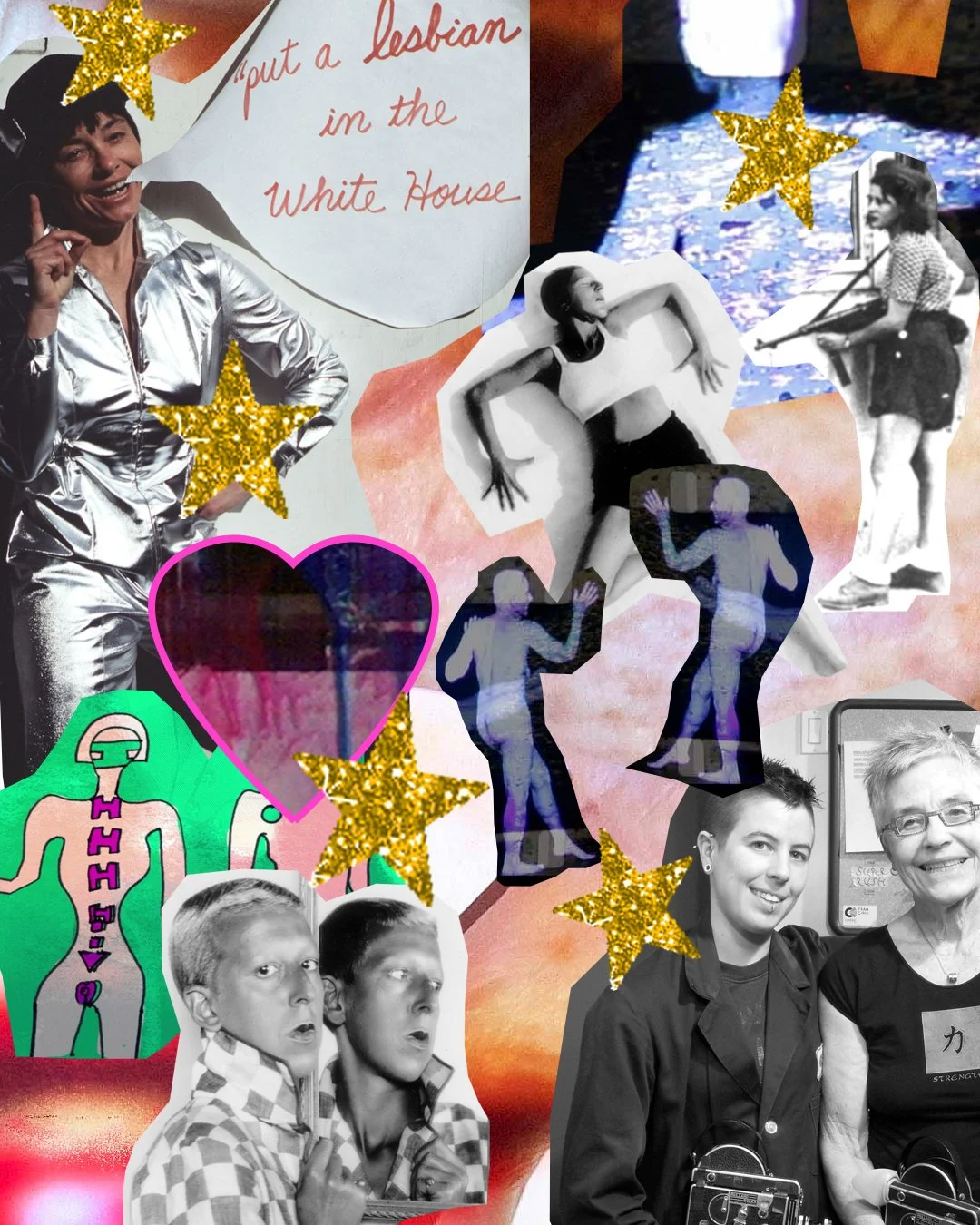
“A lesbian history in a world where we’re invisible. I want to have something to give. I want to exist forever,” says the disembodied voice of artist and filmmaker Barbara Hammer, in the documentary Barbara Forever, which premiered at the Sundance Film Festival. Directed by Brydie O’Connor in her feature debut, the film chronicles Hammer’s journey into her lesbian identity at the age of 30 and how her queer desire, coupled with second-wave feminist thought and avant-garde filmmaking, would inform an immense body of work comprising over 80 films.
Few images are as evocative as one of a person crying in a library, remembering the person they loved and lost. Barbara Forever begins by showing Yale’s Beinecke Rare Book and Manuscript Library's acquisition of Hammer’s work, positioning archival affirmation as significant for preserving lesbian history. The camera follows Hammer’s longtime partner, Florrie Burke, as she walks through the collection, admiring Hammer’s art. The institutional documentation and dedication to Hammer’s memory and artistic ethos accentuate that what Hammer accomplished is no small feat in a world where both experimental filmmaking and lesbian identity are less visible in mainstream cinema.
For Hammer, filmmaking was always a type of testament, a vessel for identifying and rejoicing the freedom she found in relationships and art. What makes Hammer’s work so moving is her profound interest in lesbian physical intimacy and sensuality, and footage of Hammer presenting her work at the Roxie in the early 80s shows her introducing the film by saying, “I want this screen to be tactile… [Touch] is what a lesbian aesthetic film is about.” Nudity is one such aesthetic device Hammer is enamored with, for her subjects, and for herself. Glasses perched upon her bush as she lies on rocks near the water – a gorgeous shot, considering Hammer’s iconic glasses are just as synonymous with her persona as a camera – and lesbians frollicking in meadows in Dyketactics, or she and a former lover performing gymnastic trapezes in the nude to accentuate their muscles. Hammer considered touch the “essence of the shots,” in which the realisation of subversive intimacy is graceful, arousing, and arresting. At this time, she worked and filmed in San Francisco, but quickly realised that she would find more opportunities in New York City: “You have to choose between being a lesbian filmmaker and an avant-garde filmmaker. Lesbians wanted realism, avant-garde didn't want lesbians.”
___STEADY_PAYWALL___
Hammer’s interest in tactility is personified by two elements of her work: her interest in documenting her real-life romantic relationships and her structuralist filmmaking, a blend of reality and analog artifice.
Filmmakers like Michael Snow inspired Hammer to experiment even further by using an optical printer to paint or distress her film strips. Her 1987 film Optic Nerve encapsulates this aesthetic interest well, as it fragments footage of her grandmother in a nursing home, defamiliarizing what has become a mundane fact of aging life into a stirring portrait of loss and the passing of time.
“In the evening you have to love, and you have to be loved,” says Hammer in Barbara Forever, as she articulates the need to balance being a businessman, an artist, and a lover.”
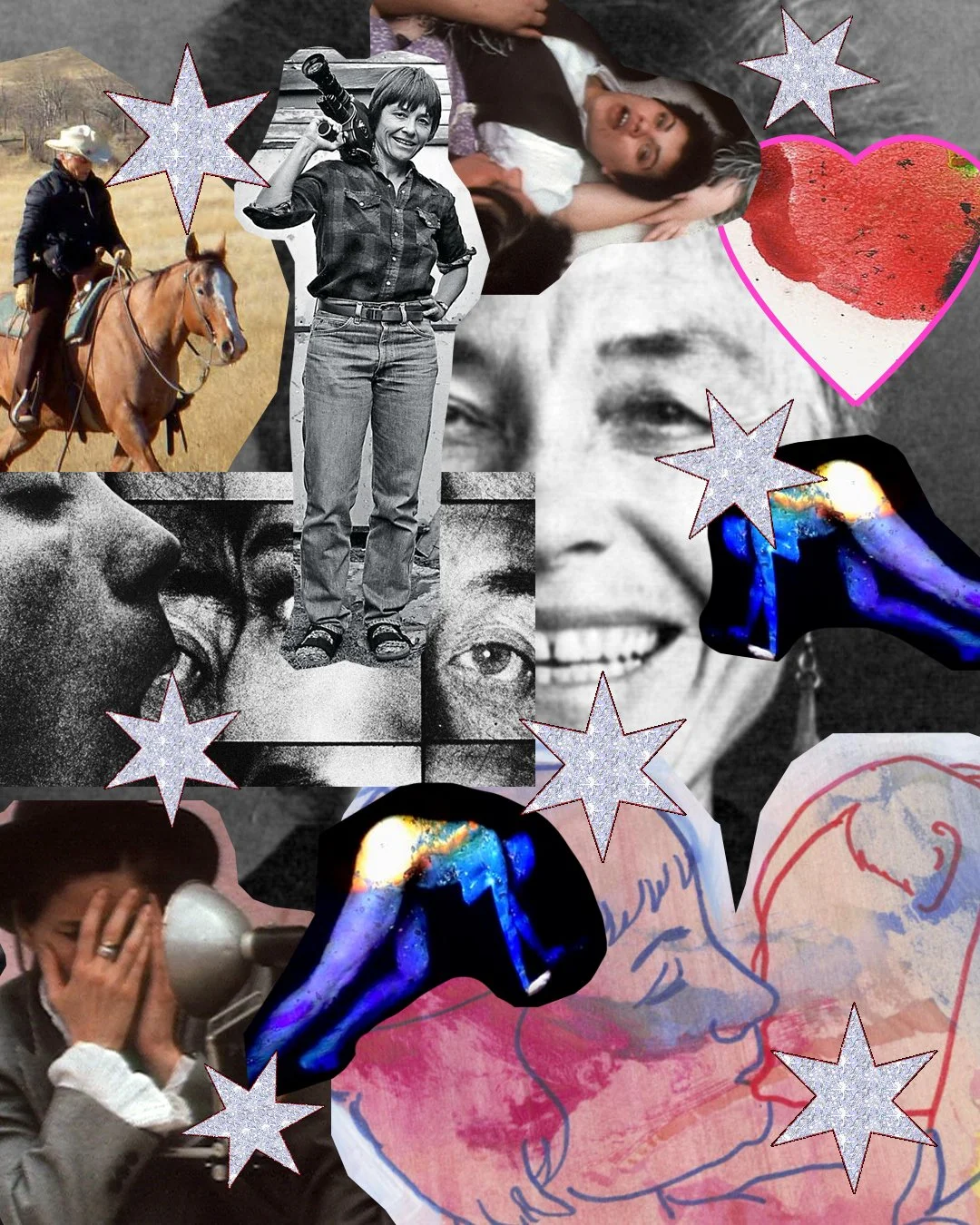
The film was accepted into the Whitney Biennial, which marked an enormous milestone not only for Hammer’s career but also for the lesbian community, who celebrated this acceptance together, and which the documentary cheerfully shows, as O’Connor presents a joyful, communal experience of lesbian filmmaking in the same spirit as Hammer. In the Biennial Exhibition Catalogue, curator John Hanhardt wrote of Optic Nerve, “The sense of sight becomes a constantly evolving process of reseeing images retrieved from the past and fused into the eternal present of the projected image. Hammer has lent a new voice to the long tradition of personal meditation in the avant-garde of the American independent cinema.”
It’s fitting, then, that as Hammer aged, her films and public appearances further examined her complex attitudes toward illness and death, as she was diagnosed with ovarian cancer in 2006. In 2018, she delivered a lecture at the Whitney Museum titled "The Art of Dying or (Palliative Art Making in the Age of Anxiety)." Hammer retained her commitment to showing the nude female body, especially as it ached and hurt with time, not wanting to only bear witness to youthful sexuality.
It’s an attitude that bears resemblance to writer May Sarton, who resisted the label of “lesbian,” but had several relationships with women and wrote about her sexuality in her successful diary Journal of a Solitude, “I am proud of being 58, and still alive and kicking. In love, more creative, balanced, and potent than I have ever been.” This quote is apt for Hammer, who met her partner, Florrie Burke, when they were both in their forties.
One of the most precious moments in the documentary takes place just before New Year’s Eve, and sees the lovers in bed, sharing their resolutions to continue working and loving each other. The gentle way Baraba Forever follows a shy, but thoughtful Burke, is among its highlights. Before their relationship, Hammer, as her work evinced, was known for her short-term relationships, but when she met Burke, she felt she had not only found her person but that this long-term relationship would allow her to see queer history on a larger scale.
In 1992, she released Nitrate Kisses, her first feature-length film, which spotlighted four queer couples, premiered at the Sundance Film Festival, and received a theatrical release. Through this film, Hammer would be grouped with what became known as the New Queer Cinema movement, dubbed by critic B. Ruby Rich.
“In the evening you have to love, and you have to be loved,” says Hammer in Barbara Forever, as she articulates the need to balance being a businessman, an artist, and a lover. Hammer’s devotion to tenderness, to vulnerable and radical self-expression, is pivotal in unraveling a lesbian cinematic history.
As an artist, Hammer was constantly returning to the idea of legacy, of what she could leave behind for her community. On a personal level, this was beautifully achieved through the collaborative film Generations, in which Hammer and her mentee, filmmaker Joey Carducci, each shot on their own Bolex camera and then spliced their footage together. Carducci would later come out to Hammer as a trans man through their shared love language in A Letter to Barbara Hammer, in which Carducci narrates over unused footage from Hammer’s film Tender Fictions. Hammer felt that donating her outtakes to other filmmakers was a way to “keep my work alive in the world.” Barbara Forever, an effervescent and exalting film, ensures that a new generation of queer artists will continue to remember and honor those who came before them.