
Praise Odigie Paige on Her Short Film ‘Birdie’, Showing at Sundance and African Period Pieces
Words: Ariana Martinez
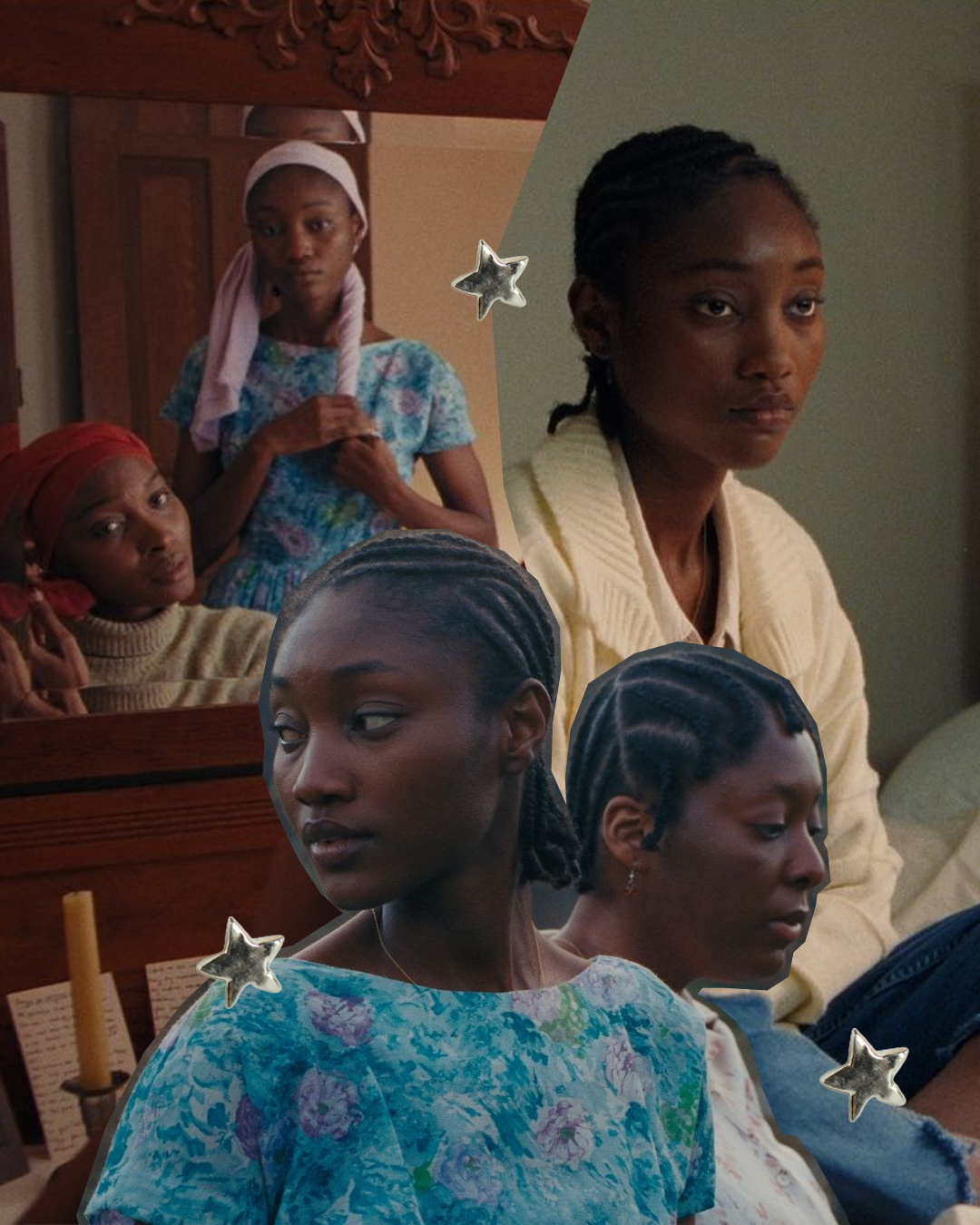
“It's a 21-minute short and everyone I spoke to was like, ‘Don't make anything over 14 minutes, or it won't screen anywhere.’” Writer and director Praise Odigie Paige says this about her latest film, Birdie, a coming-of-age short film selected to screen at the 2026 Sundance Film Festival. The film follows 16-year-old English (Eniola Abioro) and her sister, Birdie (Precious Maduanusi), as they wrestle with their blossoming womanhood alongside their melancholic reality as Nigerian refugees in 1970s rural Virginia. Their father is a soldier yet to return from the Biafran War, also known as the Nigerian Civil War, and so the women and their mother, Celeste (Sheila Chukwulozie), do their best to pass the time amid long, perennial days. Birdie presents a tender portrait of the paradoxical nature of teenage lounging: how peaceful and calm it can seem, yet how sorrowful and drab it becomes in the context of cultural displacement and migrant identity.
Paige was just ten, her sister eight, when they migrated from Nigeria to the States. In reflecting on how much of her own story is in the film, Paige says, “Those characters were inspired by my sister and me and moments of idling around and figuring out what was going on with our bodies and coming of age in a time where our lives were changing so fast.”
Shot on gorgeous 35mm film, the cinematography captures a richness to what might otherwise seem mundane: women languidly moving through the interiors of their home, highlighting what Paige describes as “the imposition of place.” Meanwhile, the film grain also emphasizes the lush look of the exterior shots, which showcase the expansive hillside, the sisters beautifully framed by the blue sky, stunning and stark against the green ground. “In my visual research for this story, there weren't a lot of stories about African immigrants in the US in this time period, and so I wanted to do it in a way that was creating a new kind of archive, a sense of texture, but also permanence,” says Paige about using 35mm film, despite the additional costs. “It's also a period story, and there was a conflict of believability that I was experiencing even writing this story, because I had just never seen anything that I could reference about this time period. I wanted it to feel like a story that does exist and has always existed. Also, I just want to see more stories with Black women on film, that felt really important to me. I specifically wanted to do 35mm versus 16mm because I think 35 just brings you in closer.”
“The script was much more based around rivers, because that's an image you see in Black stories really often, but the hills were a total surprise for me. At some point, I made a decision to be unabashed about it.”
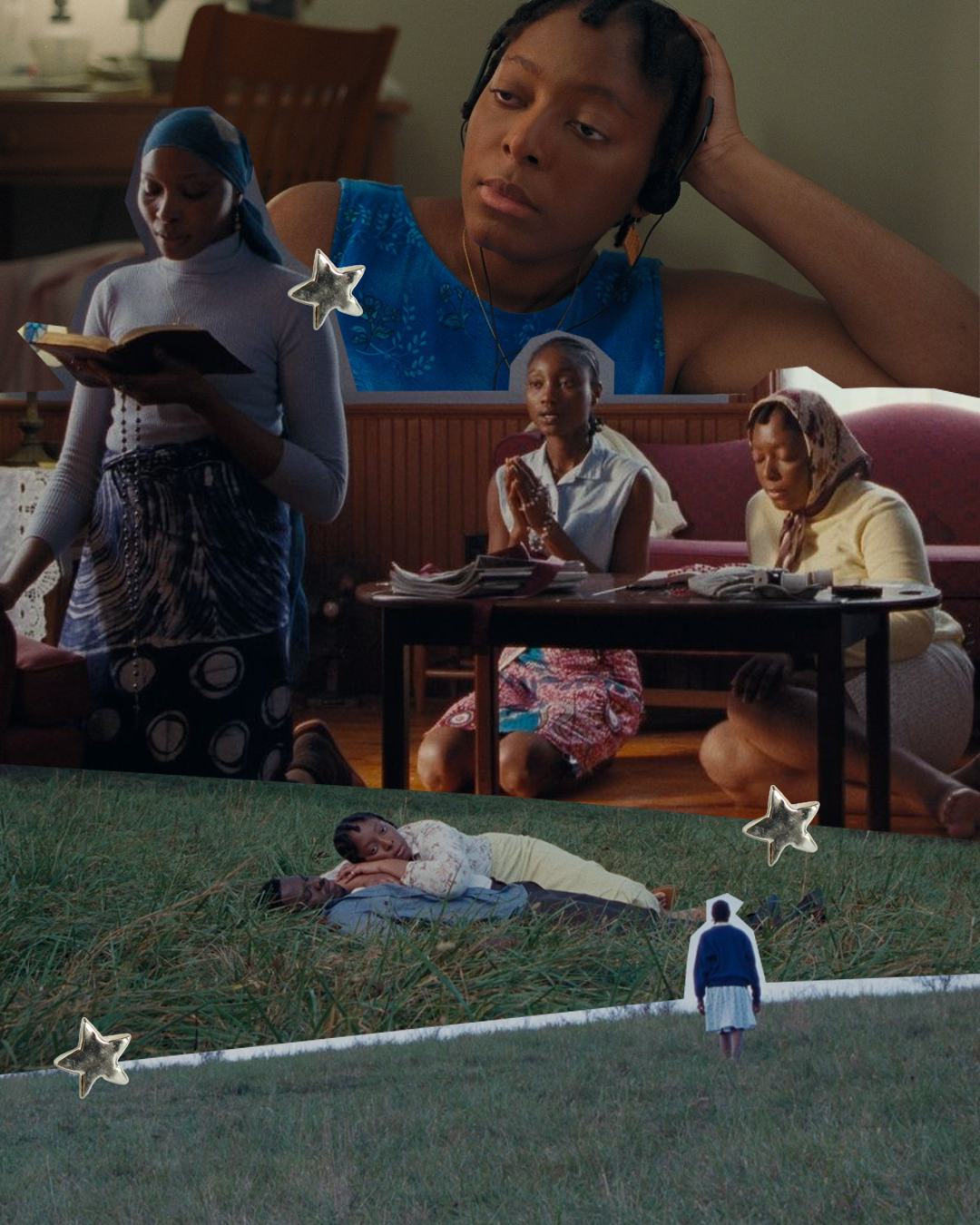
Birdie follows English and Bernadette’s close bond slowly fizzle out when Justus (Said Marshall), a young General who served in the war, arrives to briefly stay with the women, as the home they are staying in belongs to the Catholic church. Birdie’s attention is piqued, and her growing attraction gives her the chance to fantasize about leaving this place. The desire to push past the walls of a provisional home, into and past the hillside, was a powerful motif for Paige, though she originally imagined more water imagery than greenery when planning the script, “The script was much more based around rivers, because that's an image you see in Black stories really often, but the hills were a total surprise for me. At some point, I made a decision to be unabashed about it. My DP, Lydia, and I were thinking ‘How do we just let the story fly?’ How do we use landscape as a way to express the longing and the sense of expansiveness that Birdie and English can't experience themselves?” Paige continues, highlighting the final scene of the film, “When English is walking up that hill, that to me is the most visually emotional way that I can describe what borders have felt like to me my whole life. She's walking up that hill, and you can't see the end of it; it feels like it goes on forever. That's how I feel when thinking about the reality of being undocumented and living in the shadows and not being able to leave this country. The landscape had another story to tell that we just surrendered to.”
Paige’s inspirations for the film included Lucretia Martel’s La Cienega, thanks to her “surreal framing of teenage desire and confusion,” as well as the 1972 Indian film Maya Darpan, as it served as a reference for “how a character can interact with place. I am always really interested in domestic interiors.” Terrence Malick’s Days of Heaven also helped Paige have “more courage to allow the grandiosity of the landscape be a part of my story” without distracting from the intimacy of the family's interior life. The 1973 Senegalese film Touki Bouki also provided a timely example of “older teenage angst alongside post-war or post-colonial angst.”
Paige relied on music to aid in her portrayal of time, both historically but also the day-to-day, as the women in Birdie frequently sing the same hymnal, while the elusive Justus arrives with a cassette of Nigerian rock.“There's a big transition that happens from the post-independence optimism of the 60s to post-war 70s. So in the 60s, you have Highlife, which is more optimistic, and then, in the 70s, it's more of what we call Afro-Psychedelic rock. The women, they're hanging on to the last threads of this post-independence optimism, so I wanted to show the tug of war between those two attitudes, because those are two things that clash against each other in the film.”
Sundance’s acceptance of Birdie is incredibly meaningful to Paige, who recalls just how limiting it can be to make a short film, “It's usually on a shoestring budget that feels like your life savings, and everyone's like, ‘You want to make sure you can get into a festival, so don't do this and don't do that.’ So, taking some creative risks that I feel like we're not often afforded as short filmmakers– but also as women filmmakers, Black filmmakers, and just going for it and deciding that I wanted to tell the story that I wanted to see, it meant so much to me to have taken those risks and to be accepted into Sundance. I didn't have to compromise the type of story that I wanted to tell, and it was still embraced by one of the best film festivals in the world. In every step of the way, I've had to protect the story that was in my gut.”