
Gadget Girl: Sudan Archives on Playing Violin, Technological Liberation, and Collaboration
Words: Tracy Kawalik | Photographer: Anna Koblish | Makeup: Gabriella Mancha | Hair Assist: Gabriella Mancha | Styling: Tabitha Sanchez | Polyester Rep & Videographer: Camille Mariet
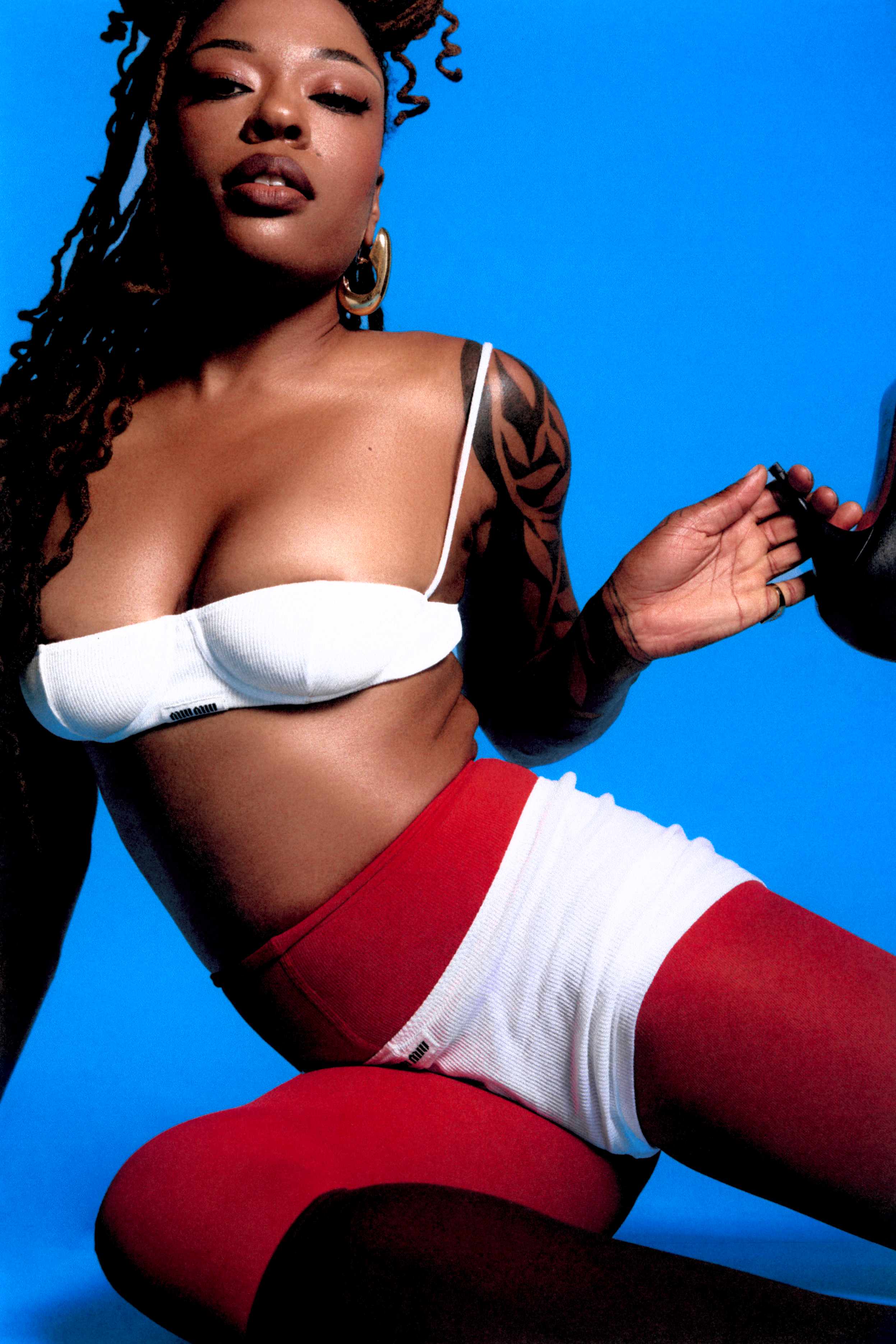
On stage, Sudan Archives is a priestess of strings – a digital deity with a punk attitude. She conjures her crowd into a hypnotic groove, radiating the ferocity of Grace Jones while playing electric violin with the funk-soaked swagger of Bootsy.
She swaps out a band for electronic gear, which she calls her ‘technology friends,’ then cuts shapes solo, with the electricity of Donna Summer, Debbie Harry or Tina. As a singer and songwriter, her pengame is deeply personal and charged, traversing with ease between bars and hooks, the exploration of Black identity and a sexually liberated lexicon.
In the studio, Sudan is a scrappy experimentalist, plugging into her toolkit of Roland SP-404 samplers and drum machines — the same ones that shaped ’80s Chicago house and ’90s Detroit techno — as easily as she reaches for her personal collection of rare violins, filtering in her love of Irish jigs and time clocked at underground raves.
“People say technology can be so inhibiting, but for me as a musician, it’s made me better — I’m free,” Sudan beams across the late-night glow of our Zoom call, flanked by a wall of fiddles in her LA basement studio. This evolution can be tracked across her releases. Her critically-hyped debut, Athena, was named after a Greek goddess; her second, Natural Brown Prom Queen, explored self-image and empowerment. And on her third, The BPM, she unveils her alter ego ‘Gadget Girl’ and delivers her grittiest, most confident body of music to date.
“Brittney Denise Parks, aka Sudan Archives, is a multi-talent, transcendent from other realms.”
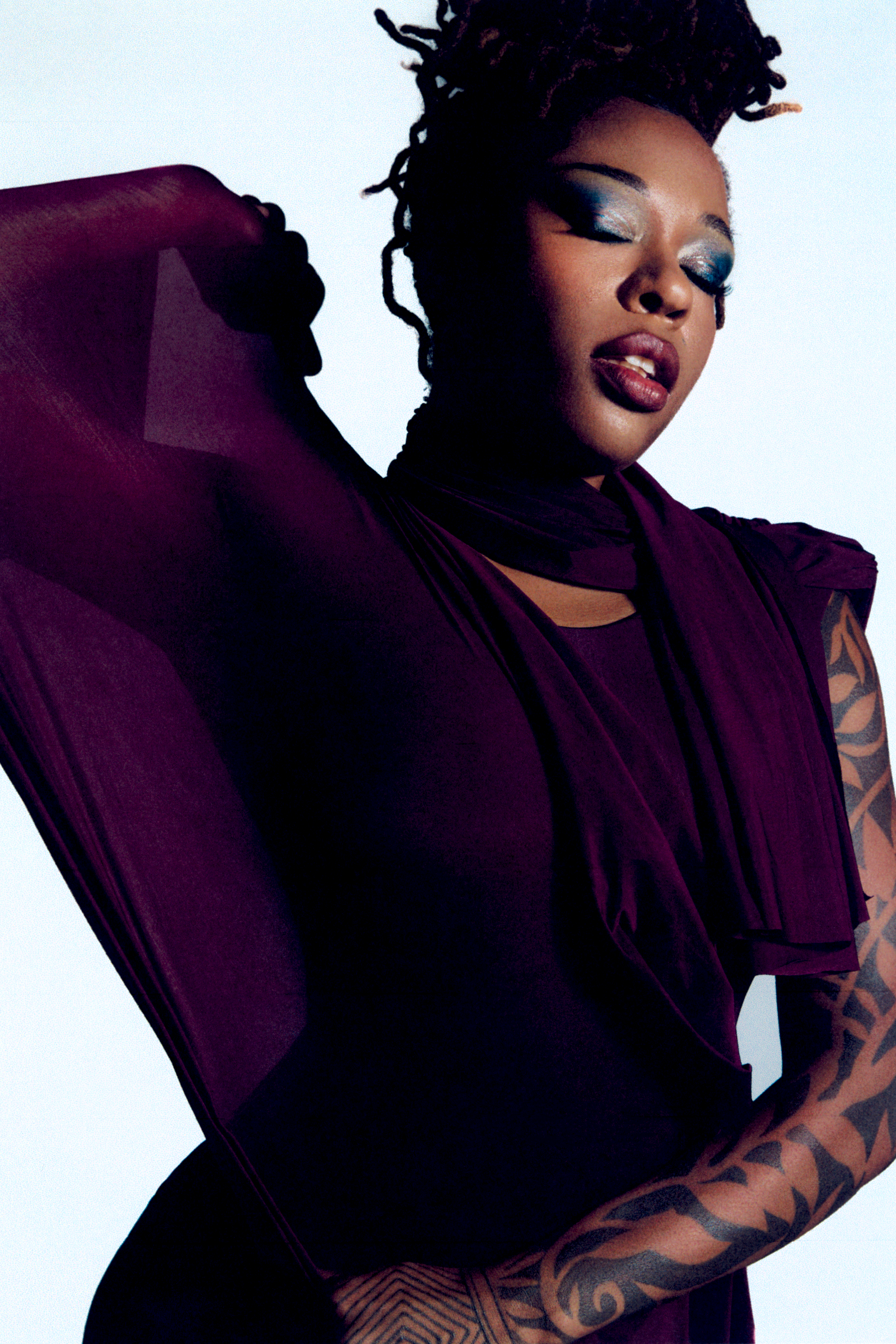
The BPM is a club-driven concept album stitched together by chemically waved 4 a.m. euphoria, sweat-dripping post-breakup bangers, and cracked braggadocio. Sudan Archives pours her heart out on the dancefloor, flexing the full dexterity of her craft while genre-bending to the max long after the lights come up.
Brittney Denise Parks, aka Sudan Archives, is a multi-talent, transcendent from other realms. She began playing the violin by ear in fourth grade, inspired by a floor-stomping Canadian band called Barrage. She began honing her skills through a prestigious “school orchestra” string program in Wyoming and in band at the seven different schools she attended after that, all while developing her style by playing violin three times a week at church.
“At 19, she left home for LA and split her time between raves and iconic experimental club night Low End Theory while studying Ethnomusicology at Pasadena City College, and making music on her iPad.”
At home, Sudan was raised on a diet of neo-soul thanks to her mother, yet follows after her father — a preacher with star quality who everyone thought would become a famous actor after his stint at LaFace Records. Her dad used his industry knowledge to encourage her to form a pop duo called N2 with her twin sister, Cat, but Sudan was already on a different path. “His approach felt old school and I was so gadget girl-driven and getting into experimental shows and stuff. It wasn't clicking with me the way he wanted to do it, I knew I wanted to be self-produced.”
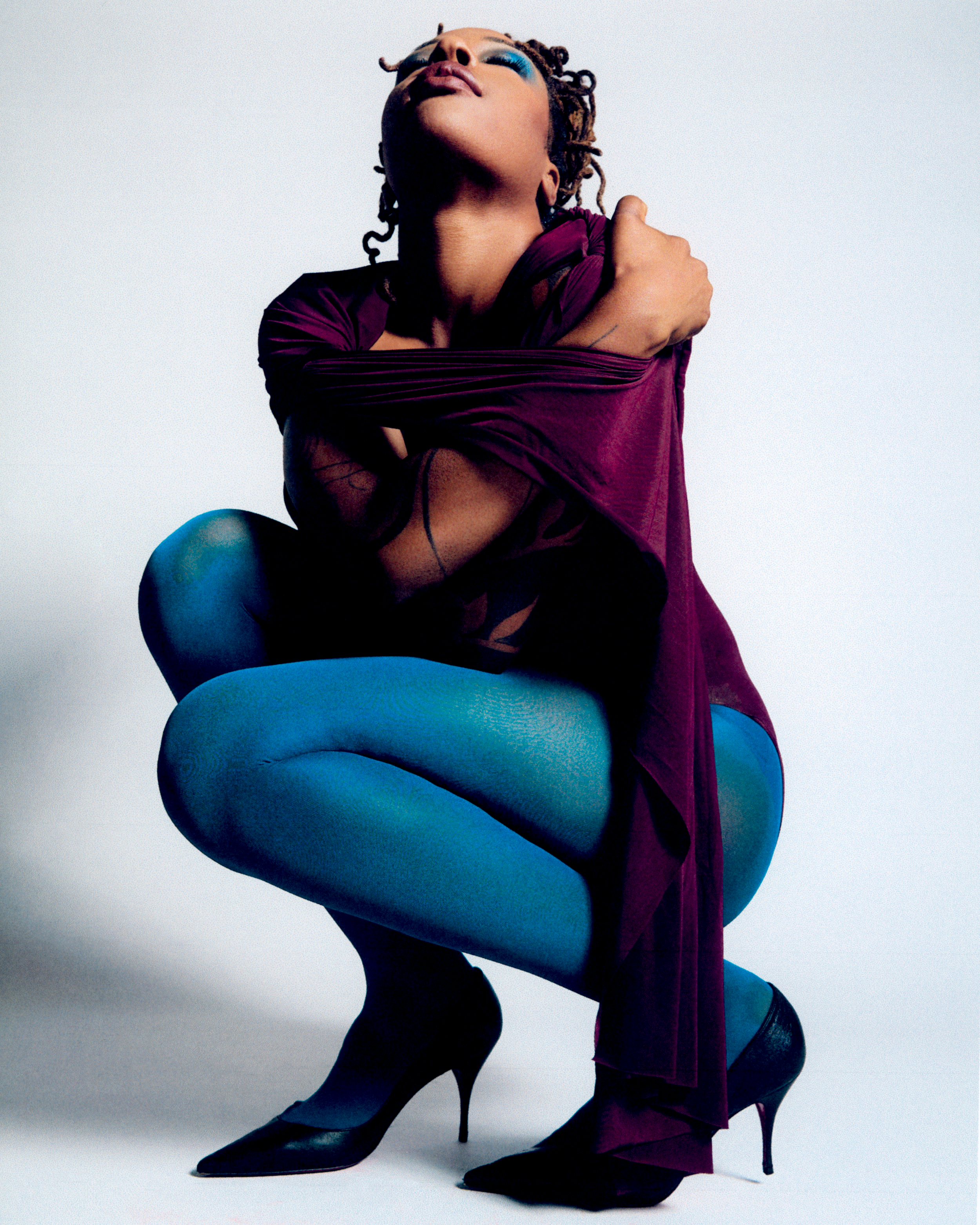
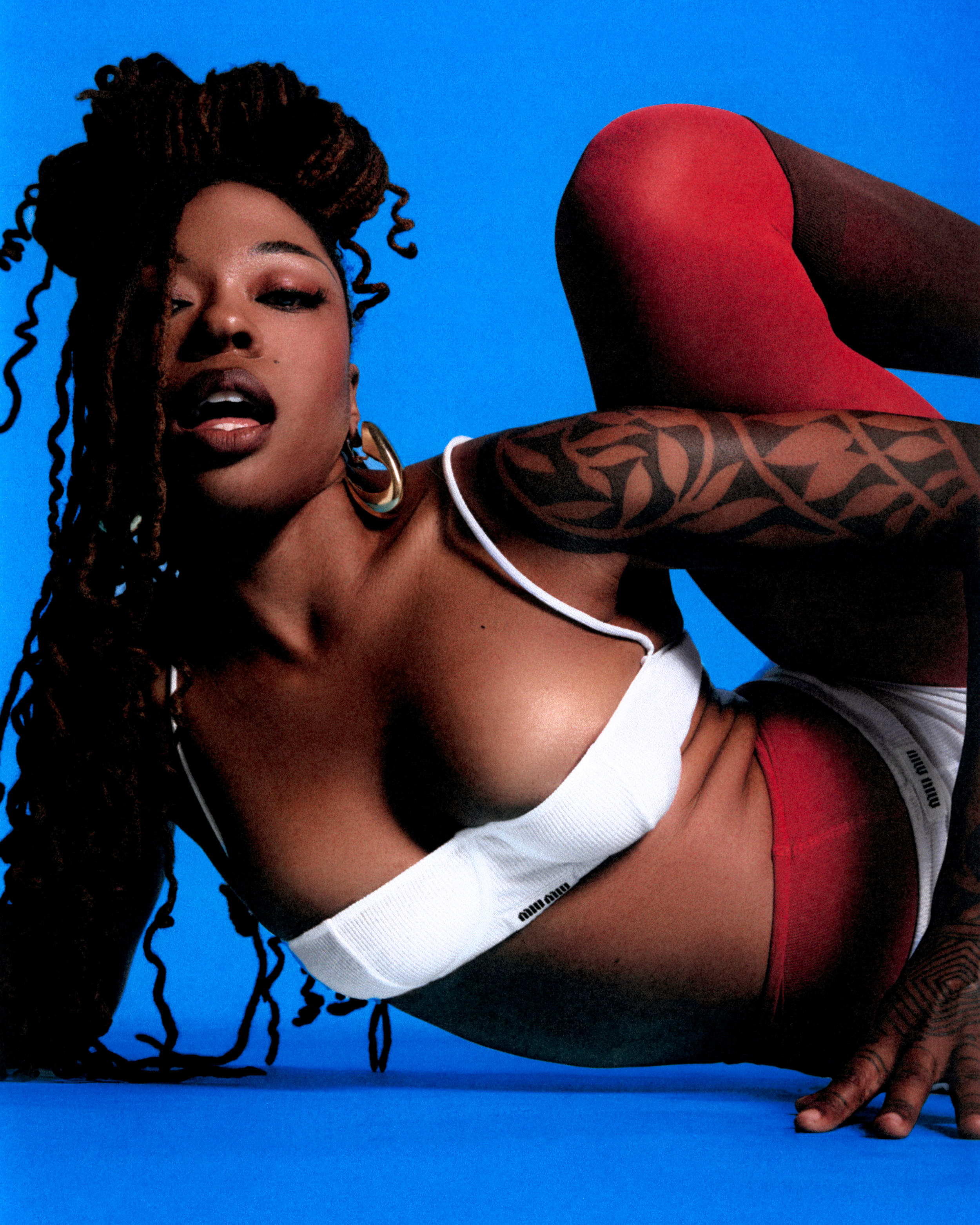
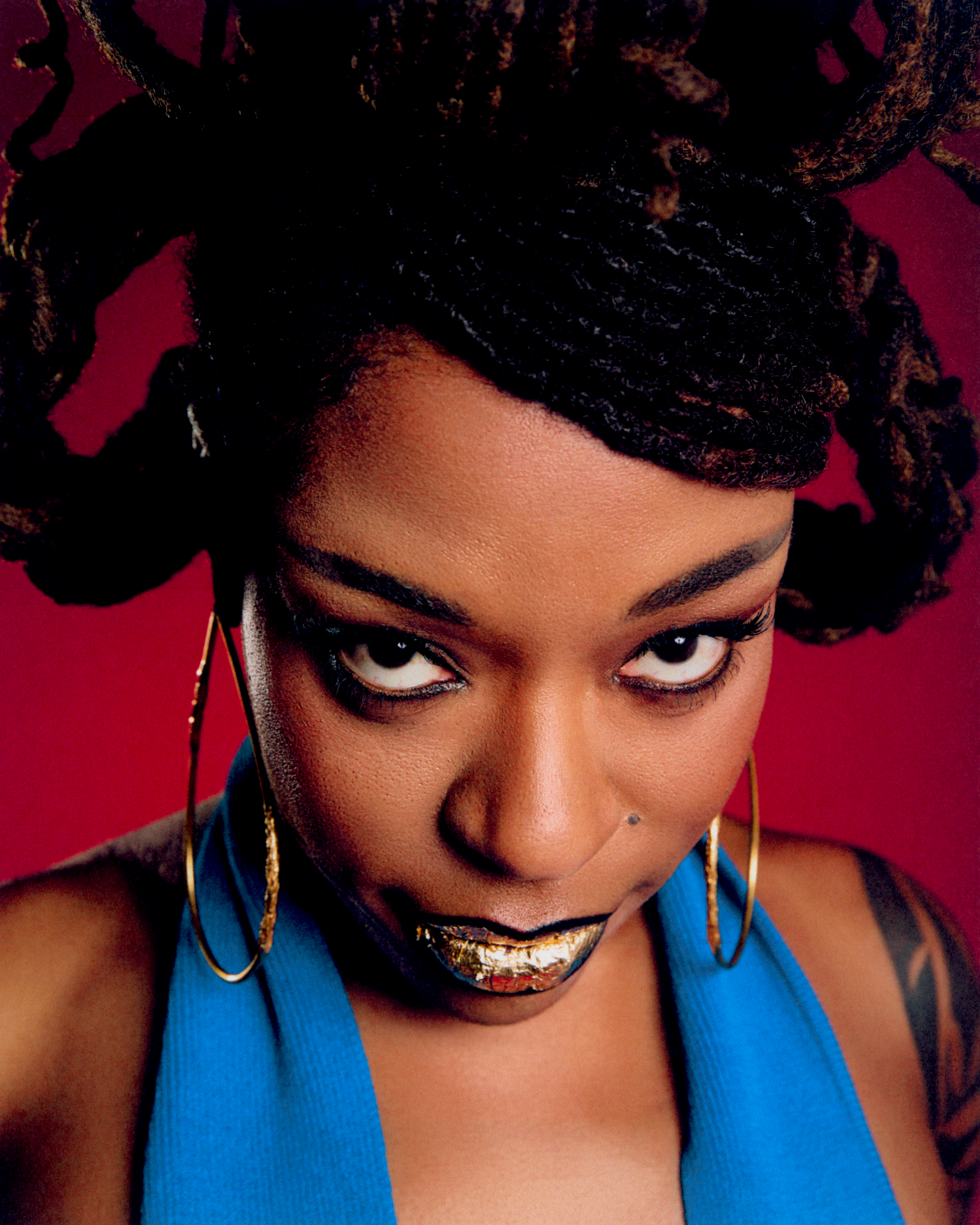
Her creative mindset and sonic aesthetic expanded when Sudan started hitting up ‘Synthesiser’, a left-field hip hop night in Cincinnati. At 19, she left home for LA and split her time between raves and iconic experimental club night Low End Theory while studying Ethnomusicology at Pasadena City College, and making music on her iPad.
“Mixing in these scenes and watching those artists, I realised I didn’t need a band. I could do this by myself.” She muses, “I bought my first electric violin, and I didn't really have much gear, but I remember connecting it to my iPad, using this little interface and starting to build ideas on top of each other with it.”
In class, Sudan discovered African violinists who looked like her and played it so wildly. “A lot of the like singer-songwriter music is very guitar, piano, forward. But when I started to explore West Africa and East Africa, I saw that there the violin culture was very prominent, singers often play it as the lead instrument,” Sudan explains. Her distinctive sonic aesthetic and approach caught the attention of Stones Throw Records, and she inked a deal.
Sudan dropped her self-titled debut EP in 2017, followed by the Sink EP in 2018. Its lead single ‘Not for Sale’ and then ‘Come Meh Way’ put Sudanese-style fiddling on the map. They blended with avant-garde R&B, a hip hop backbone, electronic elements and Irish jig and by 2019, her breakout LP Athena propelled Sudan on a trajectory toward global fame. Critics hailed the album as “some of the most viscerally gorgeous music put to record.”
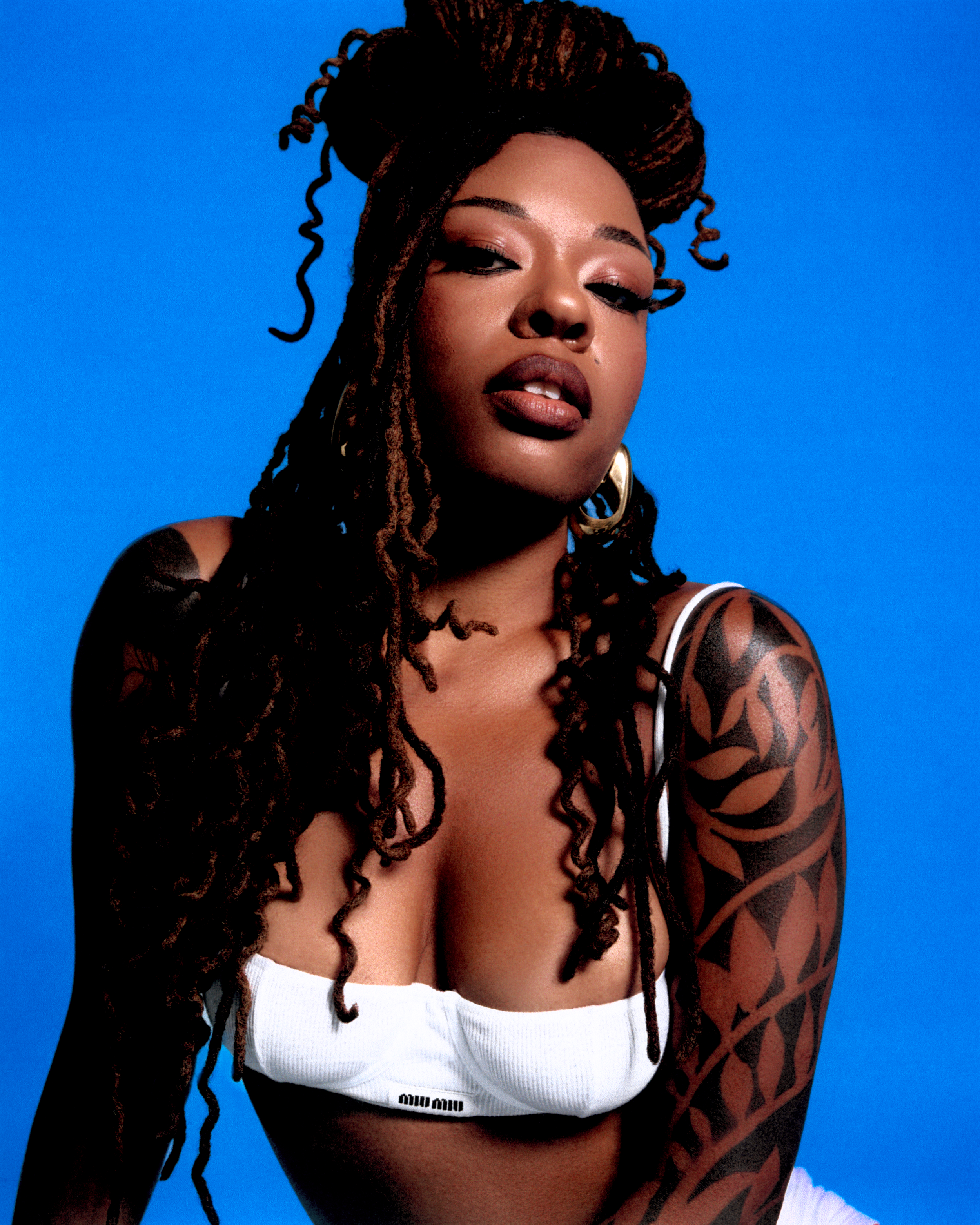
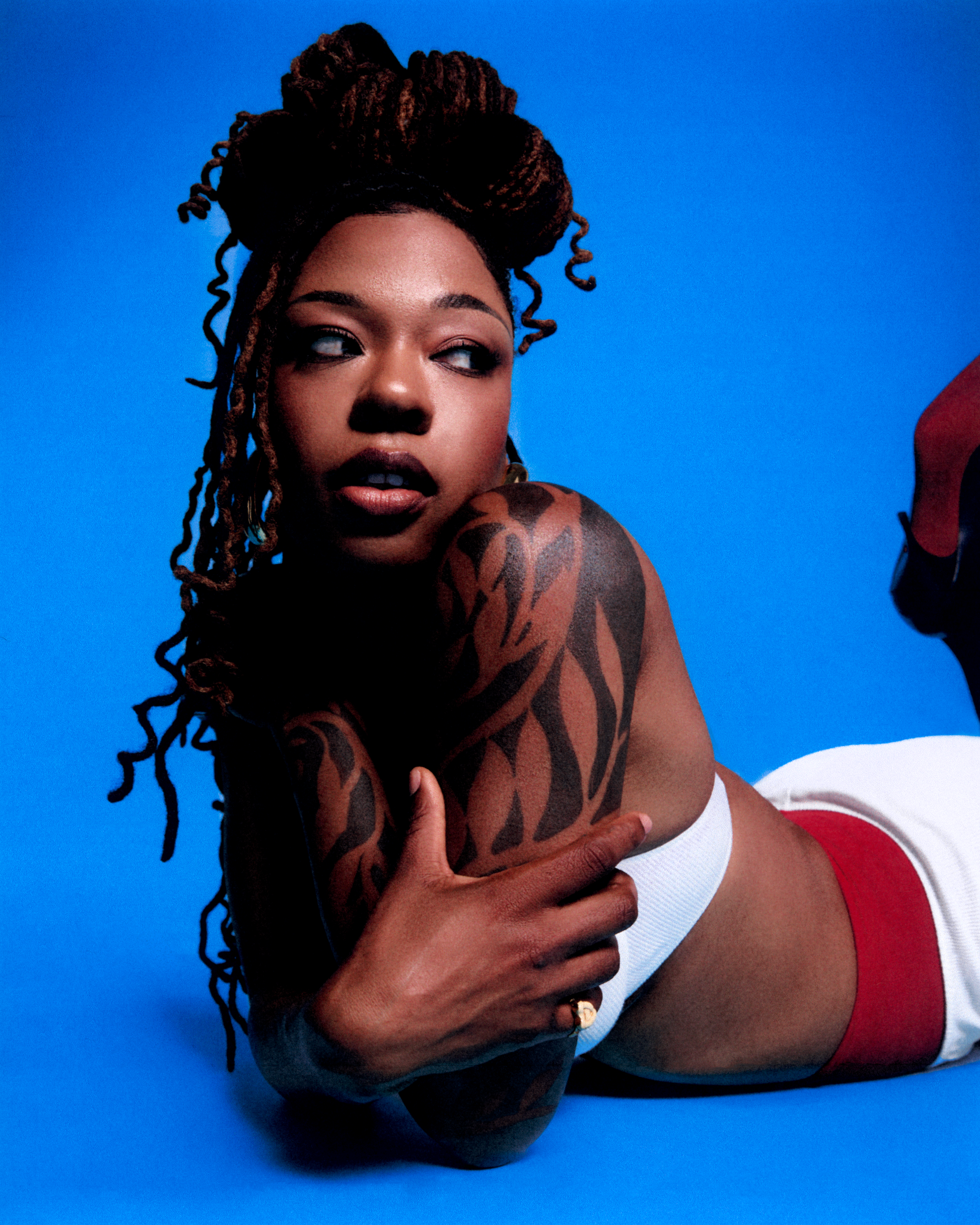
“I do so much on my own. I made my first EPs on my computer in my apartment.” She recalls. “My first two albums were kind of all me but now I’m always working with co-producers, and that’s probably the most collaborative I get when it comes to making music.”
In 2022, she released ‘Home Maker,’ the first single from her second studio album, Natural Brown Prom Queen — a plunge into divine Black femininity, which brought gigs worldwide, at SXSW, London’s legendary Electric Ballroom, and Primavera Sound, to name a few highlights.
And now, Sudan's propensity for club culture, dance-driven sounds and warping boundaries has led to BPM becoming her most technologically ambitious and authentic sonic offering. BPM was recorded in Sudan’s Los Angeles studio, Detroit, and Chicago where her family is rooted, embracing the rich club sounds shaped by those cities like house and electro with influences from Jersey club and experimental beat work.
For the project, Sudan stepped into the role of executive producer, working exclusively with family and her close inner circle such as her twin sister, her cousin and best friends from the Midwest. She used Chicago-based Black chamber music collective D-Composed for anthemic string sections and longtime collaborators to achieve the final production.
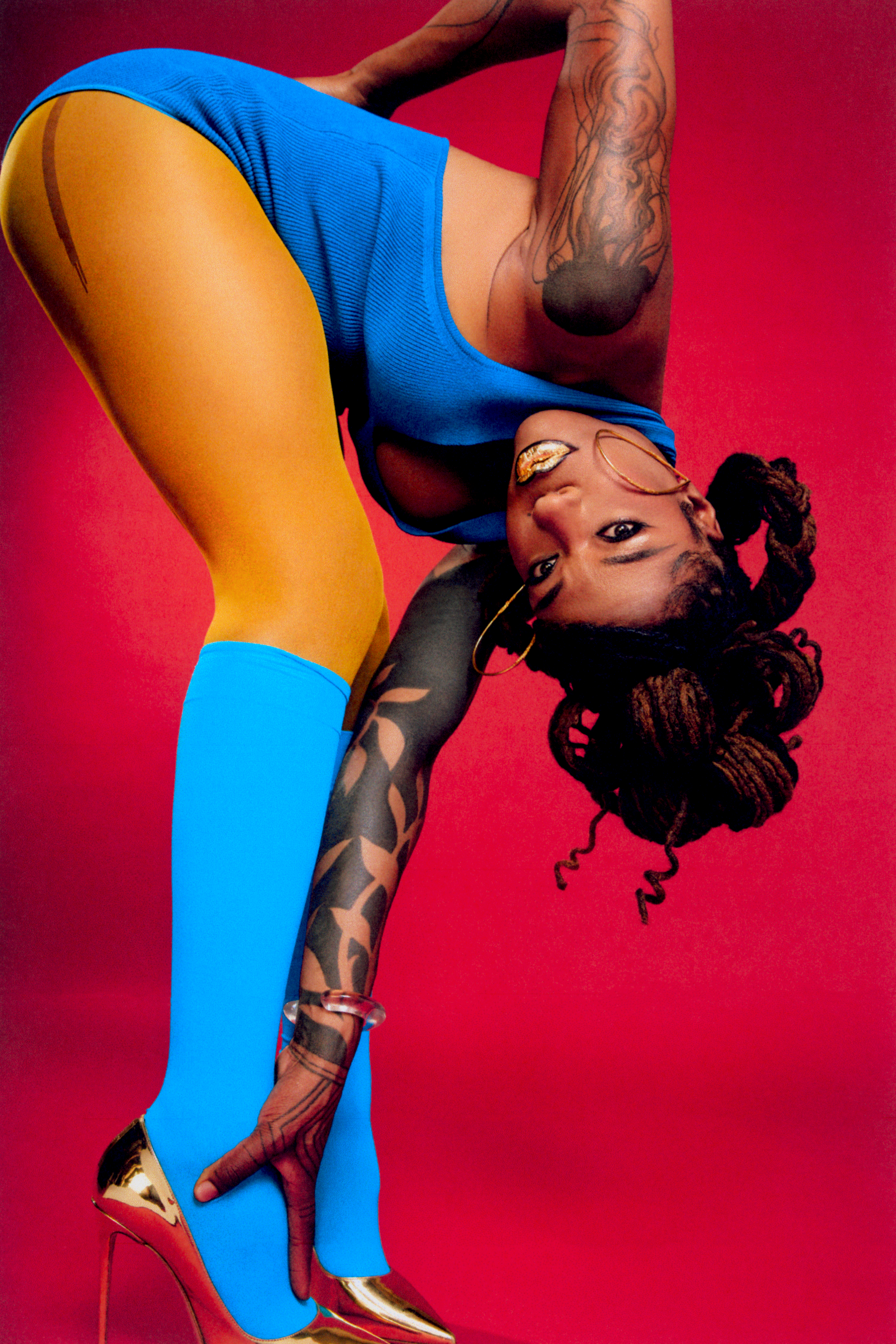
“I do so much on my own. I made my first EPs on my computer in my apartment.” She recalls. “My first two albums were kind of all me but now I’m always working with co-producers, and that’s probably the most collaborative I get when it comes to making music.”
She’s quick to add: “I like creating with other people that way — bringing everyone’s ideas together, delegating, making sure the violins are incorporated in a unique way, curating the big picture.”
Sudan, therefore, has found her rhythm and is exalting the tools that first gave her a voice. When we speak, she’s deep in the album rollout, hitting the stage weekly on a packed tour schedule, and gearing up for a London headline show at The Roundhouse on December 3rd, while ‘Dead’ from The BPM soundtracked a Chanel Couture catwalk and the record climbs up end-of-year lists.
Before we part ways, I ask her to guide me through what drives her passion for making music. She electrifies: “Violins and strings. I’m really into this. Like, aside from making music and making it a thing, strings make me want to keep going — because I want to buy more strings. My favourite is the one behind me, it’s a Goje from Ghana which influenced the sound on my first album. I’m buying this one-string instrument from India right now. All the fiddles I have are from different places all over the world. They’re from the Stone Age. They’re ancestor violins. They hold spirits.”