
Going West: Civilisation, Savagery and the Myth of The Frontier in Euphoria
Words: Catalina Escardó
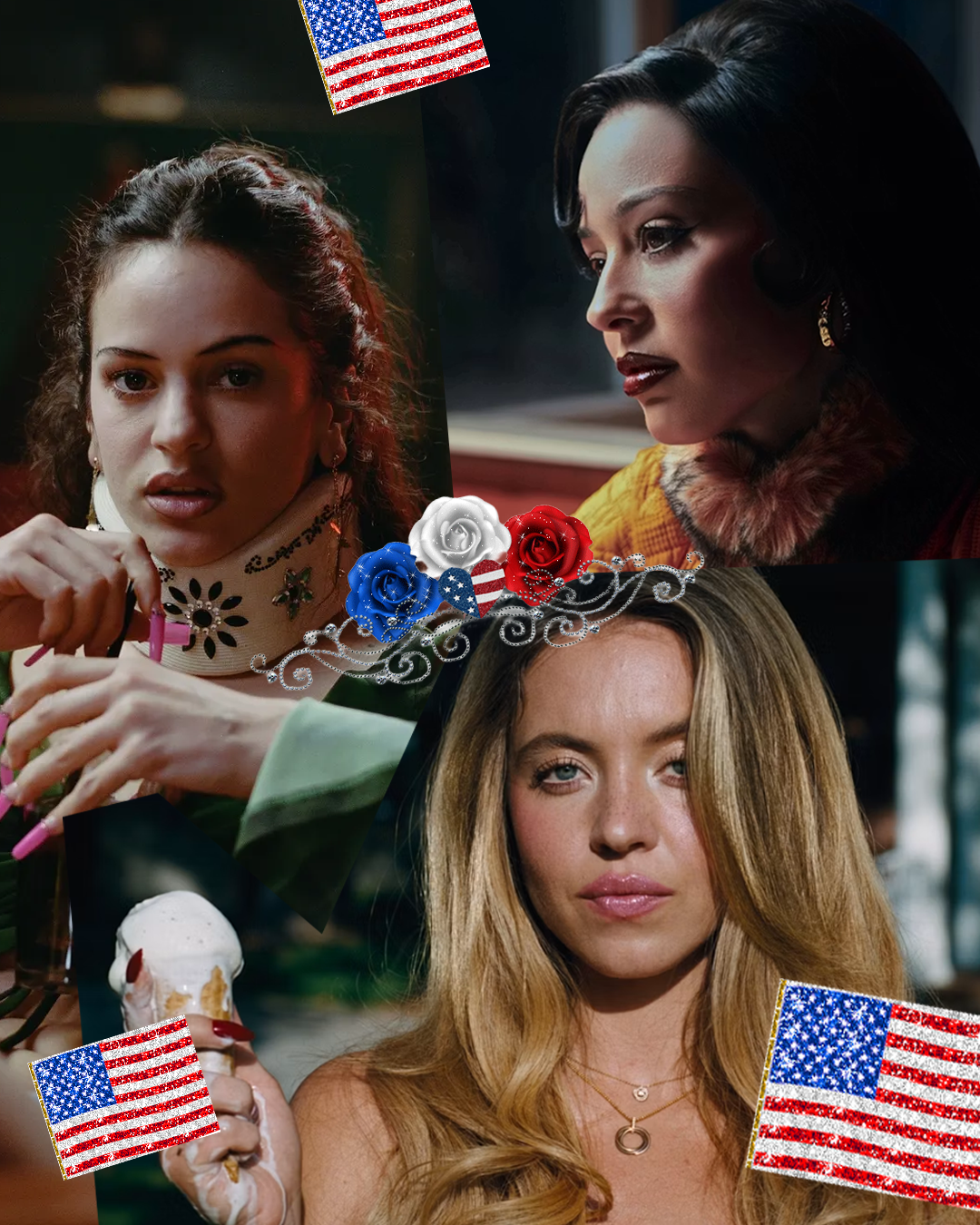
A lone ranger makes their way across a nondescript desert. Their figure is ragged and weary, reminiscent of John Wayne’s Ringo Kid in Stagecoach. The ranger finds shelter in a stable and sleeps in a bed made of straw, in a distinctly Shane-like fashion. A little girl in pigtails and boots offers them fresh milk for breakfast. A few scenes later, in a shot that looks straight out of a late John Ford movie, the family bids the stranger goodbye at the door and sends her off to fight the evil forces that have been lurking at the border. The beautiful young daughter watches the hero disappear into the distance, with the vague promise that they will come back someday. She looks just like the woman Wyatt Earp leaves behind at the end of My Darling Clementine. And the stranger is none other than Rue Bennet, heartbroken teenage addict now turned wandering cowboy.
In its third and final season, Euphoria raids the imagery of the Western only to strip it of its frontier myth: this is not a story about the rise of civilisation but about its unravelling.
The main characteristic of Western stories is that they are set on the frontier, which symbolises the clash between civilisation and “savagery.” In their classic pattern of action, a hero with a tragic and often morally ambiguous past arrives at a community, faces evil, and destroys it through a reluctant but necessary use of violence. In the end, blood has been shed, and though it weighs on the hero’s heart, it is a low price to pay for the peace and prosperity of the blooming nation, and their personal redemption. For many decades, the Western was considered the truest expression of American faith. Sagebrush and railroad tracks meant that a good life was still imaginable, that the world just might make itself right again, that the damned just might be saved, that everyone just might find their place under the turquoise sky. But Euphoria reimagines the West in a Post-Covid, neoliberal society in which hopes of a meaningful life and community bonds have been long buried.
___STEADY_PAYWALL___
“What Euphoria offers is a Western with nothing left to conquer, staging collapse instead of conquest.”
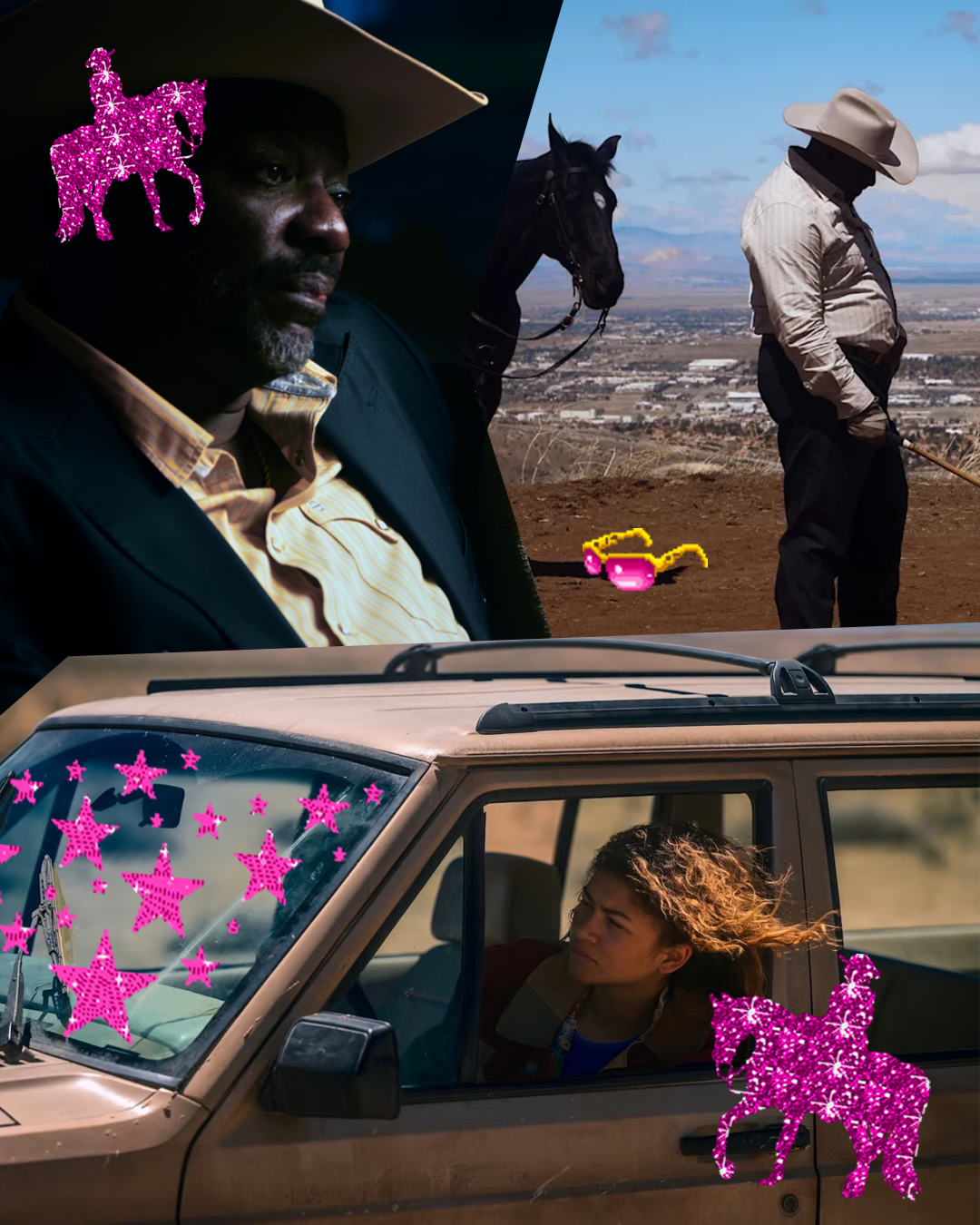
“This is a weird place,” Angel says, looking out at the desert through the car window while Rue drives her, unknowingly, to her death. “You know people go missing here more than any place in America. It’s like there’s a big magnet under the soil. Attracting evil.”
Earlier in that episode, Rue explains that during the pandemic, young people went West “in pursuit of freedom, fame and fortune.” As she says this, we see a young woman leaving home to film TikTok videos that quickly develop into adult content. The irony in this montage is as strong as the irony in the line of dialogue that gives this episode its name: America, my dream. In Euphoria, going West is no longer a promise but a warning.
Money is the last remaining logic, women’s bodies are flattened into currency, violence stops being an interruption and becomes the default mode of relation. We can’t always keep track of how and why the wedding night turns into a bloodshed, the lap dance into an assault, the affair into a murder. But they do, and nobody seems to dwell too much on these horrific events. There is an underlying feeling that it just wouldn’t make much sense. It is a prerogative of the Western that the spectator can always tell heroes from villains. Here, the looking glass has turned opaque. Though they may vary in their power and consciousness while hurting others, every character feels evil, in the sense that they are all selfish, detached and desperate.
Promises of equality and freedom have morphed into the democratisation of cruelty. The constraints of gender and race have definitely been blurred, but only in the darkest way: anyone can become a mob boss or a modern-day madam, everyone can exploit each other and themselves if they are willing to seize the opportunity.
“I’m a motherfucking cowboy”, Bishop says, after asserting that the Western is not about black and white, but about civilised men against savages. What he fails to understand is that there are no cowboys, because civilization can no longer tell itself apart from savagery.
Rue undergoes the classic initiation into the world of men and violence, but unlike the old western heroes, there is no corresponding promise of salvation. Against the iconography of the West, her long-standing obsession with forgiveness and purpose becomes more desperate and futile than ever. Like most cowboys, she has a sad gaze and tragic past, but an even more tragic ending. She is the patron saint of a generation that was never given the tools to handle the poison they were dealt. She faces evil, even defies it, to some extent. And then she dies, alone and quietly, on someone else’s couch.
However, during the second half of the episode, Levinson falls victim to the American inside him by turning Ali into an avenging hero who slays the villain and then finds refuge in a peaceful community. But as viewers, we have already seen through the facade. We can no longer believe in a heroic individual repairing the fabric of society.
The very last scene (a flag flailing in the wind, while Rue wishes for God to bless us all) is a cruel, heart-wrenching joke. Euphoria's final gesture is not to rewrite American mythology but to wander through its ruins. Promises fade into its own sunsets and old westerns play on old TVs, like ghosts in the background. Frontier-scene murals, cowboy toys and lunchboxes and faded horses in a kid's bedsheets survive only as echoes of a time when they used to hold meaning, when one could tell right from wrong in a story. America’s distinctive features are no longer blue skies and masses of land. They are fentanyl and OnlyFans.
What Euphoria offers is a Western with nothing left to conquer, staging collapse instead of conquest. It is a ballad of national exhaustion, where the frontier no longer represents the future but the absence of one. There is no good, and evil does not seem destroyable. There are no myths, no heroes, no youth, no God. A faded stallion on a strip club's toilet stall tile and a girl, somewhere in Texas, searching the horizon for a lone ranger that will never come back. That is all America has left to show for its dream