
Helena Gao’s Guide to Connecting to the Motherland: China Edition
Words: Jenn Lehwald | Guide: Helena Gao
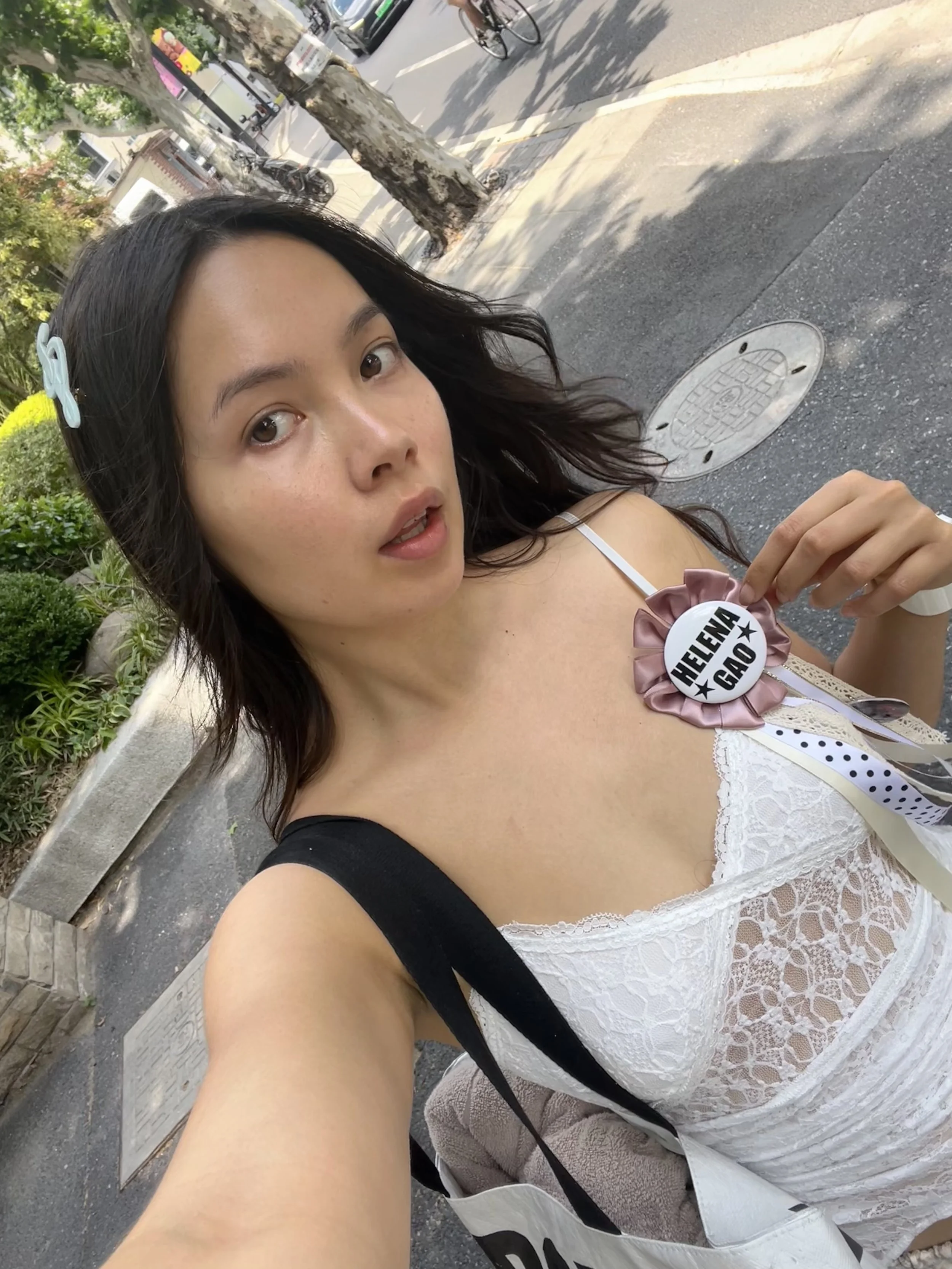
For songwriter and musician Helena Gao (you might know her work from a little track called “Midnight Sun…”), reconnecting with China has been a process of understanding something she spent much of her childhood trying to reject. Growing up in Denmark with a Chinese mother, Gao remembers feeling like the cultural differences between her home life and the world around her were something she wanted to escape.
As she got older, that began to change. After moving to Copenhagen and meeting other people who were interested in their Asian heritage, Gao became curious about the parts of China she had never experienced for herself. She had been going to Shanghai since she was a child, but now she wanted to see the country on her own terms.
Post-COVID, she began spending longer periods in Shanghai, going to clubs alone, making music, meeting people and learning to navigate the city on her own. “It had to be lived for it to be real,” she says.
For Gao, connecting with the motherland isn’t about claiming an experience she didn’t have. “Obviously, I didn’t grow up with it,” she says. “There’s a lot of things, for good and bad, that I cannot claim.” Instead, it’s about spending time in a place, engaging with its people and allowing yourself to discover a relationship with it on your own terms. Here, Gao shares her guide to doing exactly that.
Find a Bilingual Friend
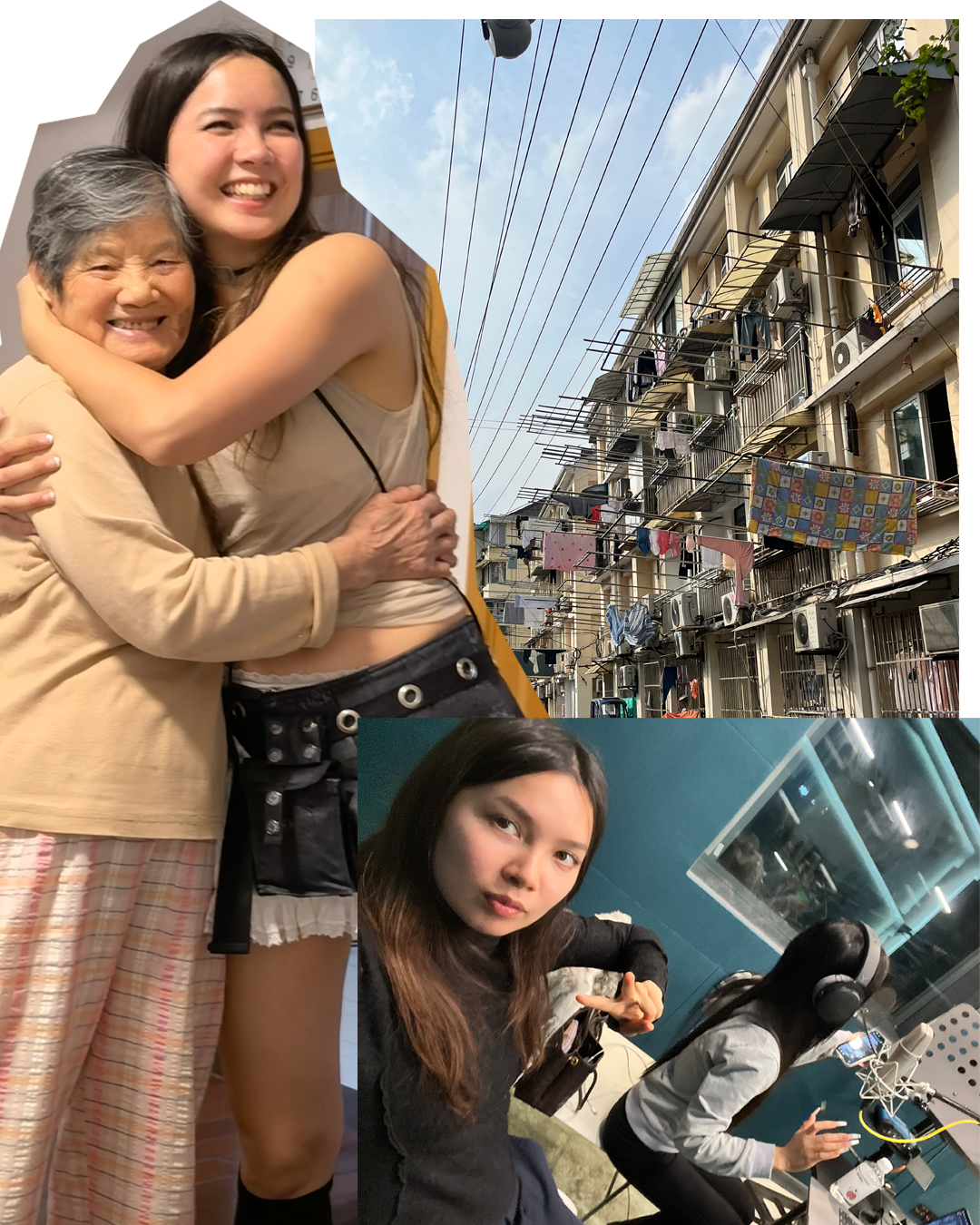
I ended up living with a roommate, and she’s Chinese. She could speak English, but it would have been really hard. Basically: get a bilingual roommate.
She ended up being able to introduce me to all these people who were only speaking Chinese, and even though my Chinese was especially bad when I first moved, she was able to bridge that gap.
The majority of her friends were Chinese and my age, and they weren’t these foreign club owners or people who were teaching. They were fully local people who were immersed in those communities, and it was nice to attach yourself to that. It kind of unlocks these communities that I feel like a lot of people, if you don’t speak Chinese or you only hang out with people who don’t speak Chinese, you just don’t get access to. Language really unlocks things.
Get on a Bike
I love using a bike. I think that’s a good tip for anyone going to China: use the bikes. It’s so fun to bike around the city.
I think that goes for everywhere in the world, actually, because when you bike or walk, you experience your environment in a different way than when you’re in a car. You also experience the things in between.
There’s something about Shanghai, which is the city I know most about. I think it’s actually like a five-mile radius of culture and where most of the cafes and most of the city life is situated. So you can basically bike around and see it all. You can see all the in-between spots where maybe, oh, there’s a cute little isolated bar right here, and then you can just spontaneously go in there. I just think it’s such a fun way to explore.
Get on Red Note and Douyin
I know social media is a bit hit and miss, but I do think that it’s a fun way to see what people are actually doing.
If you’re really curious, I do think you need to get out to China. But obviously, it’s not everyone who has the privilege, the time and the money. I think if you want to engage with what’s actually going on — the curiosity and the humour — a lot of Chinese youth culture is so diverse and dynamic and fun and pretty. It’s really absurd in this wild way.
I think if you want to engage with Red Note, it’s just a great medium because you can translate everything in the app. So even if you can’t read Chinese, you can still translate everything, and it’s really easy to use. You can comment on it, and people are very responsive in the comment section.
A lot of people ask questions. They’re like, “Hey guys in China, what do you think about blah blah blah?” So I think it’s just engaging with the online community.The internet can be for everyone — it’s actually a way to find communities.
People don’t really care. People are really extroverted in a way in these conversations.
If you have any questions, just ask them. Just participate. It’s fine. It’s fun.
Go to the underground clubs
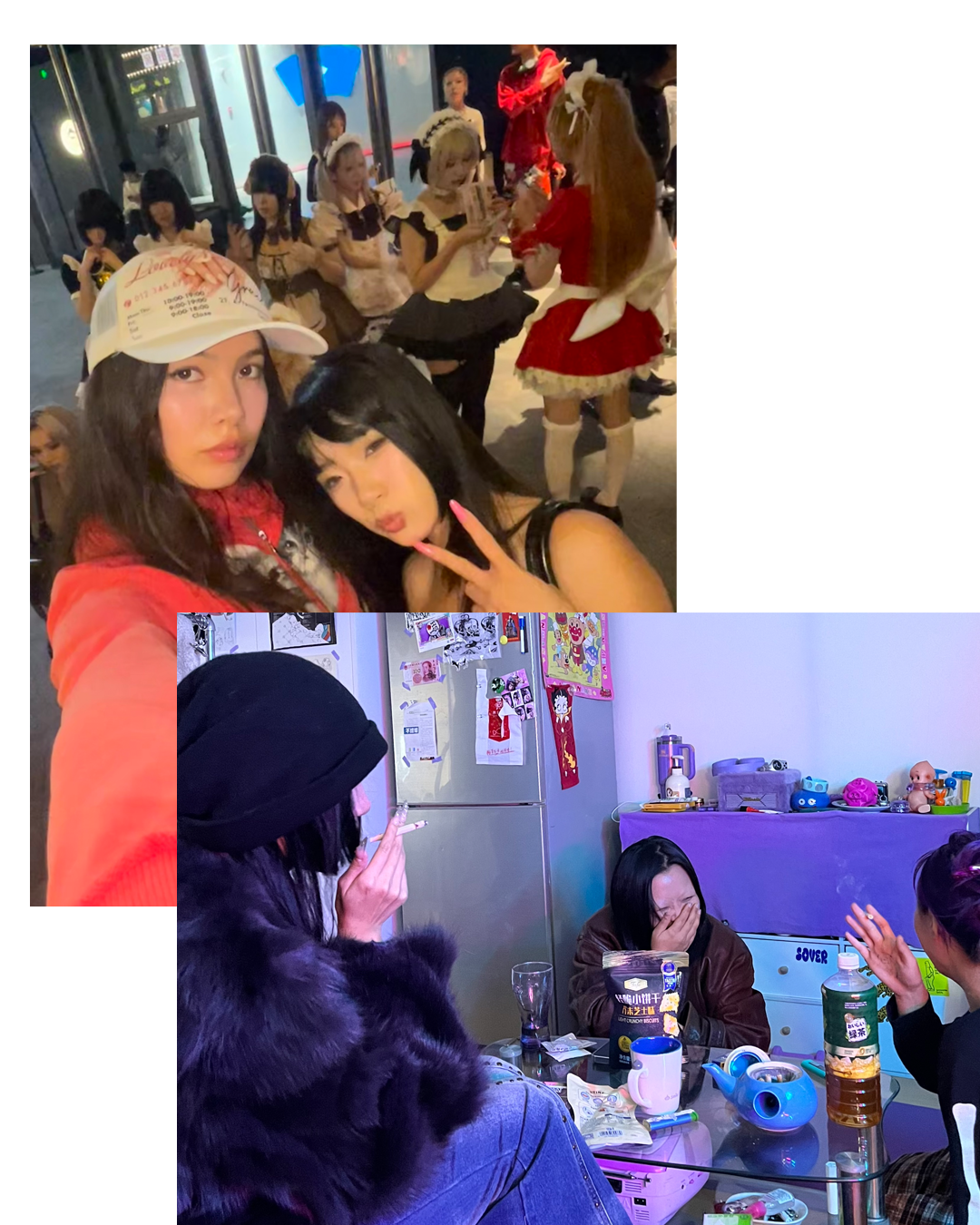
When I went to China on my own, I remember going to the club alone for the first time. I just started chatting up people. My Chinese was so bad. I’d be like, “Hey, I like your hair,” and then we would try and make conversation from that.
But just that one night, I kept falling into more and more conversations with people, and I felt like the scene was very open to people who were interested in it. That made me just want to go back and explore more.
The people are also very generous with their connections, so it’s very easy to go have lunch with this DJ or this person who was making stuff happen in the clubs.
I’ve mostly been to the underground clubs because I know there are also mainstream clubs that definitely have more of an audience. But to me, a mainstream club everywhere just kind of has the same purpose. It’s like you have to get super drunk, and then you have to go pick up boys and girls and whatever. It has that feel, which I’m not a huge fan of.
When you’re in a society where there are a lot of rules, I do think it’s a way to express yourself through interests, through how you dress or what things you get into. It’s a very peaceful way to also express your individuality, and I think people really use that.
When people are out and they want to hear a DJ play, or someone’s coming out from abroad, people are excited about that. People actually really listen.
I’ve just had some very magical nights where I think it’s overall just centred around the same thing, and we’re trying to listen to what this DJ is playing. There’s just this sense of, we’re really trying to connect over this thing that we’re presented with.
People dress up. They express themselves. I enjoy the aesthetics of that.
Embrace the Curiosity!
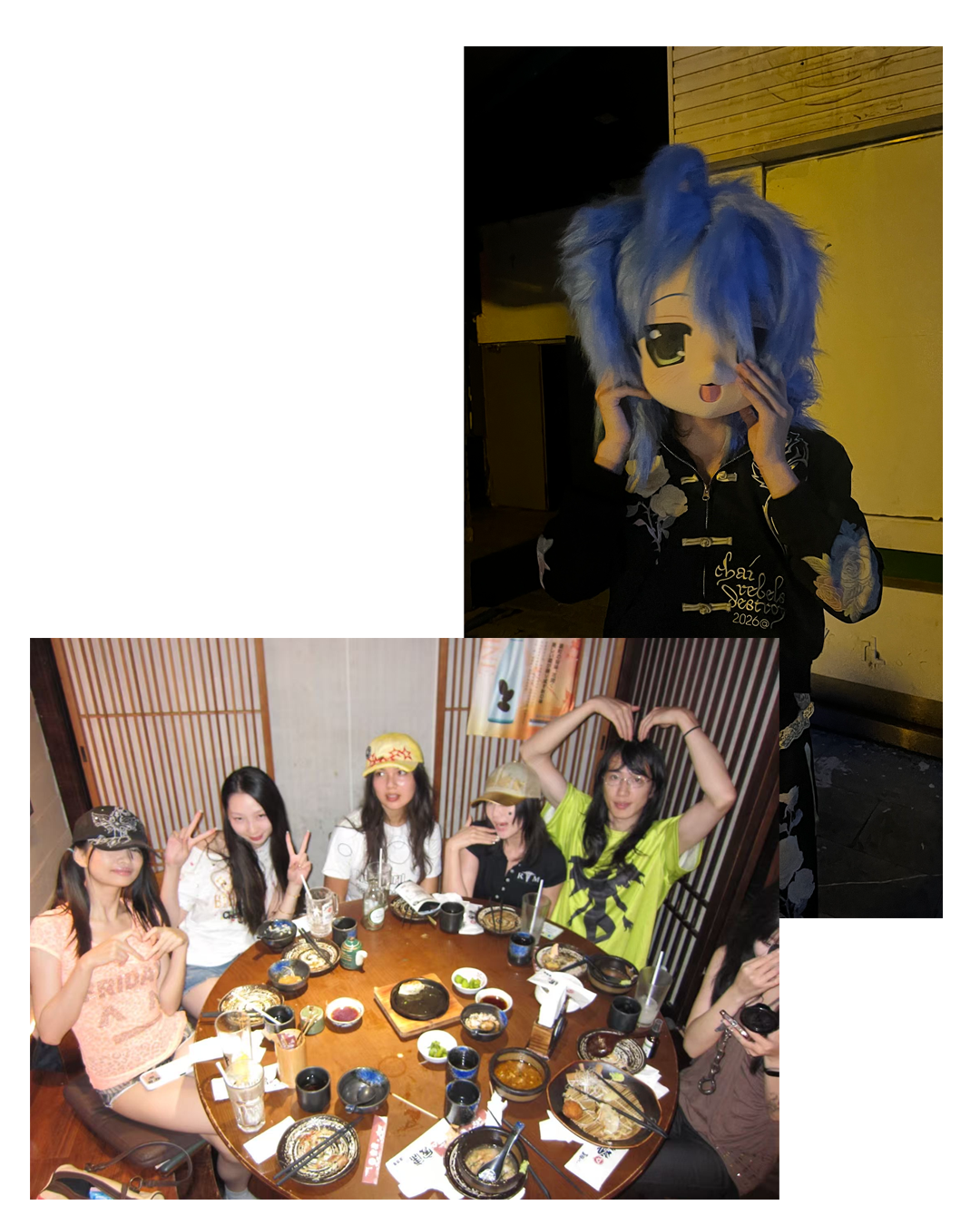
I think it’s just being there, because I think Chinese people are very curious. I’m not going to say that’s how all Chinese people are, but I do think, generally in the culture, it’s quite open towards people coming in if they show curiosity.
I just feel like in China they’re really curious about people coming in, and they’re very excited to learn. Maybe it’s not because of anything other than the fact that they love learning.
I think that’s just a curious nature to a lot of people. It’s just show up and kind of embrace the curiosity, but also just embrace what you think is different, and then find out that it’s not as different as you thought.
If you stay in a comfort zone, for example, of expat communities, I do think it’s branching out and actually engaging with your environment. It’s just a way to get that back.
It’s obviously just spending time in a place. But also, if you just want to connect as people, I think our experiences, especially in this very technological, globalised world, are becoming more and more similar.
For me, it took a while. I had to go to China first for it to actually make sense for me to make music in Chinese. I started going to China really often for a year, and then I started making the music.
It had to be lived for it to be real.