How 2025 Killed Body Positivity
Words: Haaniyah Awale Angus
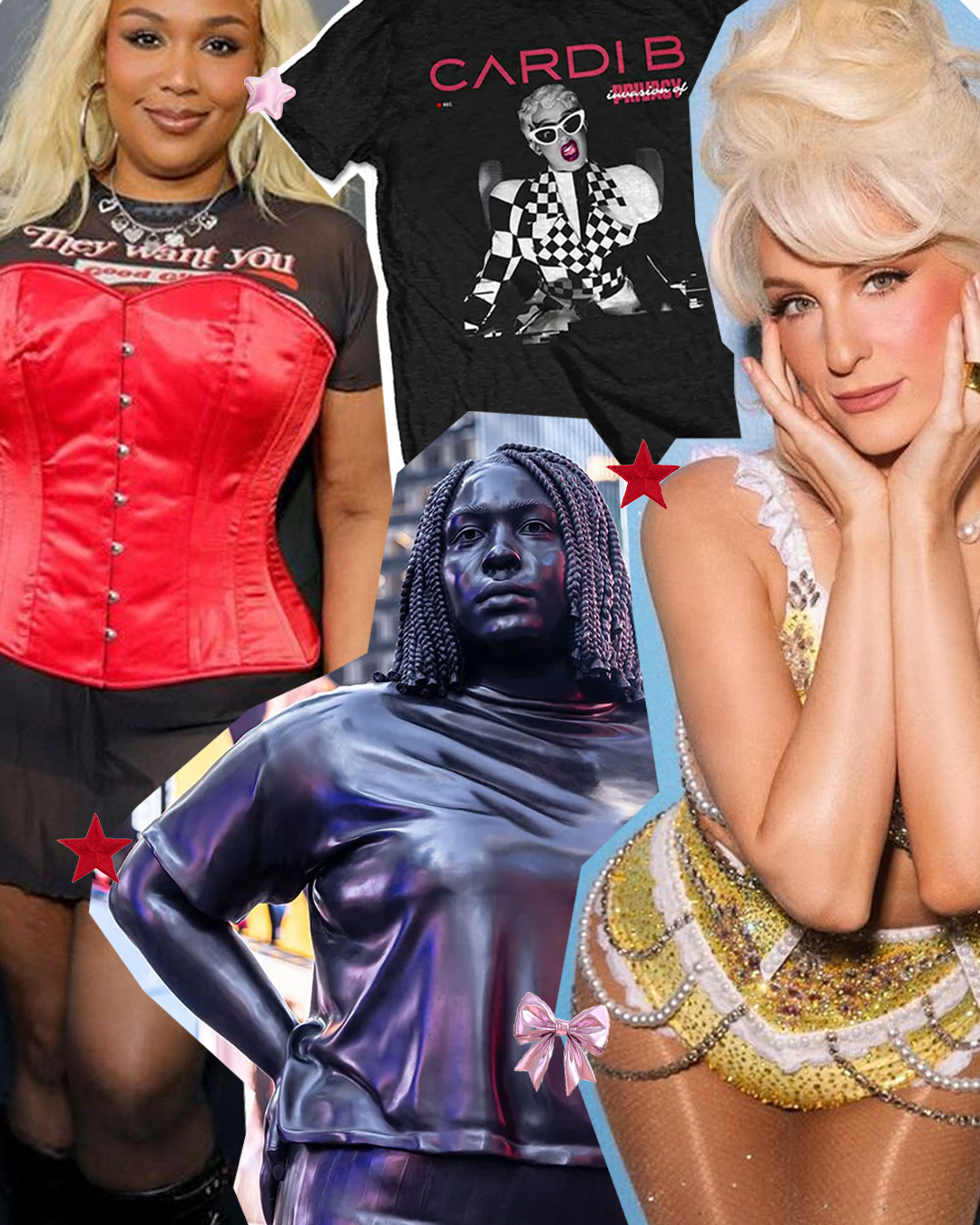
In June of 2025, 22-year-old model and content creator Ziora took to X like any other day. Amidst her scrolling, she saw photos featuring a statue that had been erected in Times Square looking exactly like her. It was a mid-sized Black woman in clothes similar to those in her modelling digitals, with a seemingly bare face. Ziora did what she usually does: make a joking tweet about how the statue copied her likeness and went about her day, thinking that any reactions to her post would come from a few of her mutuals laughing along. What she found instead was a wave of hate directed at her, belittling not only her body but also accusing her of being an unflattering representation for Black women as a whole. Ziora was taken aback, not just by the vitriol thrown at her, but also by the sheer number of people the tweet had angered. It escaped her Twitter community and, as people like to say, breached containment into the wider timeline.
“It was very scary, the part of the internet I’m on, I’ve constantly been targeted by people like this,” says Ziora. “They were harassing me, using the term Mammy and all kinds of derogatory anti-black, specifically anti black woman rhetoric.”
Two months later, rap and fashion mogul Cardi B sold out the 3x sizing of her merch in 20 minutes. Her response was not one of praise for her fans for their support, but that the fat fucks (her words) who bought her clothing should refrain from eating fast food. Her comments garnered a response from size-inclusivity activist Samayra, stating that Cardi B ought to be more careful with her influence. In what might seem like a regular back-and-forth of celebrity faux pas that ends with a celebrity prostrating in apology for their mistake, I quickly realised that we aren’t in 2018 anymore. This is 2025, and cruelty is the name of the game. Following this, Samayra was faced with an onslaught of harassment, telling her to lose weight and that her work of calling out stores for their lack of sizing was unnecessary because they don’t owe her inclusivity.
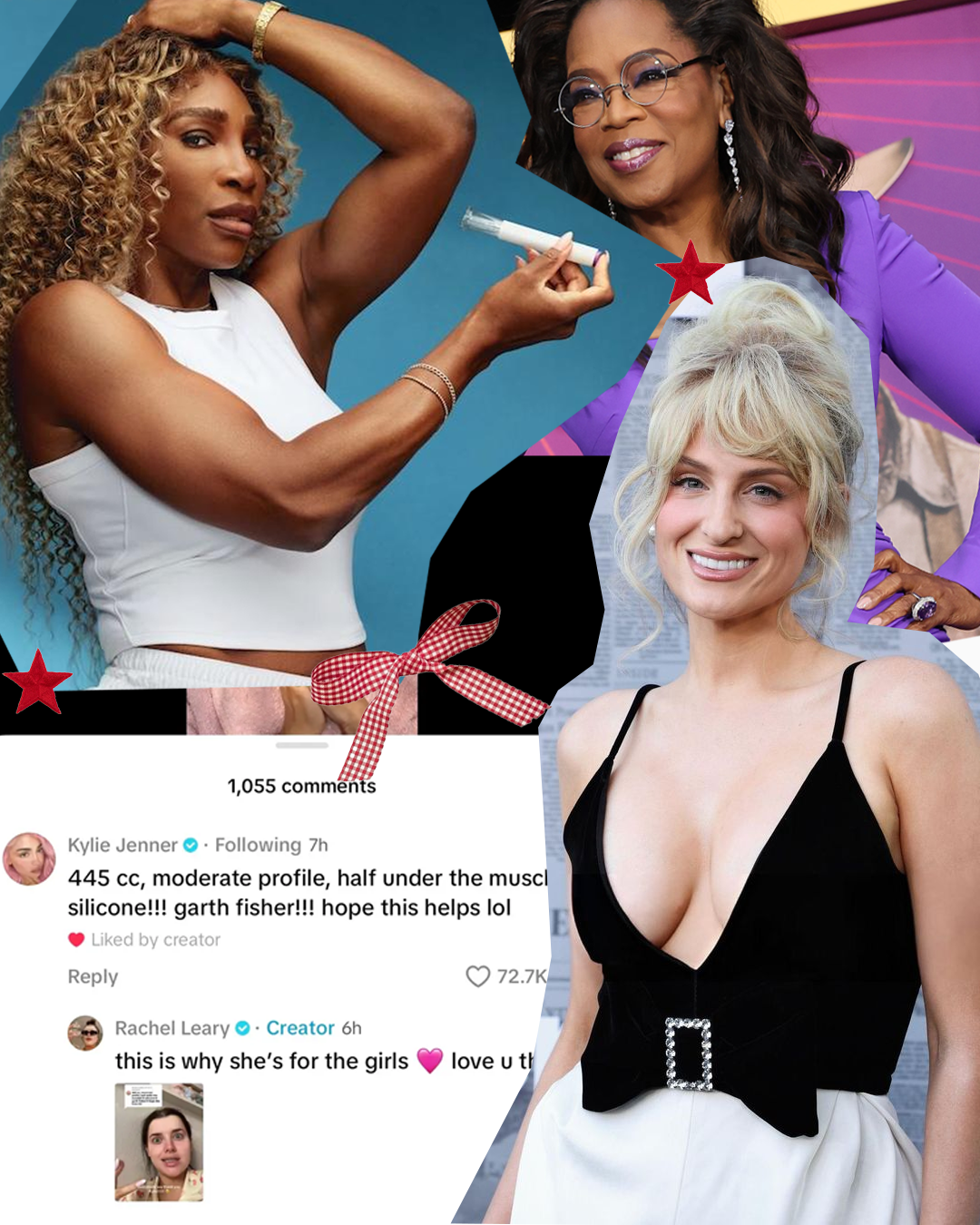
I tell you these tales not to revel in celebrity gossip or Twitter discourse, but as examples of where we are culturally. We’ve all become a bit weird. About politics, music, film, fashion, and perhaps, most significantly, we’ve become weird about bodies. Rigid archetypes and rules about how people should look aren’t new; I lived through the aughts as a chubby child experimenting with sandpaper like fat-free snacks and the Special K diet. Yet, in 2025, we’ve seemed to reach an apex of body obsession that I’ve never experienced. If we aren’t worrying about fillers (that never dissolve), or veneers (that you break your teeth for), or Kylie Jenner telling us exactly what boob job she got (because celebrities selling procedures is totally not scary, looking at you, Meghan Trainor) or a myriad of other fixes making us look less and less human, then it’s our growing strictness about weight.
___STEADY_PAYWALL___
“Body positivity is dead. A toothless and hollow movement with no actual political structure behind it, benefiting the few who were able to make money off of selling merchandise, TV shows, and music to fat people wanting an end to discrimination.”
You’ve seen it, the influx of celebrities taking GLP1s like Serena Williams and Oprah. Ads on YouTube from Voy and Juniper that sell coaching and private medication for those in need of weight loss. Or when Liv Schmidt’s Instagram community was exposed for promoting dieting rules that just skirted the line into Pro Ana content. Schmidt was demonetised and banned for anyone under 18, but has since been embraced by the right wing as a woman simply trying to help others.
I’ve seen it on Vinted: clothing posts with the description “selling bcx I’ve lost weight,” or “doesn’t fit anymore due to weight loss,”. It’s even infected my local high street. A charity shop I frequent put up a massive Slimming World ad on its shopfront. After getting home, I discovered that this was due to a partnership deal in which users could donate their plus-sized clothes while promoting their weight loss regimen. I can’t say I’m entirely mad at having more clothes available to me during what seems to be a low moment for plus-size fashion, but considering how fascism extends to the body, I worry that things might get a whole lot worse the more strained our political life becomes.
Maybe I’d feel better about all of this if I weren’t also aware of the growing influence of AI-powered fatphobia. It’s one thing to brush off human anger and spite, another when it’s powered via an endless learning machine borne of human bias and available to whoever’s willing to pay the right price. In a study done by a student of Fordham University, she discovered that AI-generated content prompted no imagery of fat people when searching up positive terms, but when using terms such as inept, disgusting, and bad, she discovered 7% of them showed people who were either overweight or obese.
Alongside this, there have been reports of Sora users utilising the software to make videos of fat people breaking things with their body weight, jumping into bodies of water to create typhoons and going as far as to create videos of Black women that embrace the Welfare Queen stereotype amidst the US government shutdown and debates over SNAP benefits. This phenomenon contains all the big hitters: minstrelsy, fatphobia, bullying, dehumanisation and as I said earlier — cruelty. I’ve been plus-sized my whole life. I’ve been much smaller than I am; during the pitfalls of grief, I was much bigger than I am. But my body has always carried weight, and for that, I’ve only known life where I am judged by my body before anything else. And I’d still say that this might be the first year of my life where I’ve experienced a level of hostility that has me on the edge at all times. Sure, I could absolutely be on alert due to past experiences, but open and honest mockery of fat people has become all too familiar.
“I'm aware that I could be hypervigilant, or someone treating me terribly could be due to a number of things. But I think there's always so much emphasis on the bigger person to do the labour in unpacking how we're viewed and look for ways to view it as less harmful than it is,” says 28-year-old Megan. She informs me that after leaving her acting agency due to their lack of effort in getting roles, she found herself questioning her career. “I even left my agency because I wasn't getting any work, and all the work that I've done so far this year has been through my own effort. Can I put that down to body image? I'm sure there are a number of factors that play into what's happening. But do I think there’s something ruminating within rooms where there’s more pressure to be thin? It feels more palpable than ever.”
Body positivity is dead. A toothless and hollow movement with no actual political structure behind it, benefiting the few who were able to make money off of selling merchandise, TV shows, and music to fat people wanting an end to discrimination. I might be a bit bitter, I’ll be honest about that. This is something I had to come to terms with when I saw that Lizzo had made a Substack, and her first article (or reformatted notes) focused on her weight loss, the lack of trust her fans had in her and how she’d like to be re-embraced by the movement despite leaving it behind.
Lizzo isn’t the first and won’t be the last plus-sized celebrity or influencer to lose weight and face backlash. I can imagine that, despite her active pursuit of making body positivity and fat representation a core tenet of her branding, she really did want to be just a singer, a musician, a flute player, and not be pinned down as a role model. I feel deeply for all fans in her comments, informing her that they feel her rejection of her body is a rejection of theirs, and that if she doesn’t want to look like them, why should they? If the world at large is telling you to hide, the clothing you want is vanishing from stores, and politicians are openly using terms like Piggy to describe female journalists, what other way could one feel other than profound sorrow? I’m not sure there is an answer that can cover over the cracks in body image at this point in time. We exist in a world that lacks empathy. Our distinct and quick fallback into schoolyard mockery and punishment of those who don’t fit in has only been amplified by our newfound technological advances, and it's harder to tell people to simply ignore it, because how could you? It’s everywhere.