
Is The Eldest Daughter Trope Real? On Being A “Deadbeat Daughter”
Words: Shaniya Odulawa
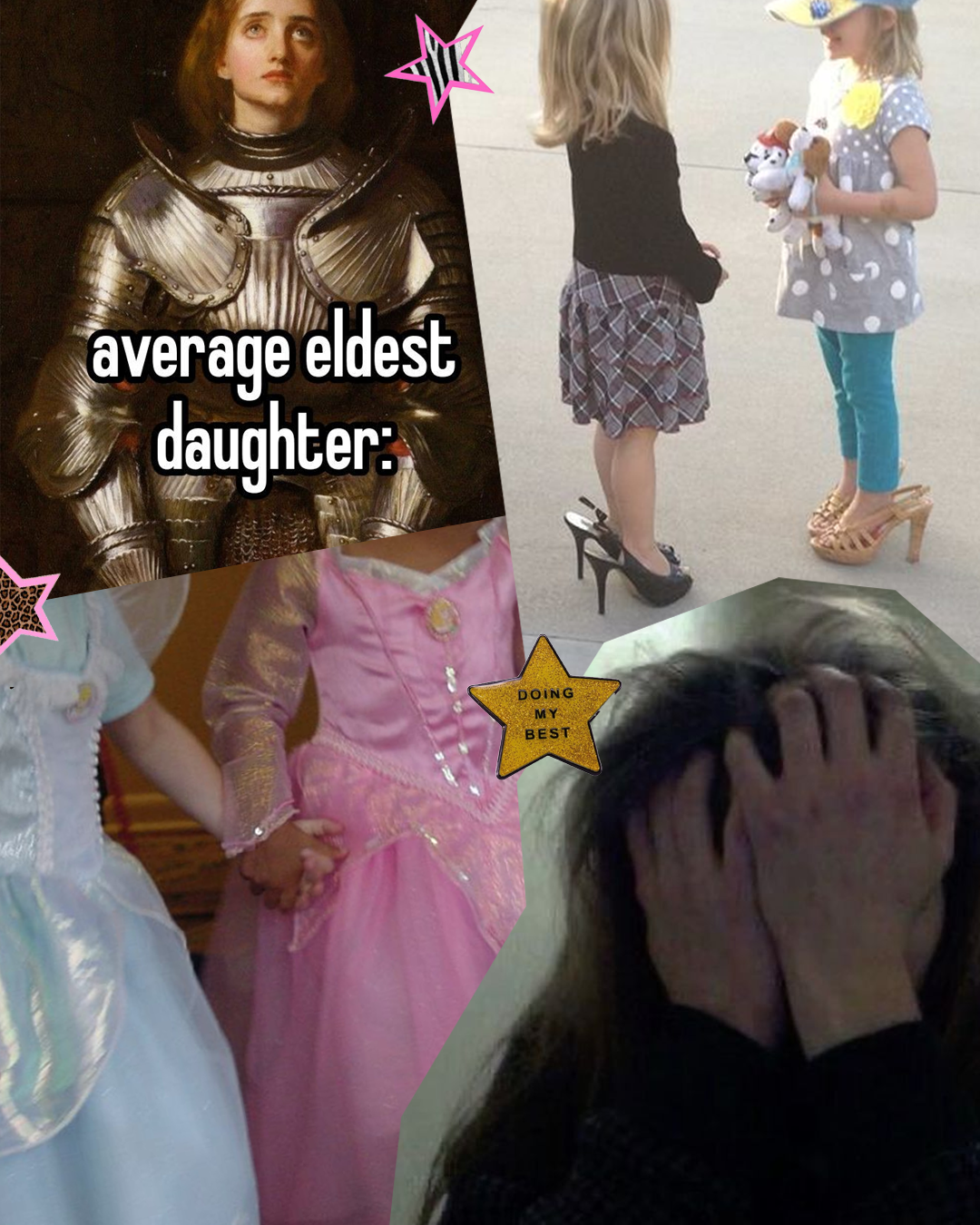
After a long and challenging day in year 7 - we had just learned about algebra - I flung my rucksack onto my kitchen table and peered into the fridge to see what my Mum had left for dinner. Empty. Very unlike her, but it happens; there's always frozen pizza and chips. I won’t starve. As my twelve-year-old self scurries around the kitchen, preheating the oven, pouring chips onto plates to measure them out and then back into the pan, I feel a presence behind me.
“What’s for dinner?”
“Mum didn’t cook today, so I’m just putting pizza in.”
He frowns.
“So?”
“Pardon?”
“So what if Mum hasn't cooked? You're twelve, you should be able to cook. I don't eat this rubbish food. Make something else.”
He spins on his heel and out of the kitchen. It is then that I realise how often he frequents the kitchen (hardly ever), how often you can find my Mum in the kitchen even after her night shift (almost always). I realise who cooks Christmas dinner (my aunties), who eats it (my uncles), and who washes up after Christmas (my aunties). I realise who washes me, brushes my hair, teaches me to brush my teeth, goes to my parents’ evening and listens to my problems.
___STEADY_PAYWALL___
“The eldest girls in family units are expected to bear the brunt of the domestic and emotional labour - a lone task bestowed on us because of birth order and gender, two features we have no control over.”
Standing in the middle of the kitchen, a pan of chips in hand, I made a decision. I make what can only be described as slop (I overboiled the pasta) and retreat to my bedroom. “You're twelve, you should be able to cook.” I don’t think that is quite right. I’m unaware of the words ‘feminism’ or ‘patriarchy’, but I do know my older brother had never had this line of questioning.
I’m thankful that my mum had raised us quite gender neutrally, but despite her efforts, comments from aunts and uncles began to appear in front of me like ad pop-ups. “You must cook for your father”, “How are your siblings doing in school?”, “You are responsible for your brother and sister, you know?” My younger sister did not get these questions. This isn’t just about me being a girl; it’s also because I am the eldest girl. From the moment of my birth, decisions were made without my consent and far beyond my want. On each of those ad pop-ups I click the ‘X” in the corner. My decision is solidified; I will become a deadbeat daughter.
Twelve years later, a guy at a house party guesses that I must be the youngest child. I have never smiled so wide.
The eldest girls in family units are expected to bear the brunt of the domestic and emotional labour - a lone task bestowed on us because of birth order and gender, two features we have no control over. Once we add particular cultures into the mix, this hellish existence begins to feel inescapable. And I want to focus on that word. Feel. It feels inescapable, but it very much is.
I’ve watched a lot of TikToks and read many articles (and even some peer-reviewed journals) about eldest daughters. I understand them, I sympathise with them - I am one after all - but I can’t help but feel so many of the issues identified in these arguments are easily avoidable if one simply remembers they have agency. Unless we are in situations that are abusive, we do not need to listen to our parents well into adulthood.
When us Eldest Daughters all gather together and commiserate about all we have done for our family, there is only talk of cutting our family off completely or simply complaining and carrying on. There’s no middle ground. Our pain becomes a fixation and inevitably a part of our personality. To love as a woman is to make sacrifices, and if we are not giving up anything for our families, are we really loving them?
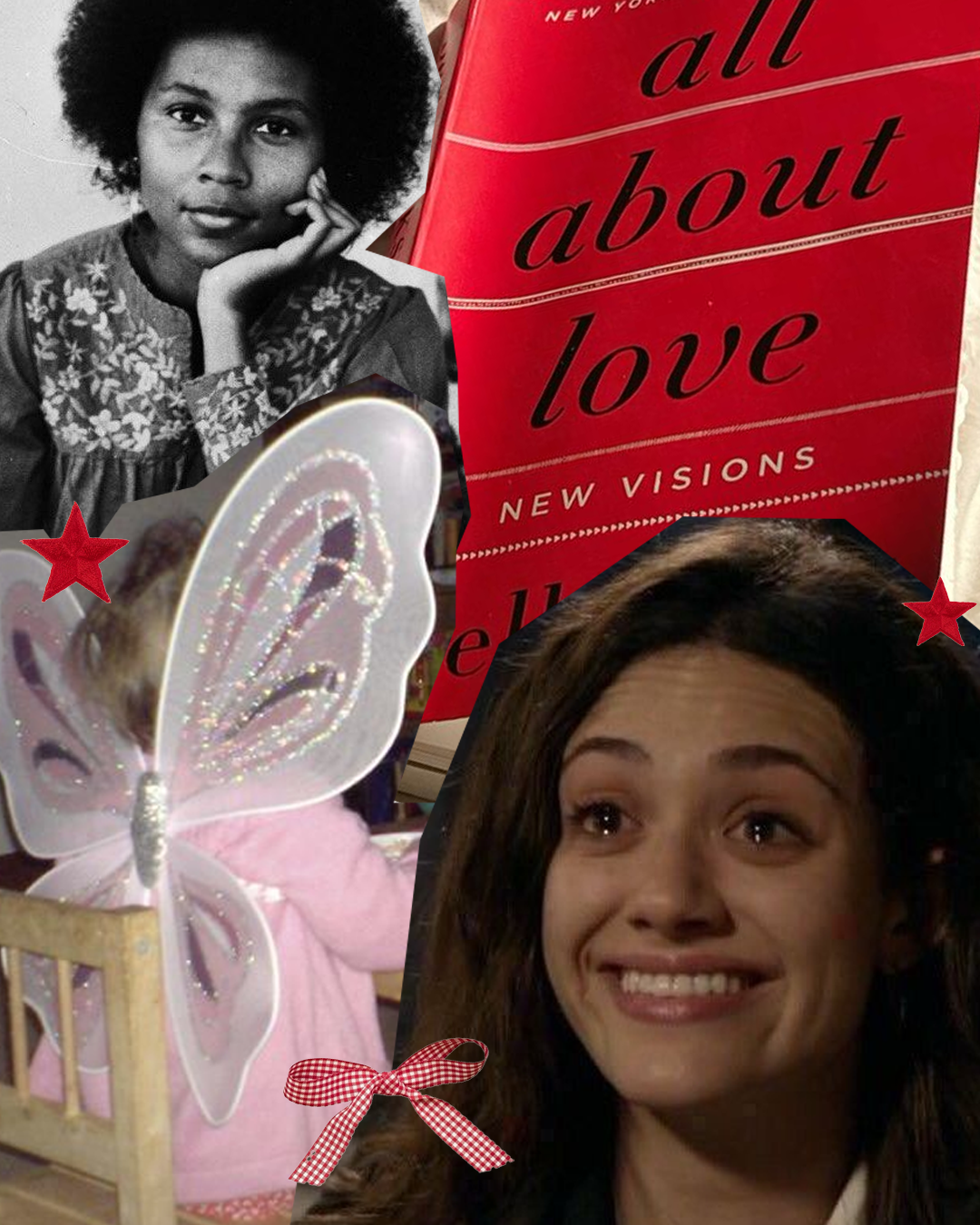
I was first introduced to the idea that women may not be the best at loving others in the first few chapters of All About Love by bell hooks. While we may do better than men, none of us have been adequately taught how to love properly in the first place. The way women are socialised leads us to believe that love demands sacrifice, yet sacrifice only breeds resentment and we end up with that ugly feeling you get when your mum asks you to do something you know she would never ask your brother. Womanhood means consistently sacrificing for those we love. But how far can you go for your family? How much can you give up? When your identity is predicated on how much of yourself you can give up, how much of yourself is left at all?
I am upset. I watch women not only create but also reinforce their own prisons. Within reason, you’re allowed to say no. You are wasting your life spending it appeasing your parents, your grandparents, the aunties. Tiktoks to popular songs won’t help you with the discomfort of it. When we shirk our responsibilities as eldest daughters, how much more room do we give ourselves for other parts of our identity to form? That interaction in the kitchen awakened something in me. A grown man had tried to tell me what I was, and I saw for just a split second all I was going to be. I have nightmares sometimes of my tombstone inscribed with no other achievements apart from: “WIFE. MOTHER. DAUGHTER. SISTER.”