
Jena Malone on Family Dynamics, Twin Peaks and Reinterpreting Original Ideas
Words: Gina Tonic | Photographer: Sabrina Halle Miller | Makeup: Bethany McCarty | Hair: CocoAlexander Bueno, Boots Bueno | Styling: Krissie Torgerson | LA editor: Camille Mariet | Lighting Director: Jamal Reeves | Photo Assist: Ben Nesbit
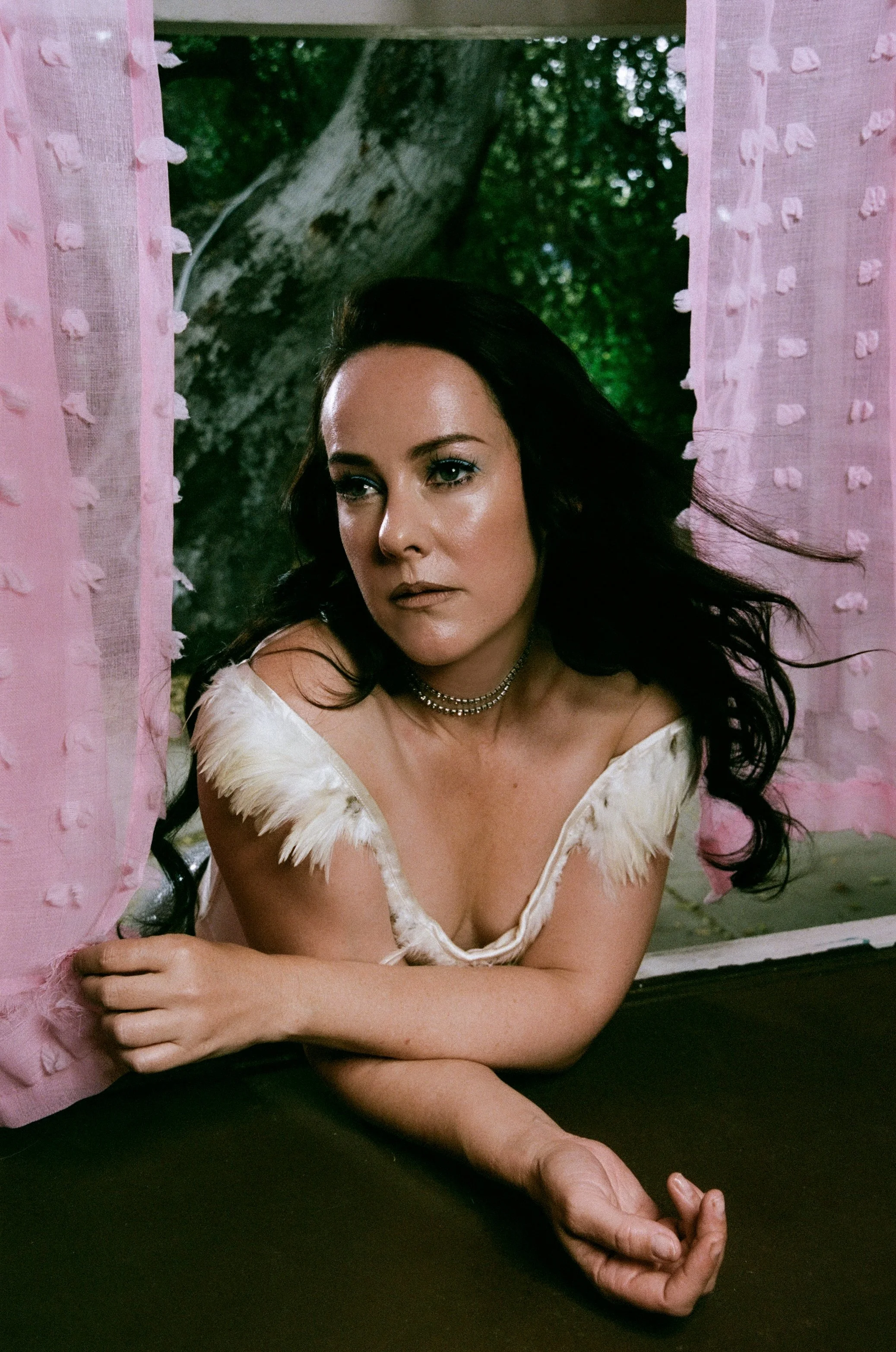
When planning for this interview, the face of whoever I told about it, once I’d said the words “Jena Malone”, totally lit up. Everyone has a favourite film among the 41-year-old’s catalogue: there’s her breakout role in Donnie Darko, her darker parts like the necrophiliac Ruby in The Neon Demon and an asylum-patient-cum-cabaret-ensemble-member in Sucker Punch, or the fan favourite Johanna Mason in The Hunger Games series. In Jena Malone’s body of work, there's something for everybody.
She joins our call from her kitchen's “cozy corner nook,” at her LA home. It's bright and sunny as she sips coffee and speaks candidly, framed by the trailing plants climbing her walls. It's surreal to speak with her at first, because hers is a face that has featured in so many cult films in the last quarter of a century. We begin our chat by speaking about her latest role in Netflix’s The Boroughs - a spooky, alien horror series with a stacked cast of older actors (Geena Davis, Alfred Molina, Alfre Woodard, and more) set in a retirement village in the New Mexico desert.
“It's funny,” she says. “You make it, and you don't know what this is going to turn out like. And then, I ended up bingeing the whole thing with my son, who's 10, and I was like, ‘Oh, that's kind of nice.’ I don't often make things that he can watch or rather, we can watch together. I just don't make that kind of art. Maybe I should do it more often.”
Throughout our conversation, the actress refers back to her son and how raising him has shaped the past decade for her. Parental relationships can be, obviously, famously, difficult to navigate. While her bond with her child sounds magical - she smiles when discussing their deep connection - Malone’s character in The Boroughs has a strained storyline with her family.
She plays Claire, the daughter of Sam (Alfred Molina), a character who does her best to care for her grieving father, whilst also grieving for her own mother and, of course, fighting monsters. Claire is caring but conflicted, often unsure of the best route of action for ensuring her father can enjoy his golden years in his new gated community.
“I do think that they have a really beautiful dynamic,” she says. “I think it's really lovely to get to explore a parent-child conflict that allows spaces of grace and resolve and humour and the kind of, ‘This may never be fixed, but we will learn to be okay with it’ kind of vibes.
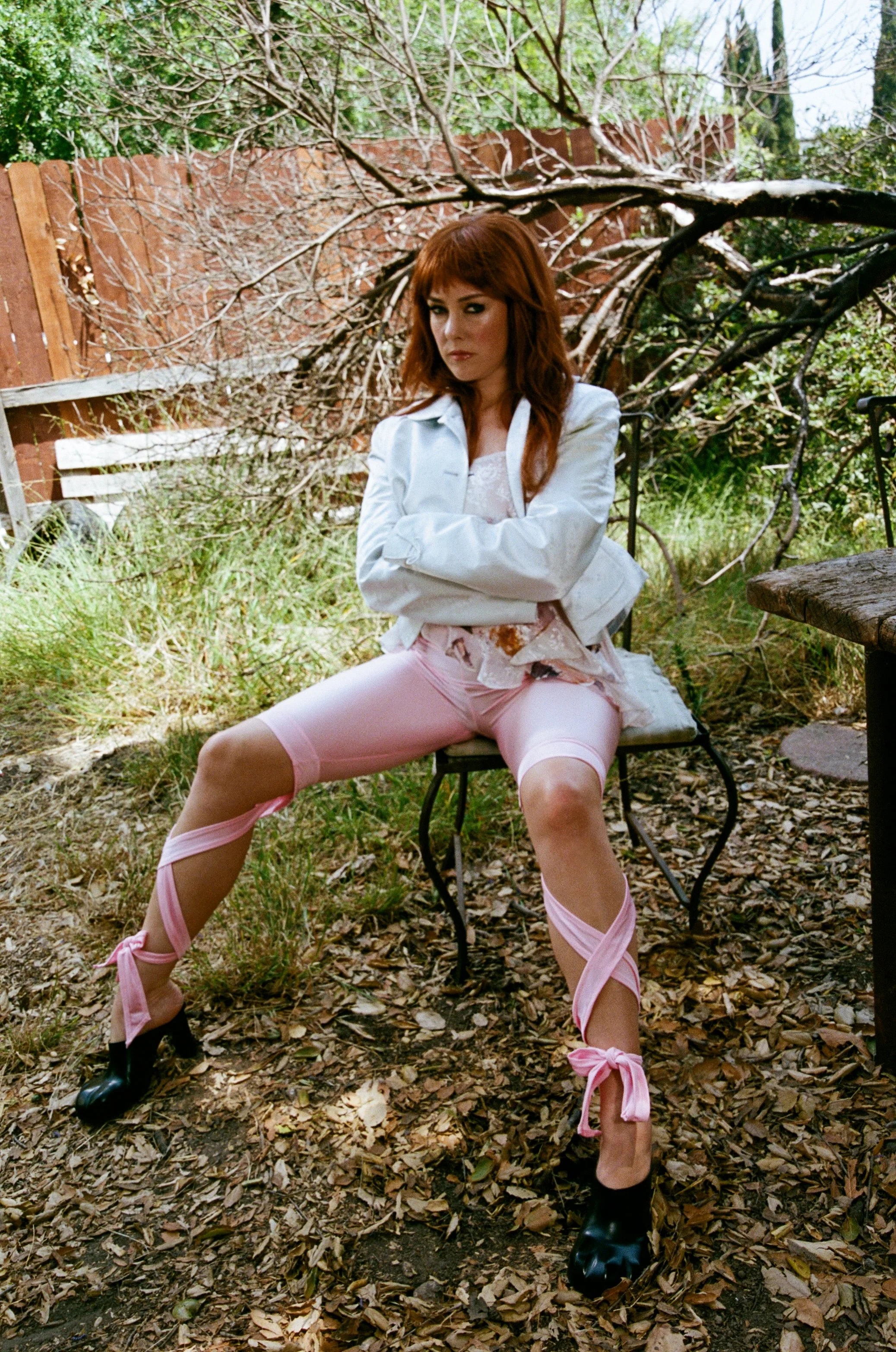
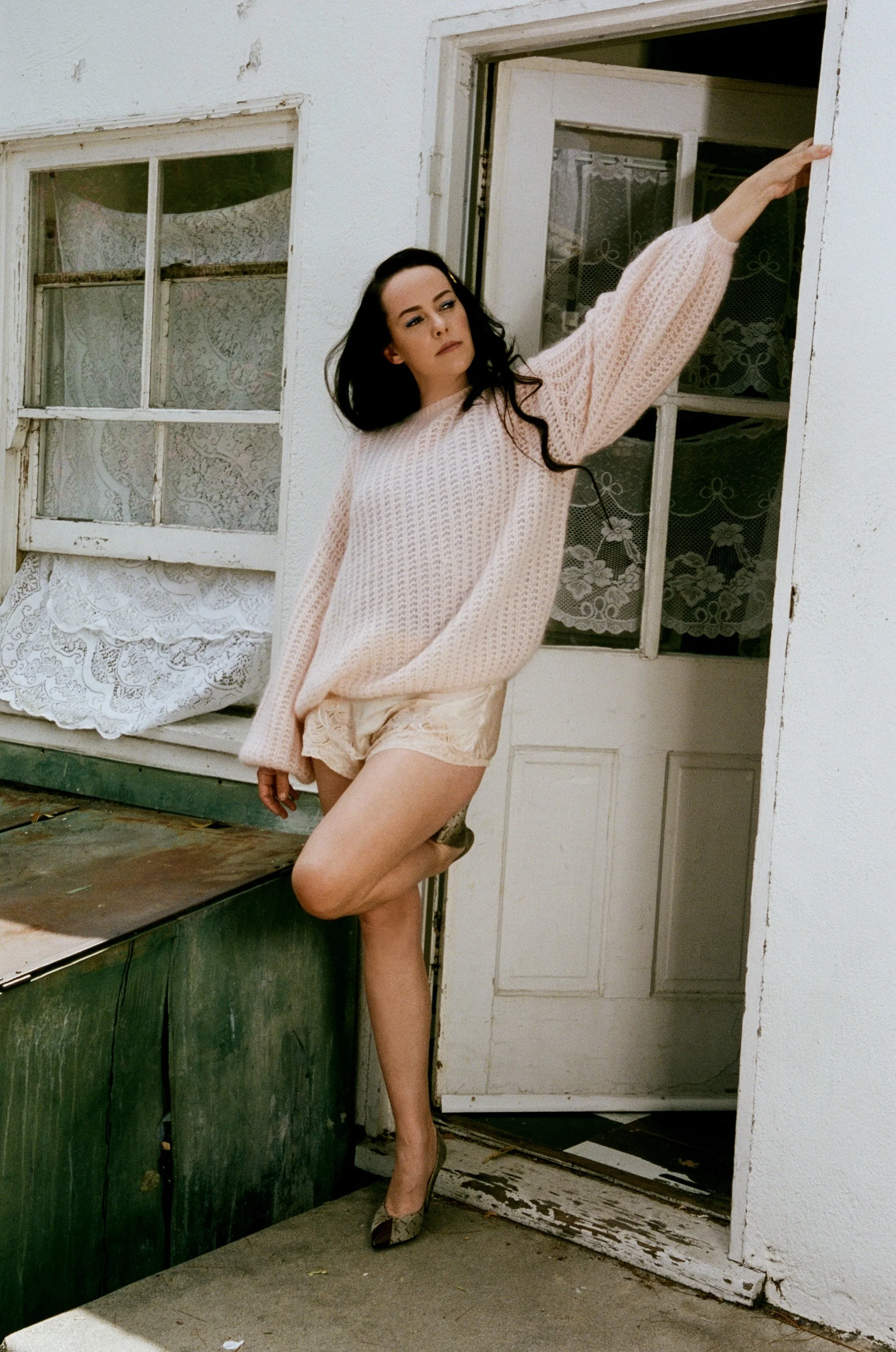
“I believe that [as artists] we're all kind of regurgitating data through an original mouthpiece. Like, we all have similar understandings of the world and we’re holding similar data, really. I have centuries of data inside of me, we're just speaking from a different tongue, you know?”
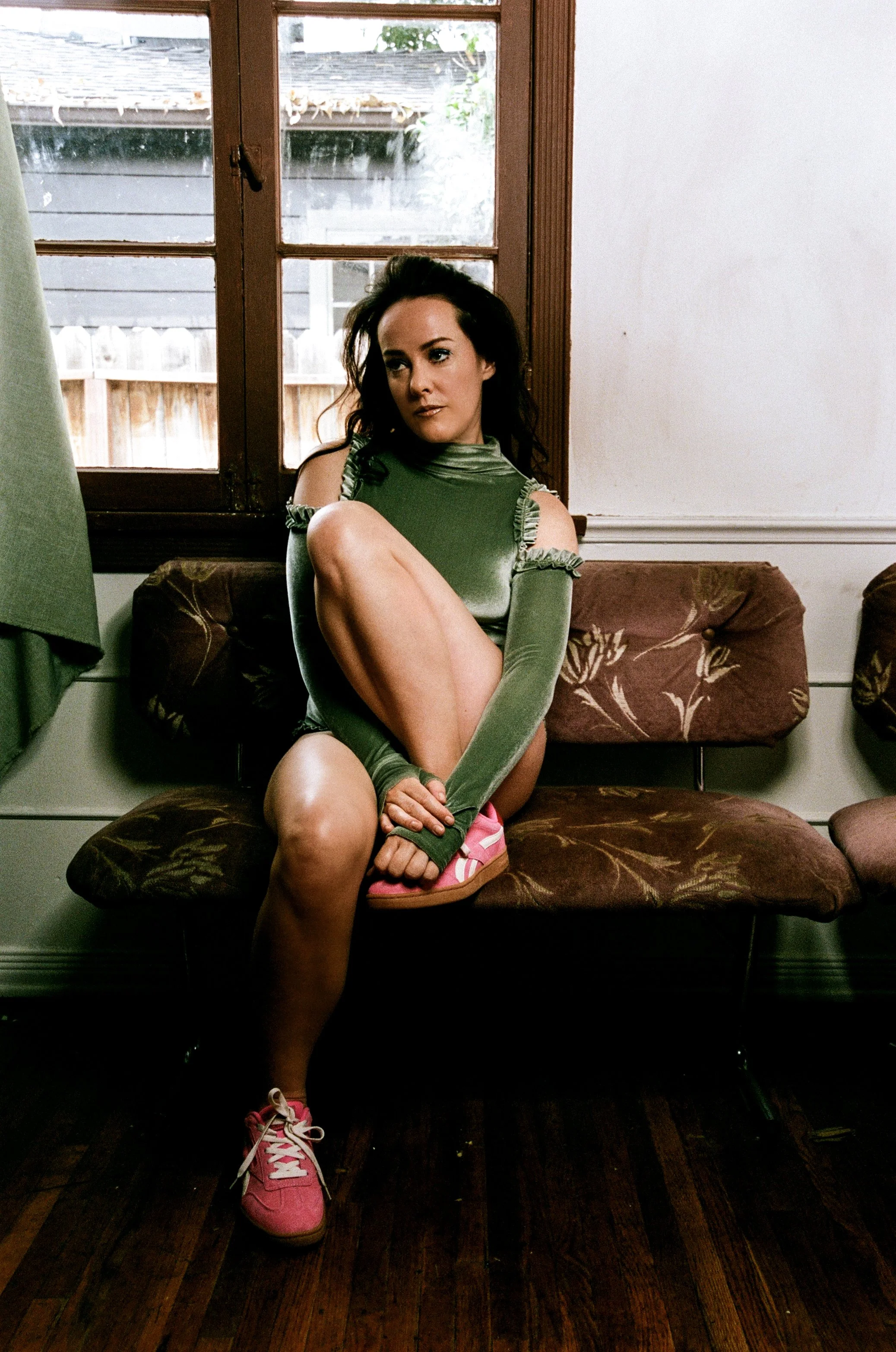
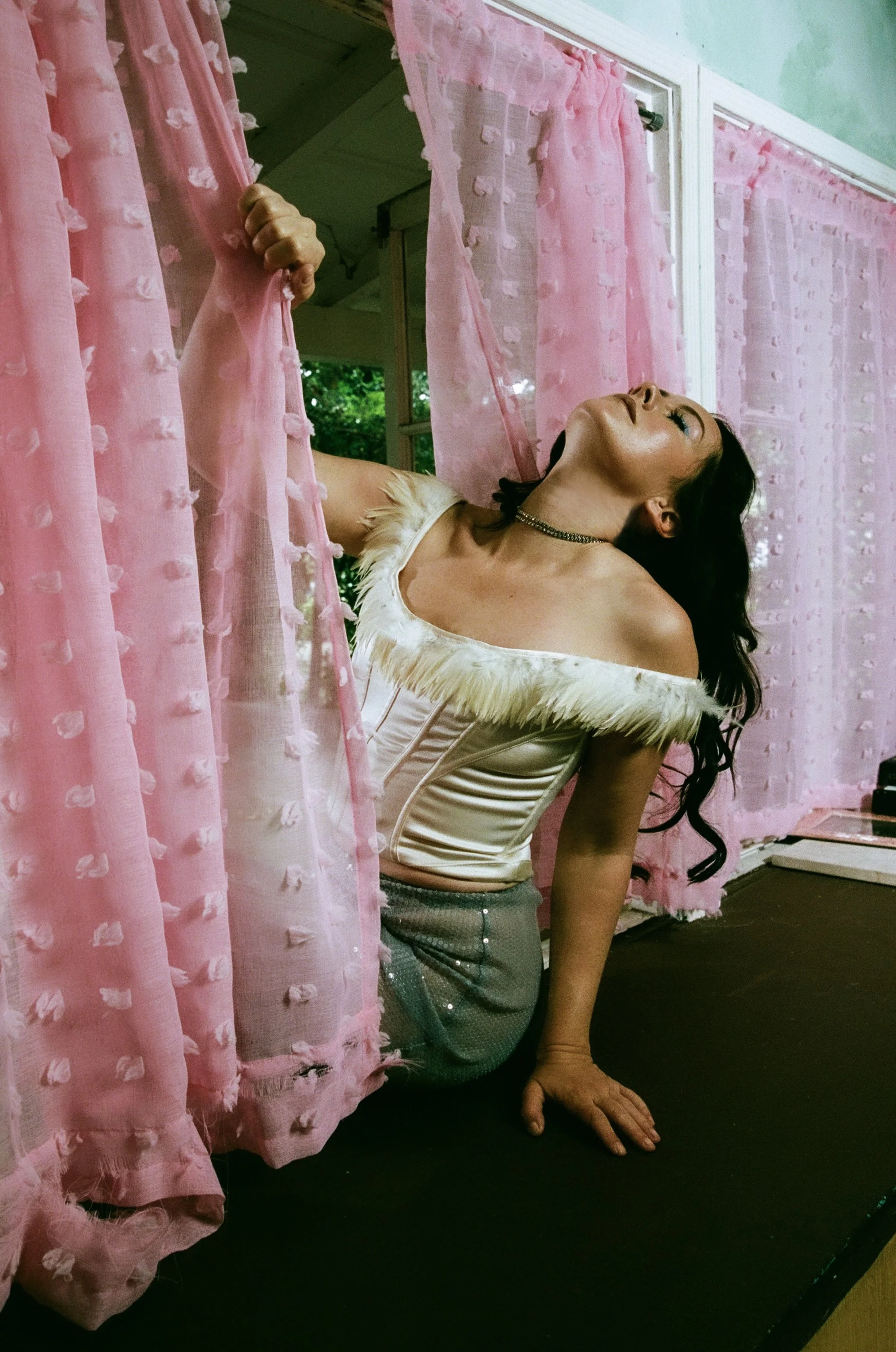
“I think that that's something I've gone through in my own journey of life. You start out thinking your parents are everything, you become a teenager, then you think that they're the worst. In your 20s, you get as far away from them as you possibly can. And then you kind of spend the rest of your life getting back to them, in a way.”
Considering that Malone is a former child star - starring in adverts until her first movie role, aged 11, in Bastard Out of Carolina - the universality of her experience with parent/child relationships is striking. Knowing Malone’s lore filled life story, it makes more sense. When the actress hit her late teens, she left the industry to pursue other passions.
“When I was 18, I left Hollywood, I moved to Lake Tahoe, shaved my head, went back to school,” she tells me. “I went to community college there and I studied photography. I bought a house. I was playing house at 18. [She laughs] You know, it's the opposite of everything that you're supposed to do at that age.”
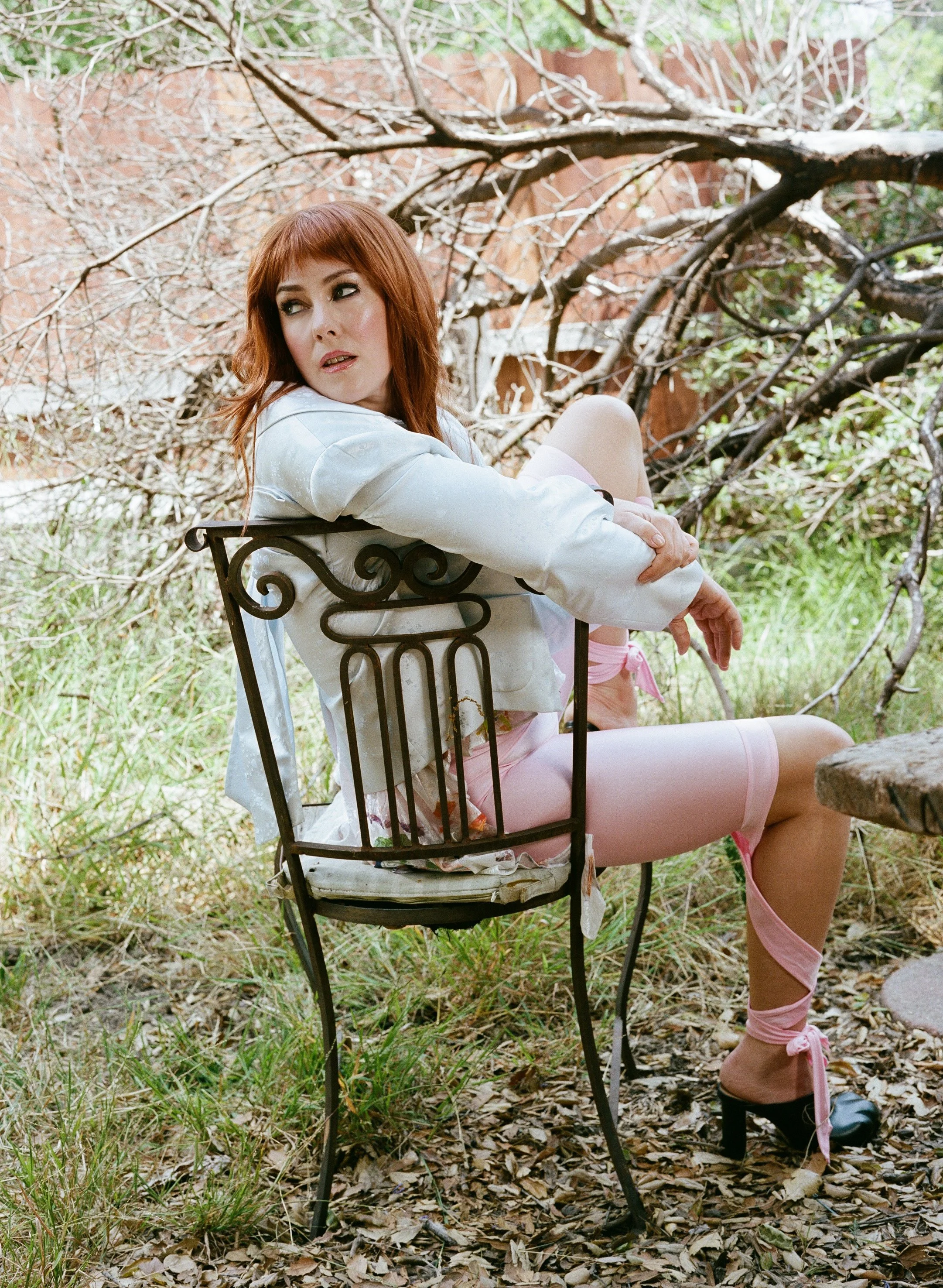
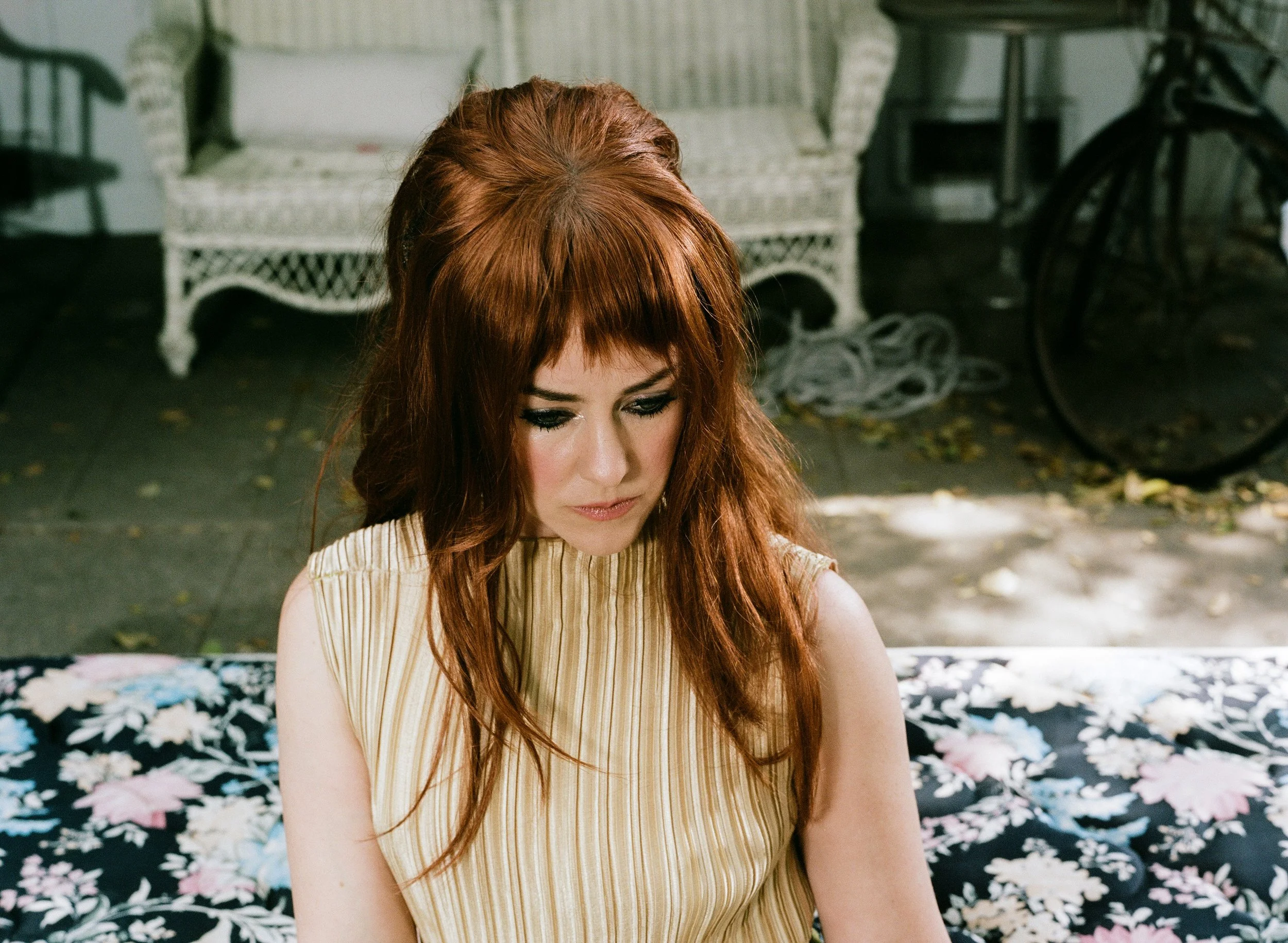
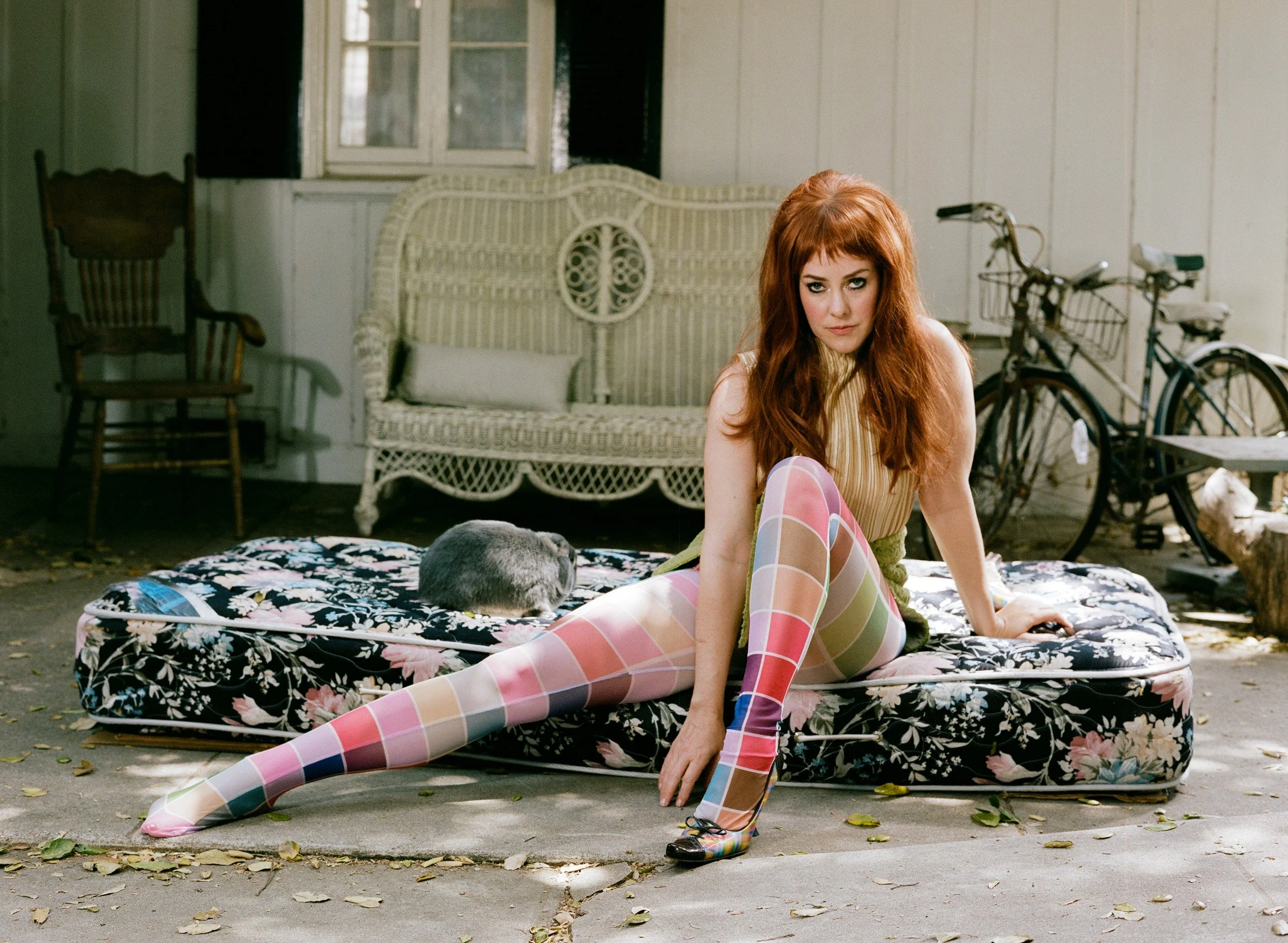
Malone used the time away from making movies to find herself artistically. As well as photography, the multi-hypenate found herself drawn to making music. Over the years, we have seen Malone pop up repeatedly with various musical projects - from her debut act Jena Malone and Her Bloodstains to her follow up years later in indie pop duo The Shoe.In 2026, the singer returned to music with a haunting electropop album called Flowers for Men under her own name. The songs are somewhere between Imogen Heap’s purposefully processed vocals and the Twin Peaks soundtrack. I make these references to Malone, who links the music back to her time in Lake Tahoe.
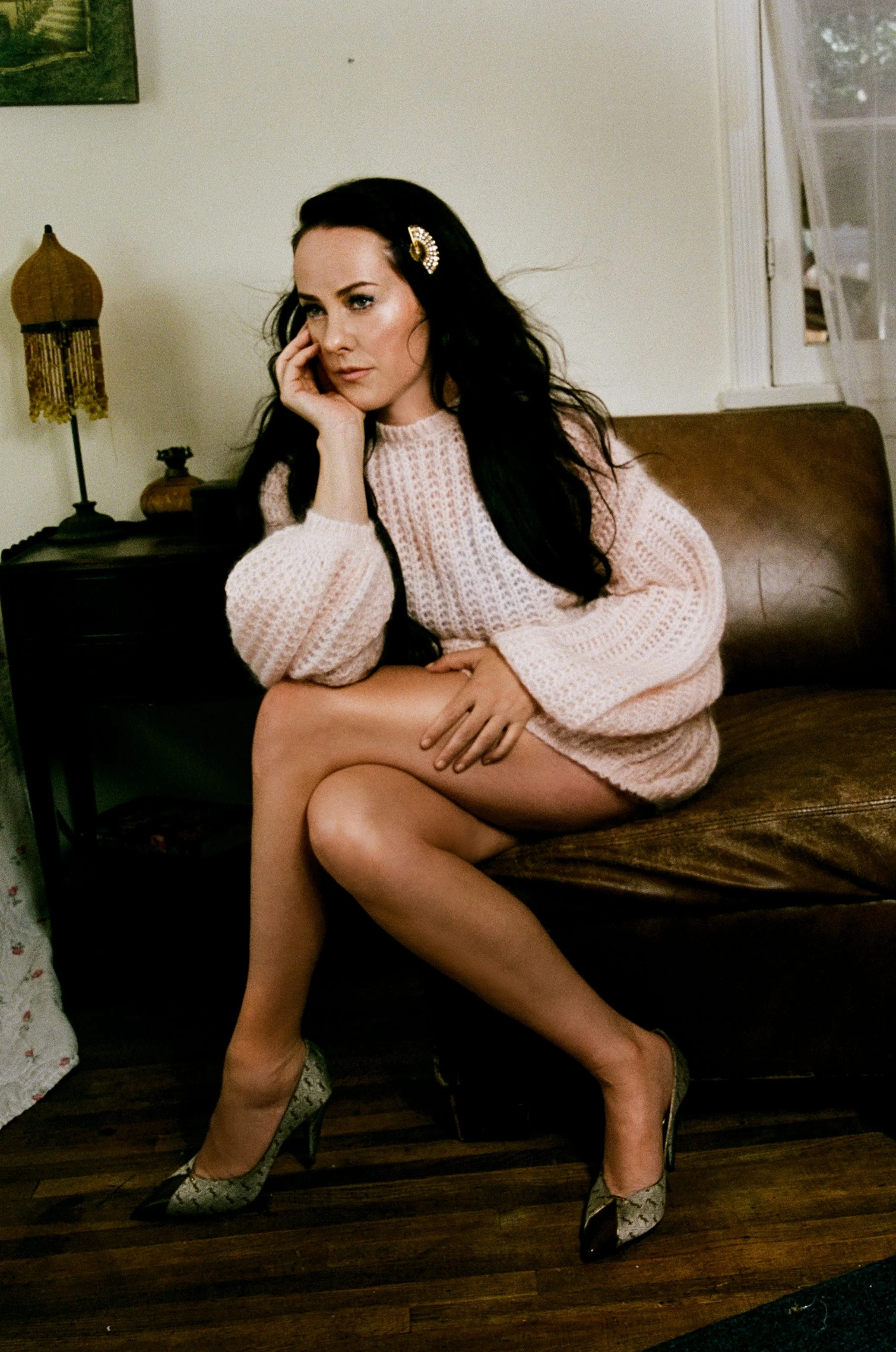
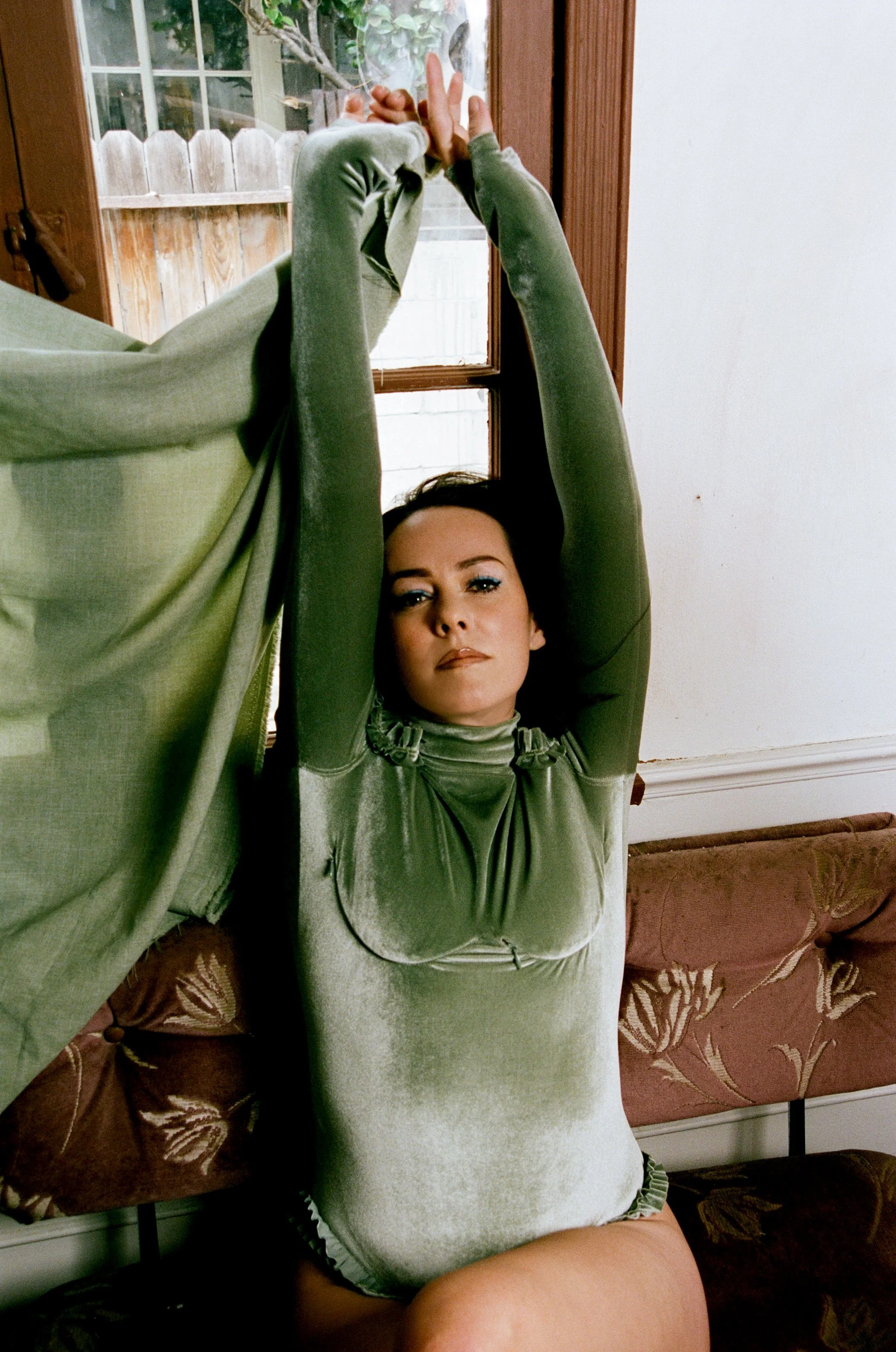
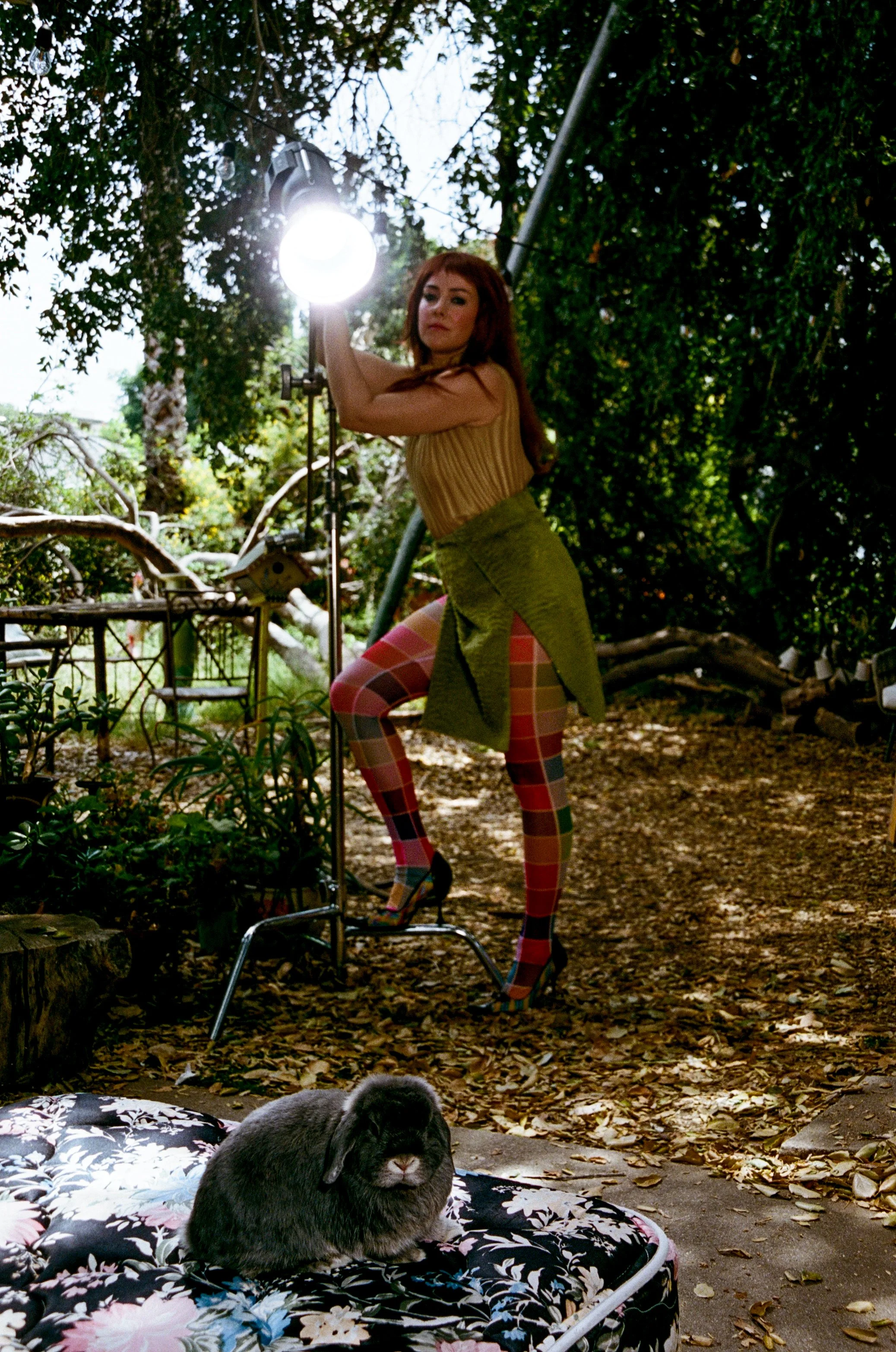
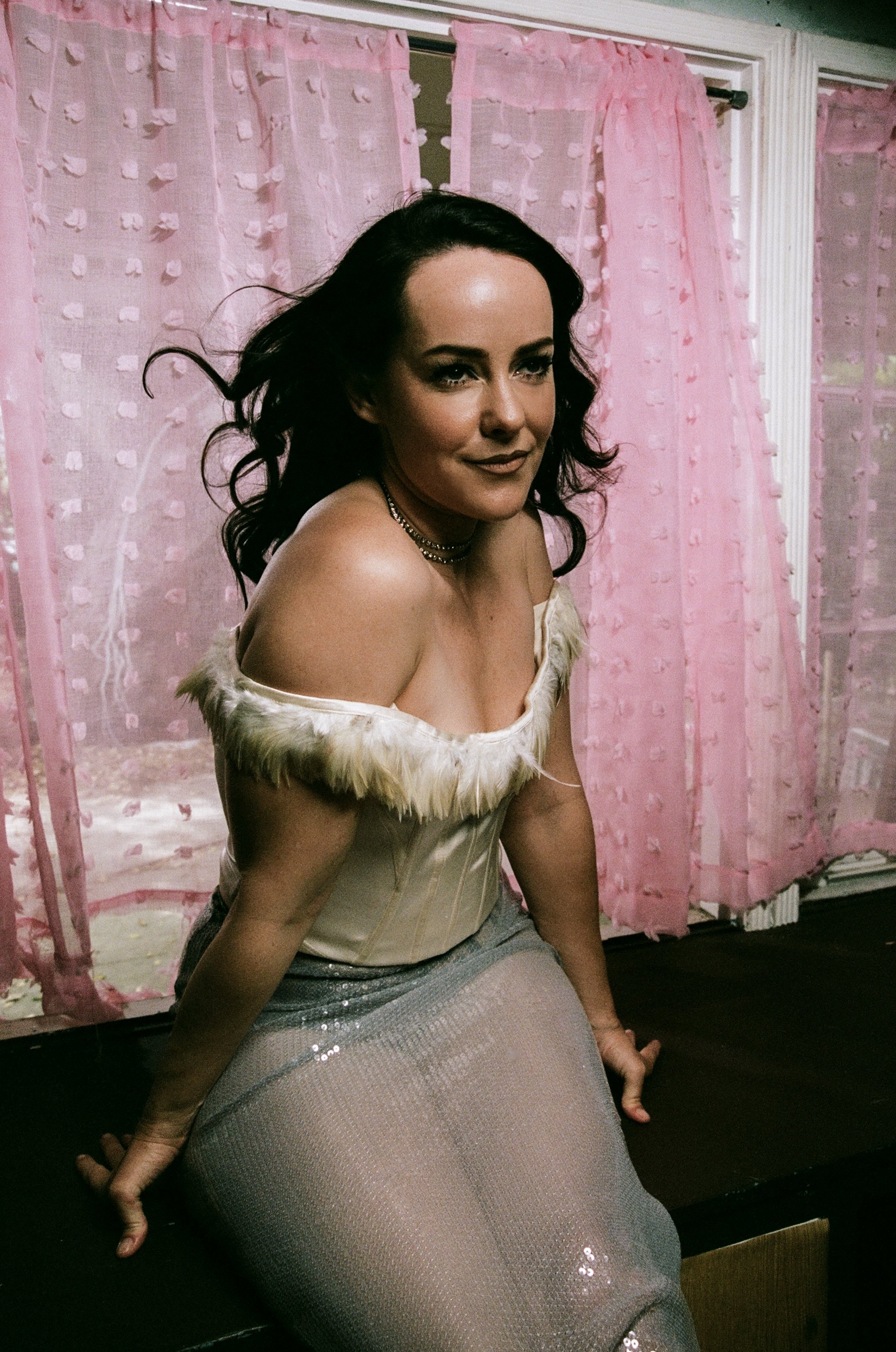
“I had this guest room that really became my music studio and I had a little cassette player in there. I only had one cassette. The Twin Peaks cassette. I would just listen to the Twin Peaks cassette for 7 hours straight and hyper focus,” she smiles conspiratorially. “I don't know if that's normal, you know, am I mentally okay? But when I get into that hyper focussed space, I can listen to the same album all day because I'm not even really listening. I’m just part of the tone. But it's interesting because that was the birthplace of when I started making music. I ended up painting the room red and acquiring all this music equipment and taught myself. That's where I made my first two records. So probably Twin Peaks has always had a vague influence on me in a lot of ways.”
Regardless, Malone rebukes the idea of influences in general. What she is doing, and what she has always done - and what we as fans know her for - is wholly original. Even though, as she explains, it is impossible to pretend anything created in the 21st century can be totally new.
“When I was in the making of [Flowers for Men] I didn't feel like I had references in mind. I really believe that quote, that there's no new idea under the sun or whatever it is. I do really believe that,” she explains. “I believe that [as artists] we're all kind of regurgitating data through an original mouthpiece. Like, we all have similar understandings of the world and we’re holding similar data, really. I have centuries of data inside of me, we're just speaking from a different tongue, you know?”
Understanding Malone’s esoteric worldview on humanity’s innate similarities helps to explain her multi faceted career and always intriguing role choices. Using art to explore the mechanisms of decision making and interpersonal relationships is a clear through thread of her career - and likely, what has helped to cement Malone as a cult classic for the millennial generation.