
Jessica Knoll’s Guide to Writing a Novel Without Losing Your Mind
Words: Jenn Lehwald | Guide: Jessica Knoll
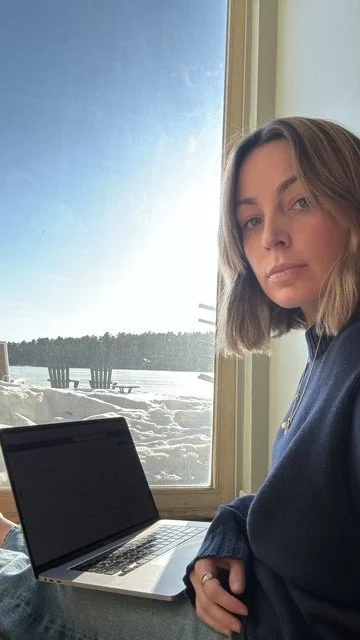
Jessica Knoll knows what it takes to build a life around writing. The bestselling author of Luckiest Girl Alive and The Favorite has spent years turning complicated stories into page-turners, all while navigating the pressures that come with making writing your livelihood. Now, after moving from LA back to New York, raising her young daughter and publishing her latest novel, Helpless, she’s thinking more than ever about the long game, and how to keep writing without letting it consume you.
Helpless is Knoll’s most ambitious novel yet - an erotic thriller about two exes who reunite at the funeral of their beloved professor, only to find themselves pulled into a dangerous story that forces them to question everything they thought they knew about their past.
When we speak, Knoll is candid about the less glamorous side of writing a novel - the days when a thousand words can take four hours, the weeks when the story won’t cooperate and the difficulty of remembering that your life is bigger than your writing.
Here, Jessica Knoll shares her guide to writing a novel without losing your mind.
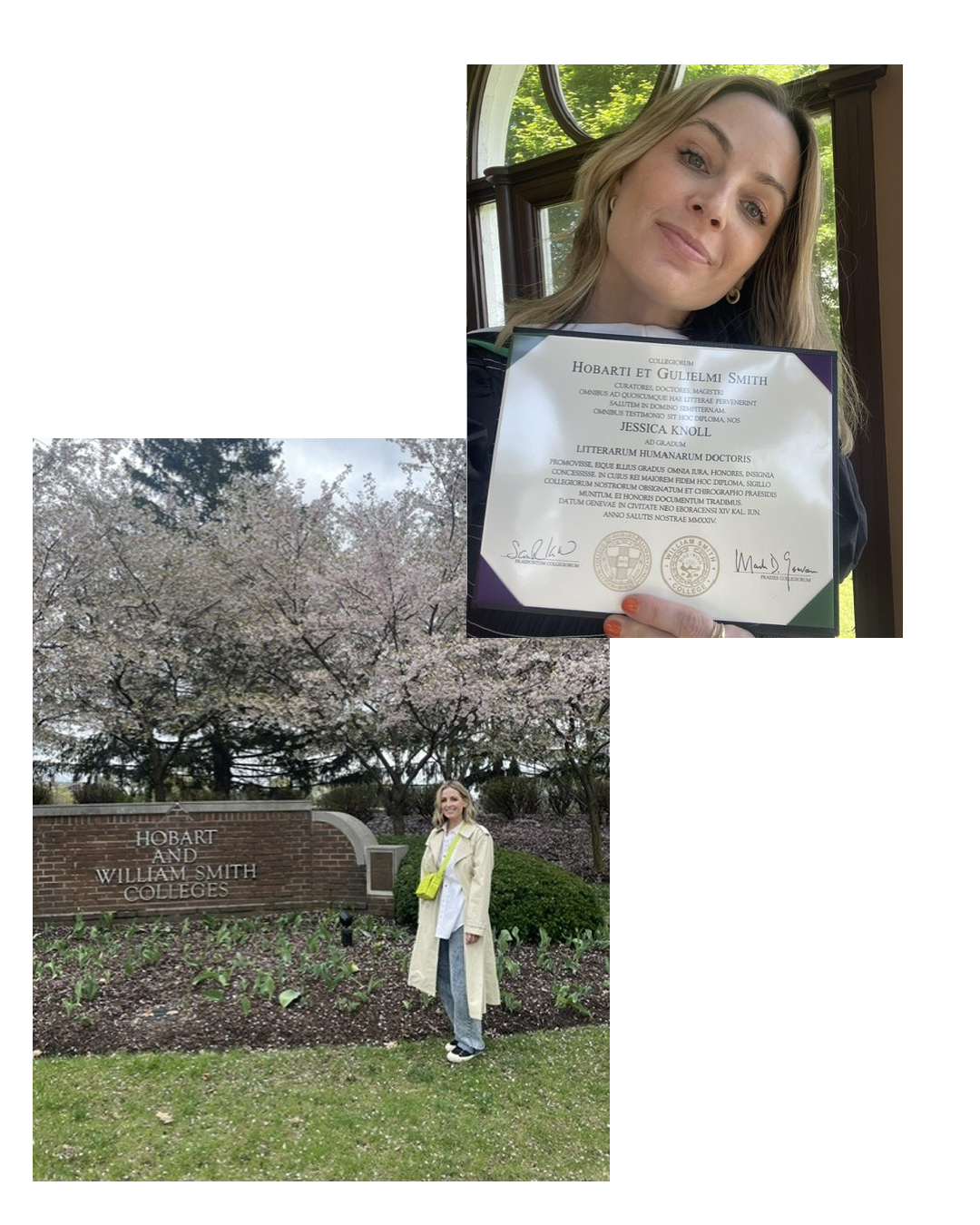
Commit to an Idea You Can Actually Write About
Usually it has to be something I feel I can write about. All the time, I'll have an idea where I'm like, “Ooh, that's a great selling point,” like I could just tell someone quickly in a line, “This is what my book is about,” but who are the people in this story and how do I build it out?
If I can't figure that out fairly quickly - I'm talking about within the first five minutes of the idea coming to me - it's not worth my time. It really has to be a strong character, a strong voice in a situation that feels a little bit dangerous and a little bit mysterious. I never know what is going to be the thing to link those two parts of the story, but I can just feel it when I know, “Okay, I can make something out of this. I can extend this for 300 pages.”
Get Out of Your Own Head
The biggest thing is - and I'm so bad at it - movement. If I even get up and walk to the kitchen to make myself breakfast, that might unlock it for me. There are actual studies that show that getting up and moving around can unlock a creative block.
I used to be much better about writing in my mornings and then getting out and taking a walk, and especially if I was stuck on something, it would usually resolve while I was out walking around.
Another really weird thing is a shower. I'll finish up an hour of writing and I'll get in the shower and I'll just be standing there and it's like, “Eureka,” and it comes to me. Sadly, the answer is not just sitting around, which I wish it was, but getting up and having to move usually really helps.
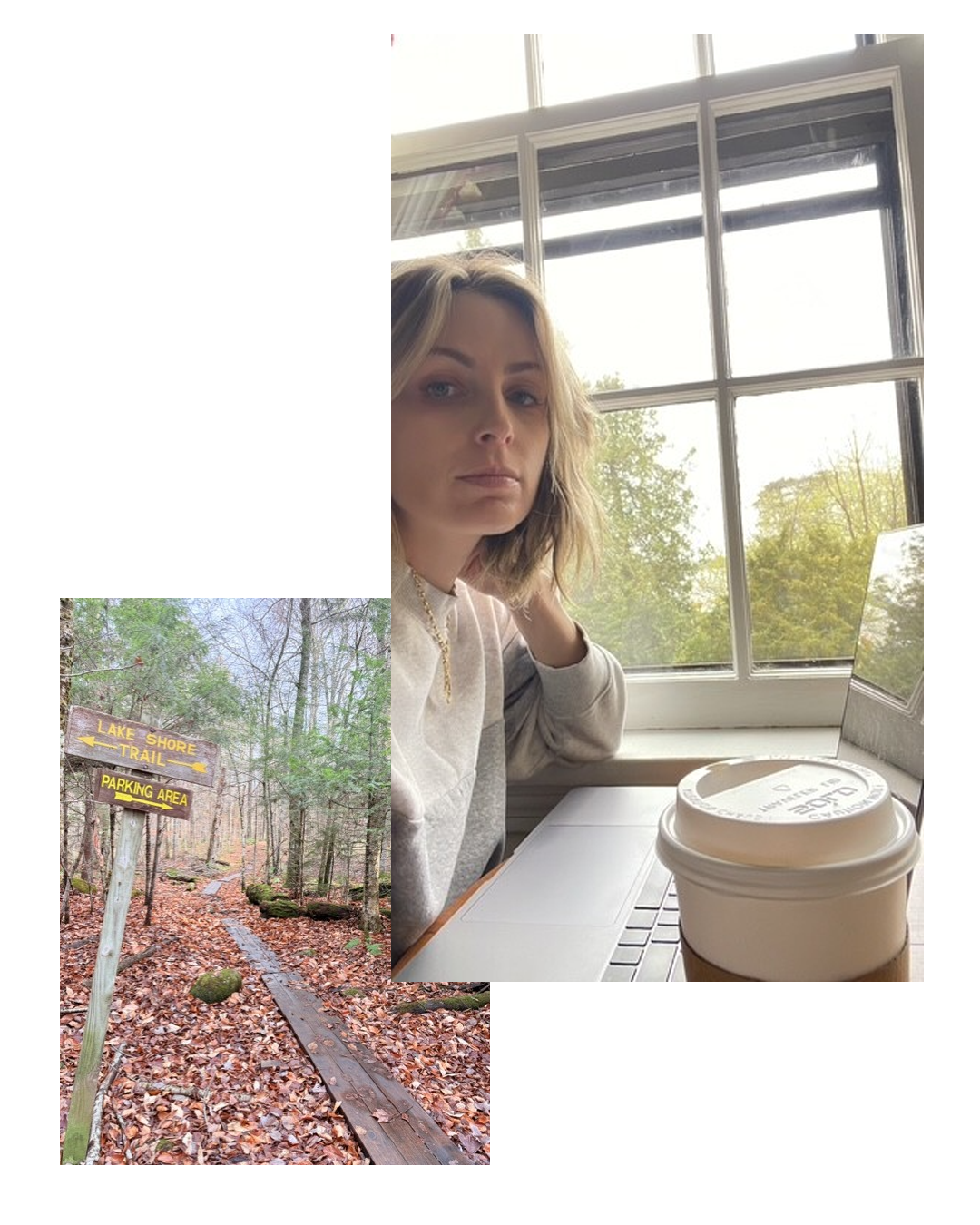
Know When to Walk Away
I need to be better about stepping away from writing because sometimes what happens is it's going so poorly that I'm like, “I can't step away from it when it's going this bad. I need to go out on a high note,” you know?
But I usually just end up procrastinating because I'm not motivated to do it, and then sometimes a couple hours go by and I'm like, “I should have just gotten up and done something three hours ago.”
I've definitely gotten better at it, but it's something I would like to work on, which is just getting up and walking away and leaving it, and not letting it affect me so deeply if it's a bad writing day or even a bad writing week or month.
Remember You Are More Than Your Writing
It's really hard for me to be active and do things to remind myself that I have a life beyond writing and my career as a novelist. I'm not predisposed to value myself as a human and as a whole person. It's always about, “What can I do to prove my worth?” And my God-given talent for doing that is writing.
So if I can perform my writing well and I feel good about that and people like it and my editor is happy and my agent is happy, then I'm happy. That's not really how you should live.
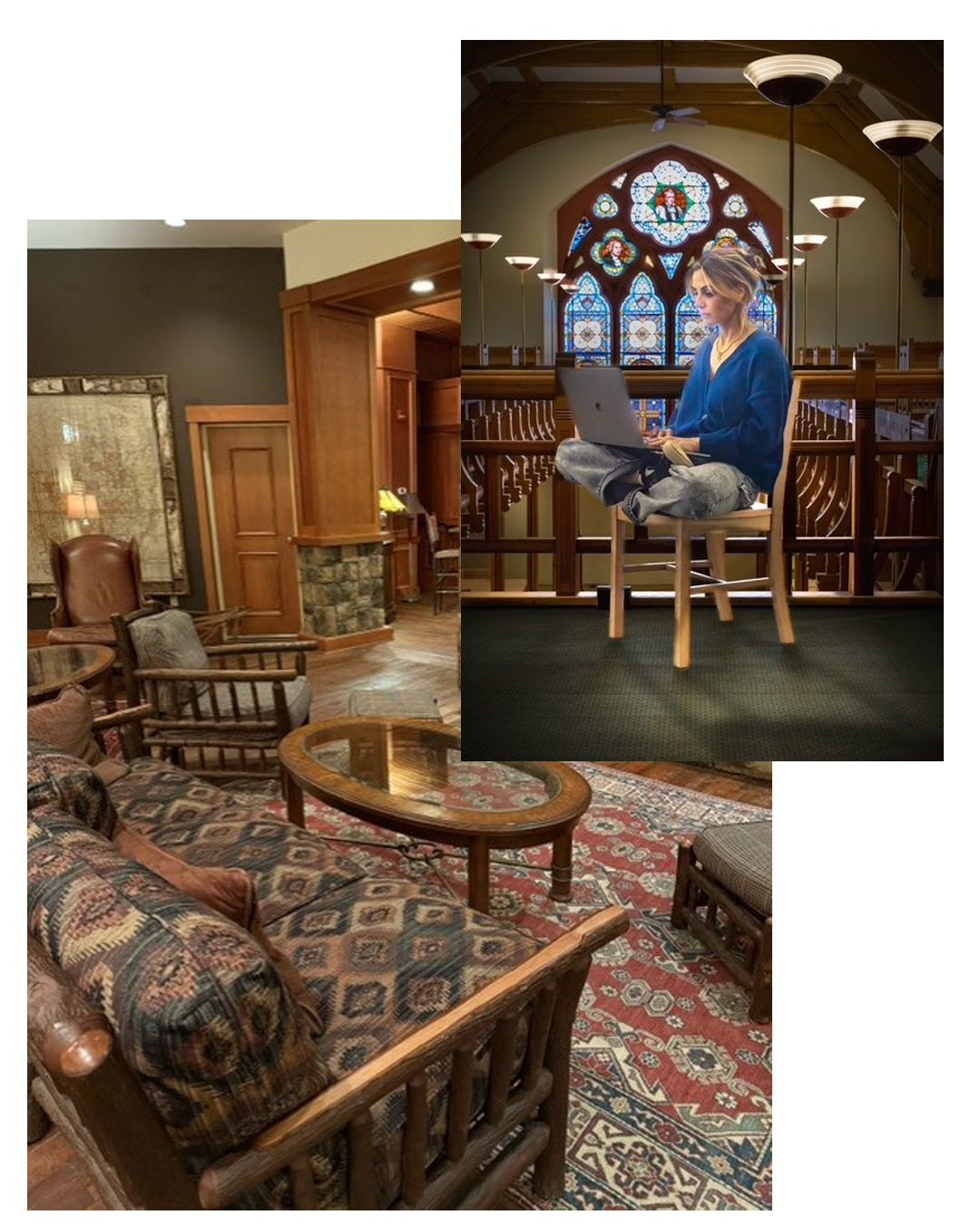
Give Yourself Permission to Have a Life
I just think I should prioritise other parts of my life more than I do producing - and I say producing as producing words on the page, whatever it is that I'm working on. I have a really hard time not working on something.
I have some writer friends who are amazing at it. They have their year where they're working on a book, and then when they're not writing and they're not working on a book, they're not writing and they're not working on a book, and they're enjoying their life. And I strive to be more like that.
Push the Envelope
Don't be afraid to push the envelope in terms of the story or the language because we can always dial it back. It's almost like the opposite of how you order your steak. You don't order it too well done because you can't walk that back, but you can always send it back for a few more minutes on the stovetop if it's too rare for your liking.
It's the inverse of that. I think on the side of giving us a lot of drama and big moments. I think it's easier to edit and dial back than it is to turn in something that's a little blander, underseasoned. You can do more with more.
Treat Yourself
Naps. Big napper. I also take naps and fall asleep when I'm working on something. I find that I solve a lot of issues as I'm going to sleep.
I'll be like, “Oh, maybe the story can go here. Maybe this person does that, and then if this person does that, could this person do that?” I find it really relaxing and it helps me go to sleep. And oftentimes whatever it is that I've come up with in that in-between state, in between dreaming and being awake, is actually viable and very helpful for me to come the
Massages are also very good. I used to be in a very good habit of getting a massage on Friday afternoons when I was working on a new book and I would really enter a state where I would be like, “Okay, okay, I'm gonna work through this. I can work through this.”
So treat yourself.