
Words: Jenn Lehwald | Guide: Jewelianna Ramos-Ortiz
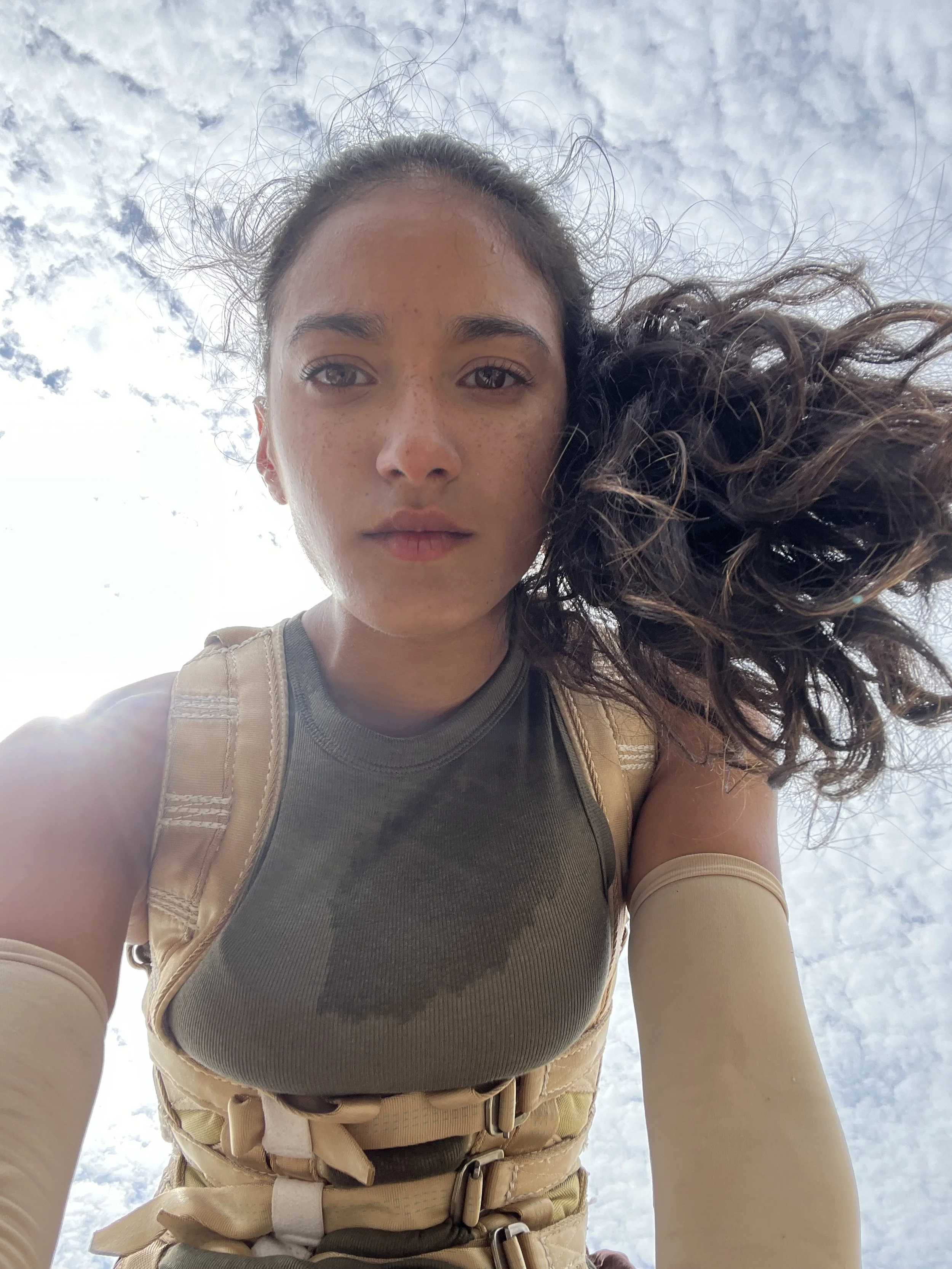
For Jewelianna Ramos-Ortiz, stunt work is less about pulling off a spectacular backflip and more about knowing how to hit the ground safely. A professional martial artist since childhood, Ramos-Ortiz spent years competing, teaching seminars and running dojos before making the transition into stunts in 2020. Since then, she's worked on Cobra Kai, Peacemaker, Bad Boys: Ride or Die and Superman, as well as doubling Jenna Ortega in Beetlejuice Beetlejuice.
Despite the adrenaline and spectacle associated with the job, Ramos-Ortiz is quick to point out that most stunt work comes down to preparation and knowing your limits. From learning how to fall before attempting anything flashy to understanding when to call a hold on set, becoming a stunt performer requires much more than willingness to throw yourself through a window. Here, Ramos-Ortiz shares her guide to doing your own stunts.
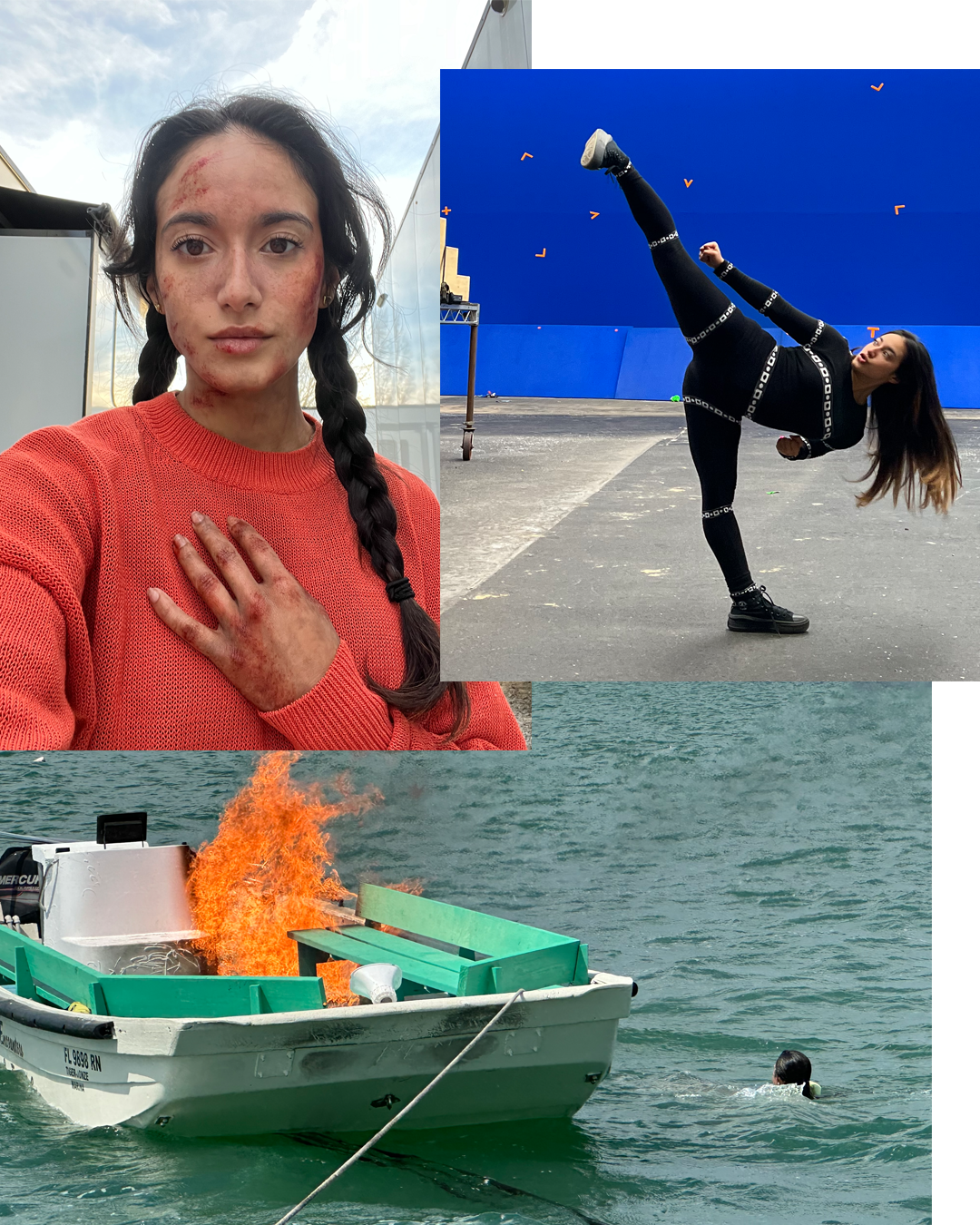
Start With An Athletic Foundation
Start with a real athletic foundation, whatever you choose, and pursue it as far and seriously as you can before you chase the flashy stuff. I was a martial artist my whole life and had years of training before I ever stepped on a set, and that base is what let me say yes to bigger things later without it being reckless.
Learn How to Fall Before You Fly
Learn how to fall before anything else. Learn how to hit the ground safely and the exact same way every time. After that, learn basic contact control. Know how to throw and take a hit without it actually landing and hurting your partner. The flashy skills come later; the fall is what keeps you working.

Break Scary Things Down Into Smaller Pieces
I break stunt work down into pieces small enough that none of them are scary on their own.
I prepare by breaking it down and getting as much experience in each aspect before the moment comes, and it almost always pays off. Then, the next time I get asked to do something that scares me, I'm confident I can overcome it.
For me, fear shows up physically before it shows up mentally. I don't try to make it go away. I use it to help come up with contingency plans for myself and once I have those plans, I know I’m ready. I don't let the nerves or anxiety be the thing driving the take, my training and preparation is.
Prepare For Things Going Wrong
I knocked myself out on Beetlejuice Beetlejuice while doubling Jenna Ortega. It was our first rehearsal day back from the SAG Strike and we had already done this bike drift a dozen times. I went again and tried to make it more spicy by waiting to drift the bike as close to the car backing into me as possible without actually getting hit by the car. I made the drift too spicy and lost traction on both tires.
I had already fallen off that bike plenty of times and had tucked and rolled every time, so I knew I could push the limits and I would keep myself safe. But this time my glove got caught behind my handlebar brake handle and I wasn't able to tuck and roll in time, so I went face first into the asphalt. It would have been worse, but thank God I had a helmet on.
I still woke up and had the biggest black eye of my life and scrapes on my chin, but on my way down, as I saw the asphalt fast approaching, I did as much as I could to break the fall by using my shoulder to buffer. So while it wasn't great, it really wasn't terrible either.
I learned that even in really scary and possibly terrible situations I have built enough body awareness and contingency plans that if something goes wrong, I'm going to stay calm and I'll be prepared to do what I can.
Never Compromise on Your Safety
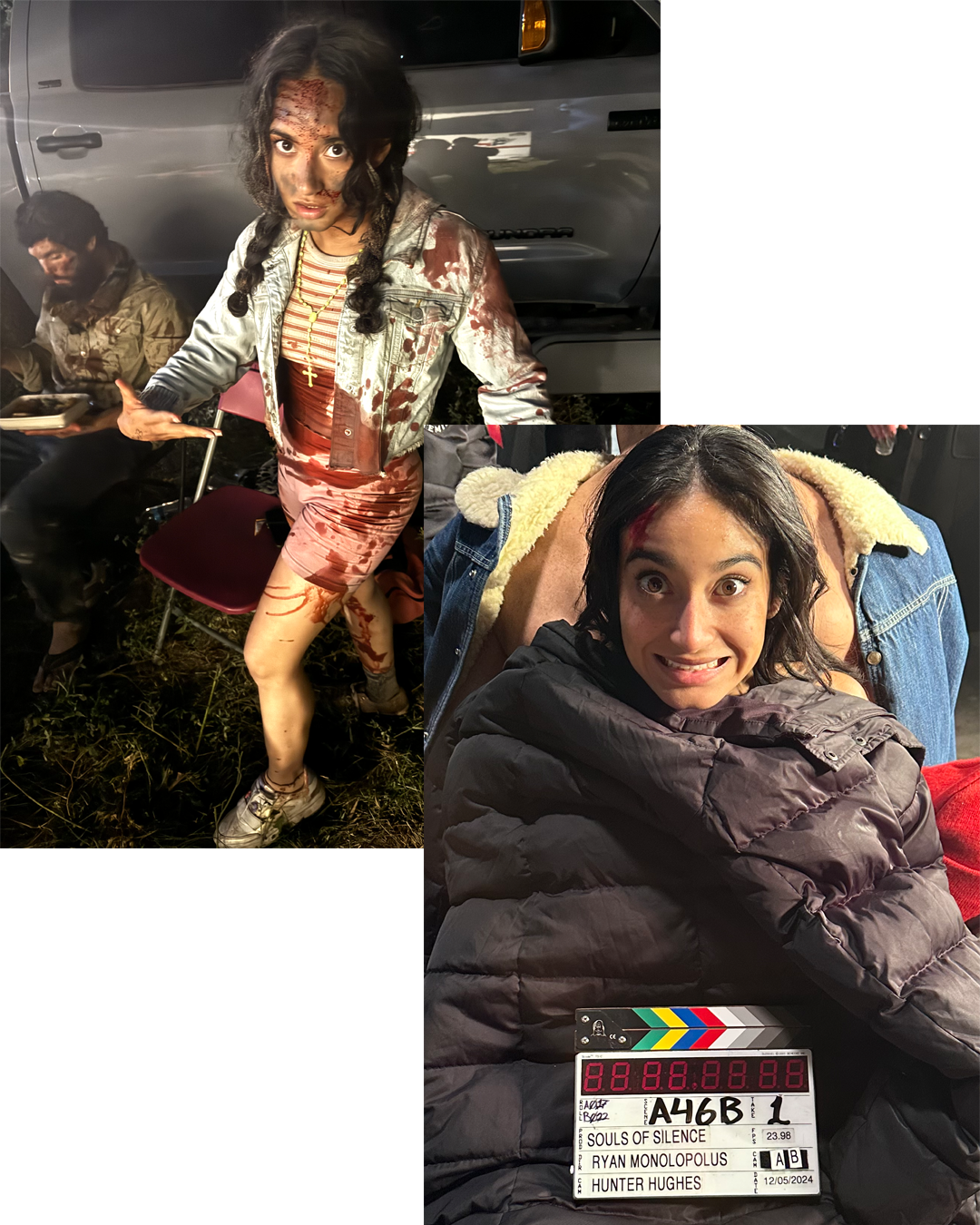
Never overextend yourself. Pushing your limits is inevitable, pushing past them is never okay. The hardest part is finding that fine line. Never say you can do something you aren't absolutely sure you can do safely.
Communication is key. If you are unsure of something but the whole set is moving fast and you hear them start saying “and 3.2.1..” say “HOLD!!” Ask for clarification, ask your questions, take a moment, fix your harness, adjust your pads. You are not an inconvenience. The paperwork that they have to fill out if you get hurt, is.
Learn to Perform for the Camera, Not Just the Room
Selling it for the lens, not for the room. A stunt can be technically clean and still read as nothing on camera if you don't understand angles, timing with the actor, and playing to where the shot actually is. That's a completely different skill from just being able to do the move.
Everyone can tell the difference from a stunt player and a stunt performer. One does the task and that's it, the other does the task but adds layers of acting and research to help bring the performance to life and service the story.
Remember That Consistency Gets You Rehired
Consistency and intensity is what actually gets you booked again, not one or the other. Nobody hires you twice because you had one great day, they hire you because you hit your mark the same way on take one and take fifteen, tired, in the heat, when the schedule's changed three times.
You spend most of your days doing drills until it's boring, because boring means it's real and repeatable. People picture adrenaline and glamour, the leap, the hit, the big dramatic moment and red carpets. What they don't see is that 95% of the job is repetition nobody sees.