Julia Jackman’s Guide to Creating Your Dream Film
Words: Rob Corsini
Make it stand out
When Julia Jackman had the idea for 100 Nights of Hero, she wouldn’t have even considered herself as a filmmaker. She’d made a couple of shorts, but the title still felt out of reach - the kind of dream job that, ironically, only exists in the movies. Jackman was born in Edmonton, Alberta - a province in Western Canada. Although it was a fairly big city, it wasn’t an arts hub like Los Angeles or London. “I knew I wanted filmmaking to be part of my life as a passion, but I didn't think it was necessarily a way to make a living, because who does, you know?” says Jackman.
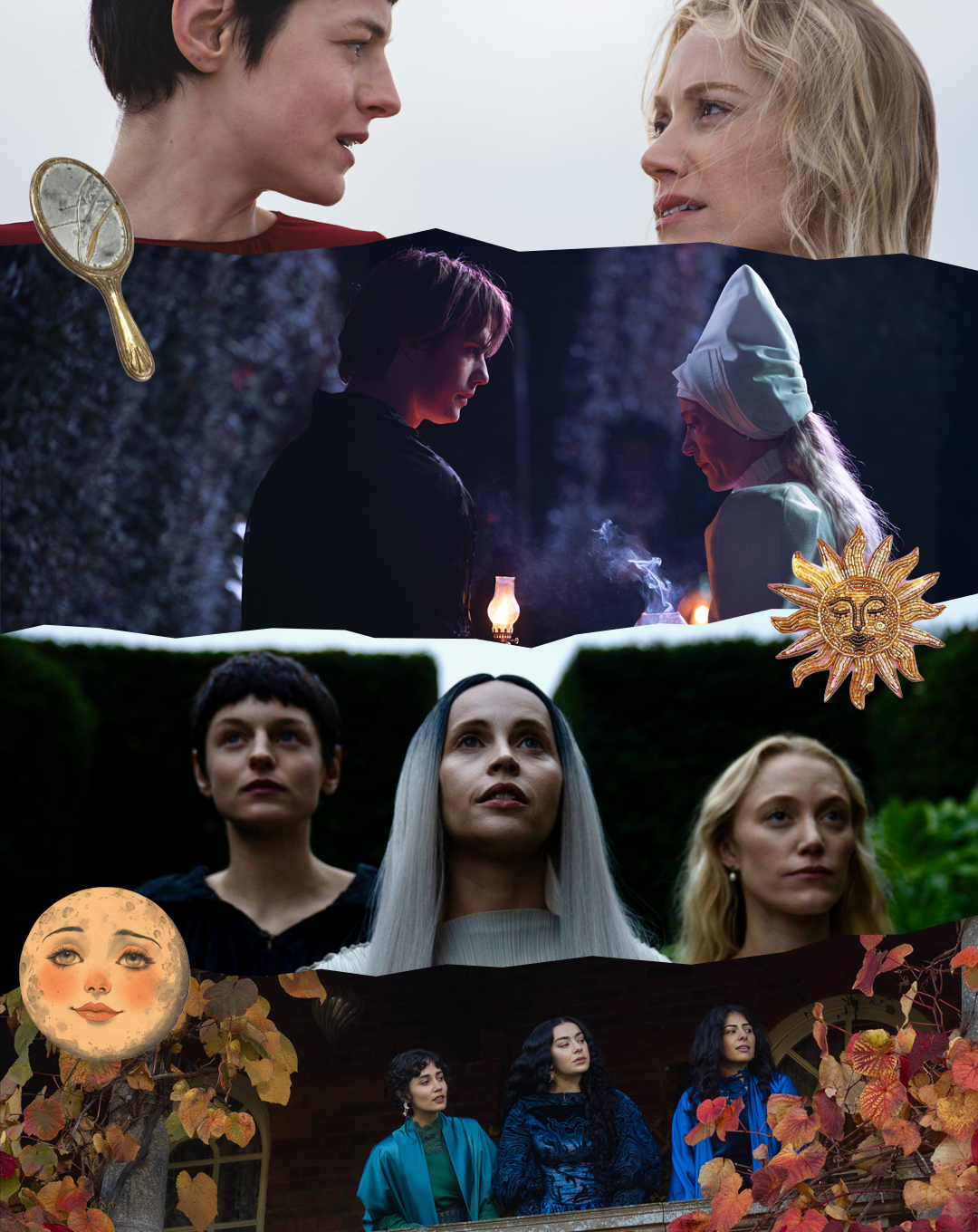
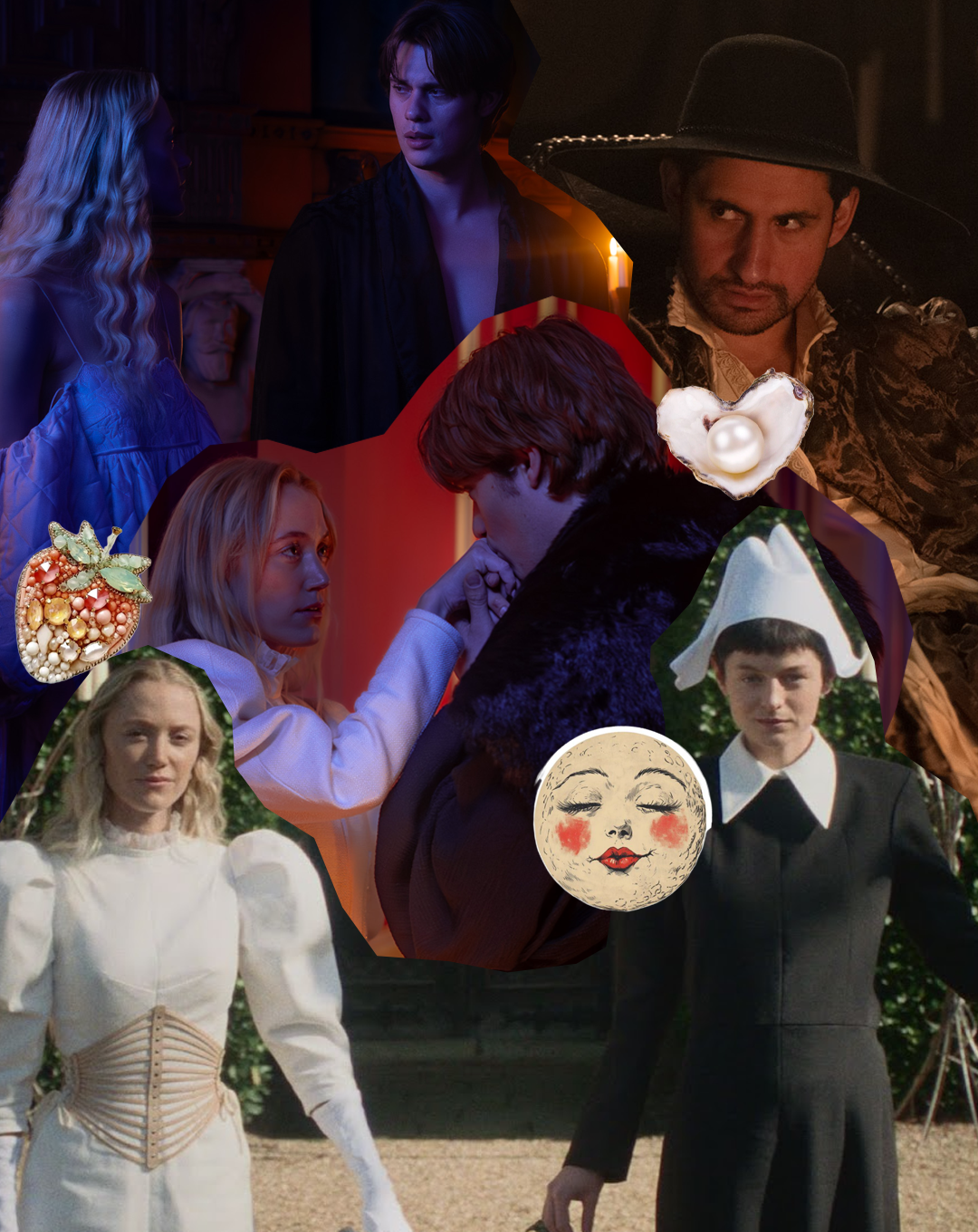
Over the course of a decade though, Jackman began to make filmmaking her career. Starting with short films - like Emma, Change the Locks and Your Mother and I - all the way up to her newest film, 100 Nights of Hero - a queer, historical romance set in a fantasy world, starring Maika Monroe, Emma Corrin, Nicholas Galitzine, and Charli XCX. The film was Jackman’s white whale - the film she’d dreamed of making since she was starting out, but didn’t think she’d ever be able to. “If I’d waited until I felt qualified, I would have waited forever,” says Jackman.
100 Nights of Hero will be released on Feb 6th in the UK. In this guide, Julia Jackman takes us through her tips for taking your first steps into filmmaking, maximising your budget, and her guide to making your dream film.
Don’t be Too Attached to a Single Path
People have such an idea now that if you want to do something, you only do that thing - but my first film job was translating a film scripts. Be curious about those opportunities and you’ll meet people. I'm really glad I said yes to things that didn't seem like direct pathways, because they led me to stuff that I wouldn't have expected. Hold your integrity and values, but don’t be too attached to a specific idea of progress.
Start With a Manageable Idea
I don’t really subscribe to ‘just get out there on your phone and make a thing.’ If you didn’t go to film school and you didn’t grow up in that environment, it’s not always that straightforward. The way I ended up making my first shorts was through writing a very small script - one room, no dialogue.
Reach Out to People in Your Situation
To make shorts, I wrote to film students and people who’d just graduated from the National Film and Television School. Those were the people who were my first collaborators when I started making films.
It’s Just a Series of Steps
All I was focused on was: will I be allowed to do this again? I submitted my first short, Emma, Change the Locks, to the BFI Future Film Festival - which is for filmmakers aged 16 to 25. That was life changing because you don’t need to know anyone and they look at every single submission. When I won an award, I received £750 and I used that to rent an Airbnb to make my next short. So just take it step by step. I still feel like that's my life now, trying to learn as much as I can to be allowed to take the next step forward.
Make Sure Your People Are Looked After
As a director, I obviously never sleep when I'm on set and I become a shell of a person by the time filming has ended - but your crew will really bear the brunt of a long shoot. If a film looks “more expensive” than it has any right to look, it's, it's down to the skills of the crew - costume, production, design, VFX. Find people that you love working with and treat them like gold, because they are gold. Don’t skimp on food. I’d dig my heels in for good coffee.
Maximise What You Have
There’s a saying in film that there’s never enough money and there's never enough time. But people do mean wildly different things when they say that. The big toys or the fancy shot should always be the first thing to go if the answer means skimping on the emotion of the story or skimping on people. Sometimes it breaks your heart a little bit, but if you have a story that you believe in and good actors, you’ll figure it out.
Your Dream Film Might Not Be Your First Film
If it's a sort of weird fantasy, period piece in a parallel universe, it might not be. But just keep putting those building blocks in place. Have a hard look in the mirror and think: is this really a first? I think I managed to stay in love with this idea because I put something down on paper. Put it away and say: I'll be back for you. When the right amount of time has elapsed, you’ll see it in a new light. Just because you’re taking a little break from something doesn't mean you're giving up on it.
