
keiyaA on Studying Jazz, Self Producing and Her Sophomore Album
Words: Tracy Kawalik | Photographer: Winter Browne | Makeup: Raisa Flowers Hair: Miss Kam | Styling: Isaiah Dorty | Videographer: Marie Koury | Photo Assistant and Camcorder Operator: Hayden Kelly
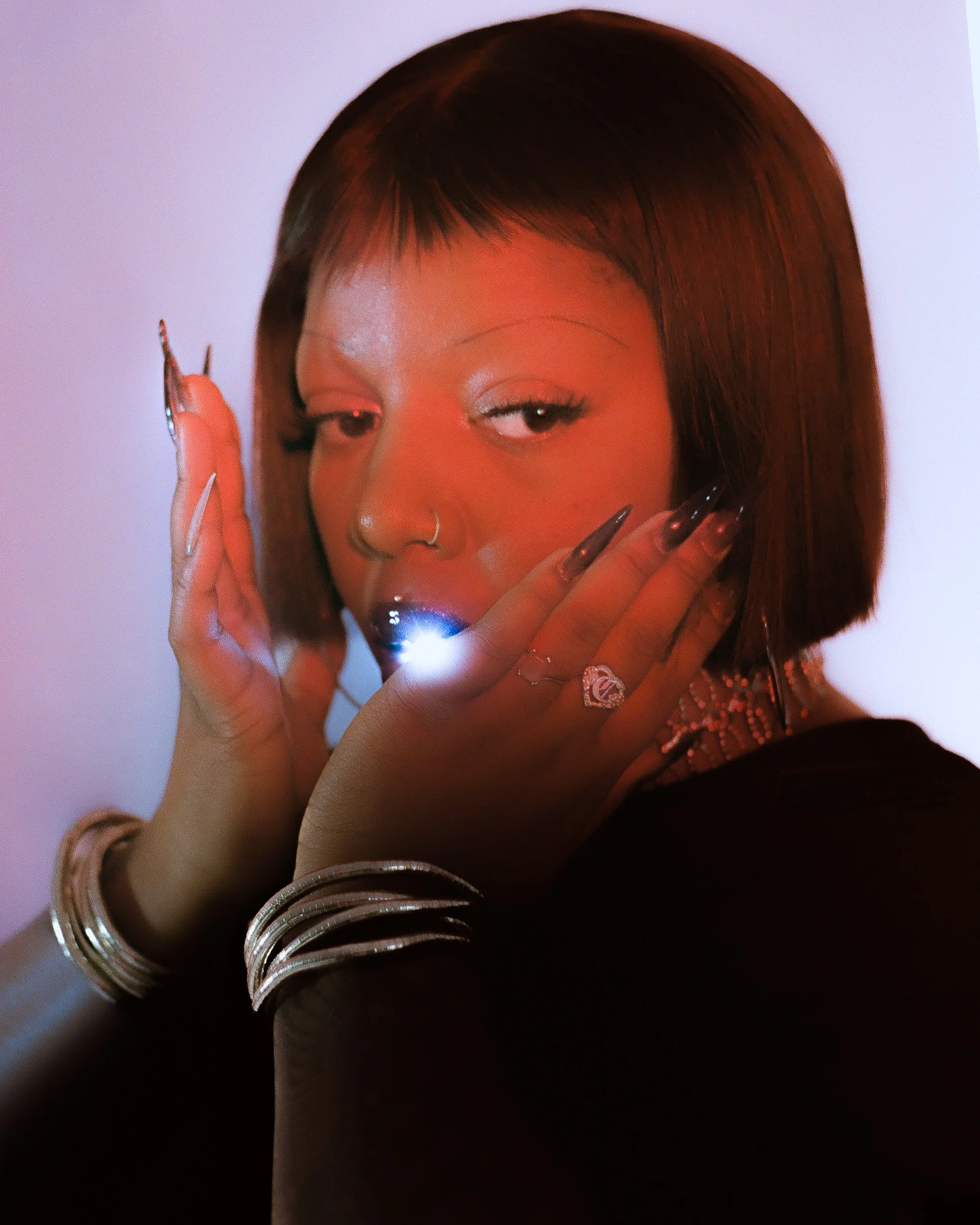
Rain pelts the pavement outside south London’s Corsica Studios, but inside, nobody is any the wiser. The sold out crowd is too transfixed by keiyaA, and the rumbling bass and laser-like synths that characterise her music. She is flanked by banks of kit, and her onyx locks billow in a fan’s breeze, as she croons, “I’m the Queen of the Night.”
Over a shimmering orchestral swell, and gospel chords that could open the heavens, her voice melts into the mantra of “stupid prizes”, and a refrain that’s less a confession than a testament to her sonic signature. “Tell me how I’m supposed to thrive / When all I’ve known is to survive / When all I’ve known is to rely on I?” she asks.
Brooklyn-based, Chicago-bred keiyaA is the singular architect of her artistic universe. In just five years, she has carved a path from bedroom producer to critically lauded auteur, hit a dark low, debuted her experimental stage play milk thot — a ritual of deconstruction and rebirth — then rebounded with its twin work, hooke’s law, a 2025 Album of the Year contender where she pressed pleasure and pain to cum streaked wax. Every lyric, instrument, sample, and beat is chopped, screwed, penned, and performed by keiyaA herself.
In the flesh, keiyaA pours heart-throbbing emotion onto the dancefloor with genre-bending bravado. In the two-part think about it / what u think?, keiyaA riffs on a sapiosexual hook-up with auto-tuned swagger while playing bamboo flute, before a feverish drum break, while on until we meet again, she delivers brave bars grappling with grief following her brother’s murder in 2023.
“What I want people to experience when they hear hooke’s law is what I experienced when I made it: joy, pain, horniness, anger. I hope it’s cathartic and healing, especially for Black women, Brown and dark-skinned women, and fat people”
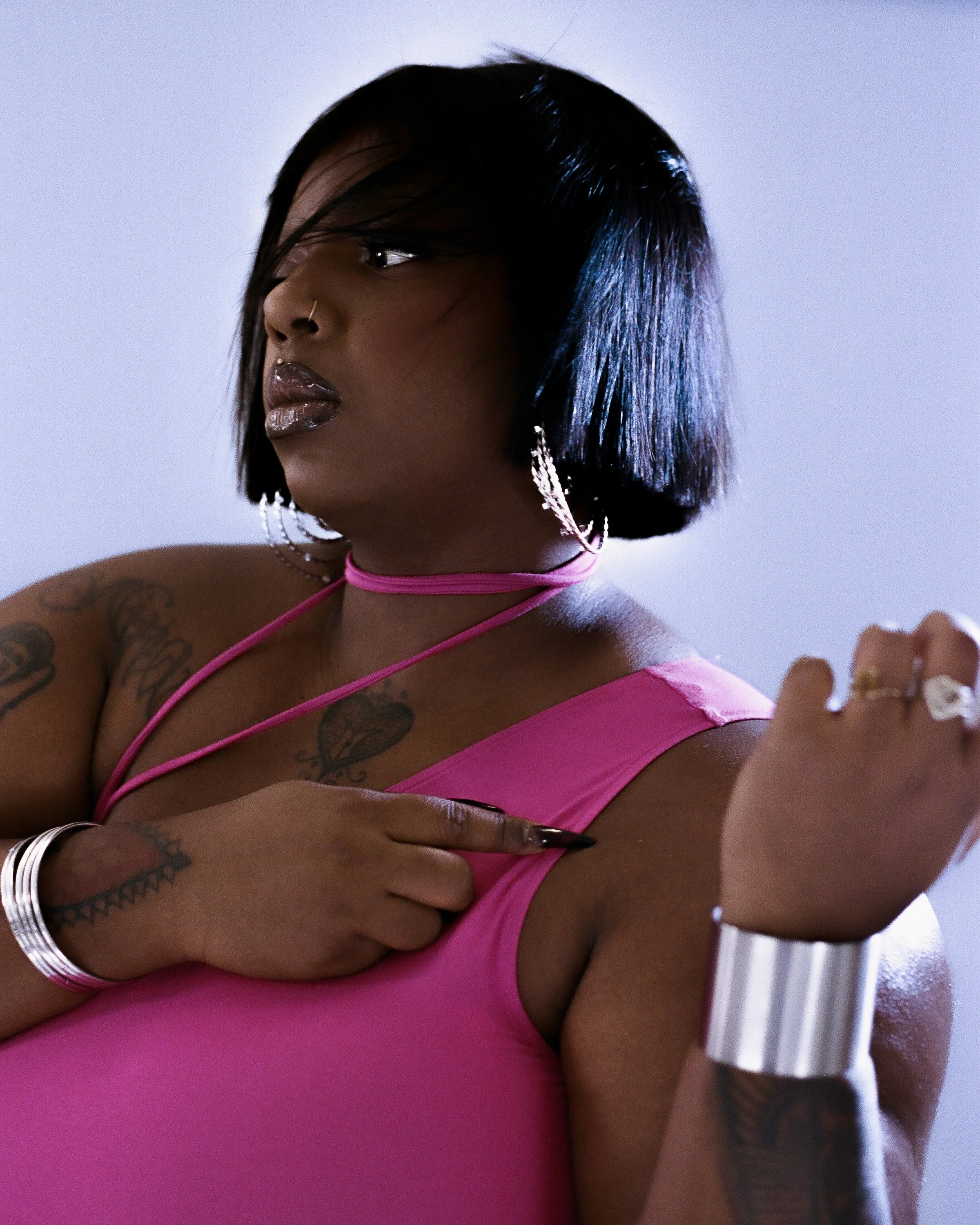
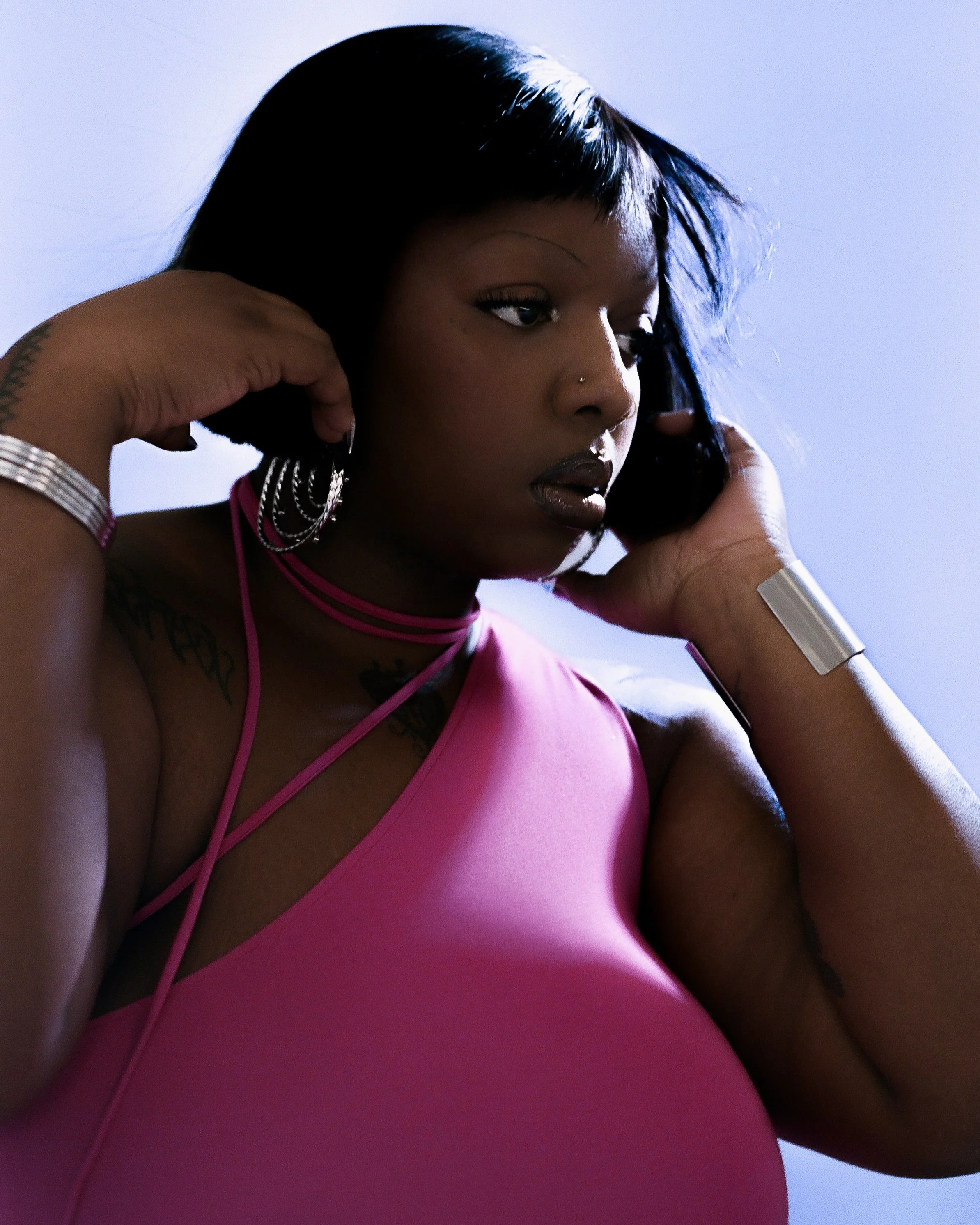
Dress: Tyler McGillivary via RX Studios | Shoes: Steve Madden | Earrings: Laruicci | Cuff: UNAPLGTC
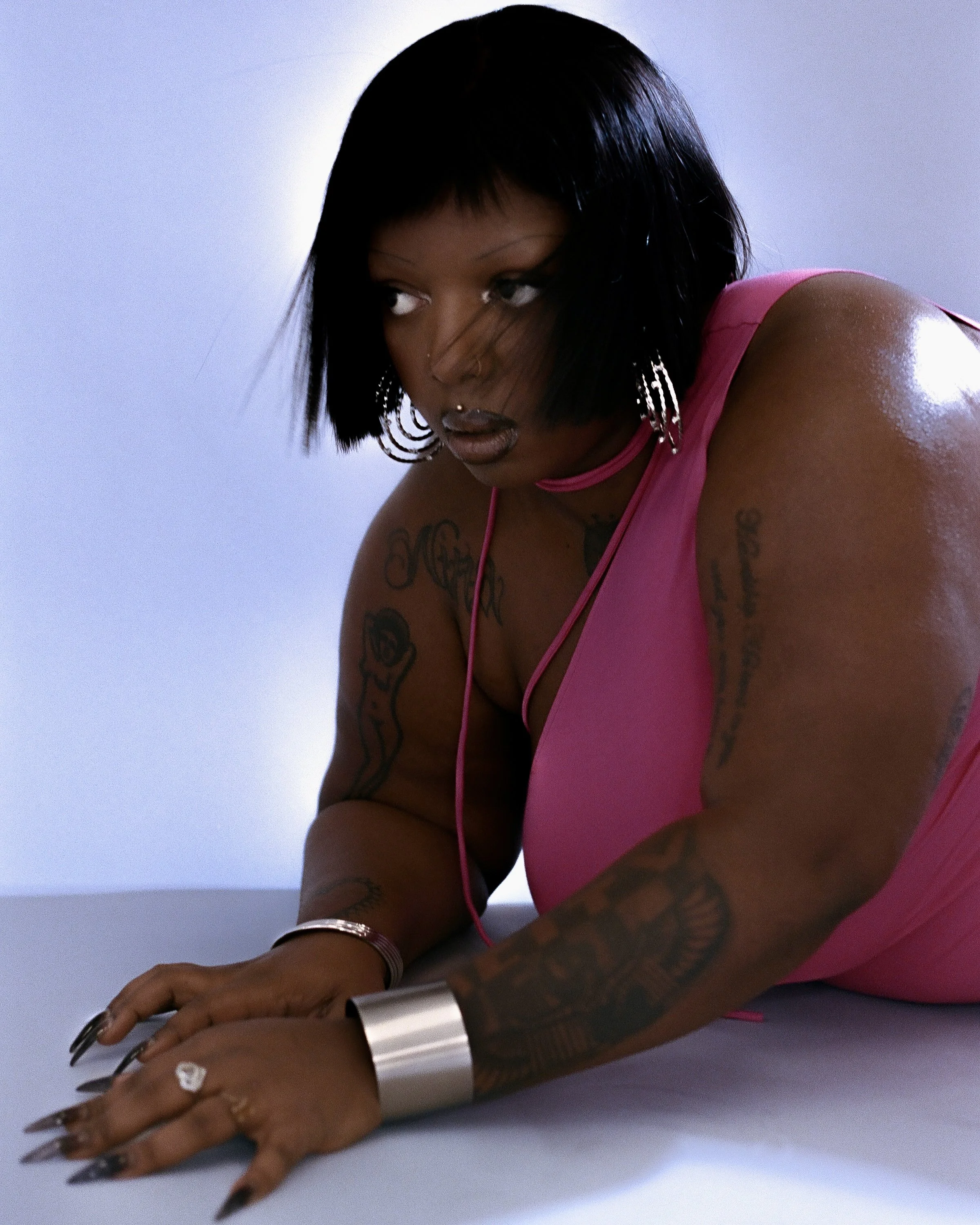
“What I want people to experience when they hear hooke’s law is what I experienced when I made it: joy, pain, horniness, anger. I hope it’s cathartic and healing, especially for Black women, Brown and dark-skinned women, and fat people,” she tells me, when we meet on the morning of the Corsica show. She is sipping tea in a Vantablack keyhole dress with a high slit, at the headquarters of her label, XL Recordings.
“These are emotions we’re often not allowed to experience without some kind of connotation; usually negative, usually shaming, usually demonising,” she carries on. I” hope this music becomes a way for us to embrace our humanity more fully, and to carry that lens with us into the future.”
Hooke’s law is a principle in physics describing tension, force and momentum which became a metaphor for keiyaA’s sophomore album, 5 years in the making. “A downward spiral is a loaded spring,” she says. “You go through hell, you get pulled down, and then you fly forward.”
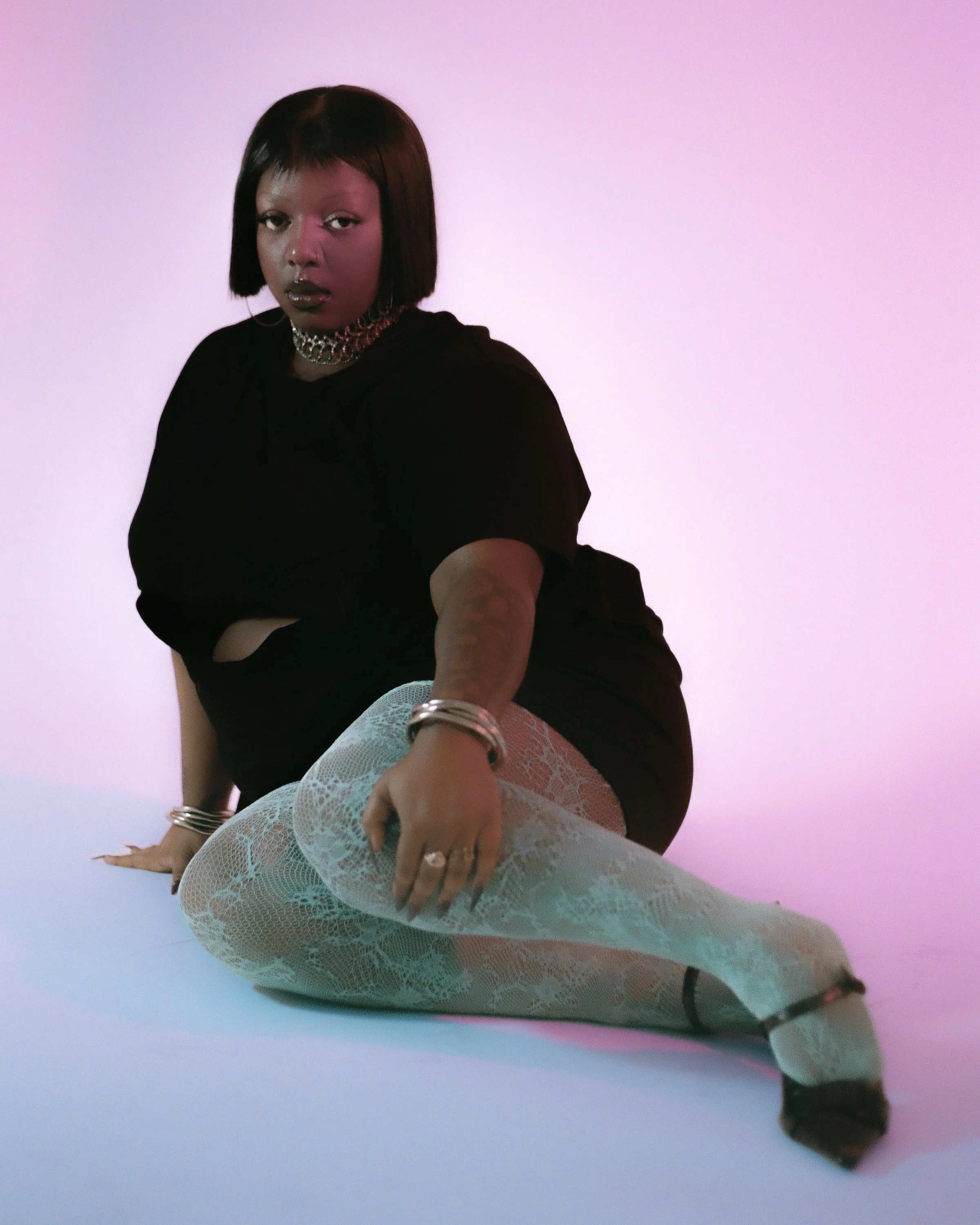
Dress: Laruicci | Shoes: Steve Madden | Choker: Laruicci
keiyaA, born Chakeiya Camille Richmond, was raised on Chicago’s south side, on a dynamic diet of Neo-soul, Soulquarians, Slipknot, punk, gospel, and jazz. She cut her teeth singing in the Chicago Children’s Choir before picking up the alto sax in seventh grade. Her musical influences spanned a wild spectrum, from Chaka Khan, Patrice Rushen, John Coltrane, and Miles Davis to Nirvana, Linkin Park, and Siouxsie and the Banshees.
Music came naturally to her from an early age when she began picking out melodies by ear on her grandmother’s keyboard. Strong grades placed her on Chicago’s academic fast track and landed her a spot in the high school band a year early. “My band director was very serious about everybody competing, and I was kind of thrown into it,” she said. “I already loved music, but I didn’t really care about the saxophone. I picked it because this girl I wanted to be friends with played saxophone. I wanted to sing.”
Deterred by conventional vocalists, keiyaA initially shied away from following her heart. She didn’t believe in herself, and her family believed that anyone who made money from music—or was meant to—was born a prodigy, but a relentless practice schedule enforced by teachers helped her level up.
keiyaA found her way back to singing in college while studying jazz performance on sax. Surrounded and encouraged by fellow musicians, she began taking piano seriously, and her love for production grew, too.
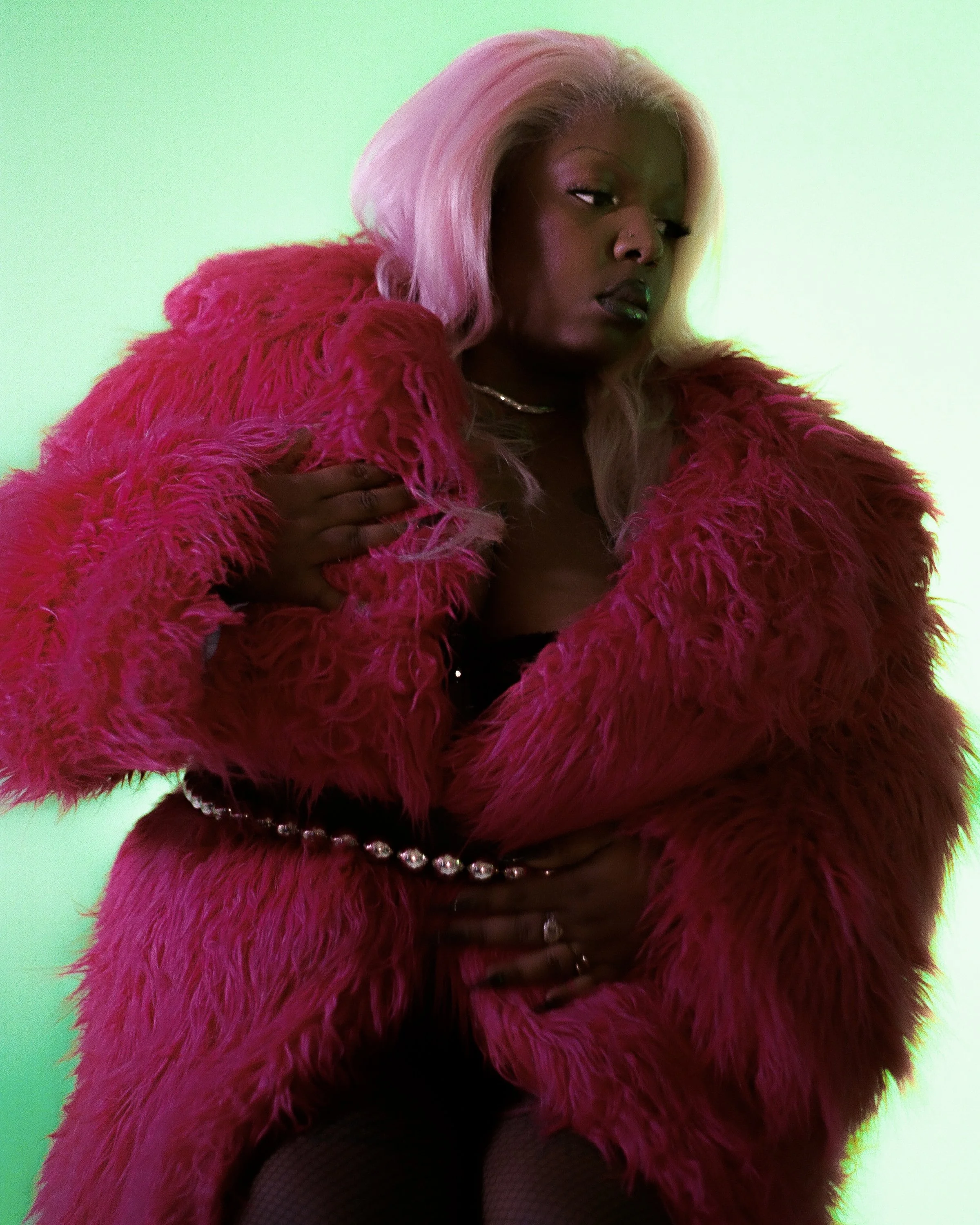
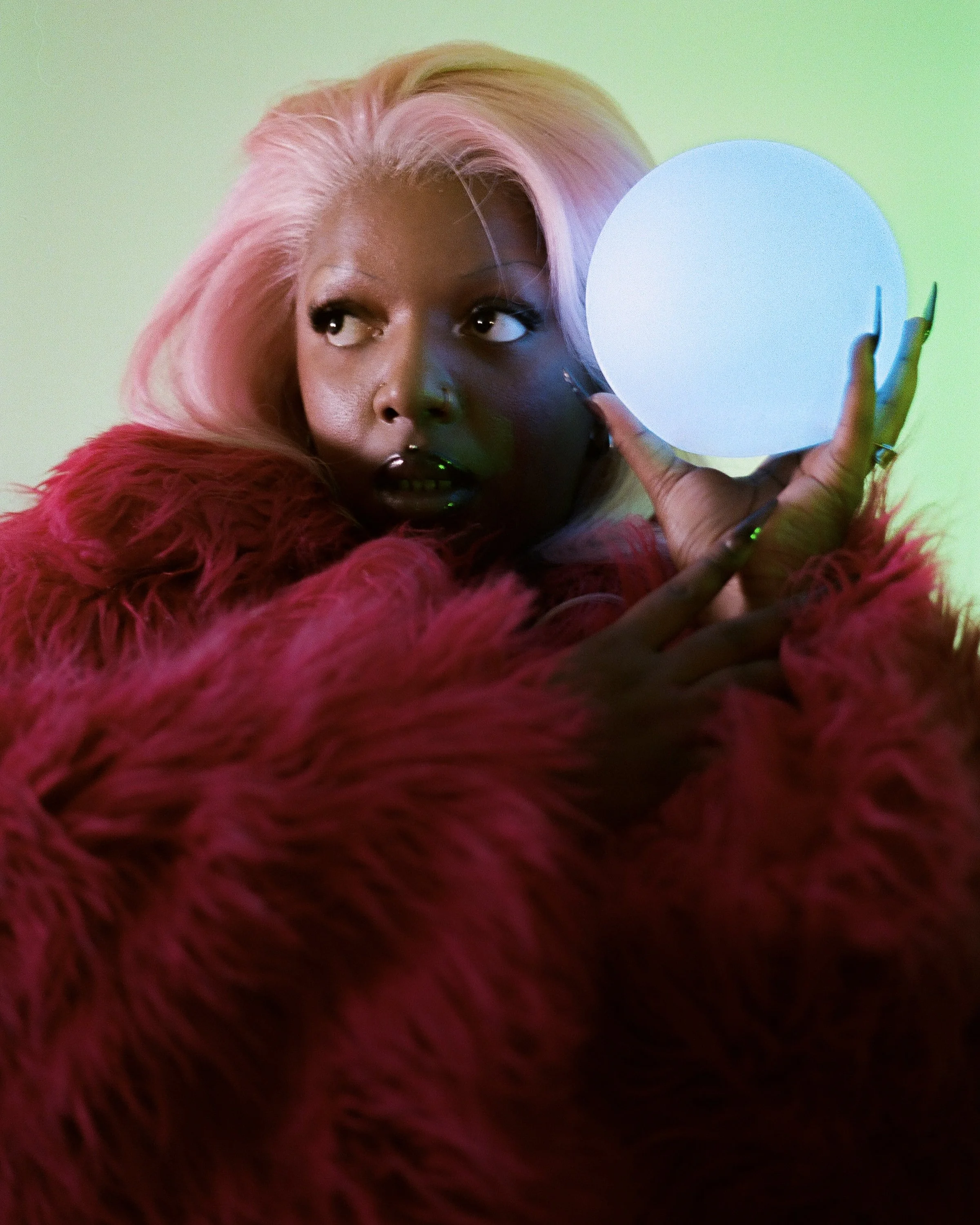
“It was really in college, when I started to see local rappers outside of the music program or people who maybe went to my school or had friends there,” she explains, curled up on a silver couch. “They were producing, writing, and recording their own music entirely on a laptop. I didn’t even know you could do that? Like, I thought you needed one person per instrument and a big ass studio and an engineer in that studio, and then perform it with that same band. Realising you could have that kind of freedom…it was so liberating.”
keiyaA giggles as she remembers her beginnings. “I started out with a really shitty, Acer laptop that my grandma bought me from Walmart,” she says. “I got a crack of Reason and FL Studio [music production software], and just started making little beats. Of course, I would show my friends, and they’d be underwhelmed, like ‘Ooh, it sounds like your first beat,’ and I'm like ‘It literally is!’
Wasting no time on naysayers, however, keiyaA kept cooking. Inspired by like-minded experimentalists such as Kelela and FKA twigs, she says: “I was lucky to have artists like them as examples. People like Kelela who might be considered to be starting at an age that’s ‘too late,’ but who are fire, singing in an R&B/pop vein over crazy beats. Twigs, in a similar way, was proof there were more options.”
In 2020, amid a global pandemic, keiyaA released her own self-produced debut album, forever ya girl, on her own label forever recordings. Her homegrown blend of R&B, bedroom pop, deconstructed club, and bold bars about self-protection — like “before I put this pussy on your sideburns / I need to check in with my heart and mind” — propelled her onto a critically hyped trajectory.
“I’m looking forward to singing this around the world. I feel ready for sweetness and softness - to sit in that and sing for a while. I want to explore how much living can I do? How far can I push the limits of the human experience?”
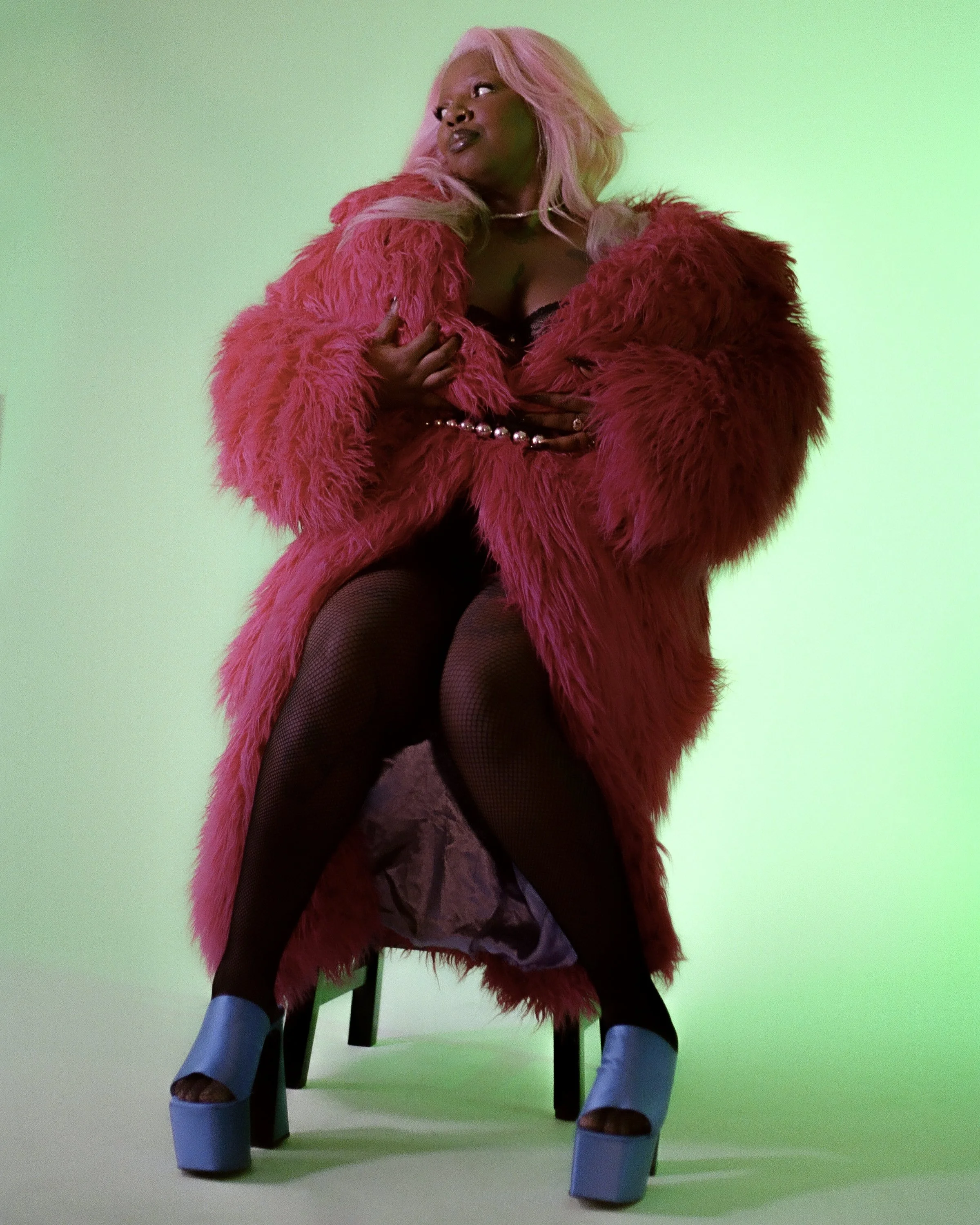
Coat: Twiggy Moore | Shoes: Brandon Blackwood
“I did not expect it to blow up,” she says now. “Looking back on it, it makes perfect sense. You would have thought that I strategised the way everything aligned, even by looking at who I was around. But I really didn’t, it was just me naturally moving.”
By 2021, keiyaA was performing on Tiny Desk and catching the attention of new fans like Earl Sweatshirt, Solange, Blood Orange, and Jay-Z — but it was all happening too fast.
“I just wasn’t ready for that level of critical attention, or the kind of cultural significance that can happen in the underground,” keiyaA laments. “Even now, I watch friends and other artists — some who don’t have as much acclaim or as many fans — and I love and respect their work. I see how they move through the same festivals and shows I play, but more openly and freely or how they connect.”
“I think when we reach a similar level, they have more to fall back on. Versus, that I just kind of jumped up, and everyone was like, ‘Oh, you’re keiyaA already.’ Don’t get me wrong, I’m grateful for everything, but on a personal level, I almost feel like, ‘Damn, I wish I’d had a little more time.’ Been a little more sure in myself, visually, artistically, and on a human level, had a little bit more of my shit together before all of that, you know?
“What helps me,” she reasons, “is listening back to forever ya girl. When I actually listen to the music, I think, ‘This shit is crazy.’ I still don’t really hear anything that sounds like it. So I just have to do me - 100%.”
On hooke’s law, she plays every instrument and every sound on the record. keiyaA is producer and singer-songwriter, swerving between synths, flutes, hardware and visceral emotion. Alongside the album, she debuted the experimental stage play milk thot, exploring her experience as a survivor of sexual assault, with themes of deconstruction and rebirth.
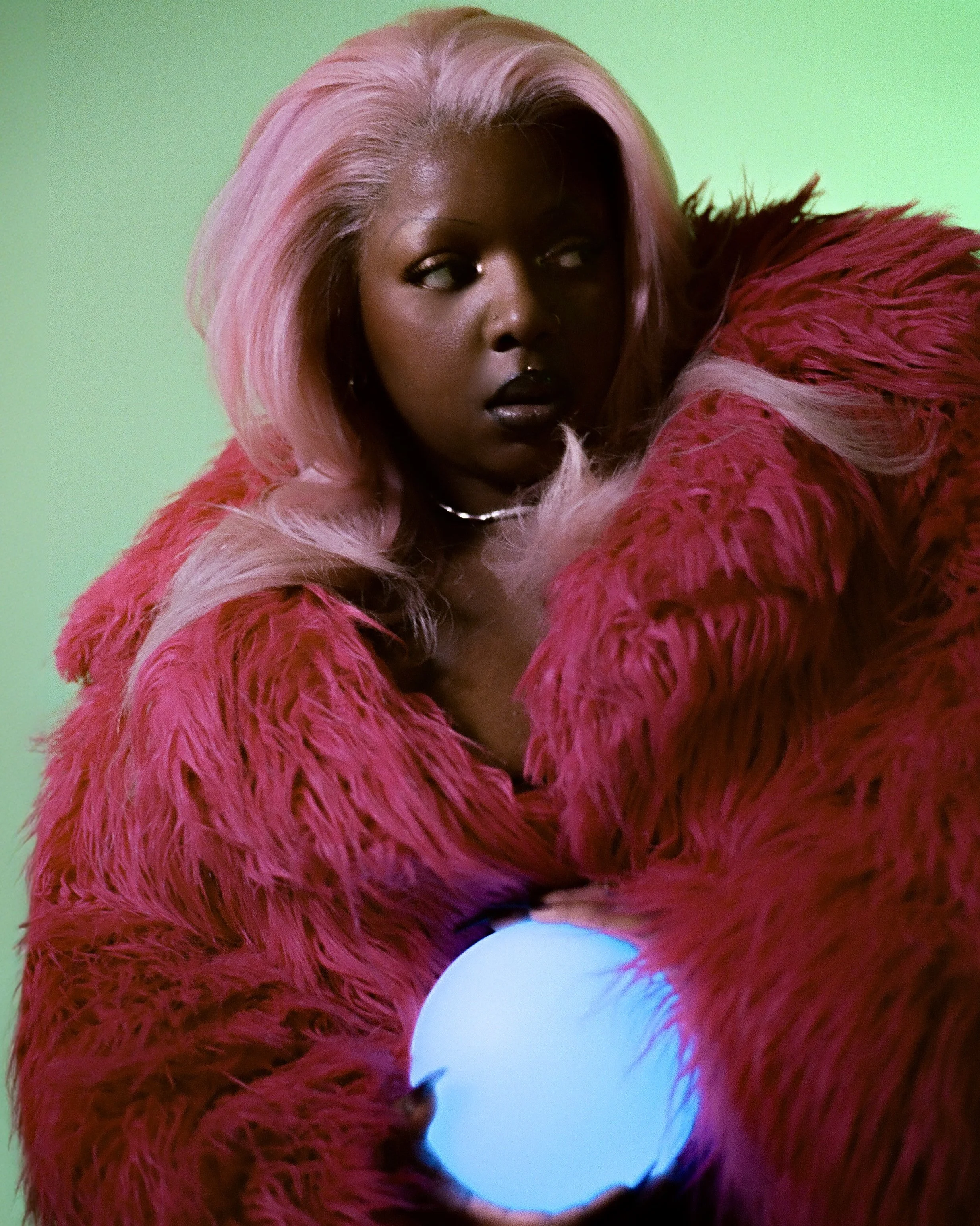
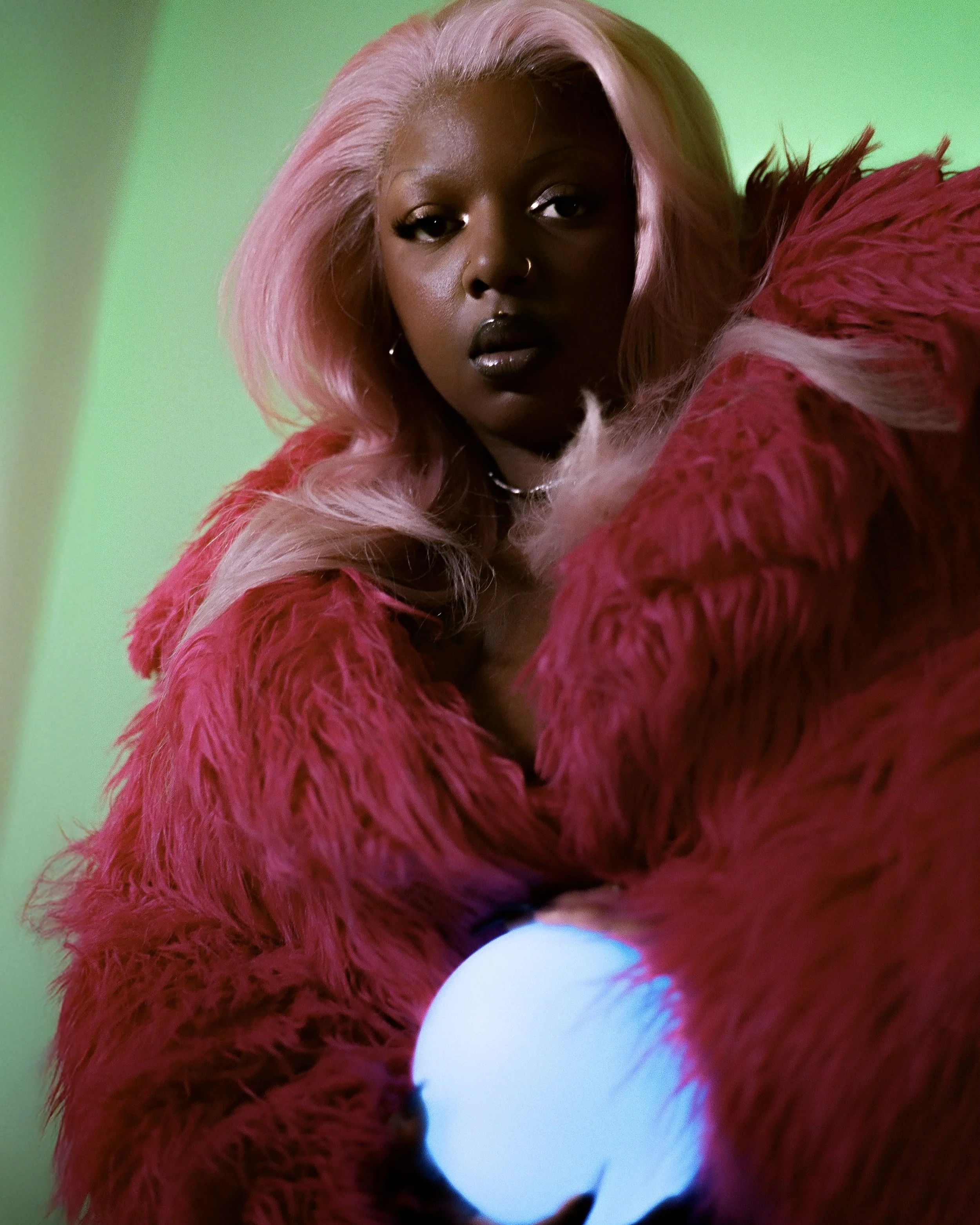
When hooke’s law, the play’s twin work, arrived, keiyaA was clear: “This is a self-love album, but from a different angle than the ‘You’re a Black queen, take a bath and light a candle’ kind. Nah - this is scream, cry, break glass, kick shit over. Let yourself fall apart. Look at yourself in the mirror.”
She pressed the play’s music and her reflections on trauma, rage, grief and sexual liberation to jet-black wax.
“I felt like I had to own my sexuality and sexual curiosity,” she says, “and put it out there for everyone to see, so I could reclaim my agency.”
As we hug goodbye, keiyaA considers what comes next. “I’m looking forward to singing this around the world. I feel ready for sweetness and softness - to sit in that and sing for a while. I want to explore how much living can I do? How far can I push the limits of the human experience?” she says, smiling. “I’m looking forward to fans and myself experiencing the catharsis”