
Lab Gurrrl’s Guide to Making Makeup for a Living
Words: Gina Tonic | Pics: Simran Kaur | Guide: Lab Gurrrl
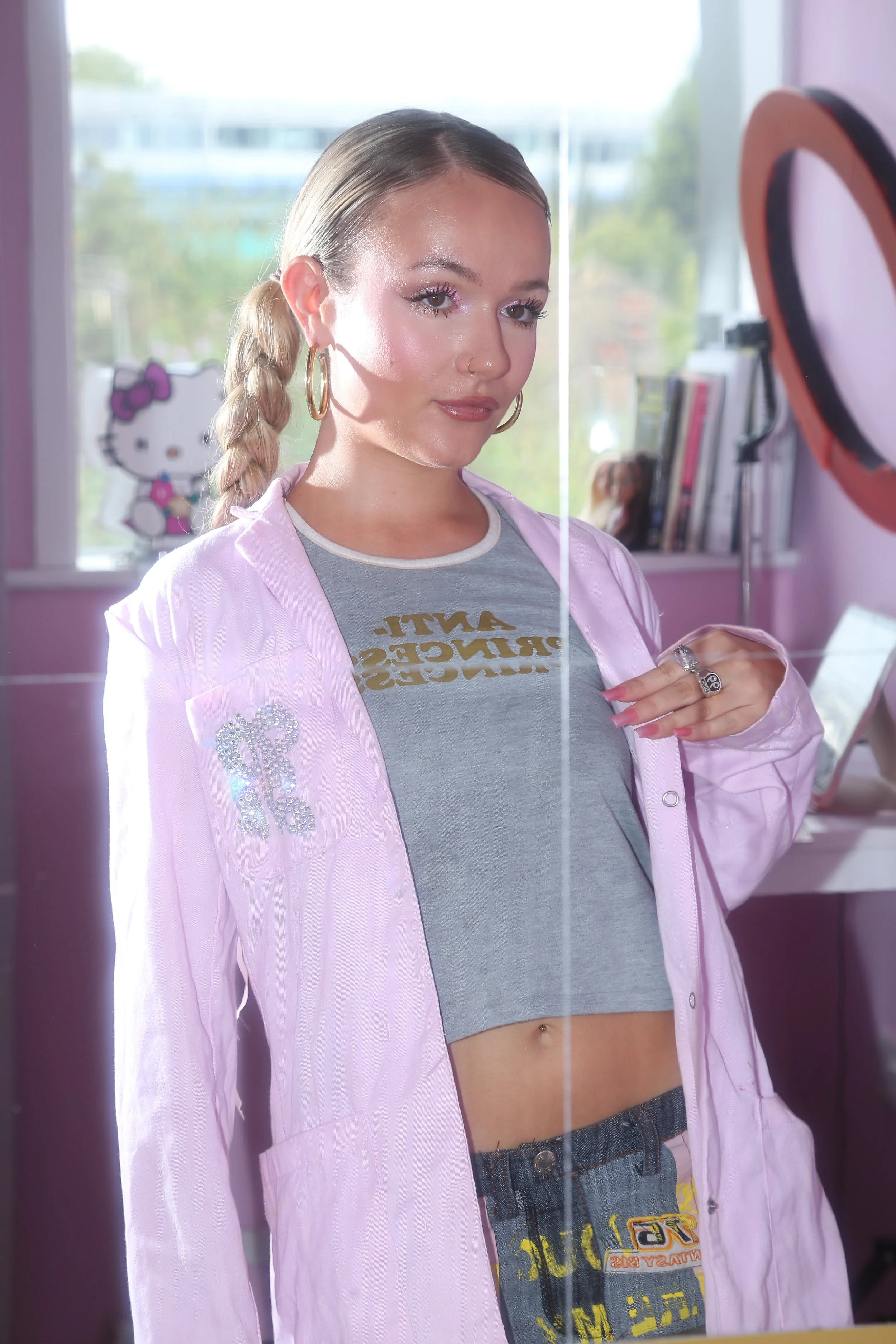
Rosie Warren, best known as Lab Gurrrl, didn’t grow up wanting to make makeup. She wasn’t even especially interested in chemistry, she was just good at the subject in school. It was upon flicking through a magazine her mother had delivered to the house that Rosie realised that the production of cosmetics could even be a career. In its pages, the founder of MDMflow, Florence Adepoju, detailed her own path to starting her dream brand, and Rosie decided she wanted to follow suit.
In the guide below, Rosie talks us through her own journey to becoming not just a certified cosmetic chemist, but also how she’s turned her lab work into a front-facing social media presence that inspires others to enter the world of beauty science. Or at least, understand the specifics that go into making a shimmer eyeshadow shimmer and lip gloss pop.
Do A Specific Cosmetic Science Course to Get Into The Industry
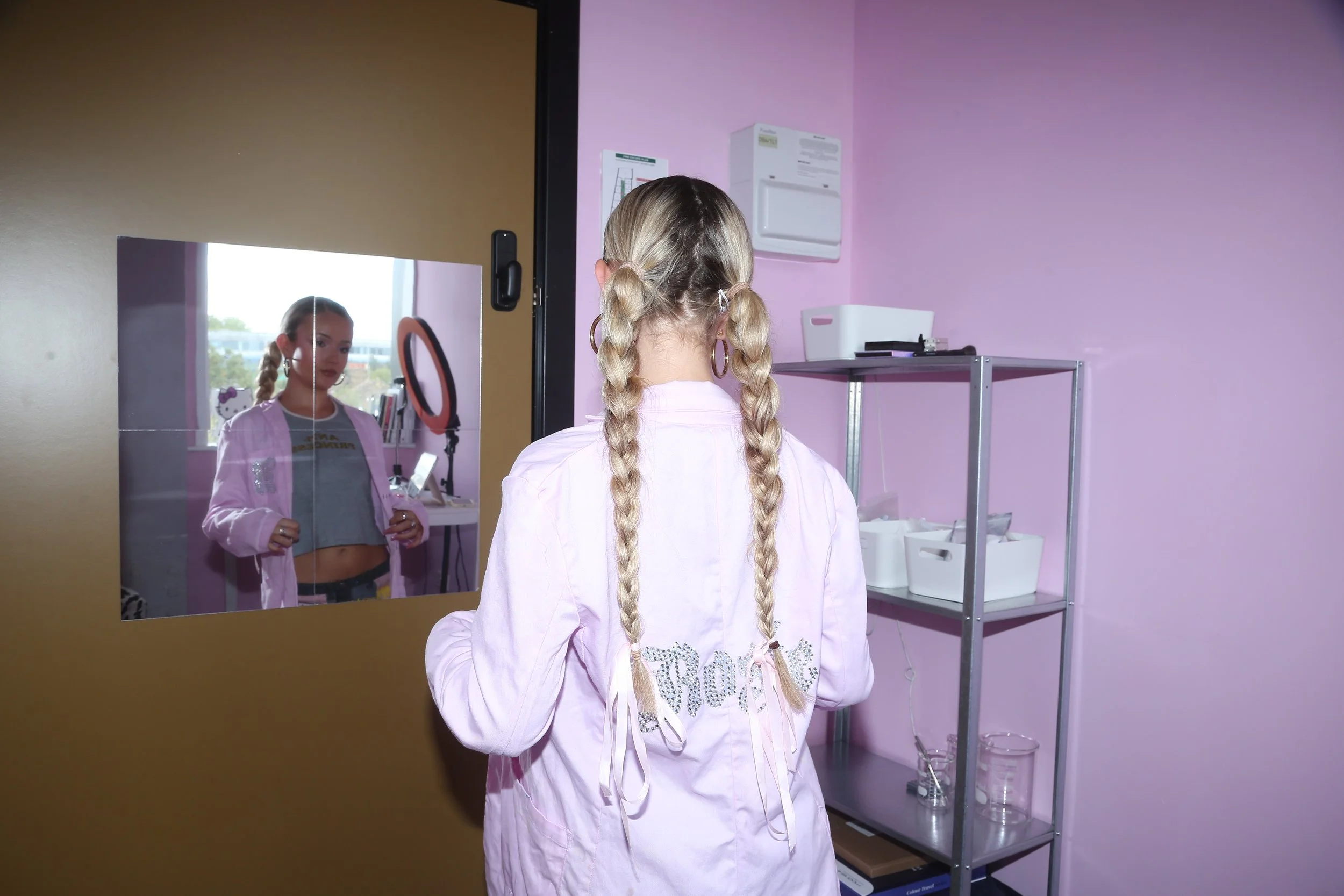
In the article with Florence, it said what university course she did so I basically just made it my mission to go there too. It was an MSC Cosmetic Science at London College of Fashion and it was like a five-year course. As part of it, I worked for a year as a colour cosmetic formulation chemist, where I made makeup for brands.
Then I came back to uni, finished my masters and now I’m mainly doing my own thing. I work back at my old university, I do some lab teching, and then I also am working on a research project with a sustainable beauty brand. I think I'm still under NDA with them so I can’t say any more. But it all is going towards making my own brand eventually, which was my goal since I read about MDMflow.
Network Network Network
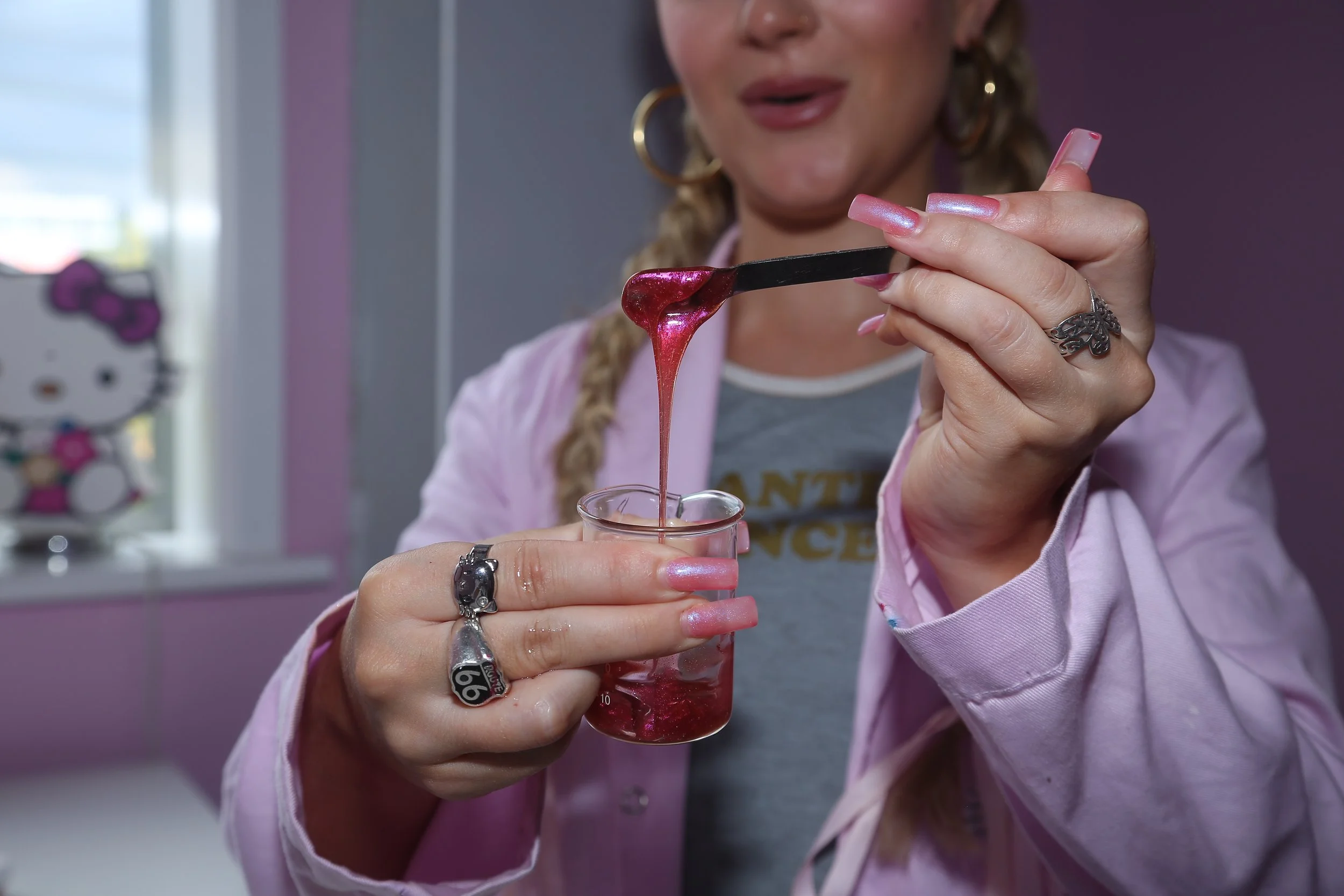
My biggest piece of advice for anybody getting into this career is to network because it's so friendly and while obviously it's a huge industry, everyone knows everybody and everyone's always open to talk.
If you send people a message on LinkedIn, they will reply nine times out of ten. I have met so many people that way who have helped me so much with everything. After I first graduated, I really had no idea what to do, and I just messaged a woman who I admired on social media. She had her own lab, which is what I wanted for myself, so I was just like, "Hi, do you want to meet me for a coffee?:
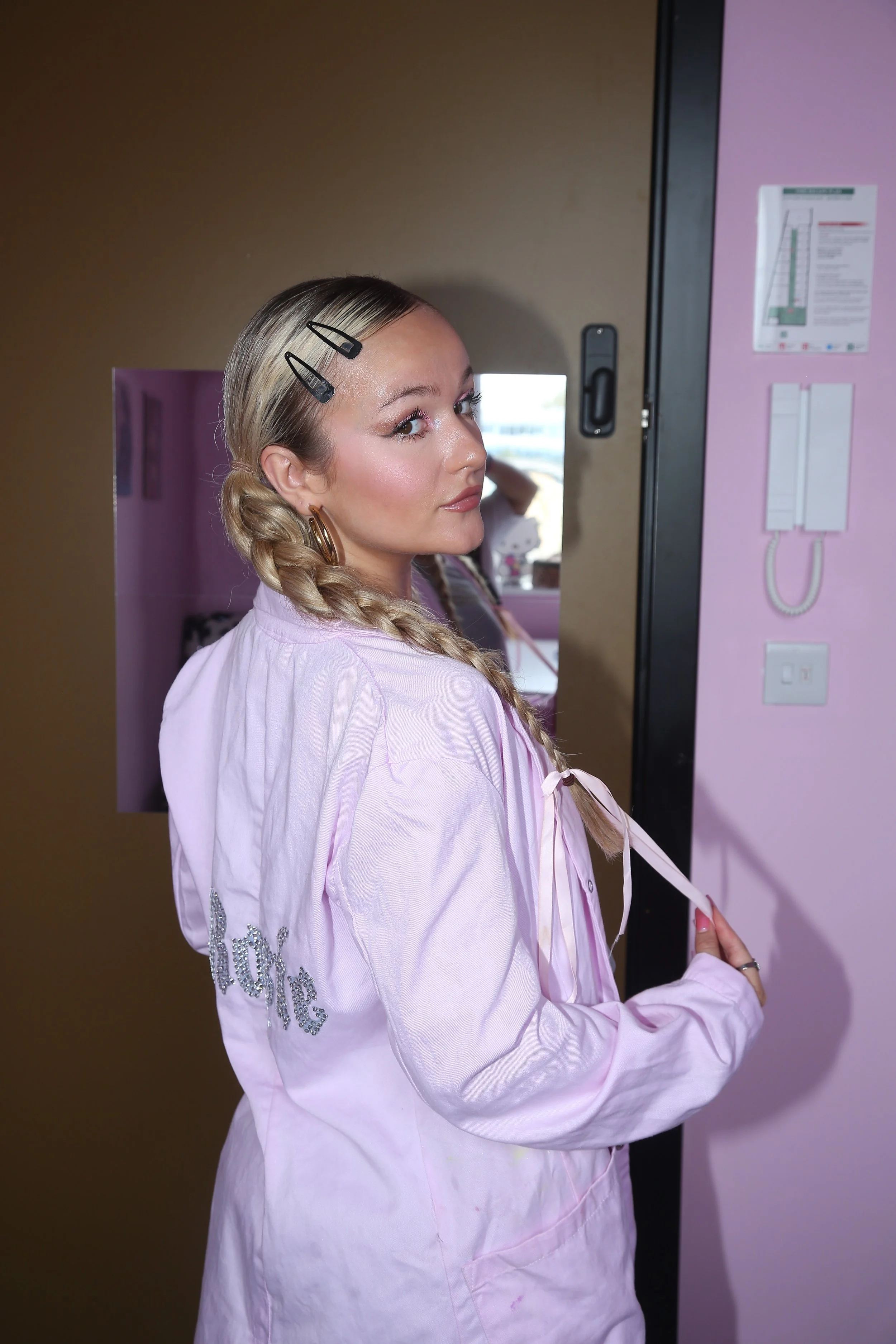
She was so sweet. She met me one time when she was in London, and sat down with this graduate - me - for two hours and just told me pretty much everything and she really didn't have to do that, but it helped me out massively. Networking can be intimidating but I promise, most people are nice.
There's a lot of events that you can go to as well. One of my friends studied chemistry and then he wanted to get into formulation chemistry, so I took him to some seminars with me and that helped him get into it. It works!
Continue Your Research
I’m always researching to not just keep myself on top of anything new in the industry, but to be sure of my knowledge, especially when I’m sharing facts in videos,. If it's about ingredients or mechanisms and stuff like that, I’ll look at scientific papers usually. The Journal of Cosmetic Science has like all of the papers as well as a few different textbooks and magazines. I have like basically a list of stuff that I'll go through, check it out -
Books:
"Discovering Cosmetic Science" by Stephen Barton
Papers, journals, articles:
https://www.cosmeticsandtoiletries.com
https://www.scconline.org/Resources/Journal-of-Cosmetic-Science
Courses and formulation:
Be Flexible
Regulations are always changing, so you can’t get set in your ways. Ingredient bans are always a massive issue although usually, it's a good thing because it will be being banned because of maybe environmental causes or something serious.
Even with my own brand, I'm taking it so slowly and carefully because I want to make sure that I can launch it everywhere. You can make something, and then you have to completely change it to go into a different market, because we all expect to be able to get everything everywhere now.
Stay Curious
It’s important to stay curious and keep trying new products, playing with their formulas and feeling textures. Even just go into a Sephora and touch everything, then turn it around and look at the ingredients.
It's very sensory, and I think being interested in the sensory part of cosmetic production is a good thing to get into from early on. I remember in my first year of uni, there was this guy who could swatch a product and then be like, ‘It's got this ingredient, this ingredient, this ingredient.’ I remember being like, "Whoa, that's so cool!’ Now I can almost do the same thing. It’s worth practicing.