Words: Lauren O’Neill
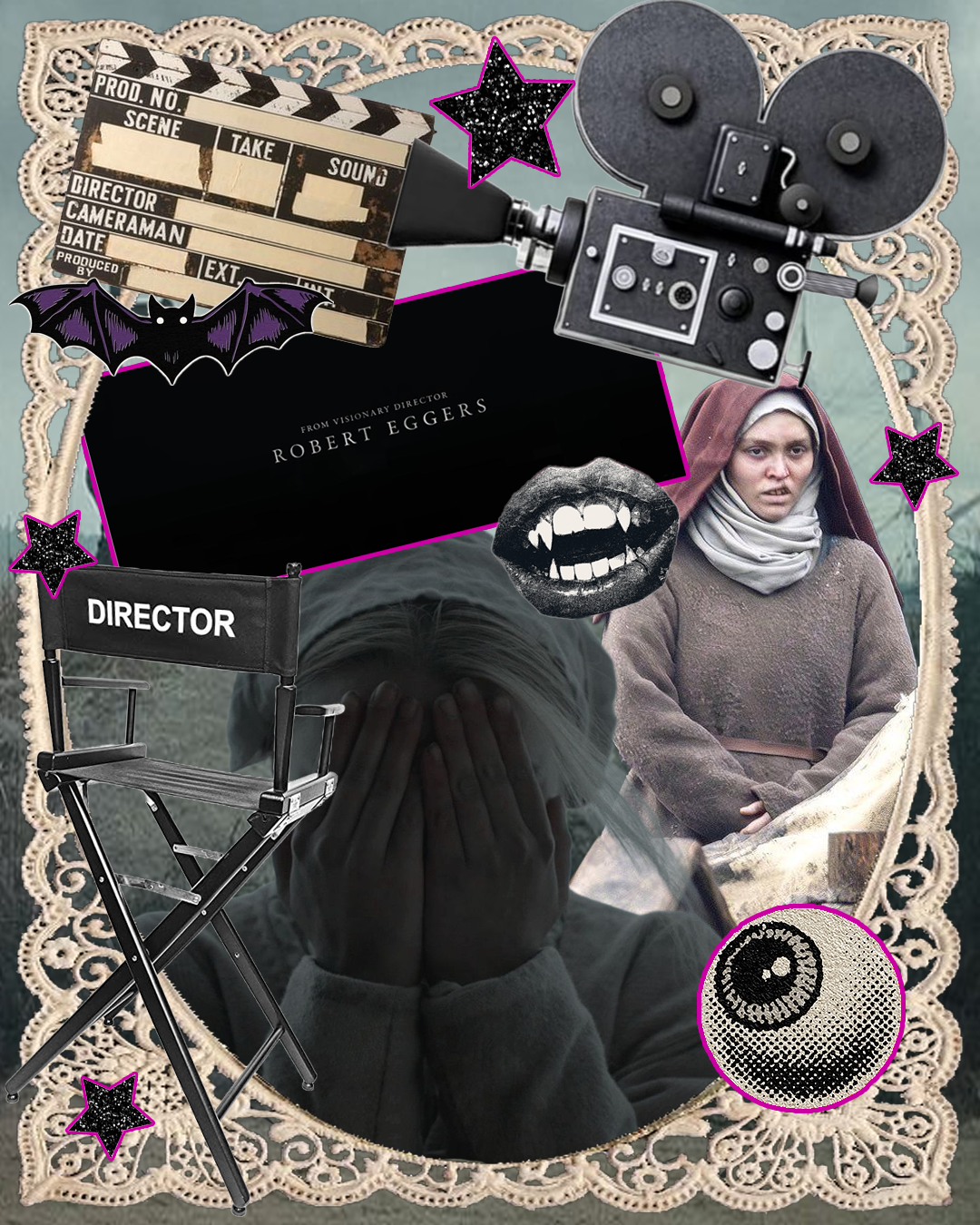
One of the most anticipated films of the next few months is Robert Eggers’ Werwulf. In its preview trailer, which is awash with the grim and the grotesque, there’s a lot to be scared of: monsters, a mysterious threat haunting a medieval village, Willem Dafoe giving yet another of his signature ‘really freaky guy’ performances - it’s all there, baby.
The fact that the film is supposed to be a collection of horrors, then, makes one thing about the two minute-long clip stand out. Lumped in alongside all of the genre elements we’ve come to expect from Eggers’ folk horror - terrifying rituals, a possible curse placed on a young boy - is the image of Lily Rose Depp, as the wife of the titular Werwulf (played by Aaron Taylor-Johnson), with a cleft lip. ___STEADY_PAYWALL___
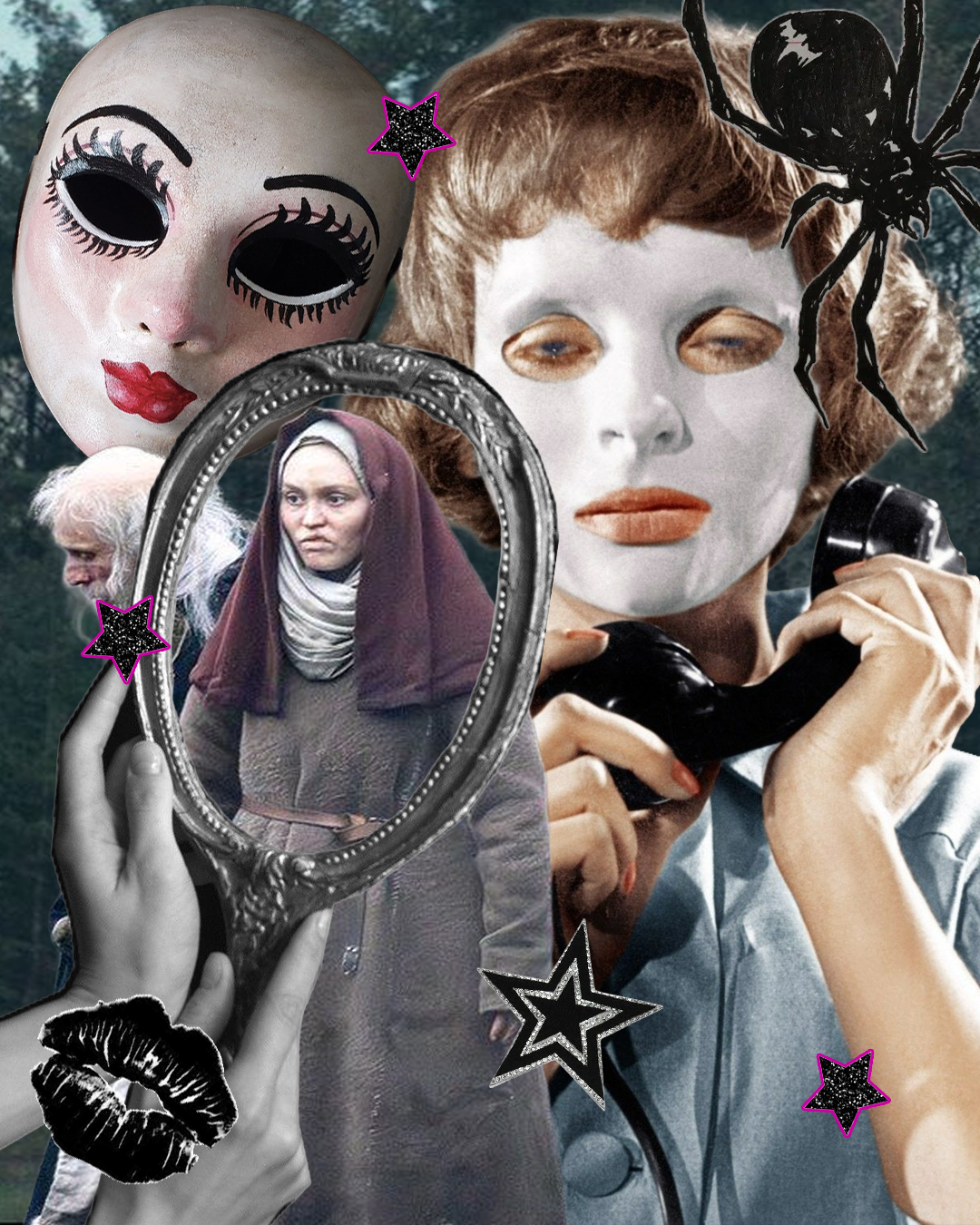
As Bella Younger wrote previously for Glamour - when an onset photo emerged of Depp wearing the prosthetic makeup in a newspaper - this, quite patently, sucks. “The news outlet,” Younger noted, “described [Depp] as having been ‘de-glammed.’”
It’s clear that part of this statement can be attributed to Depp’s costume and other makeup, but, along with the inclusion of visible facial difference in the film at all, it is also pretty telling when it comes to our social attitudes around visible difference in the year 2026 - particularly when even those of us who do not live with visible difference or scarring are encouraged to strive towards an unreachable facial ideal, via Botox, fillers, facial fat removal, and other invasive aesthetic procedures.
“It’s no wonder that in a world where visual differences still remain a source of horror, there are also so many stringent expectations on the right ways to look, to age, and, essentially, to have a face.”
We’re living in a really weird period of history. On one hand, we’re more open to one another than ever - and that even extends to online thirst, as Sithara Ranasinghe recently wrote for Non Threatening Boys*, when she covered the current boom in monster-fancying (thank the popularity of romantasy and fairy smut for that one), which is “straying further and further from the conventional form of a handsome man”. On the other hand, Werwulf is a much-anticipated film, and in our first look at it, it is seeking to unsettle audiences by adding quite common visual differences into the mix alongside typical horror tropes. Given that one in 700 babies are still born with this difference every year in the UK, this feels lazy and pretty unfair.
Of course, Eggers is not the only creative to make the damaging false equivalence between visible difference and the horrifying or scary. Last month, Northamptonshire-based actor Robert Rhodes - who has starred in House of the Dragon - told the BBC: “The media industry needs to start reflecting the true experience of people with visible difference,” adding that “more neutral and aspirational characters on screen will improve real perceptions of the whole visible difference community.”
This came in support of the “I Am Not Your Villain” campaign, launched by the charity Changing Faces, which advocates for people with visible differences. The campaign says that even in 2026, visible differences are still too often shorthand for horror and evil in films and TV, and notes that the real world effects of this are, fairly obviously, really damaging. Changing Faces’ research finds that “only 1 in 5 people with a visible difference have seen a character who looks like them cast as the hero in a film or on TV, even fewer (15%) have seen someone with a visible difference playing the love interest on screen, and nearly double (39%) have seen someone with a visible difference cast as the villain,” referencing characters like Darth Vader in Star Wars, and Scar in The Lion King.
In this case, while we often dismiss it as a cliche, it’s true that representation really matters: we feel familiar with what we see, and so fairly obviously, if we only associate visible difference with feelings of being scared or unnerved, positive change will never happen for this small but highly victimised group. Equally, however, as that old rule of solidarity tends to go: where the visible difference community are hard done by, it does truly mean that the rest of us are too.
Of course, this is not to equate pressures around ageing and aesthetics with visual differences. These are two very different sets of circumstances and they can’t be compared. But what I can say is that it’s no wonder that in a world where visual differences still remain a source of horror, there are also so many stringent expectations on the right ways to look, to age, and, essentially, to have a face.
For a long time, groups like Changing Faces have been raising this issue, and nothing has changed. We can only hope that as time goes on, more actors (particularly those without visual differences) start speaking out, more directors realise that these equivalences are lazy and wrong, and most crucially, that we become more defiant and accepting as consumers of what we’re seeing in the cinemas and on TV.