Experiencing 2016 for the First Time as Someone Who Couldn’t Access Pop Culture Then
Words: Sophie Howe
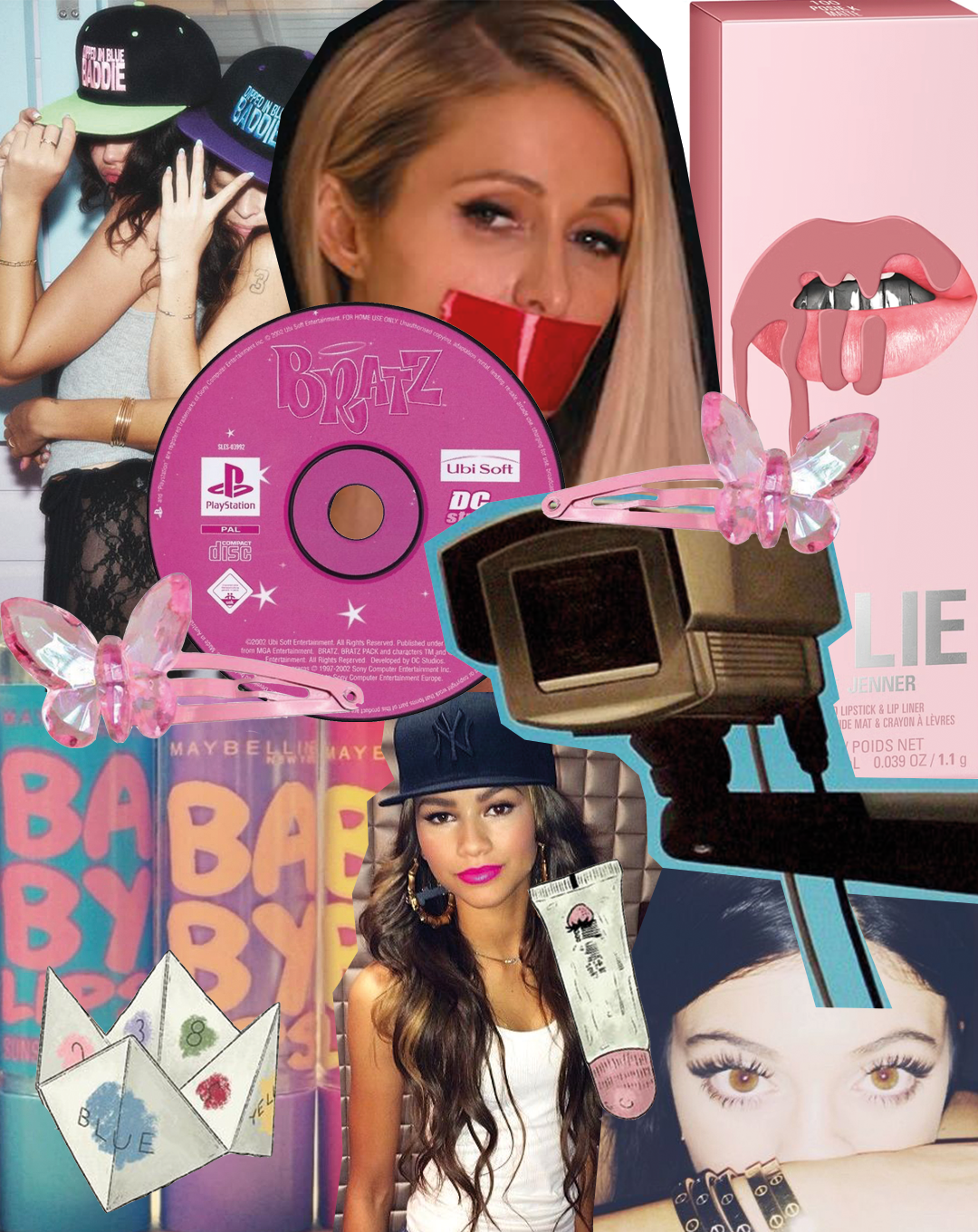
In 2016, I was at a Mormon boarding school for ‘troubled teens’ without access to the internet or pop culture. Situated in the foothills of Appalachia, the program had all the pastoral signals of healing, except it relied on isolating students from family, peers, and the outside world. As users on social media collectively reminisce about ten years ago, I’m experiencing these cultural signifiers with a fresh lens. Some references I understand, and others never made it past the watchful eyes of our therapists and clinical team.
Once, a staff member–who was later fired for exposing himself to a student–showed us ‘Glosses by Kylie Jenner,’ the Kylie Cosmetics promotion video set to “3 Strikes” by Terror Jr. We stood huddled around his iPhone, entranced by this snippet of King Kylie. She represented the zeitgeist of early 2016 where opulence, ennui, and a bad attitude were everything a teenage girl could hope to embody. As I stood in my knee length shorts soaking in the smell of eggs and grits, I felt a proximity to freedom - for a short amount of time, I was a normal teenager again. We sang “3 Strikes” like a small symbol of our rebellion as we walked up the hill to the schoolhouse, while we stripped down to our underwear in front of staff for mandatory bodily examinations, and as we waited outside our therapists’ offices.
___STEADY_PAYWALL___
“There is a power that young people hold in their earnest obsessions. It’s about searching for connection and assurance.”
The program was hierarchical, meaning that the more a student’s behaviour was deemed appropriate by their clinical team, the more privileges they received. When I first arrived, I spent my time in silent observance, within arms reach of a staff member. As weeks passed, I was allowed to roam within eyesight, and given the privilege of approved books and CDs. The coping mechanisms teenagers often turn to for comfort and personal development were not readily available to us. We were often reminded that anything we had could be taken away at any point, including our right to dignity. Although the program was labelled as an all girls’ treatment center, there were many queer and trans students who had to beg for their pronouns to be respected. As new students were admitted, we’d hope they hadn’t come from another psychiatric institution. If they had just been taken from their homes, they might have valuable knowledge about what everyone else in the world was up to. Once, I asked a new student how she was feeling, and she burst into tears over the loss of her Snapchat streaks. I rolled my eyes in response, although I understood her sadness. She’d lost her ability to engage in culture as a result of her mental illness.
About six months into my stay, word got out that some students were in secret relationships. The student body was sentenced to a month of silence as a result of this breach of rules. All media was taken away. Some kids had to drag their beds into the common room to be watched as they slept. The program relied on a surveillance state where we were praised for telling on each other. The therapists required the students who had been in the relationships to stand before their peers, mentors, and teachers. The adults opened up the floor for other students to berate them. Even though I wasn’t being punished for my personal queerness, I felt a gentle, private awakening had been turned into something wrong. We were being shamed for our burgeoning sexuality by people in positions of power over us. This has stayed with me for years, this seed of internalised homophobia. Now I pity the fully-grown adults that were complicit in publicly shaming queer children. I don’t view those adults as true therapists. A therapist, a person who treats psychological problems, is only benefiting the patient when there is not an imbalance of power, when they are not inflicting more emotional damage onto their patients.
Three years after I left the treatment centre, Paris Hilton’s 2020 documentary, This is Paris, was released. Until I watched this, I truly believed that I was deserving of the mistreatment I experienced at this program. This exposé of the troubled teen industry in the United States brought awareness to the commodification and exploitation of mentally ill children and their families. I was able to understand the discomfort I had been feeling since attempting to reacclimate to my life outside of treatment. It took someone, Paris Hilton no less, telling me that being kept in the basement, experiencing conversion therapy tactics, and losing bodily autonomy is not necessary for healing. We don’t have to be punished in order to grow.
I’m not advocating for the deification of celebrity, but I needed an authoritative figure to tell me what to believe in. Kylie Jenner and Paris Hilton, for all their flaws, provided my teenage self with hope. When I was excluded from pop culture and its influence was villanised, I saw clearly that it was a threat to institutions. There is a power that young people hold in their earnest obsessions. It’s about searching for connection and assurance.
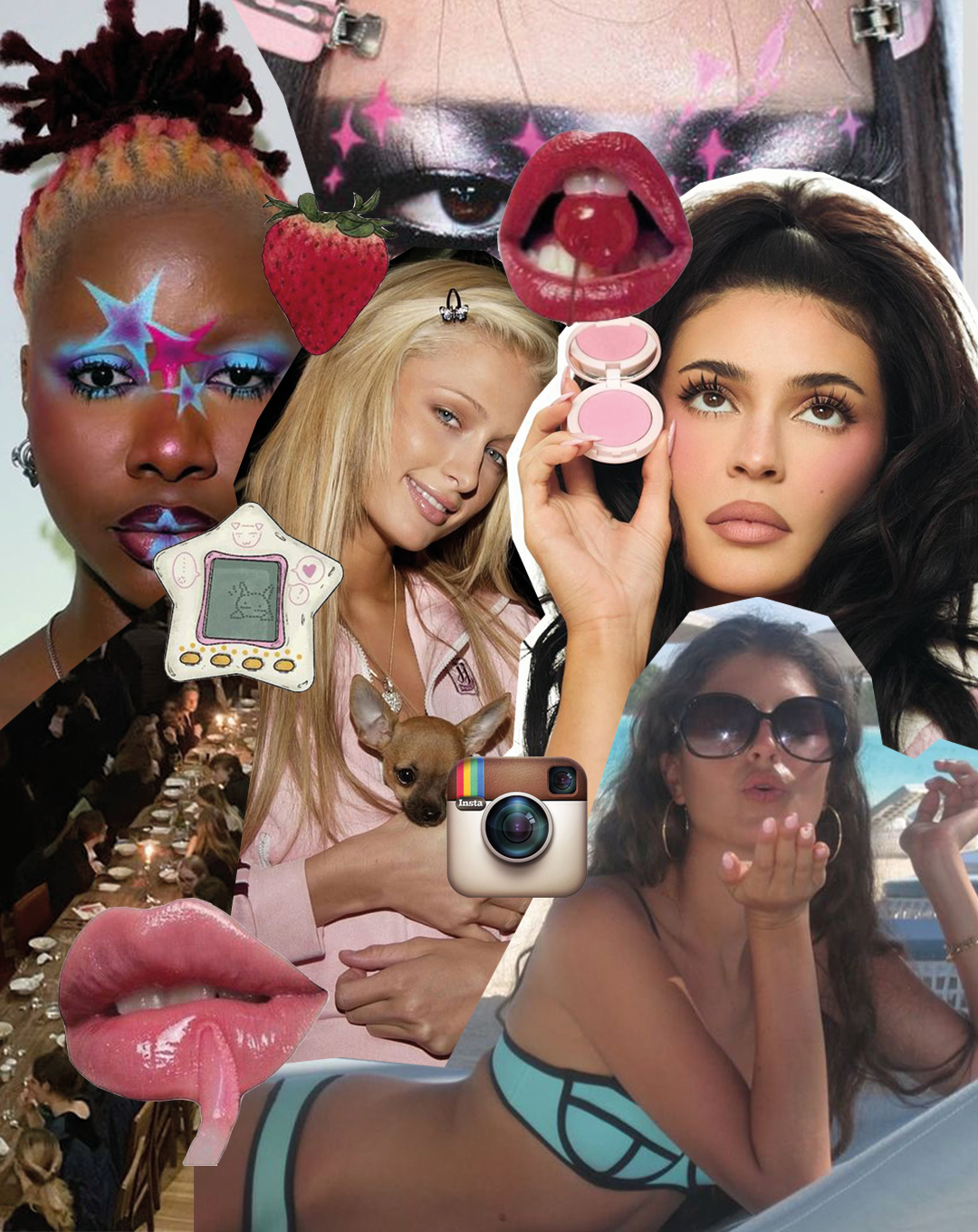
I think this is what we are aiming for now as we uncover cultural phenomena from our recent past. There can be an inclination to belittle trends that on the surface might only signify humour or material items. This current trend harkens back to a time before the mirage of safety, morality, and decency being displayed in world politics fell. While we are reminiscing, we are pulling from the archives a particular distillation of a decade ago, where things felt lighter and media contained colour and whimsy. We could pull any number of horrific tweets Trump posted in 2016, but right now, we are granting ourselves a little bit of much needed grace. This collective nostalgia is no insignificant thing: it is an attempt to unify. I didn’t experience 2016 in the same way that most people did the first time around, but I am grateful to get glimpses of it now.