Will We Ever Move Past 2016?
Words: Zefang Cui
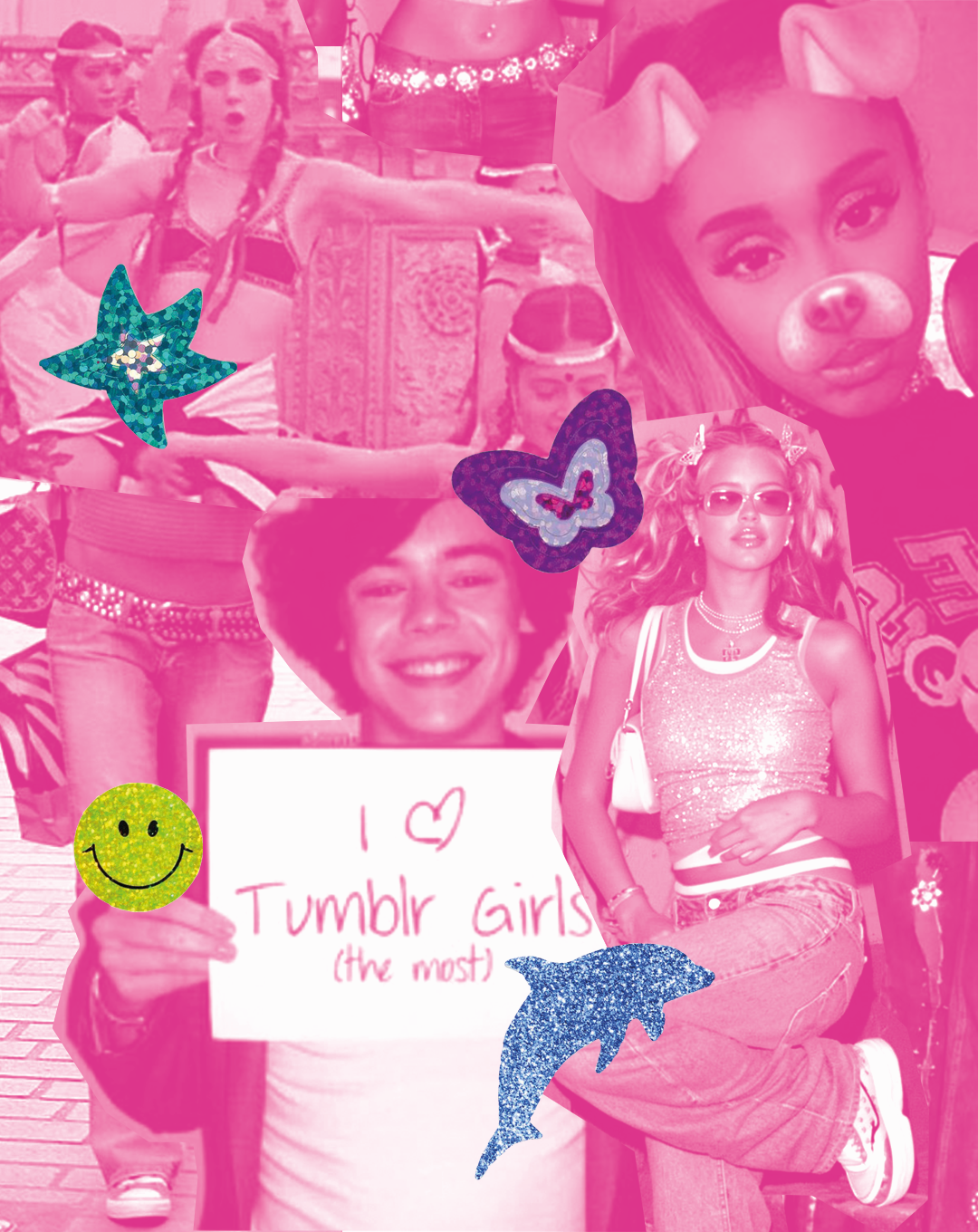
Before the 2026 New Year's countdown even started, DJ Snake and Major Lazer’s “Lean On” or Rae Sremmurd’s “Black Beatles” blasted from every third post on my Instagram feed. According to these uploads, always captioned along the lines of “2026 will be the new 2016”, there was not a single bad day in 2016. In fact, 2016 felt so awesome and perfect that it didn’t even need a rose-tinted lens to be romanticised, as the Instagram ‘Rio de Janeiro’ filter popularised during this period already cast everything in a cotton-candy hue.
This morphed into a full blown trend which drove herds of millennials to post their 2016 throwback photos, laden with chokers and puppy-dog filtered selfies. However, some participants in the romanticisation of that period were Gen Z, whose cultural experience of the time was peripheral, as they were children. This is not an isolated case of Gen Z yearning for a past that they did not fully experience.
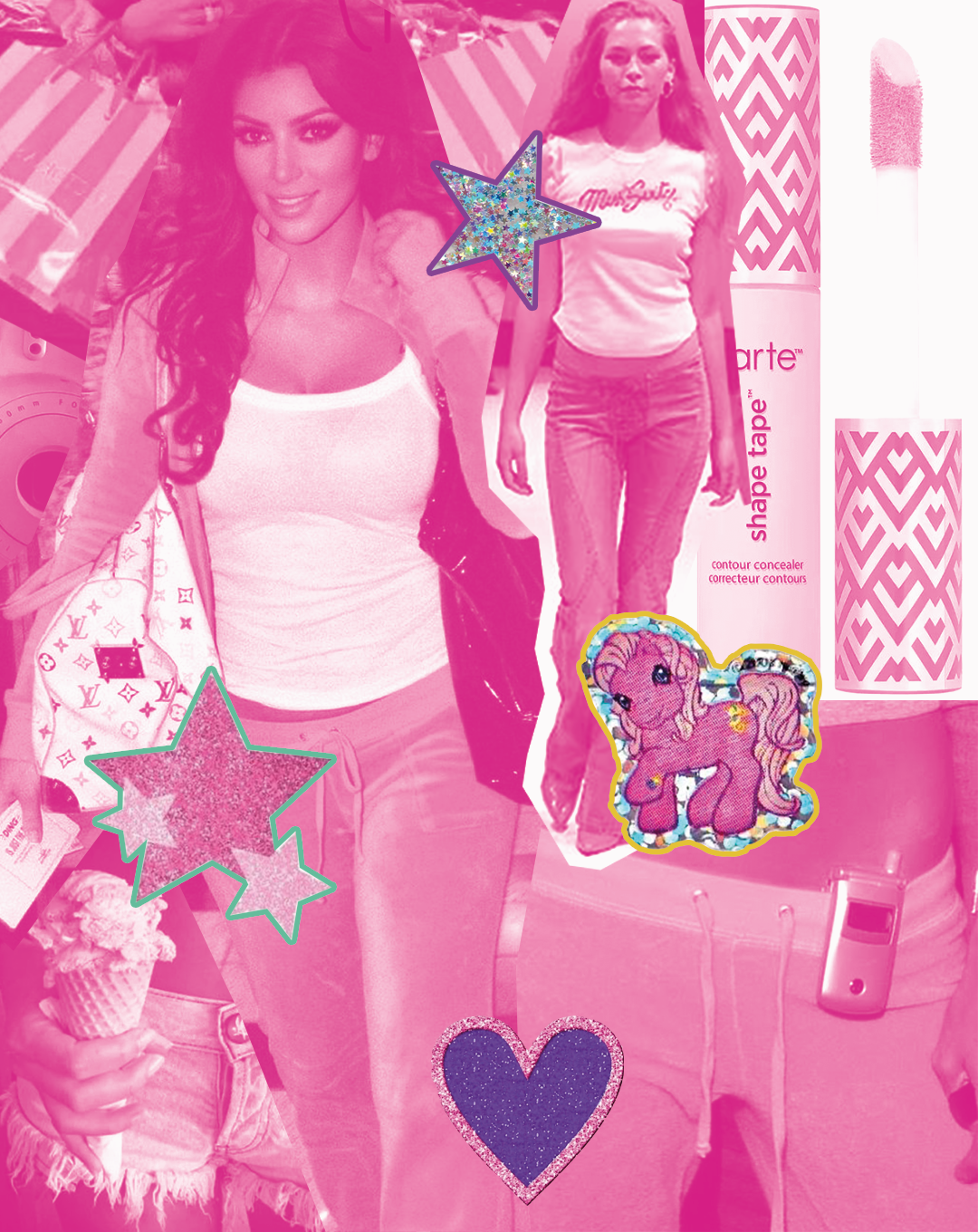
During the COVID-19 lockdowns, the Y2K craze dominated fashion TikToks as jean waistlines plummeted and leg flares widened. Then in 2024, the term “Indie Sleaze” became the buzzword of the summer. Thanks to The Dare and Charli xcx’s grungy aesthetic, which recalled the mid-2000s to early 2010s, young people across the globe then rediscovered a fascination with that era. Now, 2016 seems to be everyone’s favourite year.
___STEADY_PAYWALL___
Frederic Saint-Parck, art director for Y2K brand Miss Sixty, believes that 2016 is fondly remembered because it was a renaissance for music and fashion. “Travis Scott, Drake, Kendrick, Rihanna, Frank Ocean, all these different artists released albums in the same year,” he said. He added that some of these artists haven’t released albums since 2016, making this era even more special. As for fashion, the abundance of diverse styles prevalent during the 2010s included the Gossip Girl aesthetic, Obey and Supreme swag fashion, and the oversized Balenciaga look. As a result, a wide range of people can see styles they connect with reflected in that cultural period.
The internet has made it easier than ever to access past archives on both a micro-level, such as reviewing our throwbacks on apps that show us snapshots of our lives from four years ago, and on a macro-level, where every fragment of the past is preserved on media-sharing platforms. This abundance of readily accessible history flattens the distance of time, which makes it easy for us to reminisce.
“Every time there is a viral push to re-create the past, such as the ‘2026 is the new 2016’ trend, or reviving ‘2015 Tumblr Grunge’, or ‘2010s Swag’, we glorify the sentiment that the past was better and lose confidence in what we can create now.”
Andy Ruddock, the Senior Lecturer in Communications and Media Studies at Monash University, reminded me that nostalgia has always been prevalent amongst young people. Citing Dick Hebdige’s Subculture, The Meaning Of Style, which examined post-WWII British youth subcultures, Ruddock raised the Teddy Boys, who dressed in a style that reflected the Edwardian era, and the Skinheads, who reconstructed a pre-war working-class identity, as examples of youths engaging with a past they had not personally experienced. There is also a historical parallel between the ways in which young people are seeking a return to a time when AI and technology did not alter every aspect of their lives, just as some Europeans yearned to return to a pre-industrialised state in the Industrial Revolution. After all, when Zoom calls replace classrooms, and images have to be constantly pored over for their authenticity, how can young people not wish to return to a simpler past when things are spiralling out of their control? How can they resist re-ingesting and reproducing cultural products that signify the soothing familiarity of a simpler era?
Every time there is a viral push to re-create the past, such as the “2026 is the new 2016” trend, or reviving “2015 Tumblr Grunge”, or “2010s Swag”, we glorify the sentiment that the past was better and lose confidence in what we can create now. Paradoxically, Gen Z also faces the challenge of generating fresh ideas in a postmodern cultural landscape that regurgitates the past, even as they try to create something new.
To promote more original production, stylist Lexi Kingery advises, “Find what you like, take away from the things that you like and then try to make it your own.” She acknowledged that although experimentation may feel uncomfortable at first, some of the best creative results are born from it. Describing how some of her favourite outfits are assembled, Kingery said, “[You’re] just putting this shit together because you like the colours, you like the contrast, and there’s no rhyme or reason why this is working together. It just is.”
She added that the reason the creative environment young people had a decade ago felt more authentic and personal was that they had to navigate different niche communities or leaf through books to discover their personal style or way of expression. Therefore, creatives of today should consider using more intentional ways to access inspiration, rather than relying on the conveniently curated style guide presented to them on TikTok.
Saint-Parck argued that embracing previous references can actually drive innovation. Referring to Austin Kleon’s Steal Like An Artist, he explained how the majority of our creative role models have passed. Therefore, if someone wants to be a painter, they can draw on elements of Picasso's or Da Vinci’s techniques and integrate them into their own work. “You can just steal a little bit to reinvent yourself as an artist,” Saint-Parck told me. Although “history has always been determined by whoever wins,” he said, we now live in a world where people are unlearning former prejudices, making it possible for the past to be revisited in new ways.
When asked what he would say to a young person aching to return to earlier times, Ruddock answered, “These conversations are really always about what it is that you want now? How do you want to live now?”
Deep down, it seems that our longing for 2016 was never about the mannequin challenge or how well you can flip a water bottle. For many of us, the world a decade ago seemed to be more hopeful. It was a time when robots hadn’t yet taken over our jobs, and when millennial optimism still promised to change the world. Just as factory workers in the Industrial Revolution longed for their cottages, we also crave the security of the past as our lives transform more rapidly each year.
Now we dance to the trends of 2016 just to replay that cherished memory, even if it’s just for a moment. Yet when we start behaving and creating like AI LLM models that are bound by training data sourced from the past, we begin to surrender the possibilities of creating from the now. Making reference after reference, will we rejoice in building the perfect Frankenstein of the past as the world slips by?