Adele Bertei on Kathleen Hanna, Female Commodification and the Women of No Wave
Words: Johanna Sommer
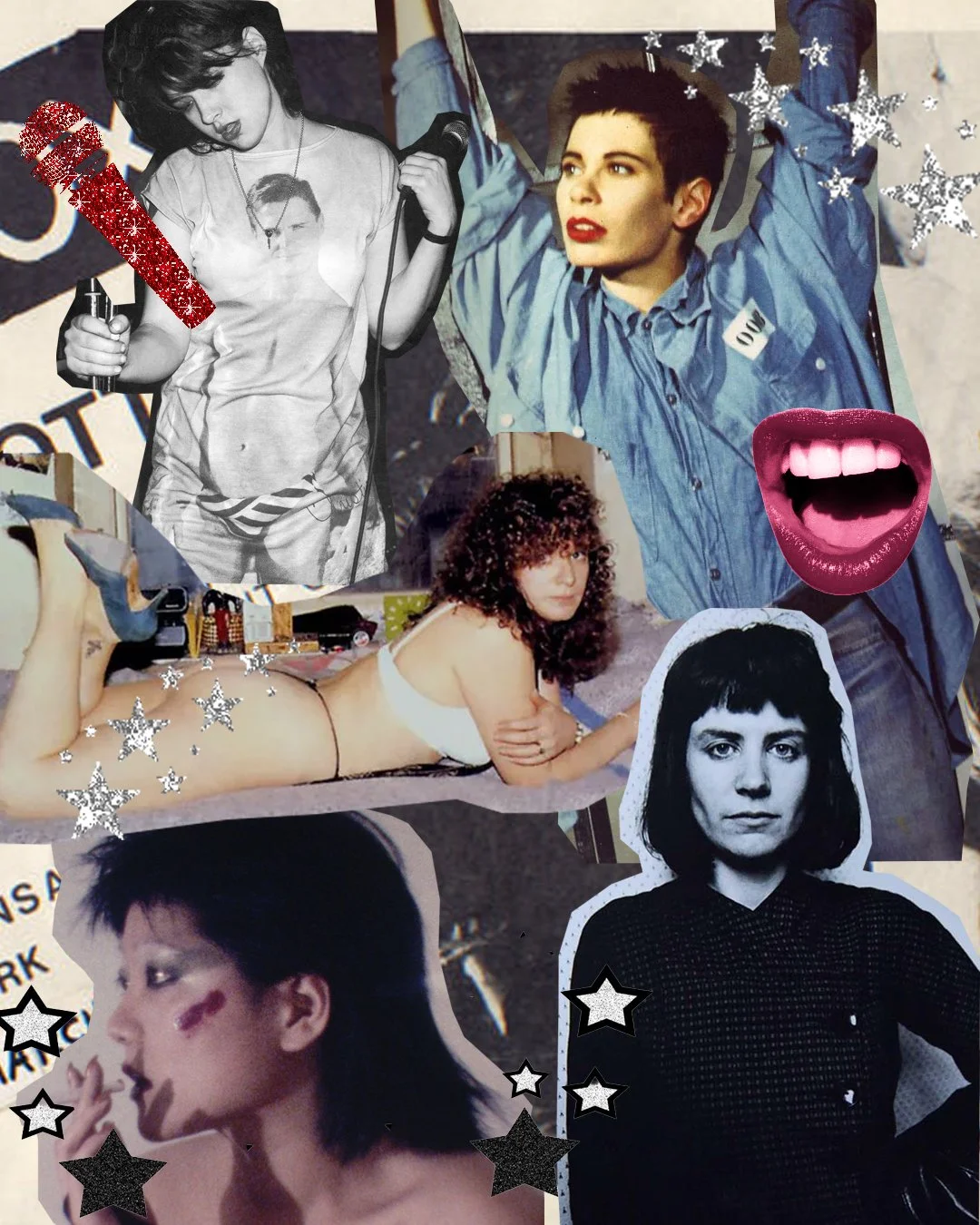
As culture navigates GLP-1s, trad wife influencers and looksmaxxers, it is only natural to yearn for an artistic world of grit and fluidity. In her new book, “No New York: A Memoir of No Wave and the Women Who Shaped the Scene”, Adele Bertei, does just that - offering a glimpse into how the late-1970s artistic movement no wave pursued personal and political liberation through the rejection of the commercialization of new wave and punk.
Bertei was the electric organist for James Chance and the Contortions, an assistant to Brian Eno, and lead singer of the first openly queer all-girl band called The Bloods at a time when many musicians chose to remain shtum about their sexuality. (“I mean, Elton John wasn't even out of the closet”).
Later on, Bertei’s debut solo album was put in competition with an up-and-comer named Madonna, which history has shown did not work out in her favour. In the years since, Bertei has worked as a backup vocalist, songwriter, and director, and since 2020 has published five books, including Twist: Tales of a Queer Girlhood and Why Labelle Matters.
Her newest book is a first-person reflection of no wave and the sisterhood (and sometimes lovers) she found among the harsh landscape of the city and scene, including Kathy Acker, Nan Goldin, Lizzy Mercier Descloux, and Kiki Smith. We spoke with Adele about no wave’s legacy, in part, as a feminist artistic movement, and how it can offer guidance to young artists seeking an alternative to the mainstream.
Polyester: I’m curious about why you decided to focus the book on women artists, and if you felt that differed from the greater narrative about no wave in the culture.
Adele: I have to say that both Mark Masters, and Thurston Moore and Byron Coley together, wrote really fantastic books, and they did give a lot of credence to the women in the scene. But, at the same time, I felt like they just skimmed the surface of what that experience was like for women.
It was the first time, and I really believe this, in history where you had an artistic movement of women from all over Europe, Japan, and America that ended up in one spot, at the same moment in time to make art, be it film, writing, music, photography, theatre. I don't think it has ever been framed that way, and I think our history gets glossed over so much, or buried.
It really needed to be framed in the context of the personal, you know, because it's an intimate account, but also about the personal being political. So, I thought it was important to write it from an insider's point of view.
You write about the women in no wave’s fluidity of gender and sexuality, and I’m curious, how was that treated by the men in this scene?
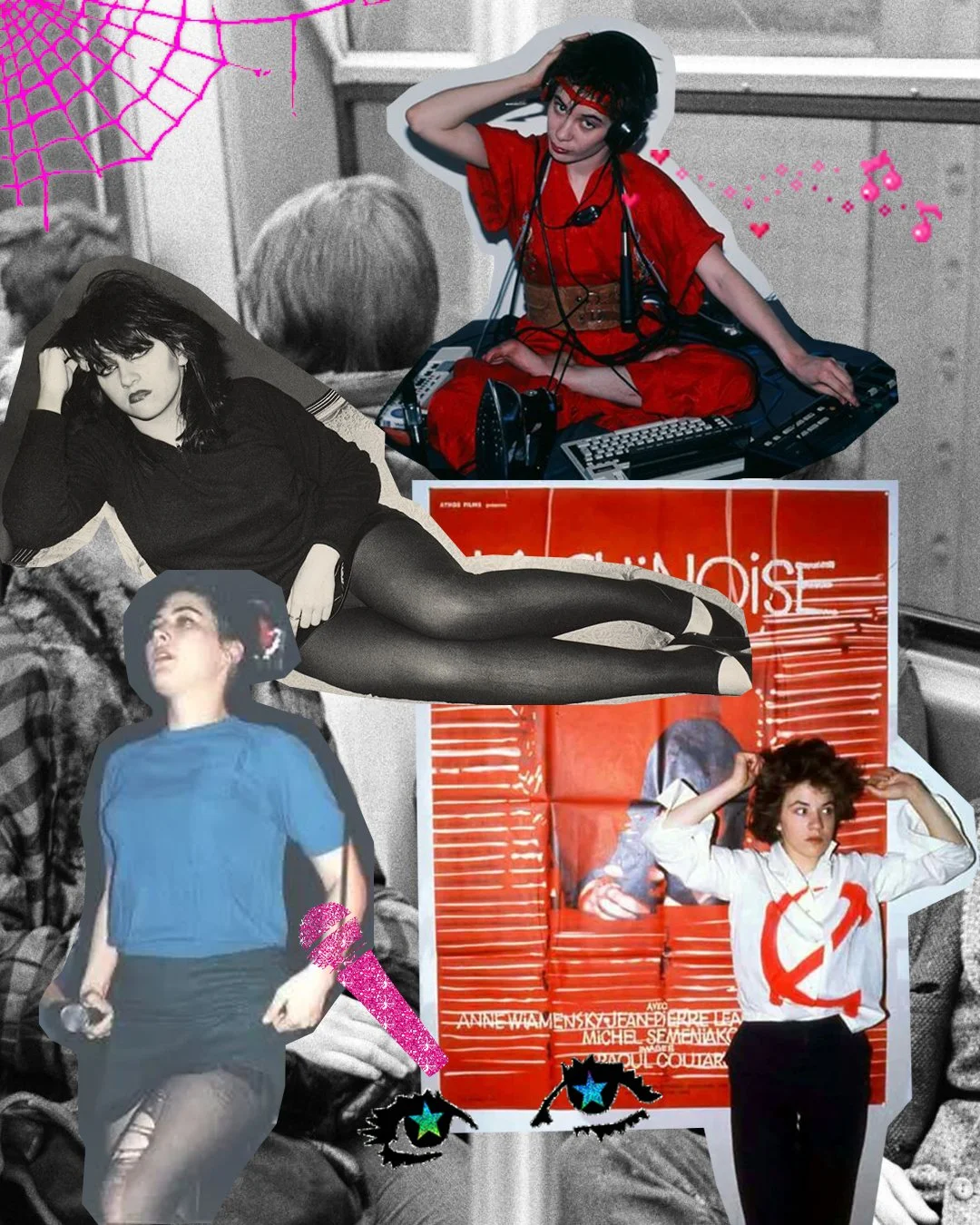
Interestingly enough, because women were taking so many creative risks, and we were so fluid and in charge of our own sexuality, I think it kind of pushed the men to take even more risks. In terms of sexuality, we were all very anti-commodification, you know? The last thing we wanted to do was slap a label on our asses.
We really lived outside of society, most of us, and the rules of society didn’t apply to us. We were not buying into the system, like we've been made to do in the present state of things, and there was such freedom in that. I guess one of the reasons to get the book out right now is to deliver this message that we've been commodified, and capitalism dances when we divide ourselves into little boxes because they know exactly how to sell to us, how the algorithms can brainwash us, and we're all addicted to it. I'm just as guilty as the next person.
I wish we had a solution for it, but I think the solution is being human and connecting in real life as opposed to always on these screens. I mean, we're all frightened and demoralized right now and the way to fight against that is to be with each other and create together.
Speaking of the rejection of labels, I know you guys tended to bristle at the feminist label, partially due to the exclusion in the second-wave movement. However, I see my own lived version of feminism so clearly in this book. In retrospect, how do you see feminism influencing no wave?
There was a rejection of second-wave feminism because it was so white and middle class, and I think one of the greatest illustrations of how we were [rejecting] that was “Born in Flames.” [The Director] Lizzie Borden decided it was extremely important to bridge the gap between black women and white women, which she attempted to do in the film, which I thought was extremely brave of her.
But it wasn't a rejection of feminism; I mean, it was an intrinsic feeling of equality and bravery. We didn't talk about it in terms of feminism, we just lived it. It was kind of just in the blood.
I've been thinking about the importance of an almost abrasive quality or intensity in art made by women because of the rise of regressive, traditional femininity in our culture. Of course with no wave you see that as a primary characteristic of the work. What do you see from those years that you wish could be more present in work being made today?
I could say that in one word: truth. People are so guarded, so masked, and so afraid of vulnerability. If we don't expose our wounds, I think we're all terrified of being vulnerable, of being truthful about what we're feeling right now because we're so guarded. We're being bombarded in so many ways. I mean, think about the messages women are getting right now.
What is the first thing they do in this war in Iran? They murder 160 girls. Not just one bombing, but with a second so that the survivors wouldn't survive. They're pounding these messages into us all the time, and so of course, we're deathly afraid of being vulnerable. But, if we don't start telling the truth, we're fucked, you know? It has to be authentic, because wounds can never be healed if they're not given light, and light is the antiseptic. And because we live in a society of mendacity, we have to somehow start shouting about it. I mean I'm about to start another punk band.
In many ways I'm so happy that the riot grrrls happened. I know Kathleen Hanna talks about being inspired by some of the no wave women, and I think we need to see that movement again, but bigger and more intergenerational. And, you know, something that really shapes the culture, that cracks it open in a way that is like, ‘No, we're not going to take this anymore.’
Perhaps the book can help inspire that. I really felt like these women need to be honored and talked about in a way that's not just salacious, the way people often want to talk about Lydia Lunch or Nan Goldin or Kathy Acker. These are very human women who put themselves out there in a way that was extremely courageous in their work and in their lives, and they need to be honored for that, and hopefully serve as inspiration for women who want to make art now.