Grace Glowicki's Guide to Not Letting Perfectionism Paralyse Your Creativity
Words: Rob Corsini | Guide: Grace Glowicki
Make it stand out
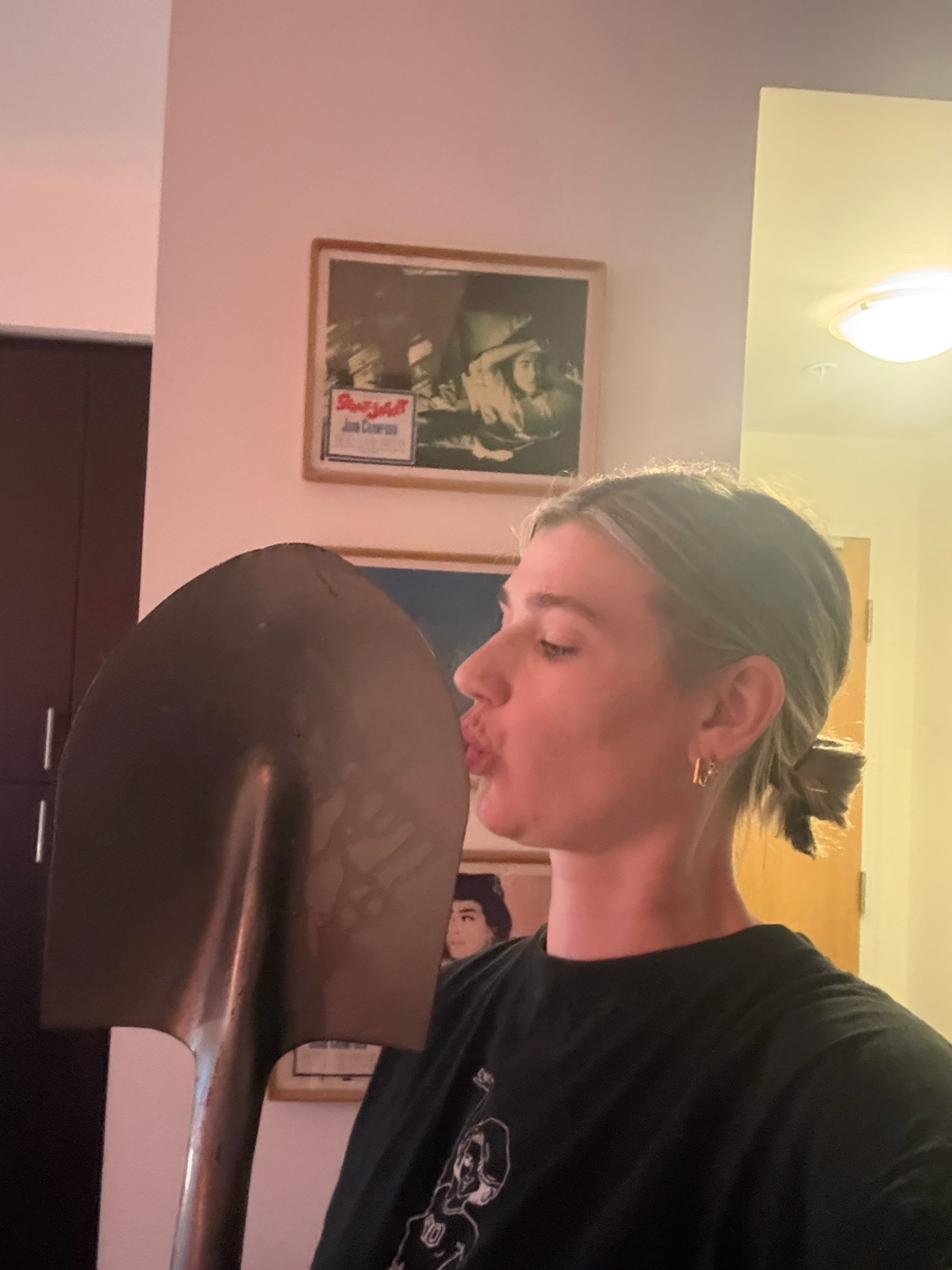
Grace Glowicki values playfulness and expressiveness. As an actress, she likes to make big swings with an anarchic, physical performance style - and as a director, she’s inspired by low-budget, DIY, indie productions that are brimming with character.
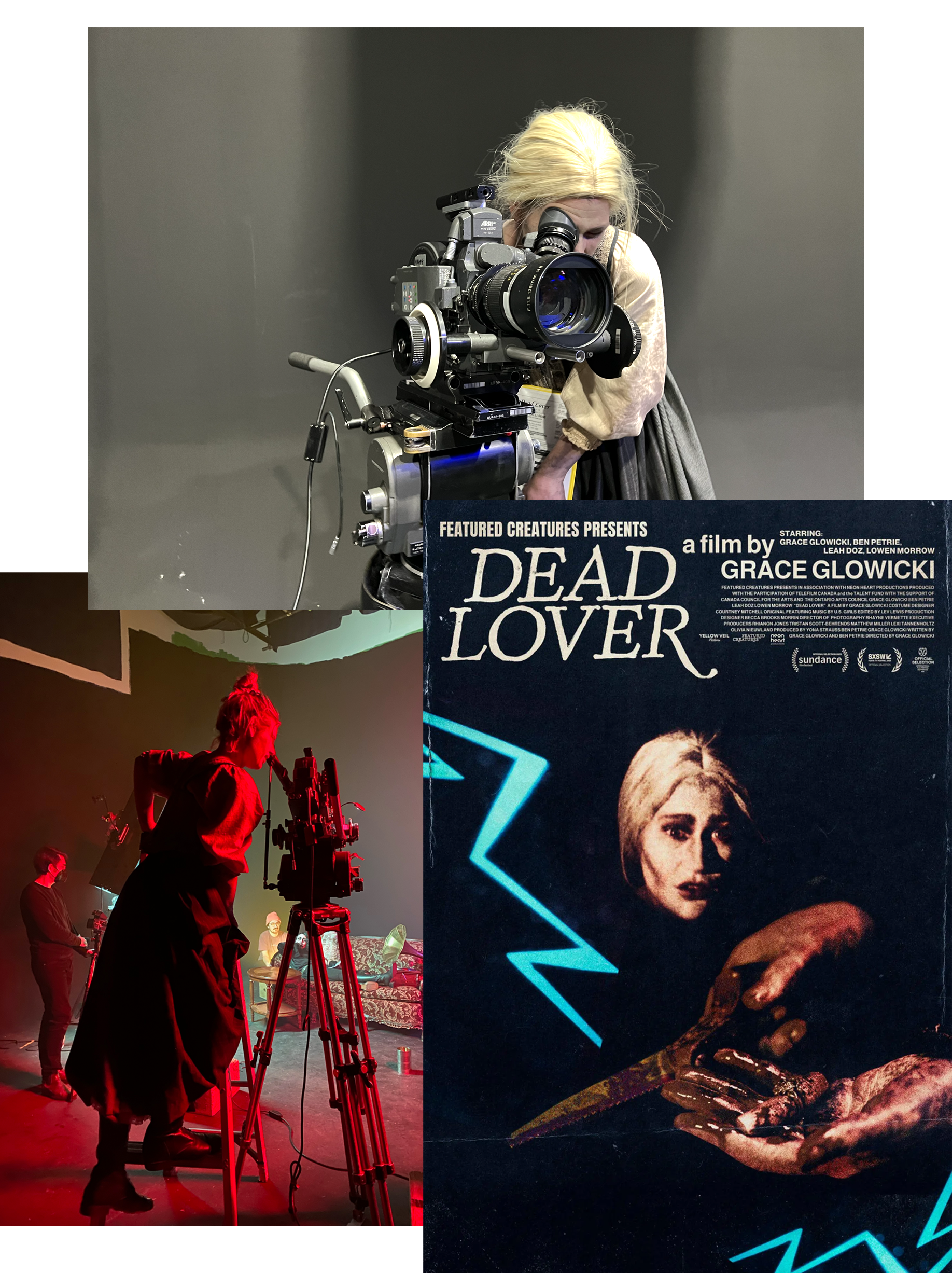
After starring in films like Honey Bunch, Booger, and Until Branches Bend - Grace told herself something: that she could direct full-feature films too. So rather than spending years making shorts - Grace jumped into directing her first film, Tito. Her new film, Dead Lover, tells the story of a gravedigger who reanimates the love of her life using just one of his fingers.
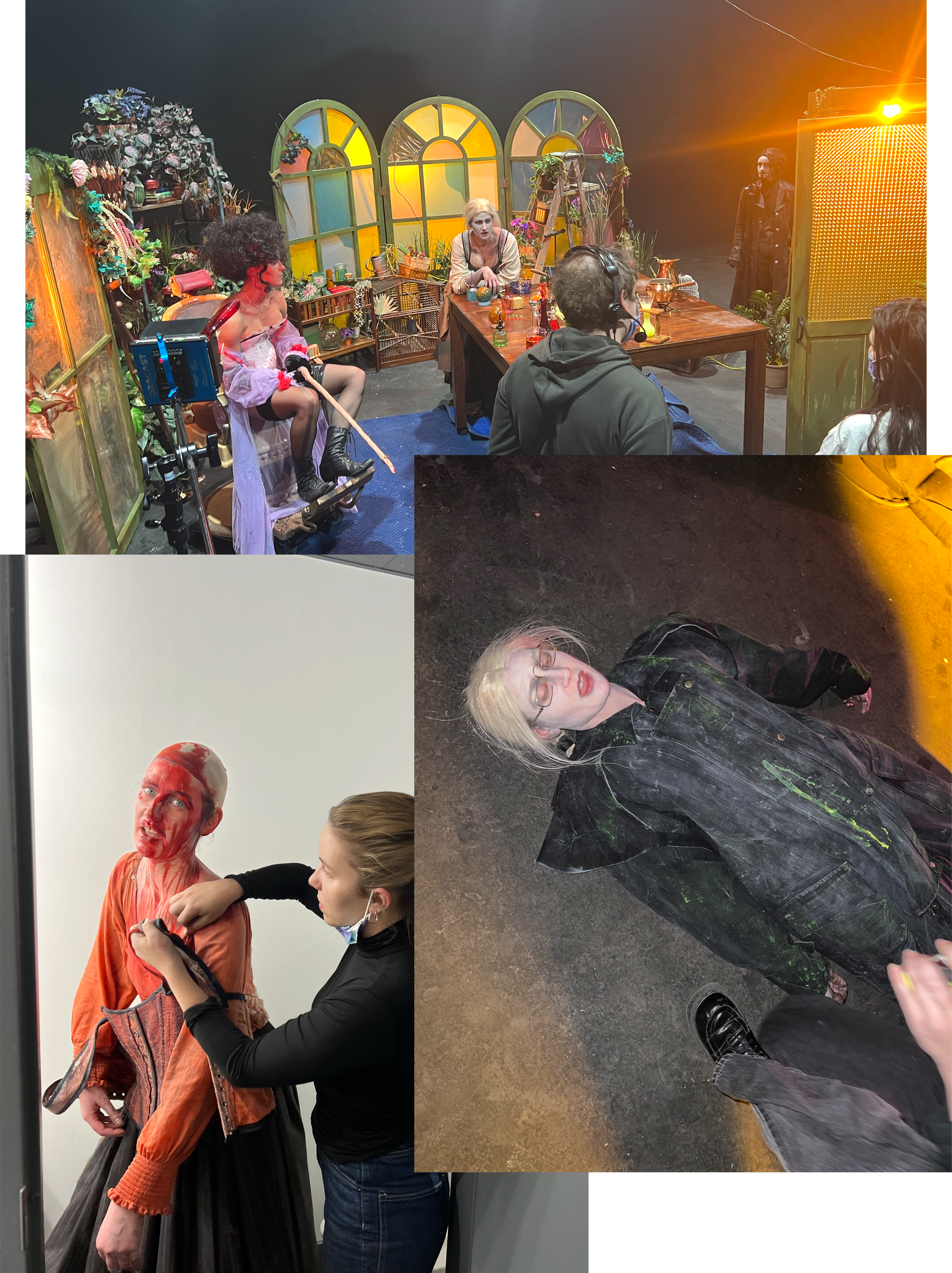
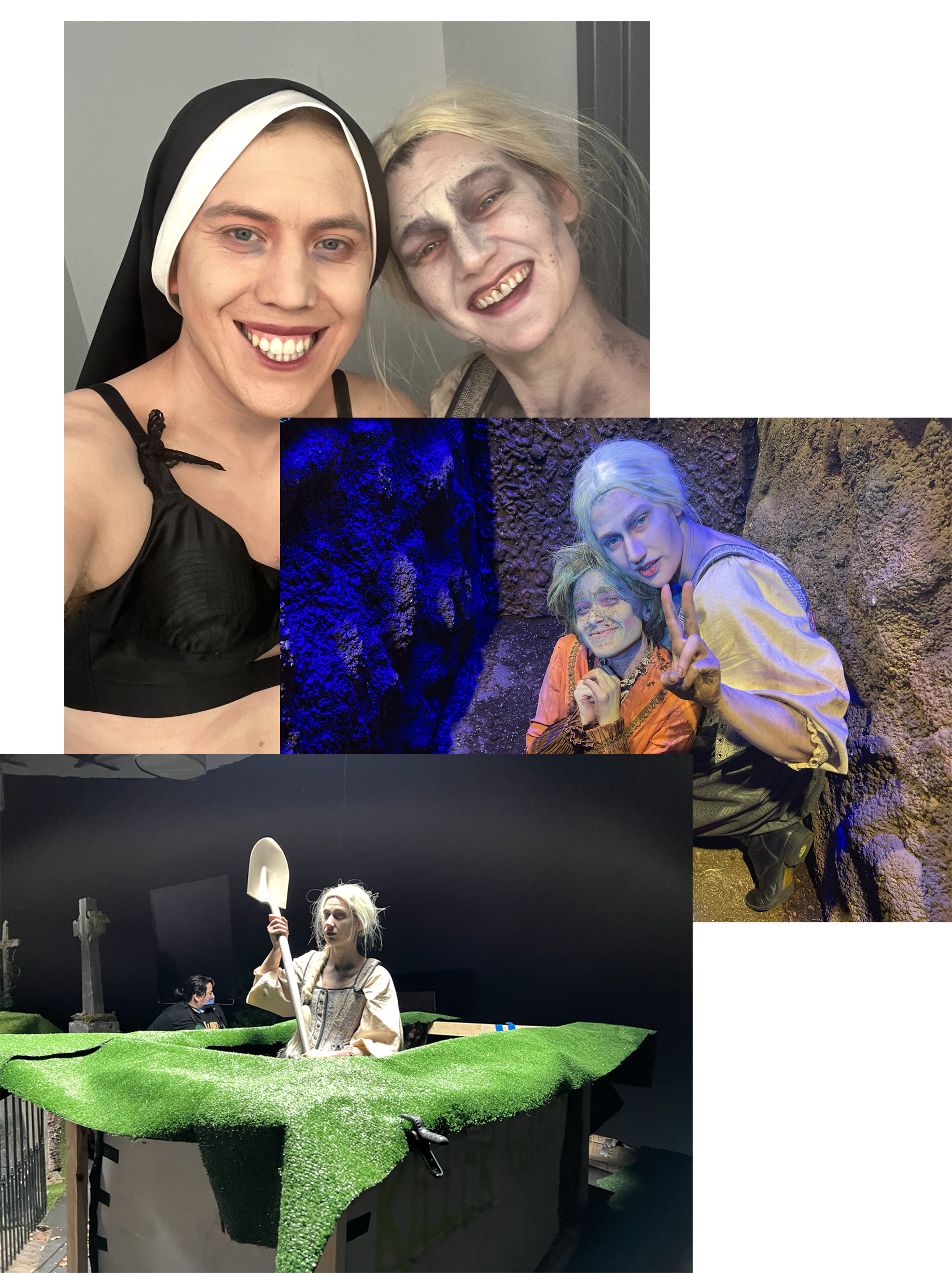
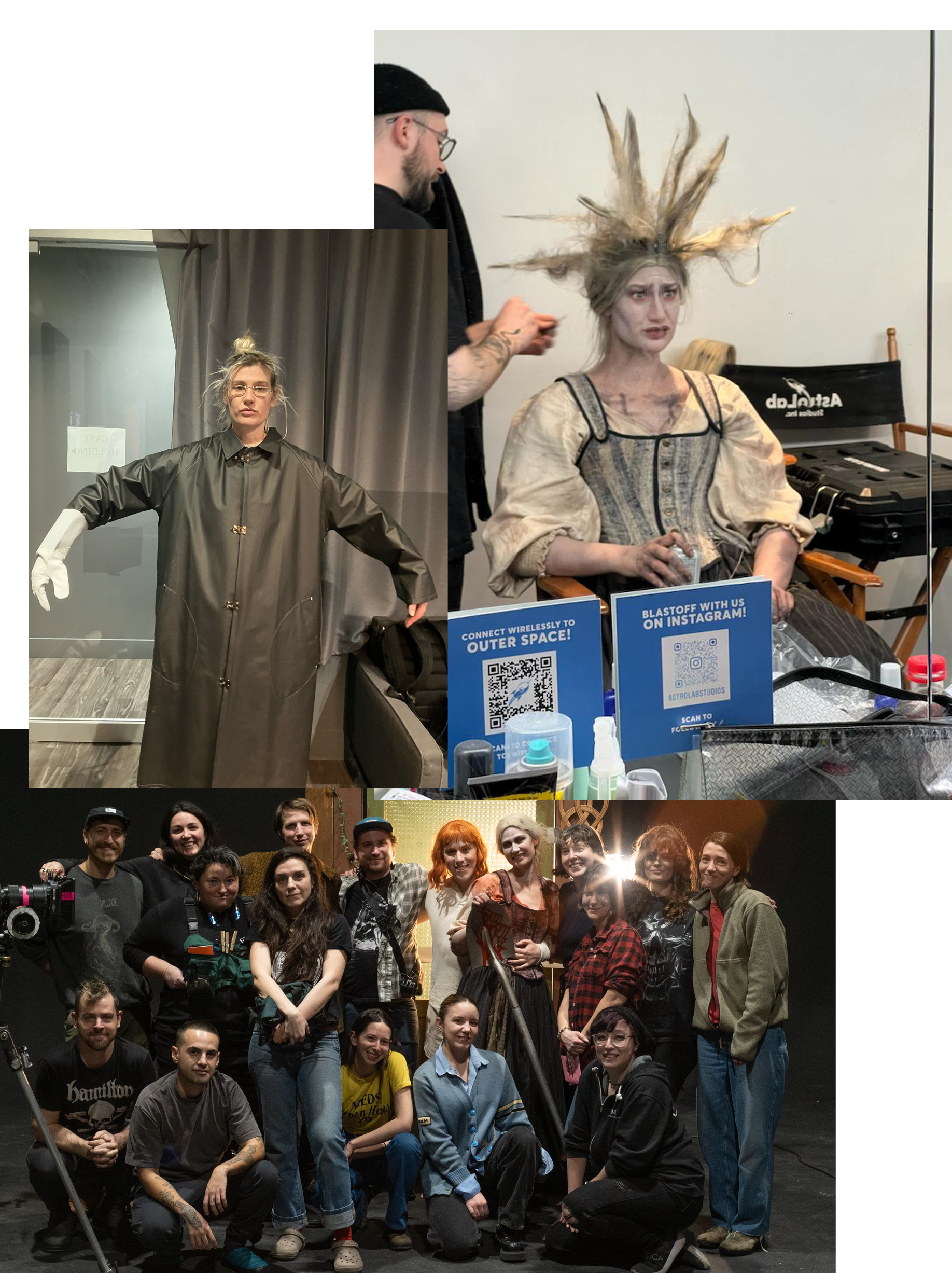
Dead Lover was shot in 16 days, for a budget of less than $350,000, using just two black-box stages as sets. For other filmmakers, those constraints could have been an obstacle - the kind that stops a project in its tracks. Yet Grace understood that no project, no matter how well-funded, was perfect. And so she didn’t let those imperfections block her creative potential.
If there’s anything that Dead Lover taught Grace, it’s that the most important thing is to just do it. Here’s Grace Glowicki’s guide to not letting perfectionism paralyse your creativity.
Celebrate Imperfections and Inconsistencies
Dead Lover is a real celebration of these! There’s wig slips all over the place, you can see that some things are made out of cardboard that shouldn't be, the accents aren't perfect. There's so much inconsistency in Dead Lover! On set, we’d say “Continuity is for losers!” which is typically sacrilege on a film set. But I think if you embrace imperfections, there's such a value in it, because it's not sterile - particularly with AI in culture today. The imperfections and the inconsistencies represent the work’s humanity, and that art is about humanity.
Instead of seeing those things as bugs that have infested your perfect vision or your ability to make something that will have value to people, you can instead say, no, these are the parts that make it relatable. I love when you watch a movie and you can tell there's some continuity error or there's a weird cut in the middle of a shot where there shouldn't be - but you can tell that they made that decision because it supported the best pieces of the actor’s performance. It’s showing priority in a really sincere way.
Value Prolificness over Perfection
I’ve gone long stretches of my career when I didn’t make anything at all because I didn’t feel like I had the “perfect” idea, or I didn’t finish a piece of work because it wasn’t “perfect” yet. The problem with this kind of perfectionistic mindset is that years and years can slip by and you end up missing out on all the lessons you could’ve learned had you just been okay with making art that’s not “perfect” (which is an illusion anyways!)
I try to encourage myself and others to value prolificness over perfectionism. I think it’s way better to make imperfect stuff often than to get out of practice and isolate while waiting to make something flawless. We become better artists the more we practice and the more we make mistakes!
Prepare for a State of Surrender
Challenge yourself to relinquish control. If you can, finish things! If you can, collaborate! If you can, divorce yourself from being concerned with the project’s reception!
If you get fixated on needing your current project to succeed in a certain type of way, surrender by trying to instead think that your career is a long on-going conversation made up of all your different works, as opposed to being synonymous with your current piece of work.
A big one for me, especially as an actor, is to embrace that you're learning publicly. When you perform in a movie, you're not going in to control your image and showcase how great you are as a fully realized actor, instead you’re surrendering to being watched as you learn how to act. That mindset switch was really helpful for me.
Your Gut is the Ultimate Validator of your Work
I do read reviews, I do read letterboxes - it’s sort of, exposure therapy. You read so many reviews and you see things where people are like “I hate Dead Lover, it's the worst movie in the entire world”; “I love Dead Lover, it's my favourite movie in the entire world.”; “I hate Grace.”; “I love Grace.”.
If you read enough of this, you really do learn tacitly that it's so subjective, it's so fickle, people come at it from such different perspectives, and eventually you build up this thick skin from seeing that enough. From that, you realise you can't control this. There will always be a counterbalance to any opinion and so you really have to trust yourself, trust your intuition, and know that your gut is the ultimate validator of your work.
Collaborating is Better Than Being Alone
As an actor, I've worked with a bunch of different directors and there's a palpable difference between when someone is trying to get you to do something very specific that exists only in their head, versus when someone wants you to bring your instincts to their ideas and effect them.
The result of the former type of “collaboration” is a stifling feeling that your hands are bound. You have no elbow room, you're a pawn! It's so not creative. It's just about fear and control. As an actor, I can tell when someone is truly interested in my ideas - not necessarily letting me do all of them - but at least interested in having a collaboration.
That's the spiritual stuff of art making, you're actually bringing together your two instincts and life experiences, trusting that those two things have value, and if you bring them together, they will make something worth more than the sum of the parts. Ask yourself: what's worth more, something that feels very in my control, which makes me feel safe and stable, or something that's a little more alive and scary and temperamental, but involves the other person.
Choose The Hill You’ll Die On
Prioritizing is really helpful for me. For Dead Lover, my utmost priority was fun. Instead of if something feels brilliant, my litmus test was are we having fun? Which sounds so simple and reductive, but if you have those really stupid, simple guiding lights, it's pretty easy to answer most questions.
If someone's like “can we use this barf machine?” the answer is an easy “Yes” because that sounds like fun! “Should we do this scene 25 times until we get it perfect?” That’s a “No”, because that doesn't sound like it would be fun. Having these guiding lights is so important. I write down my mottos and my priorities for a film so that when I'm lost, I can look at them and say: okay, this is what I said I needed to do.
In the name of the other values mentioned in this guide (surrender, collaborating, having fun, etc.) you want to very carefully save the moments when you decide to forgo it all and dig in your heels. It should only be done for really specific, very important things. Pick your battles very carefully and essentially whenever you are able to say “this is not a hill for me to die on” - say it!
Finish, Even If It Doesn’t Feel Done
This comes up for me both in the script phase and in the edit phase of making a film. I can get trapped in the thinking that the script is, like, a piece of art in and of itself. And it can be really hard to feel like it's done and that it's worthy enough to show people. But if you switch your mindset to think of a script as a technical, internal document through which you communicate to department heads the information they need - that pressure releases.
There's this saying: "Movies aren't finished. They're abandoned". I relate to this so much! I take it to mean that you're never, ever going to feel like your movie is finished being edited. So, you have to settle for: it's close enough. There are an infinite number of micro-decisions you can make on Adobe Premiere… it can be maddening! But eventually, you just have to let your movie escape. You have to be comfortable with the haunting feeling that it could have been better, and trust that you were never ever going to feel like it was done.
