
Anna Konkle's Guide to Being the Sane One in a Crazy Family
Words: Rob Corsini | Guide: Anna Konkle
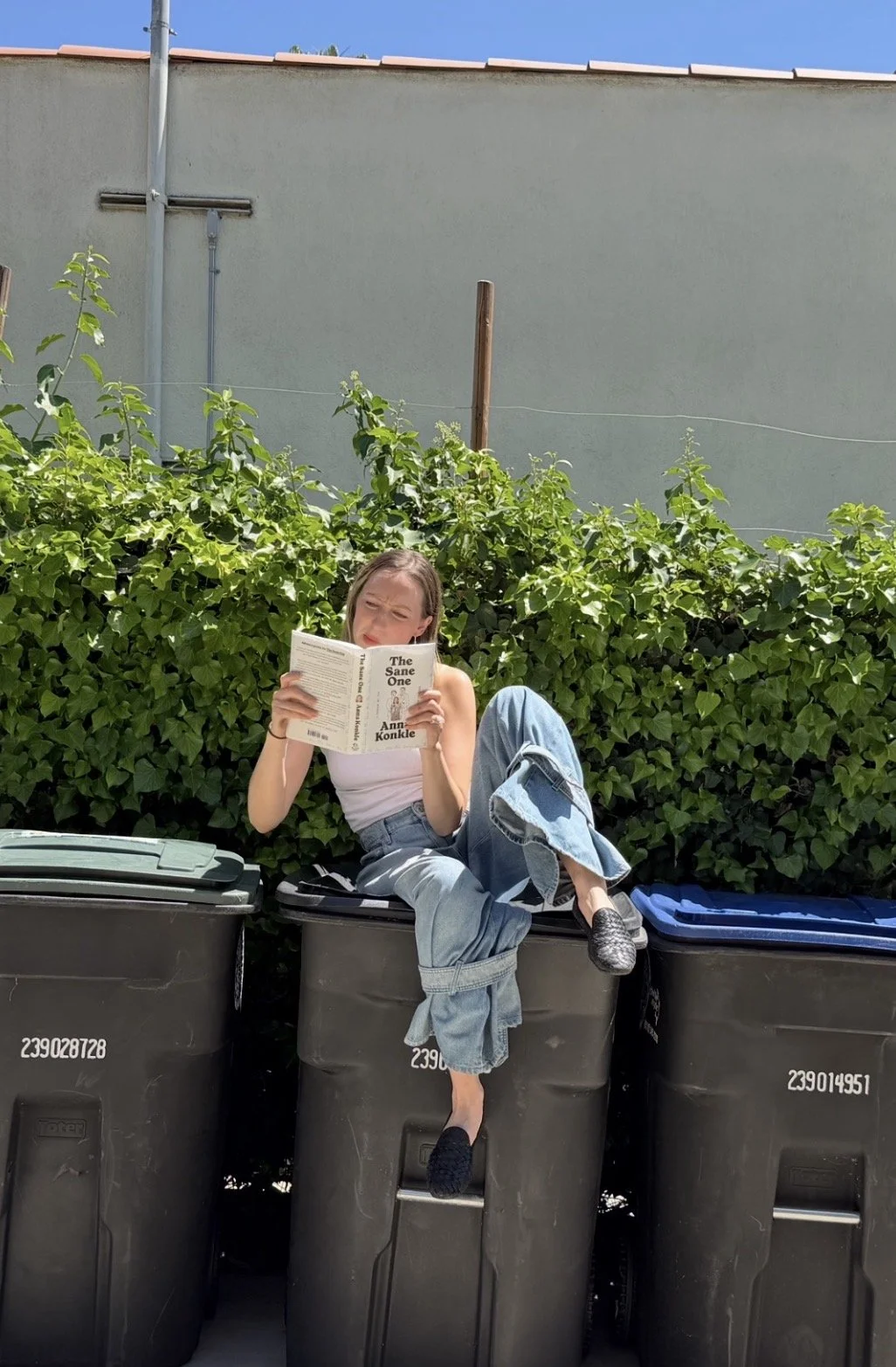
Make it stand out
When actor, director and writer Anna Konkle was growing up, she realised that there was something different about her family. When other kids talked about their parents, they painted the picture of loving units - the kind of white-picket fence, nuclear families that you saw on TV - not parents who would burst into raging arguments at a moment’s notice. Anna already felt like an outsider: she’d moved from Vermont to Massachusetts when she was seven and never quite felt like she fit in. And so, rather than accepting her family’s fate, she resolved to hide their dynamic from the outside world.
But after reading memoirs like Mary Karr’s The Liars Club, Jeanette Wall’s The Last Castle, Augusten Burroughs Running with Scissors, and everything by David Sedaris - books that were tragic and funny all at the same time - Anna found a new way to contextualise her childhood. Rather than concealing the fact that her family was abnormal, these books gave Anna the permission to claim her story and present it to the world in all its complexity. Whether in her cringe-comedy Pen15 or her new memoir The Sane One, Anna is now always embracing the outsider spirit that she once tried to hide.
As a reformed child who spent years trying to fix her family, she knows that sometimes trying to be normal is exactly the thing that will drive you mad - so here is Anna Konkle’s Guide to Being the Sane One in a Crazy Family.
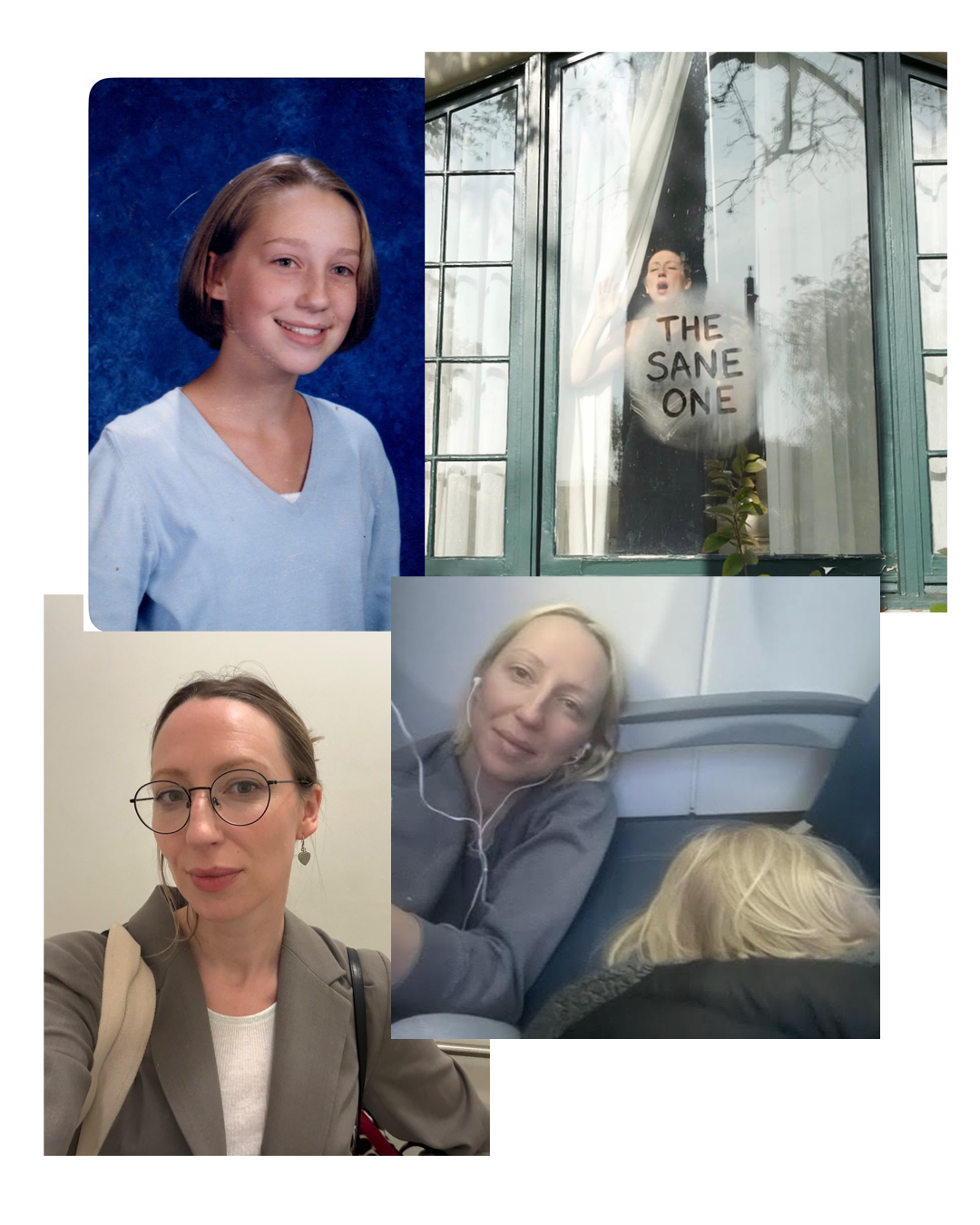
It’s Not Your Job to Fix Your Family
As a 39 year old, I’m able to look back and see that fixing your family is a futile task and just very black and white thinking. The idea that if you're looking at everything around you, studying things, being hypervigilant, then you can somehow avoid the fate of your crazy family just doesn’t stack up. Trying to be the opposite of your family by just gritting your teeth and trying hard enough fuelled many decades of my life - maybe not many, but two. Even though it came from a good place, one that wanted to do things differently, I think it’s important to reach some level of acceptance that it’s not your job to fix everything.
You’ll Drive Yourself Mad
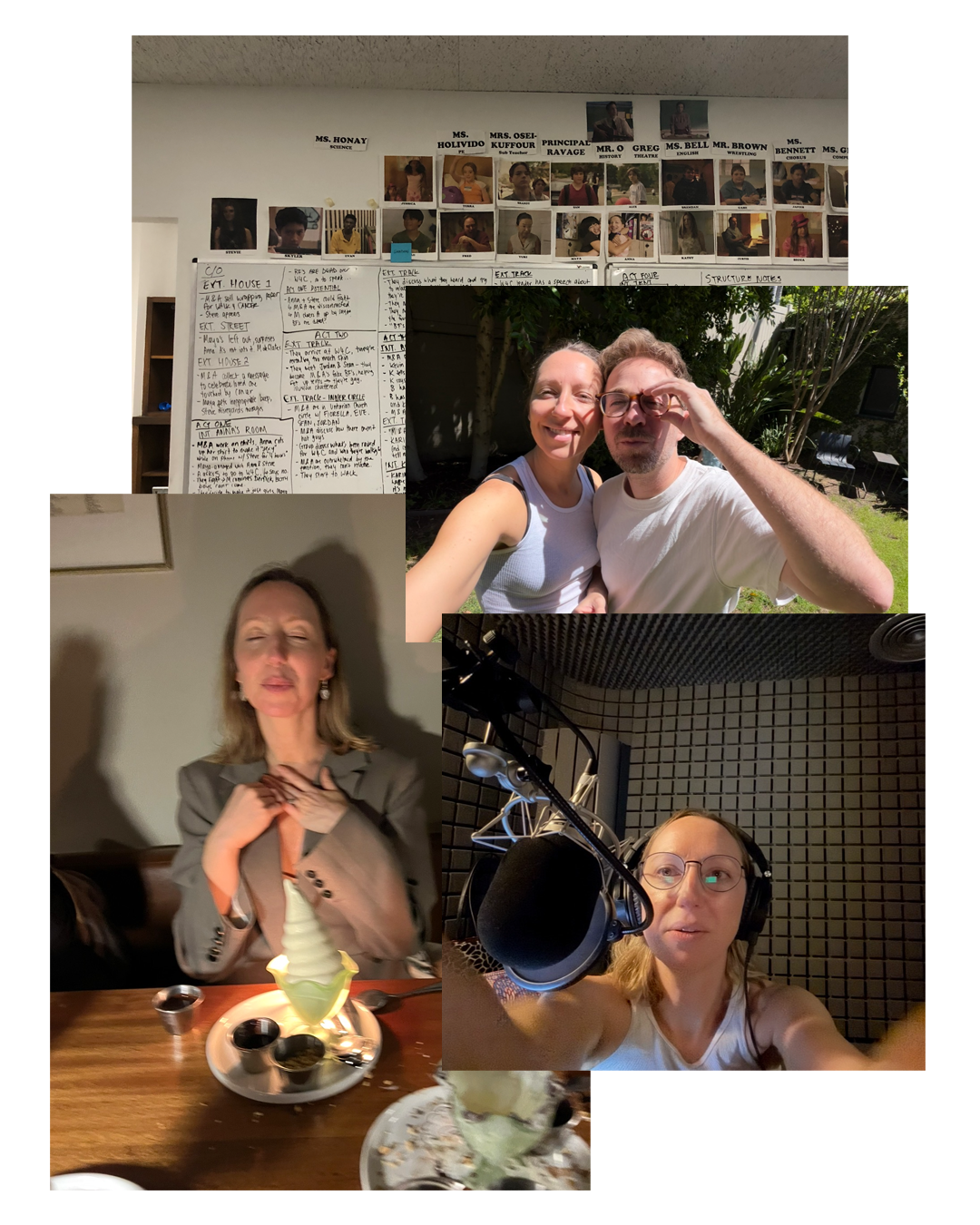
That’s easy to say - but less easy to actually realise. I think you’re born with one of two chips on your shoulder - you can either have the one that inherently knows that this isn’t your problem, or you have my one which means you’re not gonna learn until you’ve tried and failed many times. One of the big realisations I had was realising that the act of trying to stop my family being crazy was an insane act in itself - and it was making me one of the insane ones! The act of repetitively trying, all of that rigour and obsession, without me realising, is what led me astray as an adult. The anxiety was really crippling, you know?
There’s No Answer as to Why a Family Works
When I was growing up, my parents would have these huge fights - my dad would leave and my mom would be having these breakdowns - and it was obvious that something had gone awry. I think part of my overanalysing was trying to problem solve - to say: maybe if my dad quit his job and played guitar and my mum finally got her doctorate maybe this would work again. Basically, I was trying the work out: why the fuck did you two get together? But there’s no set reason for why a family works - and even if there was, it doesn’t mean that you can get them back that to that place.
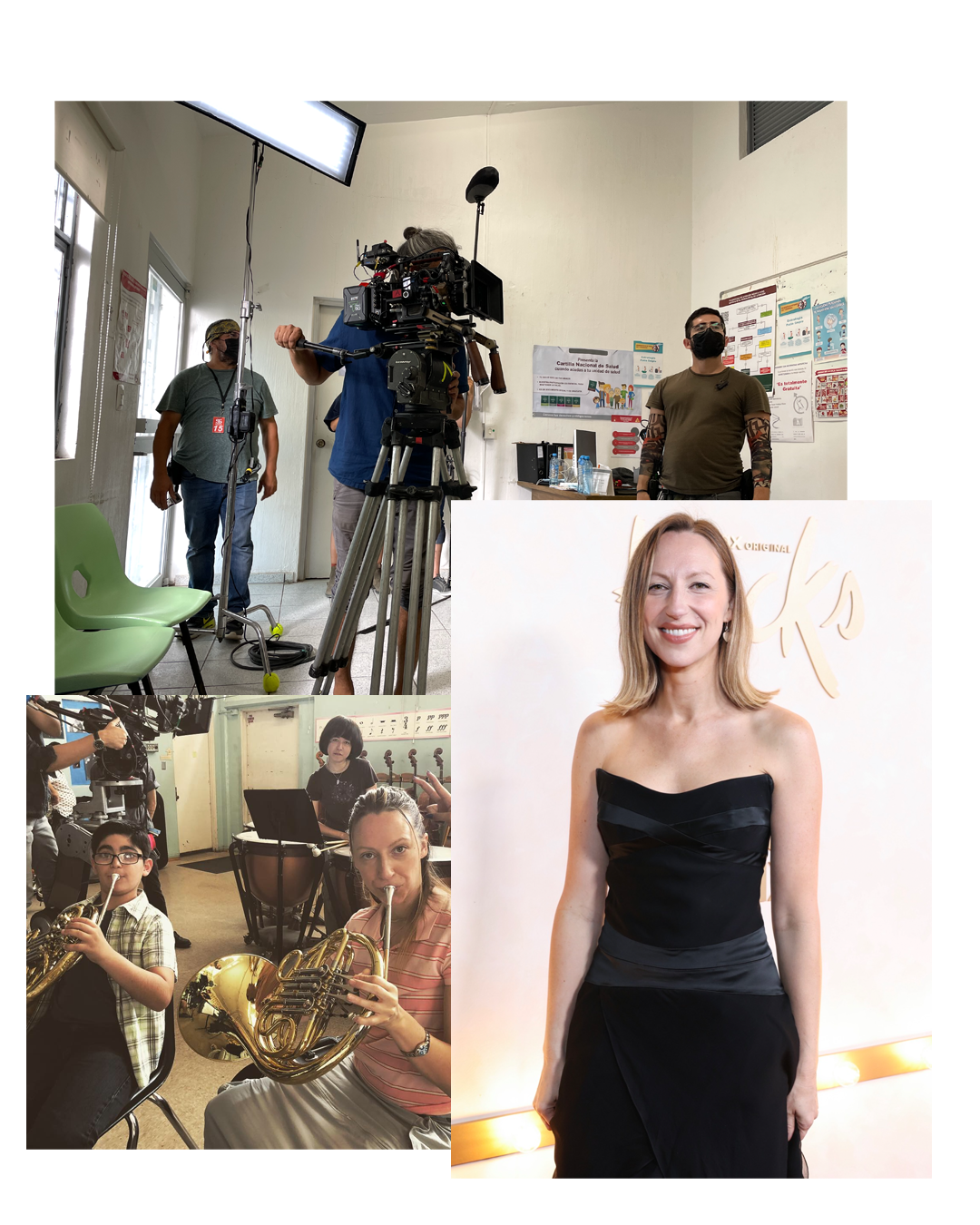
Accept a Level of Imperfection
When I looked at my family’s life, I saw a couple of things. Personally, I realised that I didn’t fit in the way I thought that I would - and I realised that my parents didn’t really fit into the town we moved into. I recognised that there was this outsider quality to us - and, at times, life can be really not kind to the outside. It took me until my mid to late-20s to really embrace the authentic outside in me and that ended up fuelling my work. I can put that on the page in a way that I still cannot always integrate into the walk of my everyday life. The fear of being an outsider and trying to fix it paralysed me - but now it’s become my compass. I love to watch something or read something that’s singular - so why should I not accept myself as singular?
Acknowledge Your Family’s Sacrifies
I watched my mom work three jobs and keep her children alive and the house running - and I saw the personal needs that she had, the poetry she occasionally wrote, her dreams of being a doctor slowly atrophy over time. And my dad was a carpenter, he was a hippy, he did acid - but there were all these aspirations to have a nuclear family that matched what we saw on TV, to have me in a good school system - and that meant him working as a human resource manager. I saw how the rigour of their everyday left them quite unhappy - and it instilled this drive in me to not run towards status, to not get stuck in nuclear suburbia, and to do whatever I could to stay full and alive.
Allow Yourself to be Nurtured
When I moved away from my parents I spent a lot of time with my friends. When I was in LA, I was staying on Maya Erksine’s couch. She really took care of me and I allowed myself to be nurtured by her. That was a new feeling for me - it was a lot of meandering walks without a destination, and I remember she took me to a Korean Spa for the first time. I remember getting an exfoliation and there was something that felt really symbolic to me - for years I’d tried to avoid the pain and it felt like with the literally layers of dead skin coming off I was back to feeling like a little baby again. And my friends were there to nurture me.
