Annie Lord on Oversharing, Romcoms and Letting Things Cook
Words: Jasmine Pirovic
Make it stand out
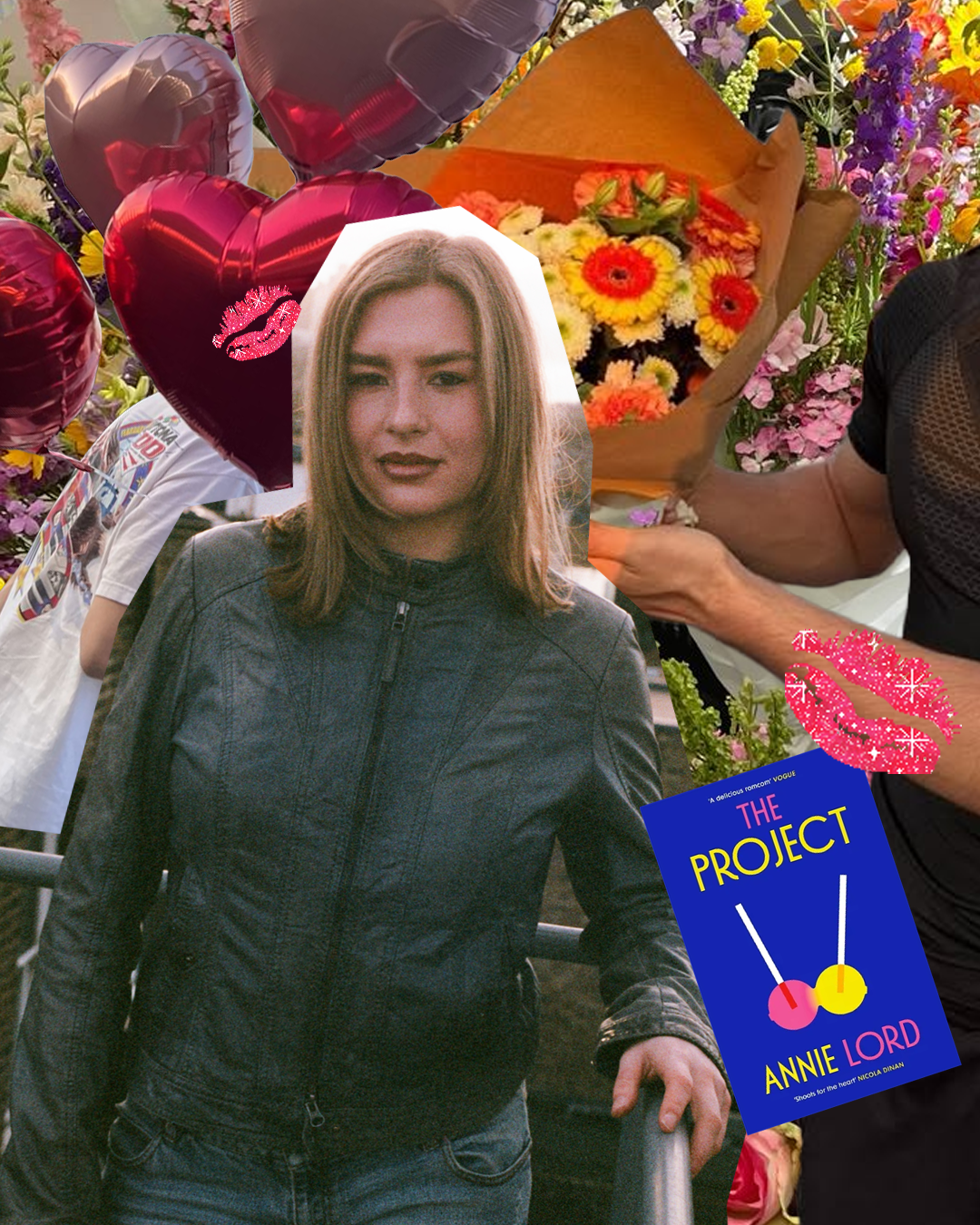
At the end of 2024, Annie Lord gave up her British Vogue dating column. “I’d taken it on before I'd started therapy. One day I realised it felt hard to write,” she says. “I felt exposed.”
Writing about love and sex publicly had made her self-conscious in a way the self-professed oversharer was previously immune to. Prior to the dating column, in her mid-twenties Lord landed a book deal after she penned a viral essay for Vice that injected fresh insight into that rarely trodden experience: breakups. The resulting memoir Notes on Heartbreak won her an audience and broadcast her talent. Over several years, Lord gave us the sense we were reading along while she worked through the doubts, anxieties, insecurities and fraught dynamics of modern romance, even if it wasn’t always flattering or perfect.
Across a table at the south-east London café where Lord often writes, the 30-year-old clarifies that she hasn’t reached a point where talking about her romantic life is off limits. “I do like and want to talk about the dating climate.” She says, warm and familiar, her artfully mismatched earrings dancing. “But I also sometimes wonder if I come across as someone who never gets laid?”
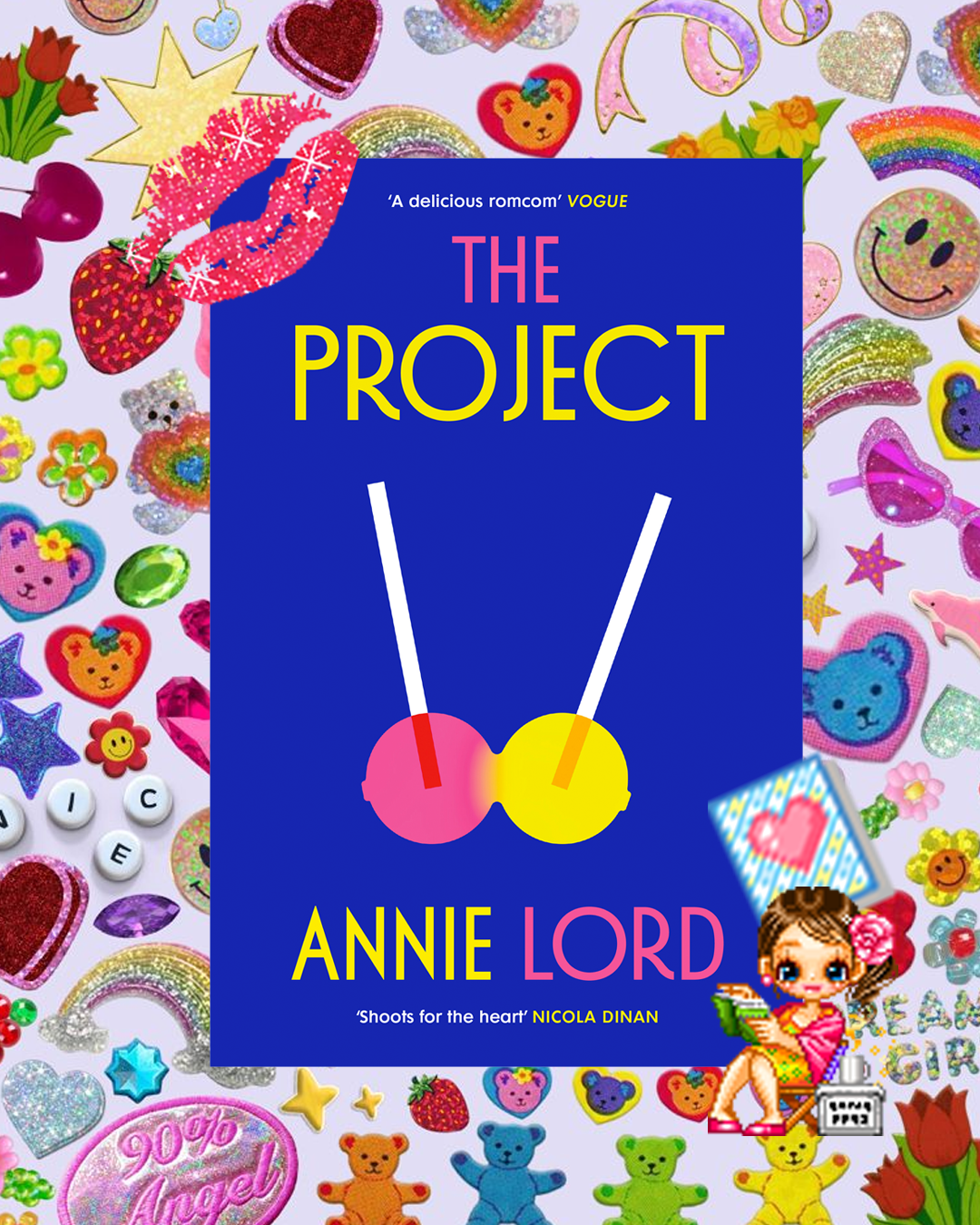
Then came The Project. Lord’s debut novel offered a tabula rasa for the author to experiment with these ideas and be vulnerable behind the shield of fiction. She smiles, “I can say things that might not be right or allow the characters to be uglier or behave in weird ways.”
Her first book pitch was a vague story about a flat share where everyone is hooking up with each other, but her agent kept asking “what’s the plot?” Annie notes, “Someone told me everyone's first novel is just people in rooms saying profound things.” It was only after a hookup with a university friend who was “really laddy and a bit of a dick” that the seed for the novel occurred to Lord.
“You know when you open a book and there’s a list of ten other books? I think I don’t want that life of churning books out. But then I finished this and felt really excited about writing another one. There’s nothing else that I could think of that I would want to do.”
He was, she admits, quite sweet deep down and her friend Moya joked that the title of the novel should be ‘The reinvention of so-and-so’. Something clicked. Dating apps have made us disposable to each other.
“You’ll go on a good date and then they'll meet someone else and go on a good date; it's just this endless churn of meeting more and more people.” Between red flags, cold feet and icks, it’s hard to discern between real and shallow connections. “I feel like now with dating we're so quick to end things. No one lets things cook a bit.” She went on a week-long holiday to Greece and began a first draft.
In The Project, any goodwill twenty-something best friends Daisy and Maya have towards men is being leached from them by a stream of situationships, romantic rejection and bottom-of-the-barrel prospects. After Daisy has a regrettable one-night stand with James from her university group, Maya devises a scheme to reform men, starting with James.
“It's quite a common feeling, isn't it? When you get with someone and it’s so frustrating - like, if you just read books or drank less you'd be perfect.” She laughs again.
The book is a pastiche of all Lord’s favourite romcom tropes. She wrangles the scenes and flips them on their head or switches genders. Bridget Jones snogging Mr Darcy in the snow. The speech in When Harry Met Sally. At one point, Daisy and Maya take James to Brick Lane for a style overhaul. When Maya picks up a bomber and is patronised by the shop assistant (“This is Wales Bonner”), it’s as if the book is goading you into reciting Julia Roberts’ famous lines.
While working on The Project, Lord opened Wild Houses by Colin Barrett. Its vivid descriptions of Ballina, Ireland inspired her to embroider Daisy’s world, south-east London, with a sense of place. “We’re made to think that loads of description are gauche or wrong,” she says. “But I enjoy it, it’s very romcom.”
Another perk of writing fiction? Lord could get graphic with the sex scenes, unlike her memoir, where sex is assembled through metaphors and a lot was left unsaid to protect her ex. The more awkward, the better. “I had a backlog of sensations in my head that were so visceral.” She points to a moment where Daisy is having drunken sex and feels the alcohol sloshing around like there’s a fishbowl inside her belly.
“I love sex, it’s always the most interesting, fun bit of a story,” she adds. When people complain about gratuitous sex scenes in films, Lord is surprised. “But I want to see it?”
Later, as she came to the tender scenes towards the end of The Project, the fun dwindled. “It was horrible. Even finding the words to use. Do I say dick or vagina?” Eventually, she got around it by making Daisy equally coy.
What helped was the realisation that good sex isn’t perfect. When she tried to write a seamless experience that was, on paper, The Best Sex Ever, it didn’t work. Then she embedded flaws and it gave the sex necessary texture. “That took the pressure off.” In one scene, a mortified Daisy finds toilet paper between her cheeks during sex. Lord stole the anecdote from a friend who was saved in her ex’s phone as “tissue stick”.
A lot has happened in the years since Lord stopped her dating column. Namely, that article questioning whether having a boyfriend is embarrassing. The rise of the manosphere. Heterosexuality has hit its nadir. When she set out to write the book, it focused on romance with a dream man. Then while doing re-writes, the misery of what was actually on offer set in.
Lord is aware that the book might appear to take an “I can fix him” approach to relationships. “I suddenly had a panic about women’s emotional labour and that the book encourages women to drain all their energy into making men better. But then I realised that they're making over a man because the dating climate is so shit and there aren't many options for women.” That’s when the plot gained momentum. The Project is a form of community service. They’re doing it for the women, and men just happen to benefit from it.
Lord finished The Project in September 2025 then took three months off. In January ideas were percolating again. Now, deep in her next book, she’s going for a “sexy modern-day Lady Chatterley’s Lover, Bella Hadid, Rivals vibe”. A clear win for horse girls. I catch sight of the horse tattoo on her bicep, beneath it is a line drawing of a bed – the same sketch from the cover of Notes on Heartbreak. This time, she plans to set the story somewhere north, having grown up in Otley, just outside of Leeds. But Lord’s had to bench it while doing press. “When I’m not writing I can feel a little existential, like who am I?”
“A lot of writer friends I’ve got have something else on the side. It sounds nice to do something else,” she replies when I ask if she has any aspirations outside of books. “You know when you open a book and there’s a list of ten other books? I think I don’t want that life of churning books out. But then I finished this and felt really excited about writing another one. There’s nothing else that I could think of that I would want to do.”