Are Influencers Allowed to Disappear?
Words: Isobel Slocombe
Make it stand out
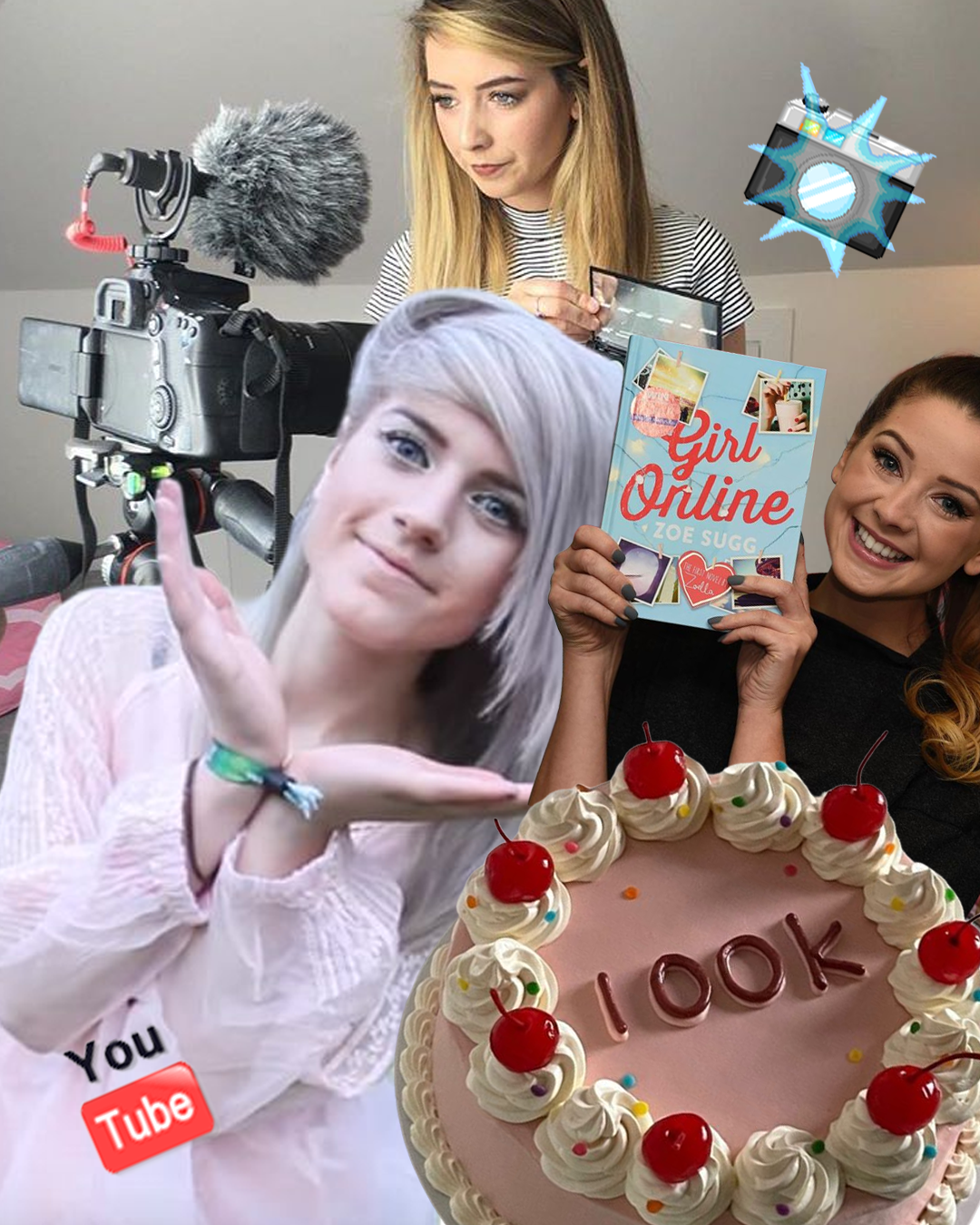
Every once in a while, the algorithm sends revenants from my past to visit me. An ex-partner’s holiday photo dump; an edit set to a song that used to soundtrack angsty walks to school. Last week, the apparition was a Zoella Primark haul video from fourteen years ago. After a couple minutes of what I can only describe as suffocating nostalgia via ‘twee’, I went to the comment section to find that hundreds of others were experiencing their own trips down memory lane. One user said their heart dropped, convinced for a second it was a new upload. Another said they were dying to go back to these times.
Zoe Sugg has been offline since New Year’s Day. Seven months. It's the latest in a lineage of ‘where did they go?’ panics. Line up enough of these cases and a pattern appears that has very little to do with any individual creator. It's about what happens whenever an influencer tries to leave. ___STEADY_PAYWALL___
In October 2021, Canadian YouTuber Joana Ceddia, known for comedy and painting videos, deleted her channel and Instagram without a word. Subscribers began to theorise. Had she moved to Alaska? Was she dead? A friend eventually surfaced online to confirm she was alive, dispelling the rumours that fans were generating on Reddit forums. Four years on, Ceddia has never returned and never explained herself. Her exit was total and unambiguous. Despite this, the forums are still active with theories regarding her health. The conversation and rumours continue years after.
“What's different about influencers is that the product was never the content, it was the illusion of access itself, framed as something closer to friendship than fandom.”
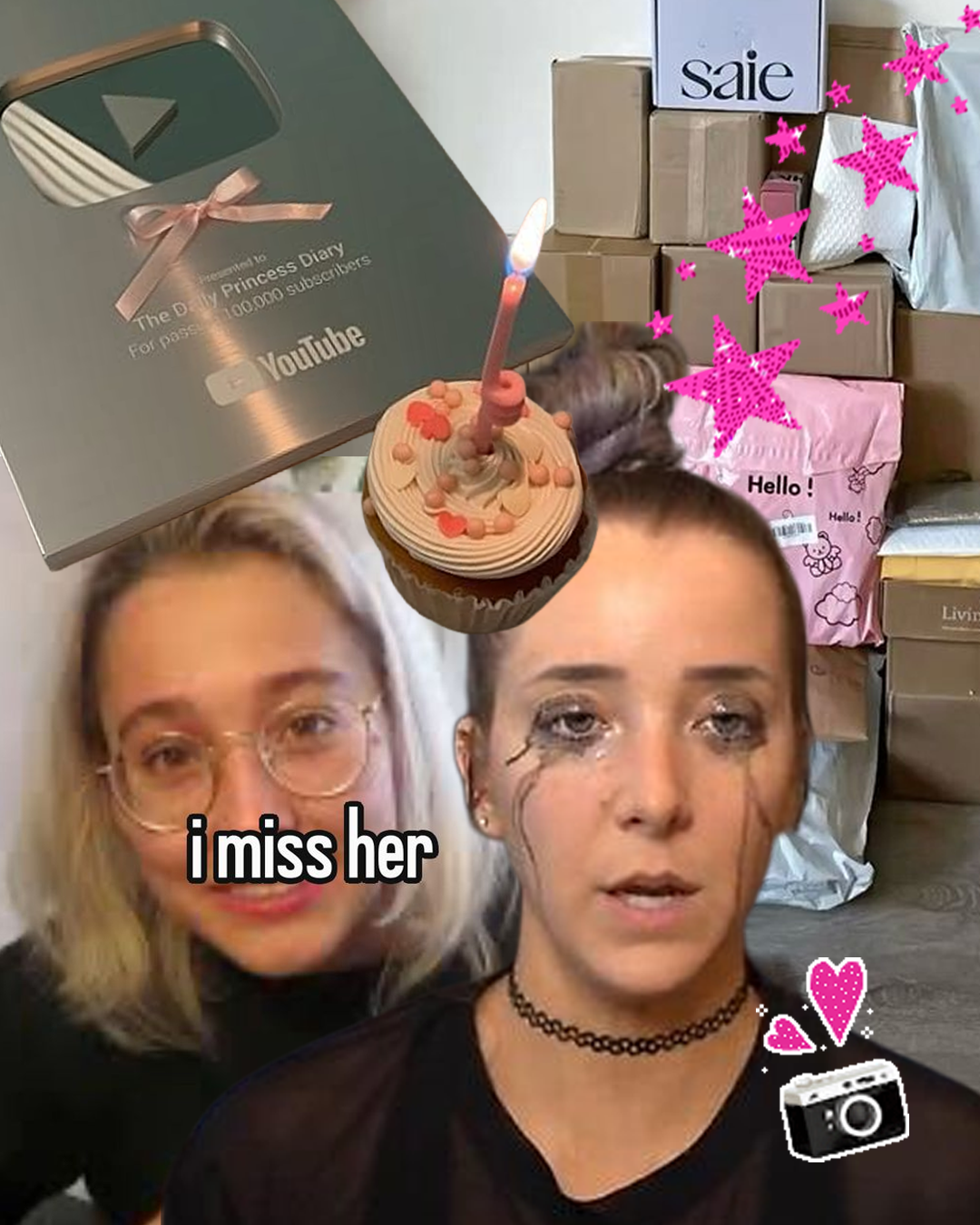
If Ceddia's case shows how quickly silence turns into online rumours, then Marina Joyce shows how the rumours can manifest in real life consequences. In 2016, the YouTuber became the subject of #SaveMarinaJoyce, a viral theory that she was being held hostage and sending coded distress signals through her videos. The internet hysteria resulted in a media frenzy and police even went to check on her twice, reporting that she was safe and well. Fans still didn’t accept it. After Joyce tweeted about a fan meetup, comments declared this must be some sort of trap. One rumour even suggested that ISIS must be involved somehow. She later described the experience as overwhelming. Stripped of any real relationship to anchor it, audience concern here didn’t feel like true care at all. It was more like a story people wanted to be inside of, using a real woman's life as the set.
Then there's the case that complicates the idea that transparency is what fans desire. Jenna Marbles, one of YouTube's first major stars, left the platform in June 2020 after facing backlash over old videos, including a blackface impression and a racially insensitive rap. She didn't vanish. She posted an eleven-minute video, tearful and specific, naming exactly which old videos she regretted and why. She said plainly that she didn't know if she was stepping away for now or forever.
Yet the transparency changed nothing about how her audience responded. Five years on, "we miss you Jenna" is still a reliable comment under her old uploads, and any blurry sighting of her in public is treated as breaking news. She gave her audience everything Zoella hasn't given hers, yet it hasn’t bought her the right to actually be gone.
Arrange these examples side by side and the theory that audiences just want honesty falls apart. Each of these creators is a stand-in for something bigger the audience isn't ready to let go of, whether that's a specific, simpler era of the internet, or a version of themselves who first discovered their content. No explanation, however complete, settles that feeling of loss, because the person being ‘mourned’ isn’t the point.
Every one of these disappearances is experienced as some sort of betrayal, but this only makes sense if you assume there was a contract in the first place. What really existed was a parasocial relationship. A one-sided intimacy in which the audience may know the creator's bedroom, favourite products, morning routine and relationship history, while the creator knows very little about the audience at all, bar comments and potential fan meet ups IRL.
A study conducted at Shenzen University introduces “psychological ownership as a core explanatory framework for understanding high-intensity enthusiasm, emotional labor, and collective action in digital fan culture.” While previous research into fan behaviour has focused on the parasocial, it goes beyond this. Fans will come to perceive idols as ‘theirs’ and ‘ours’, resulting in motives of responsibility and protection, similar to how people might feel about their family and friends. This explains the collective ‘mobilising’ lengths that fans will go to when they decide that their favourite creators are in danger.
Authors have always been allowed to go quiet between books. Actors disappear from screens for years at a time without anyone accusing them of owing an explanation. If anything, breaks in the arts are often read as exciting, that stars must be preparing for something ‘big’. That the music, the film, whatever the next product is will be their best yet. What's different about influencers is that the product was never the content, it was the illusion of access itself, framed as something closer to friendship than fandom. Take away the daily upload and you haven't just lost a show. You've lost the one piece of evidence that the friendship was ever real. Perhaps influencers need to display greater awareness that this sense of intimacy is, for many, the product they are selling.