
Words: Patrick Duffy | Photographer & Creative Director: Will’s Camera | Producers: Will’s Camera, & Hannah Stone | Talent: Cosmo Lombino / Queen of Melrose | Management: Ansley Weller | Makeup: Kelby Adam | Hair: Ryan Carpenter | Jewllery: Madeline Estelle | BTS: Drew BaoLong & Andrew Birmingham
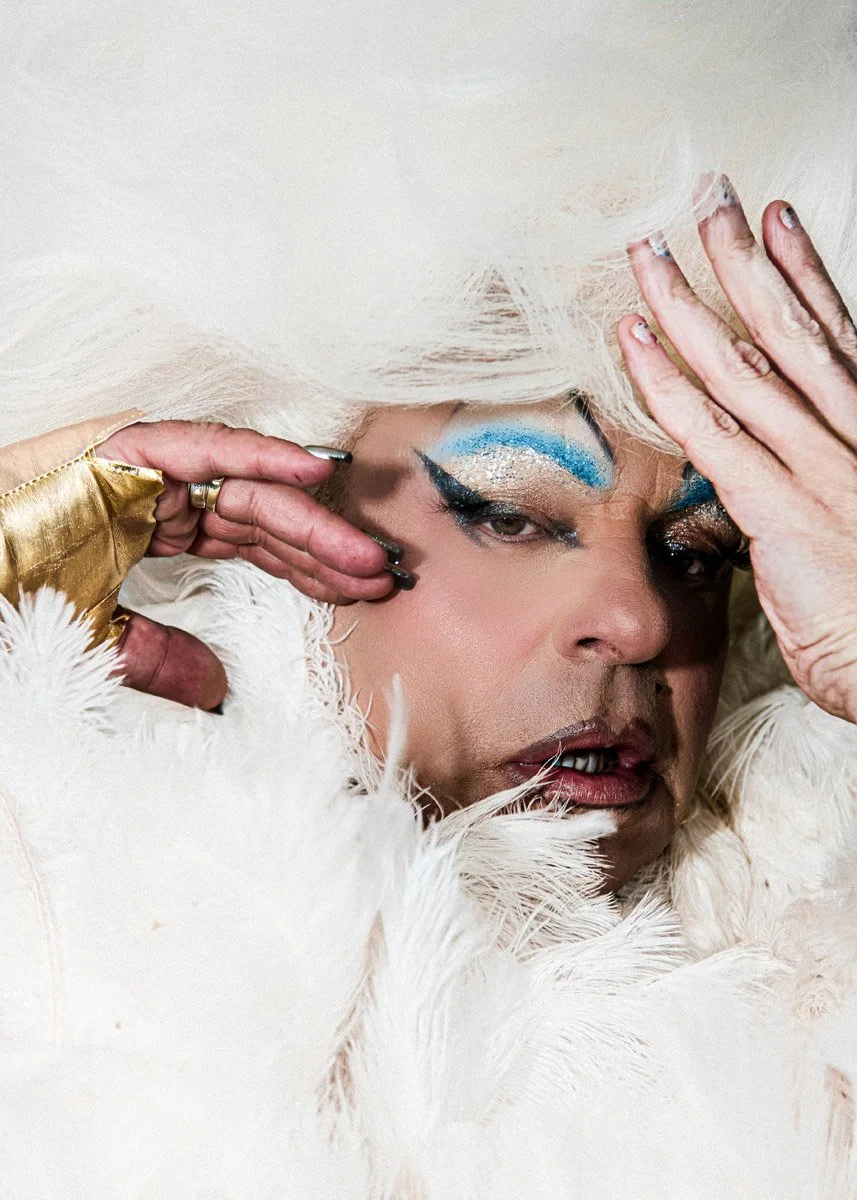
Los Angeles has never been shy about manufacturing icons. But Cosmo was not made in a studio lot, assembled by committee or polished into being by a publicist. She made herself—loudly, lovingly and in full view—on Melrose Avenue.
Known as the Queen of Melrose, Cosmo is part stylist, part shopkeeper, part street philosopher and entirely her own creation. She has dressed everyone from *NSYNC and Nikki Sixx to Erykah Badu, Doja Cat, Megan Thee Stallion, Deontay Wilder and Shaquille O’Neal. Her store, Cosmo’s Glamsquad, is less a boutique than a living extension of its proprietor: wigs, sequins, scandal and enough fashion archaeology to make a minimalist break into a rash. It was there, in Spring 2025, that photographer Will’s Camera walked in looking for clothes and found a muse.
“She called me David Bowie and told me to follow her to the glory holes,” he remembers. “I knew I loved her right then.
“You can feel the presence of an icon before you actually make their acquaintance,” Will continues. “Cosmo and her entire space embody her spirit.”
Cosmo’s version of their meeting is characteristically more pragmatic. Before agreeing to the shoot, she consulted the person she trusts most: her manager. The assessment was frank. Will did not have an enormous following, she told Cosmo, but he did have talent. Then came the decisive detail.
“Will arrived on Melrose looking for clothes. He left with a body of images about queer inheritance, creative resurrection and the radical pleasure of too much. Cosmo, meanwhile, remains exactly where an icon belongs: not preserved behind glass, but alive, unruly and still becoming”
“He’s from New York,” Cosmo says. “I don’t say no to New York, girl.”
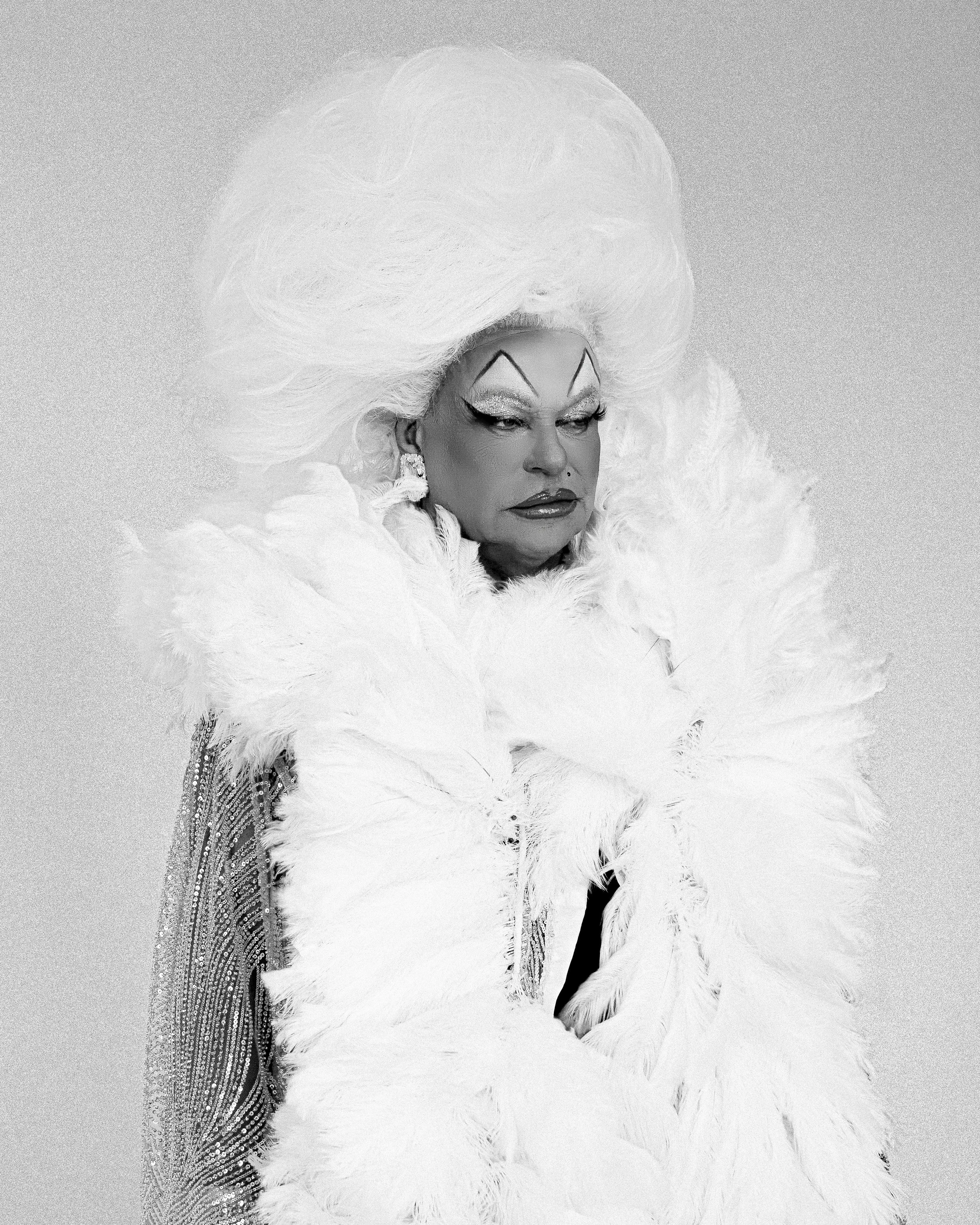
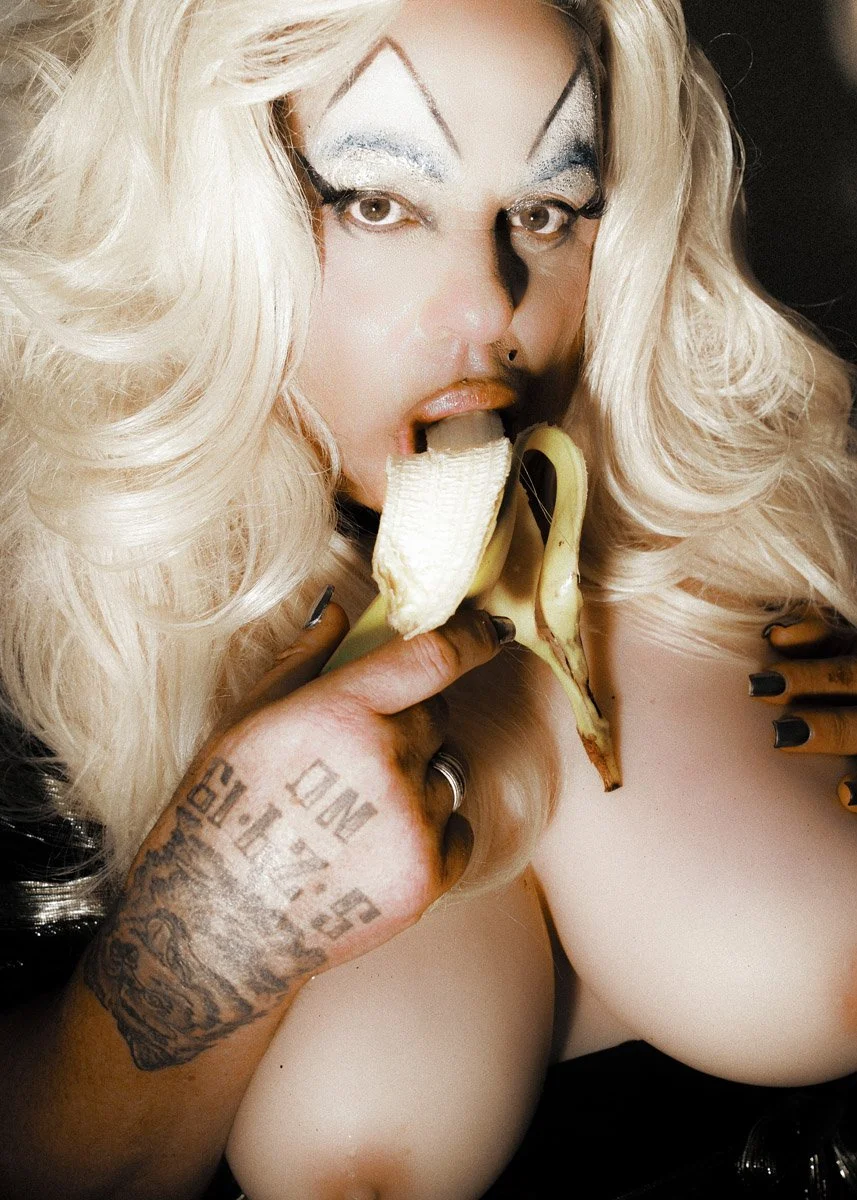
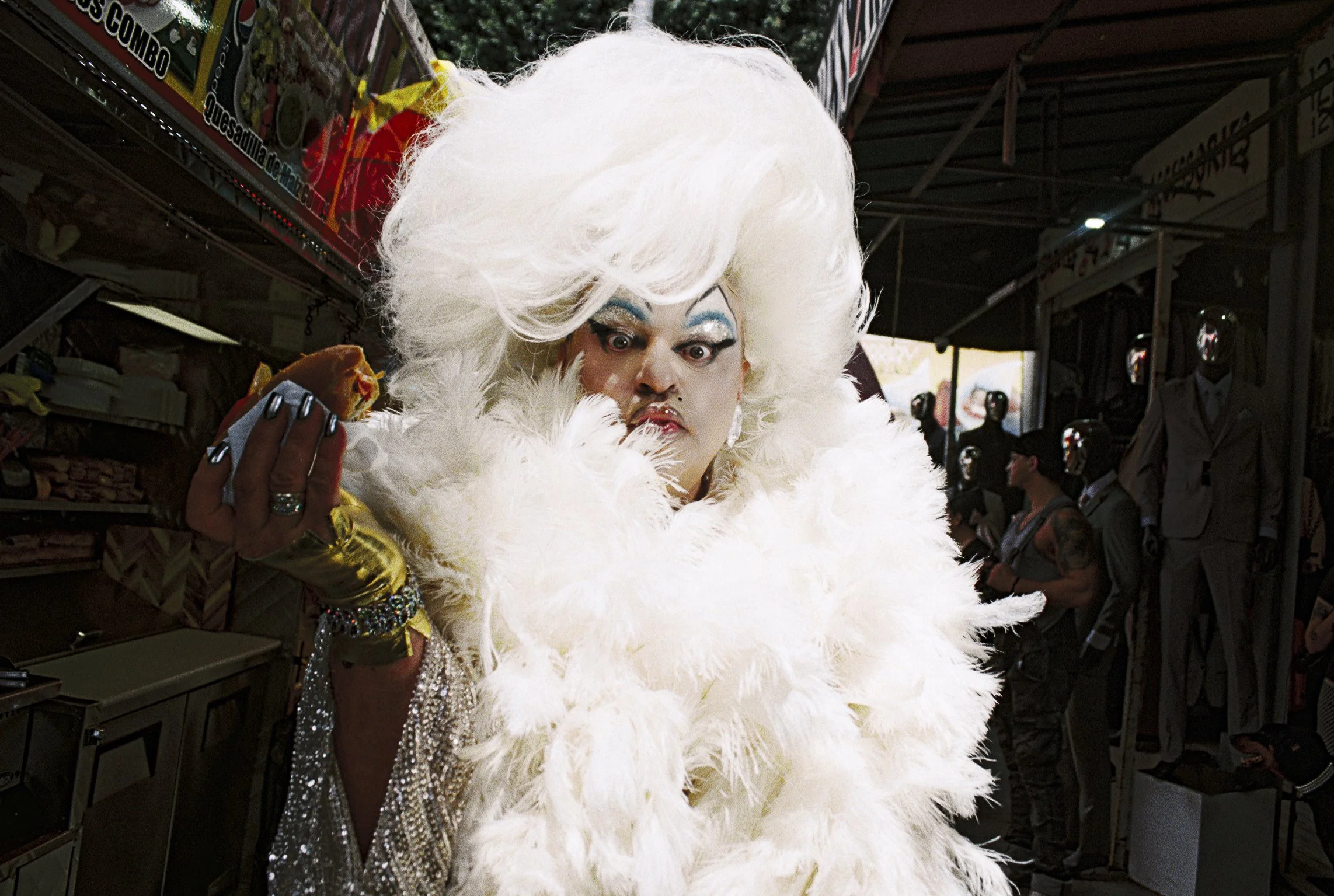
The city matters here. New York gave Will a visual education in queer spectacle; Cosmo grew up in Harlem, absorbing the women in her family, the freedoms of the 1970s and ’80s and the unruly gospel of Patricia Field. She recognised the accent, both literal and creative. By the time Will returned to pull clothing, formality had already left the building.
“It was kind of like I’d known him for years,” she says. “He made me feel really comfortable. It was the perfect storm, the perfect setting.”
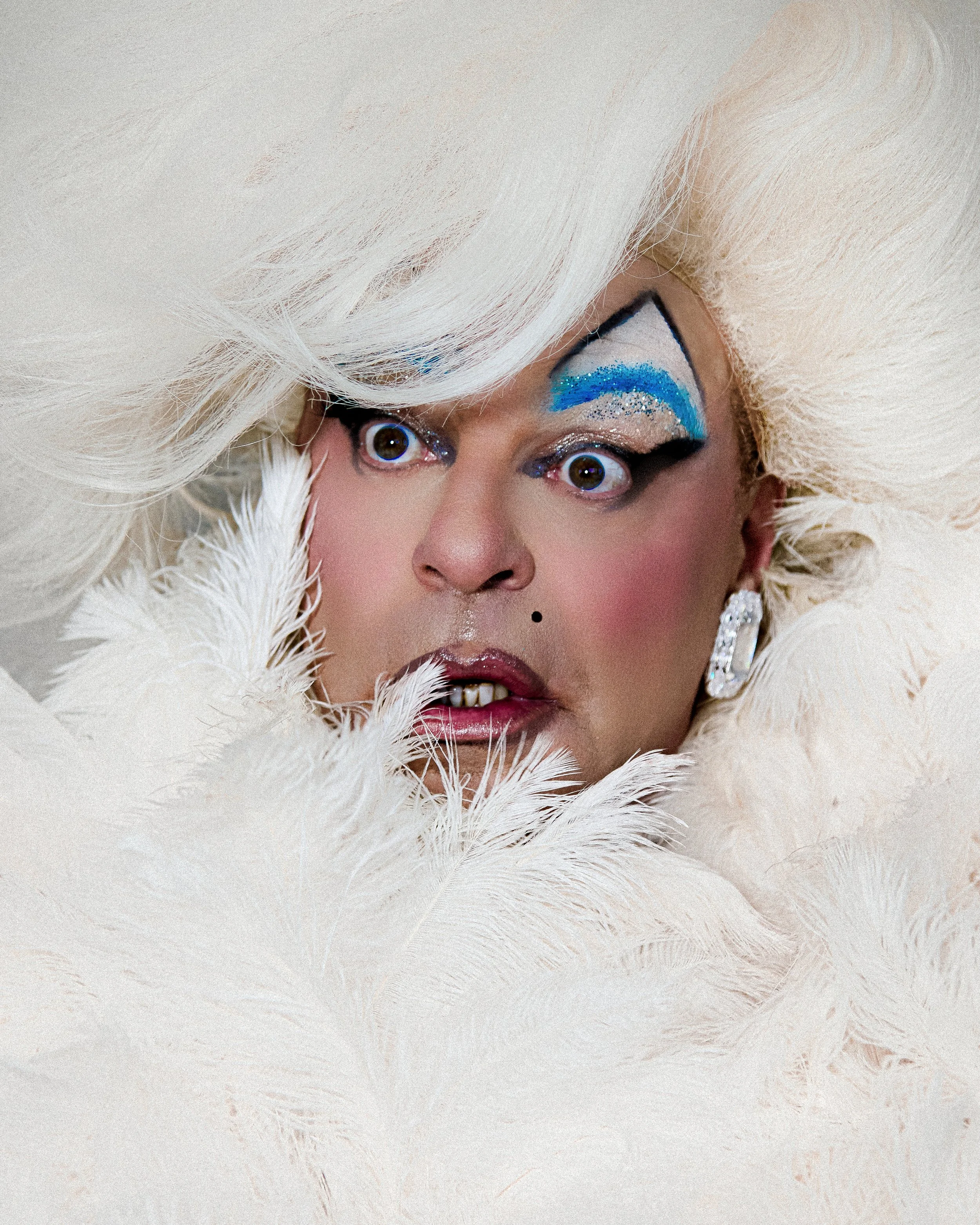
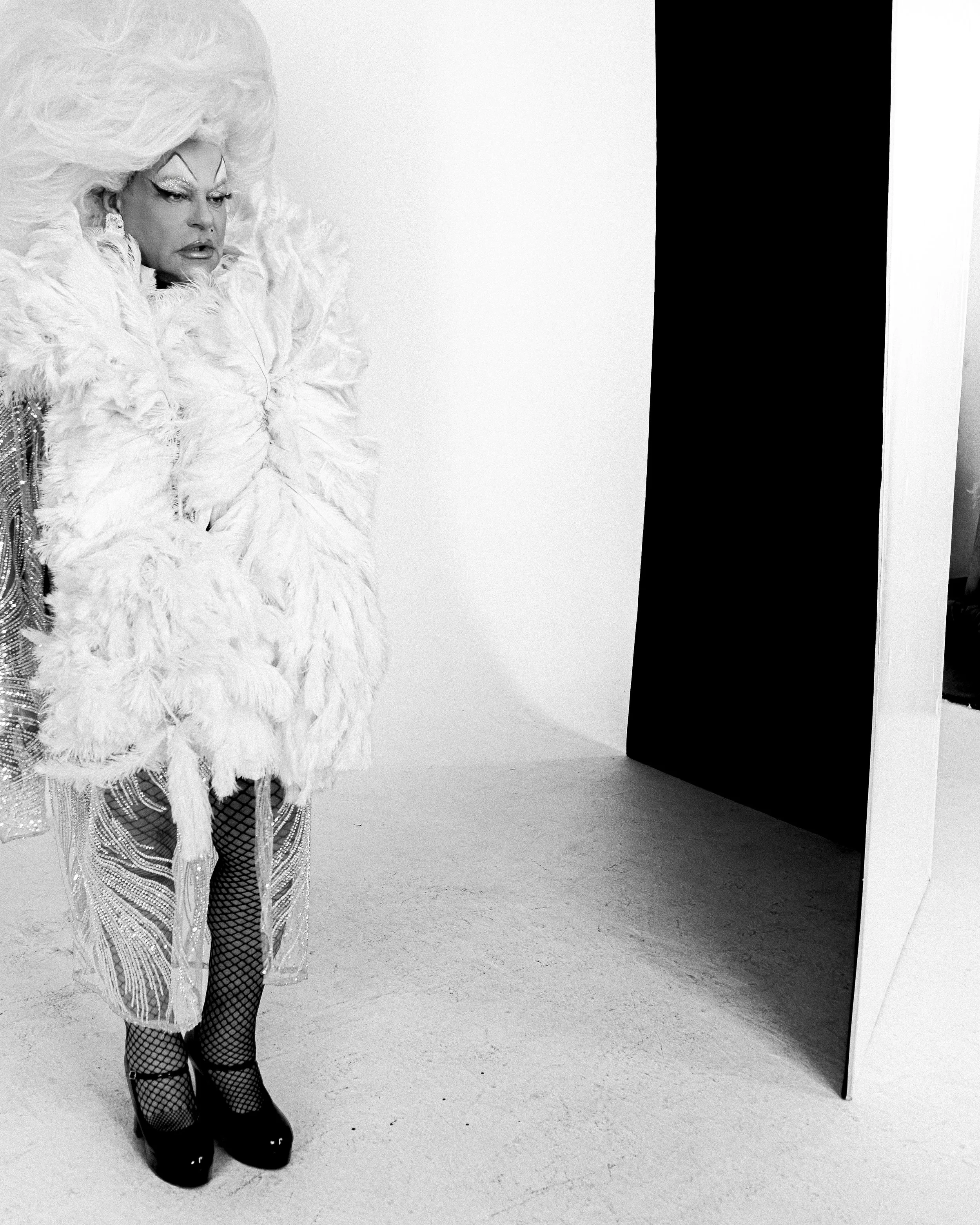
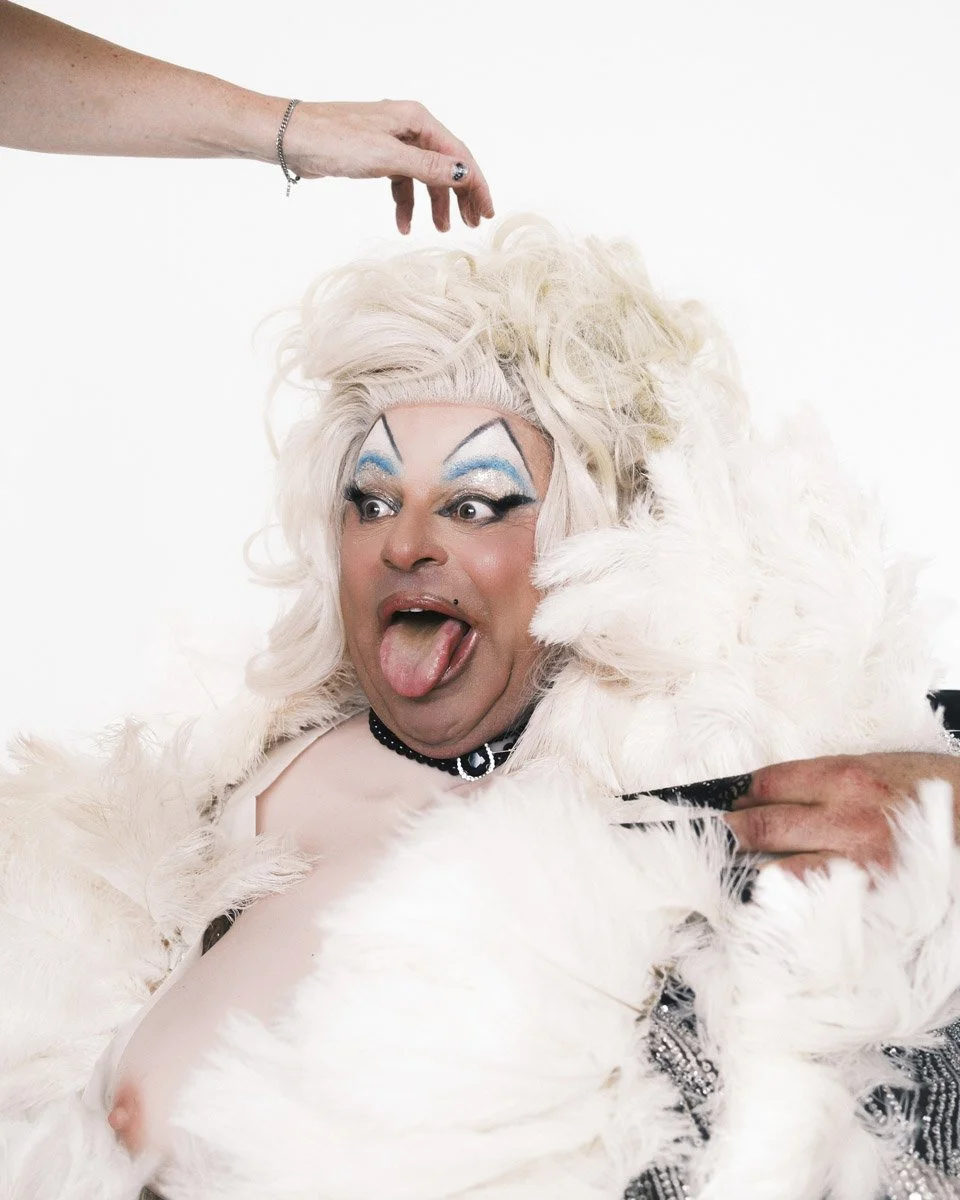
The shoot began with an apparition from queer cinema: Divine, John Waters’s immortal muse, whose penciled brows, dangerous glamour and magnificent refusal of respectability changed the visual vocabulary of camp.
“Divine and Cosmo have energetic overlap in my mind,” he explains. “Both are queer icons and effortlessly blend humor, glamour, depth and wisdom.”
Cosmo understood the reference immediately—and also its limits.
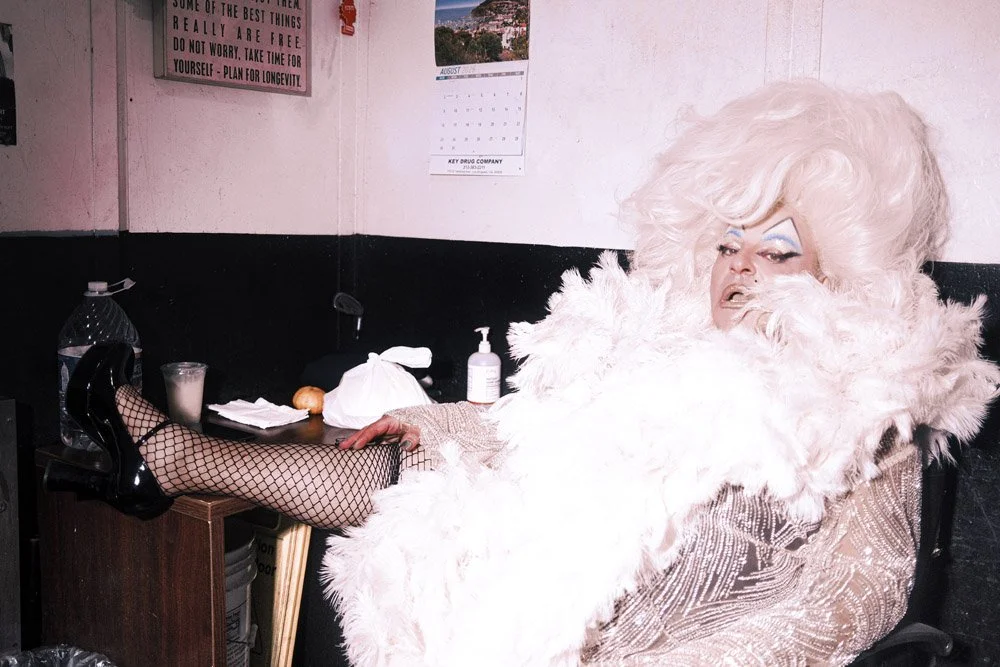
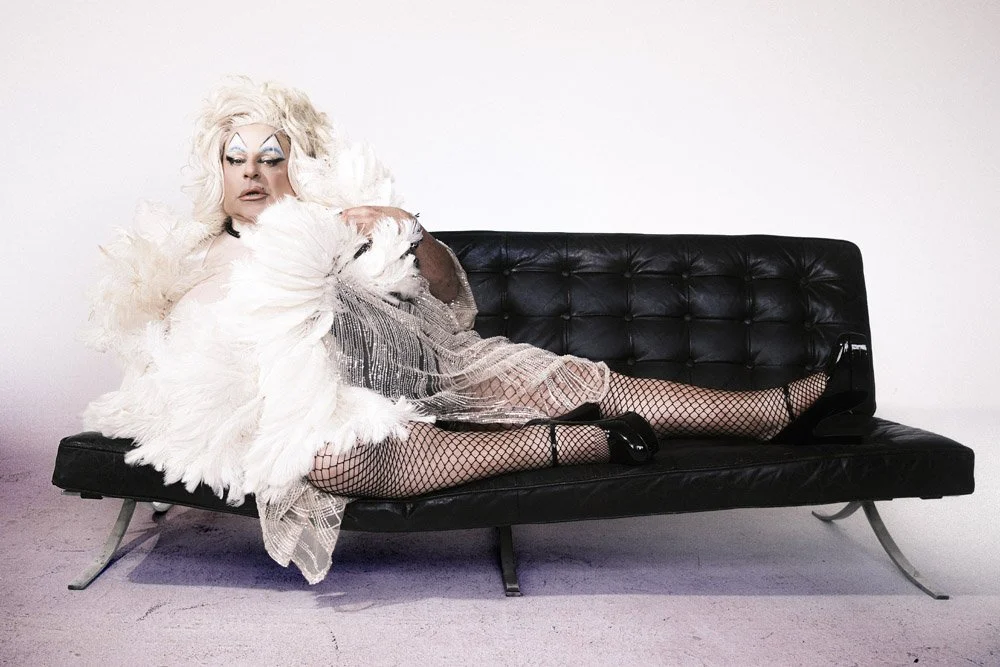
“Divine was larger than life, and so am I,” she says. “A lot of people have said, ‘Call John Waters. You have to be the new Divine.’ But there’s only one Divine, and there’s only one Queen of Melrose.”
It is an important distinction. Camp becomes dull the moment it slips into imitation. Its power lies in transformation: the ability to take what culture has dismissed as excessive, vulgar or absurd and return it as beauty. Divine did that. Cosmo does too, in her own language and on her own street.
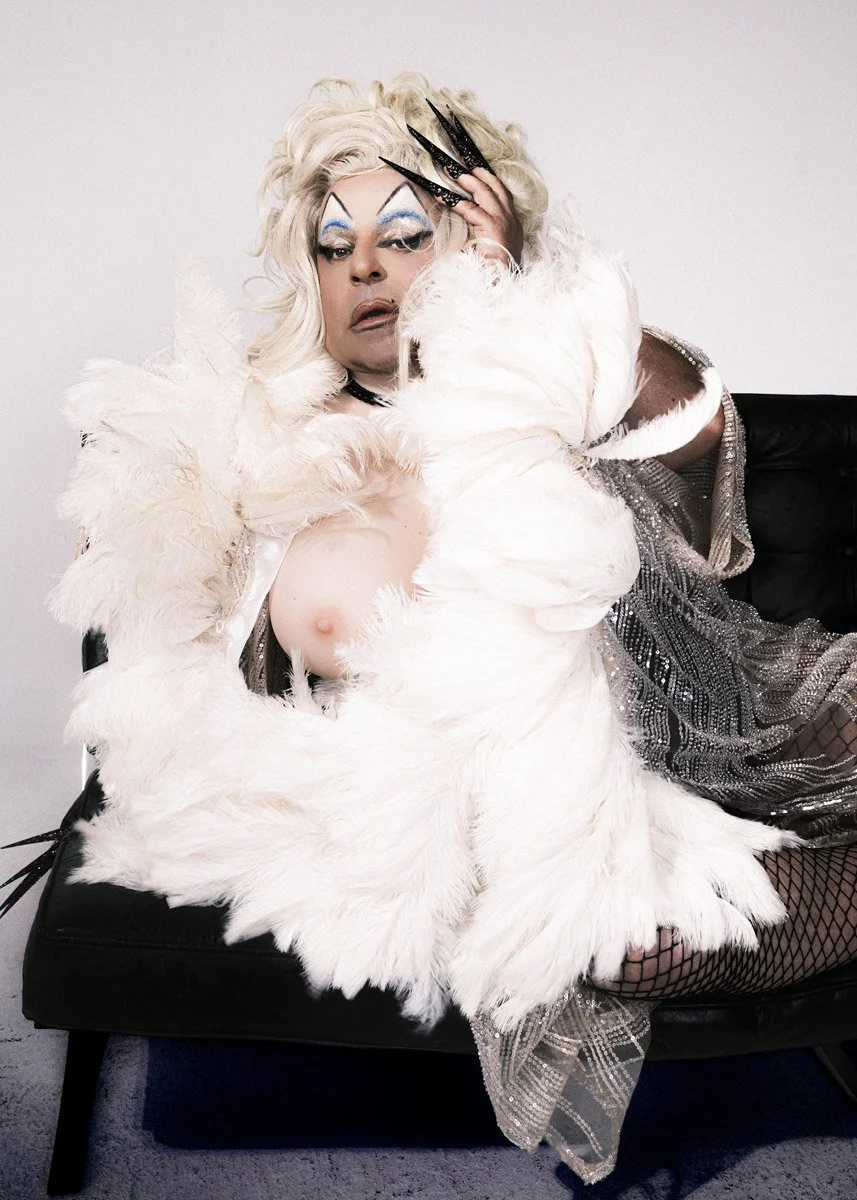
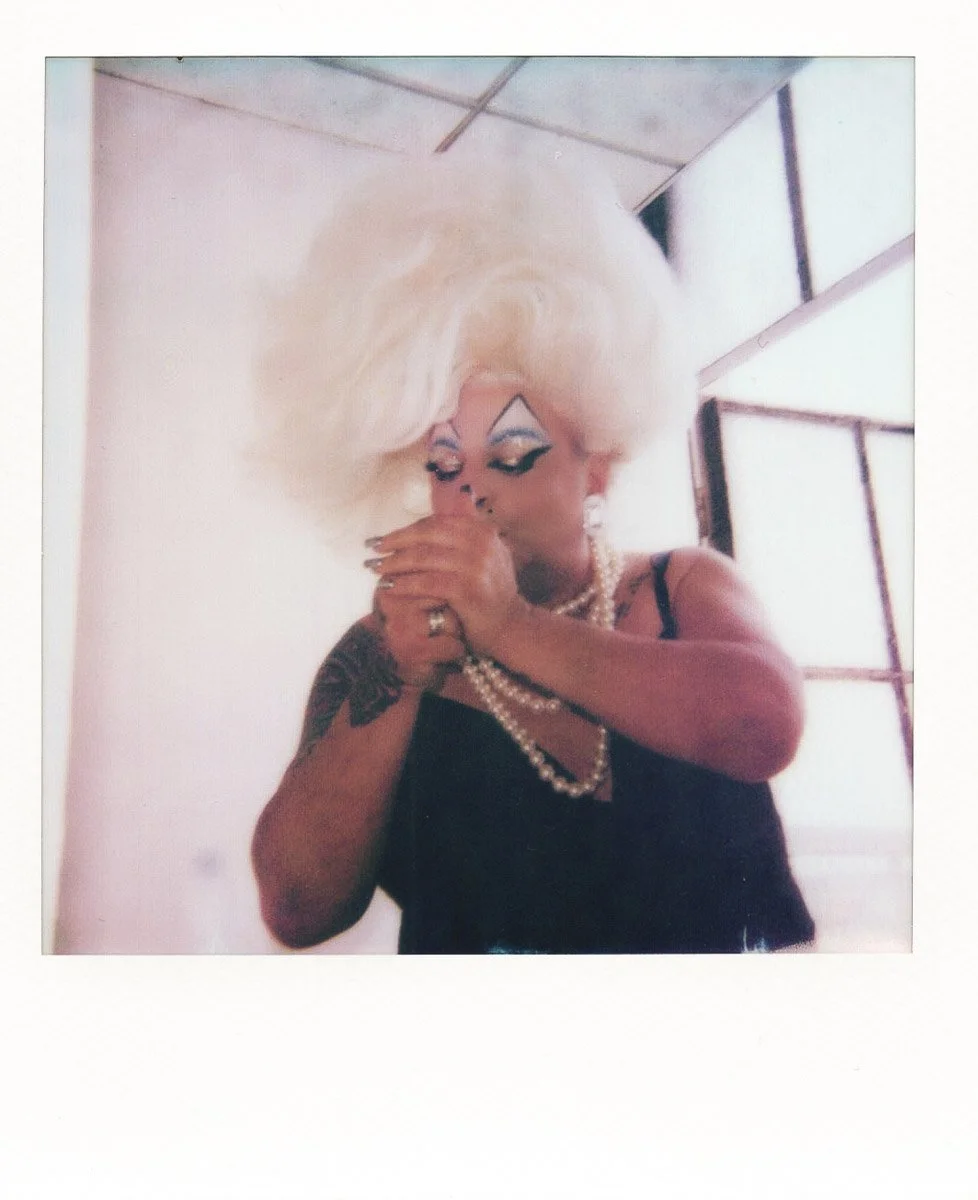
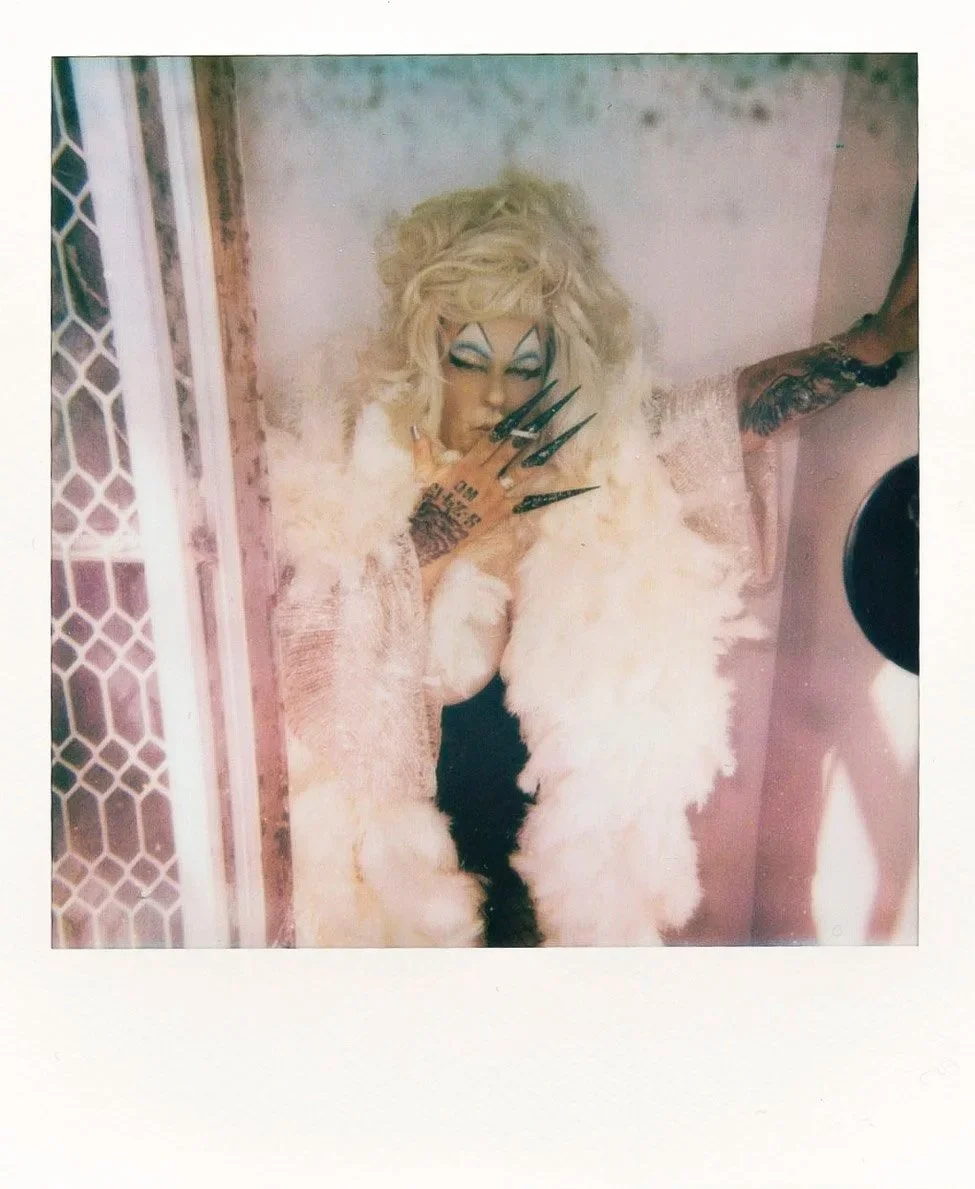
When it came to the shoot, Will built the images around the emotional charge of film and a palette drawn from archival photographs of Divine: warm orange skin against cooler blues and greens, hard contrast, pop color and a trace of 1990s editorial insolence. Cosmo felt “like Marilyn Monroe meets Divine.” The result is suspended somewhere between a John Waters close-up, a downtown fashion story and a supermarket tabloid discovered after midnight.
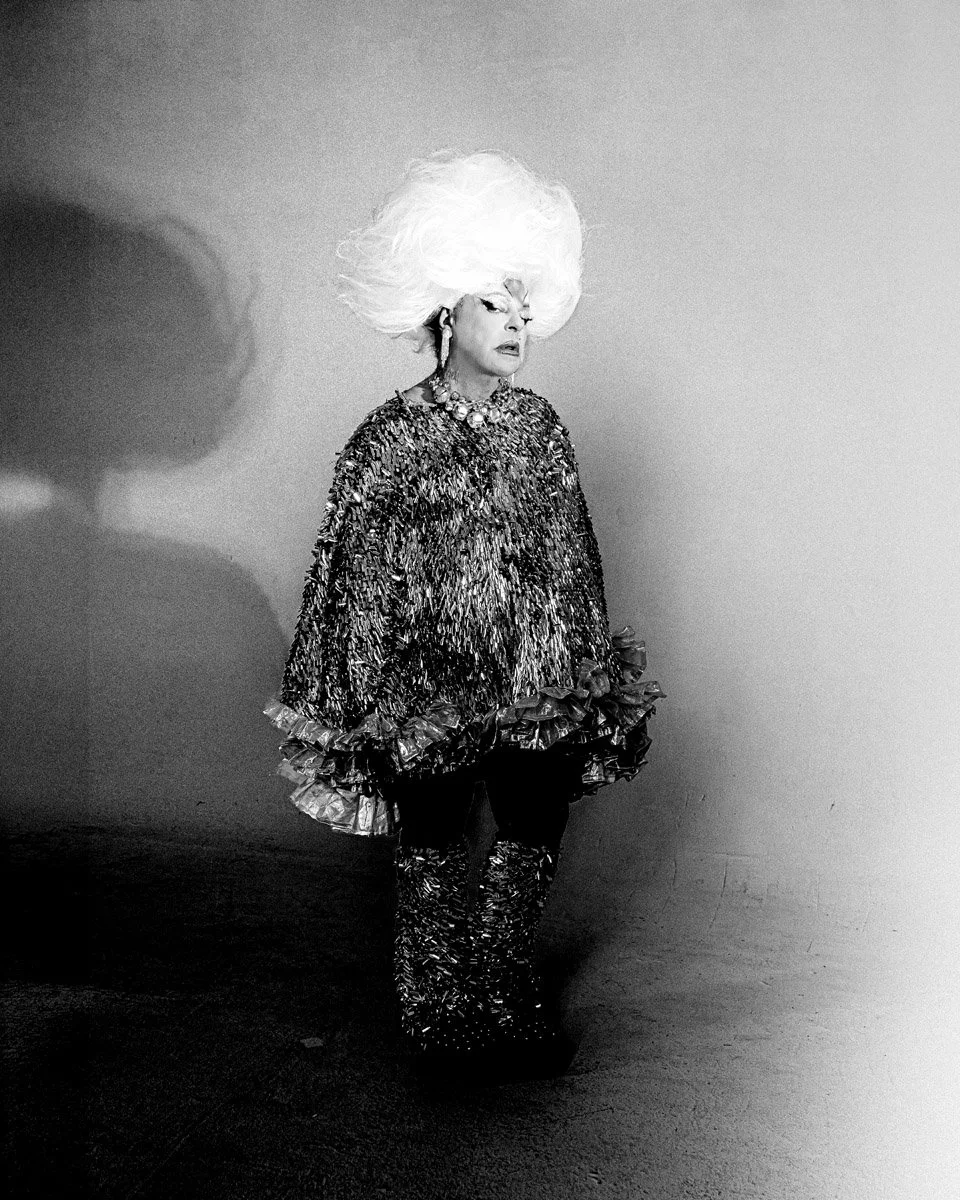
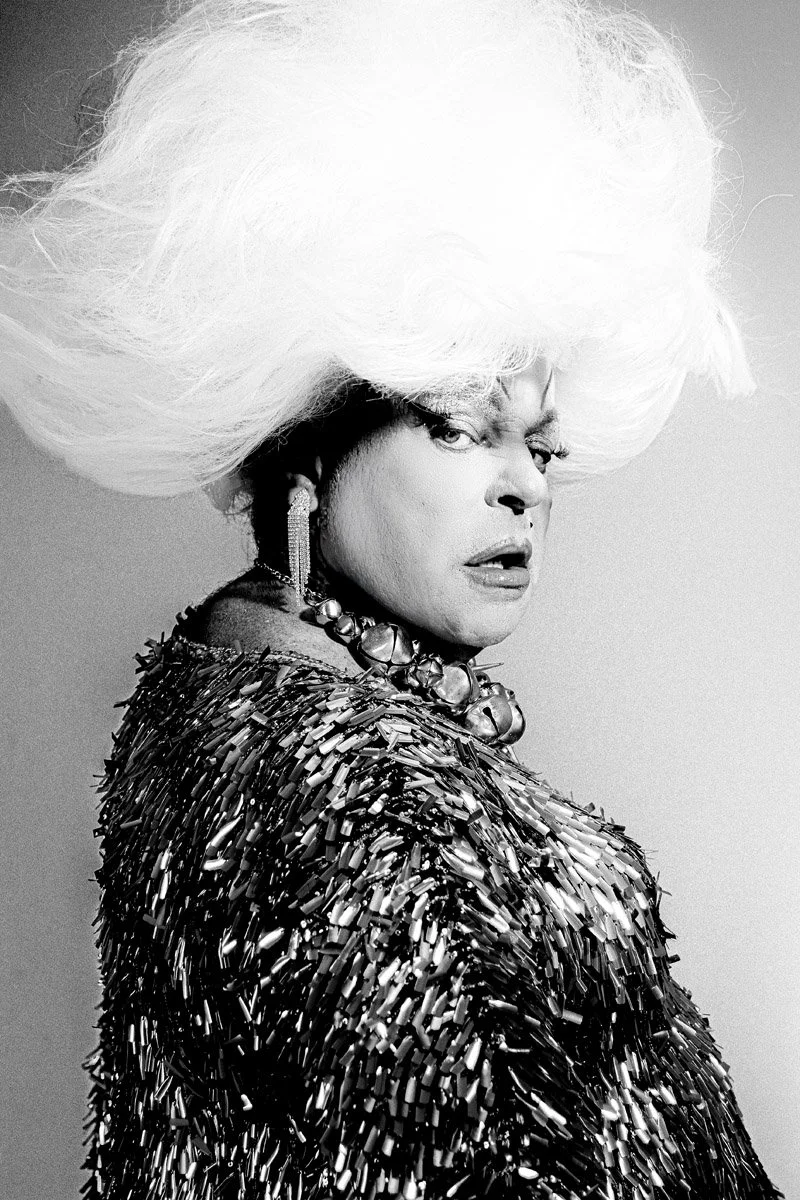
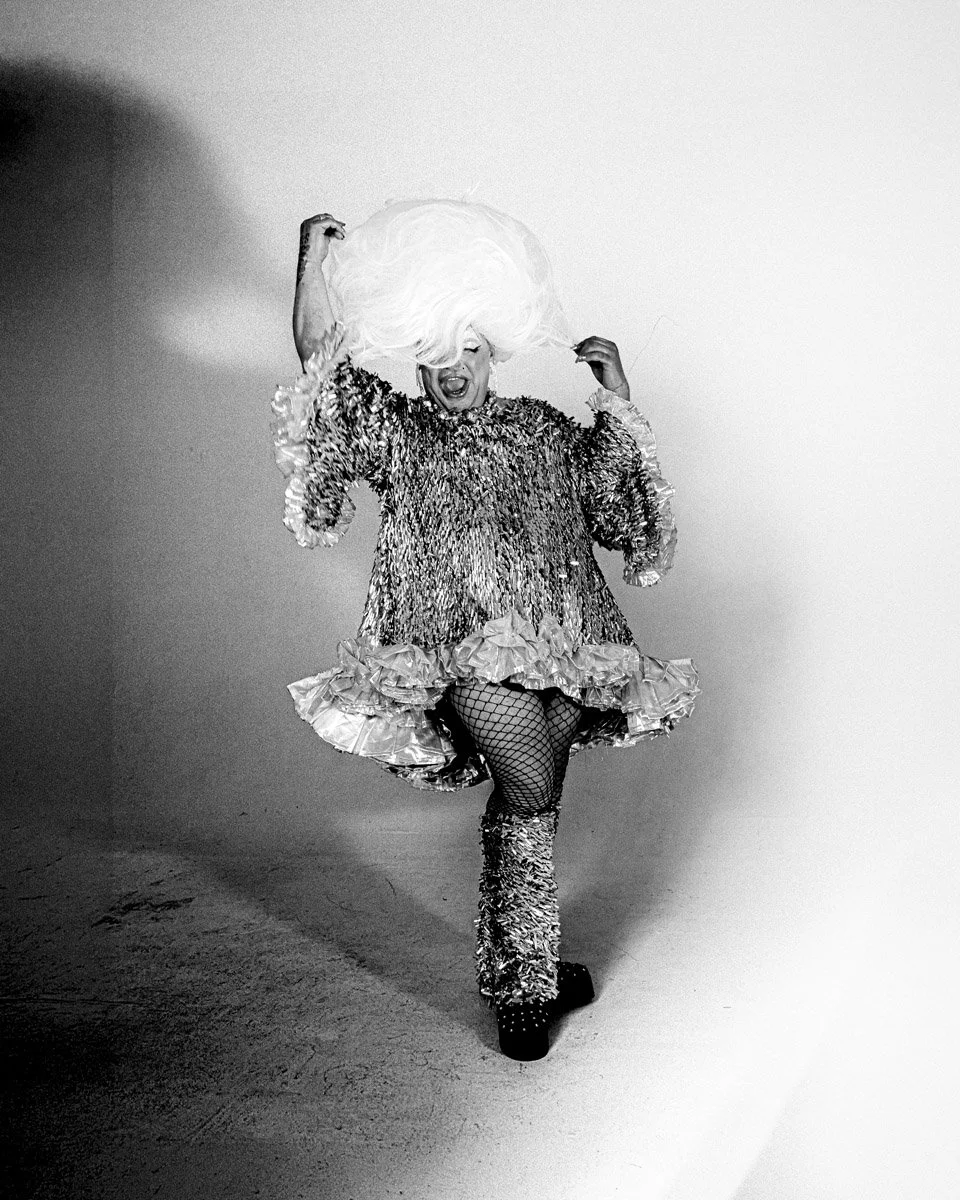
Cosmo danced, smoked, vogued and emoted while Will watched through the viewfinder, intervening only when necessary: a lowered chin, a widened eye, a request to do it once more. His chief technical defense against the Queen of Melrose was simple: a high shutter speed.
What impressed him most was not merely her instinct for the camera, but her instinct for people. Cosmo moved through the set as she moves through her store, collapsing hierarchy and turning strangers into accomplices.
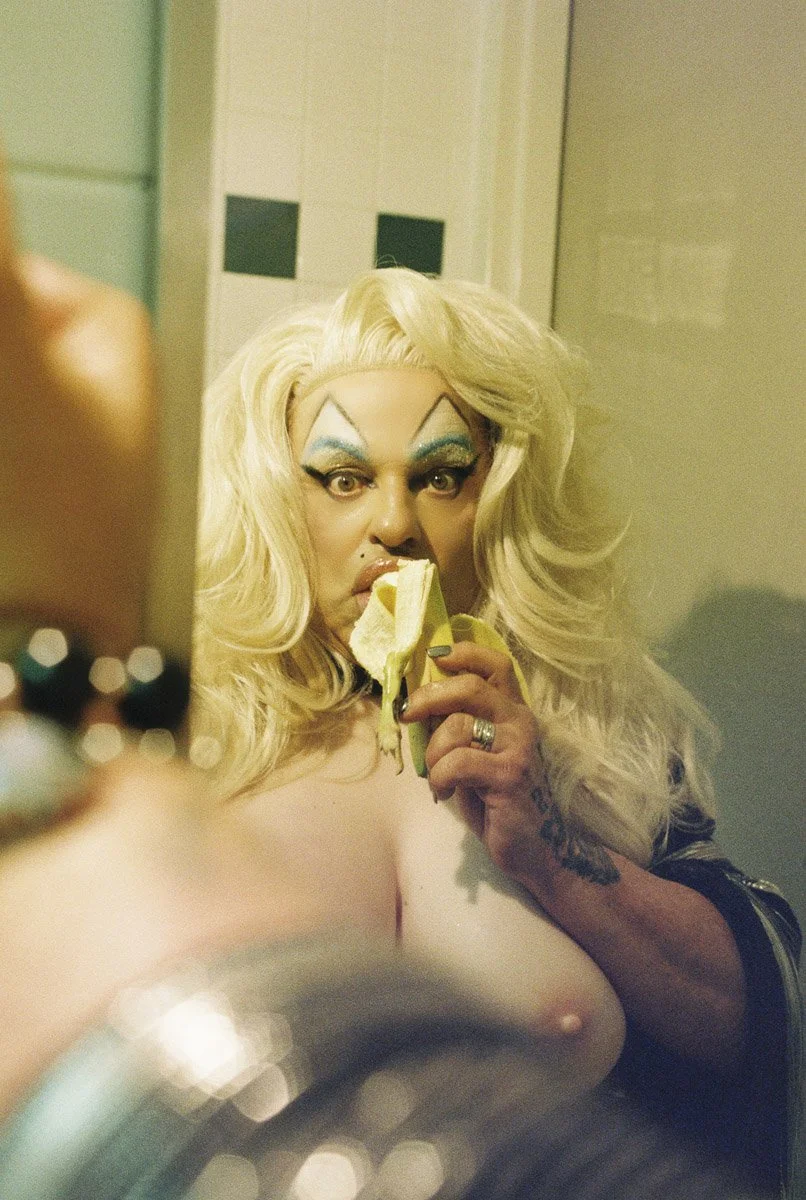
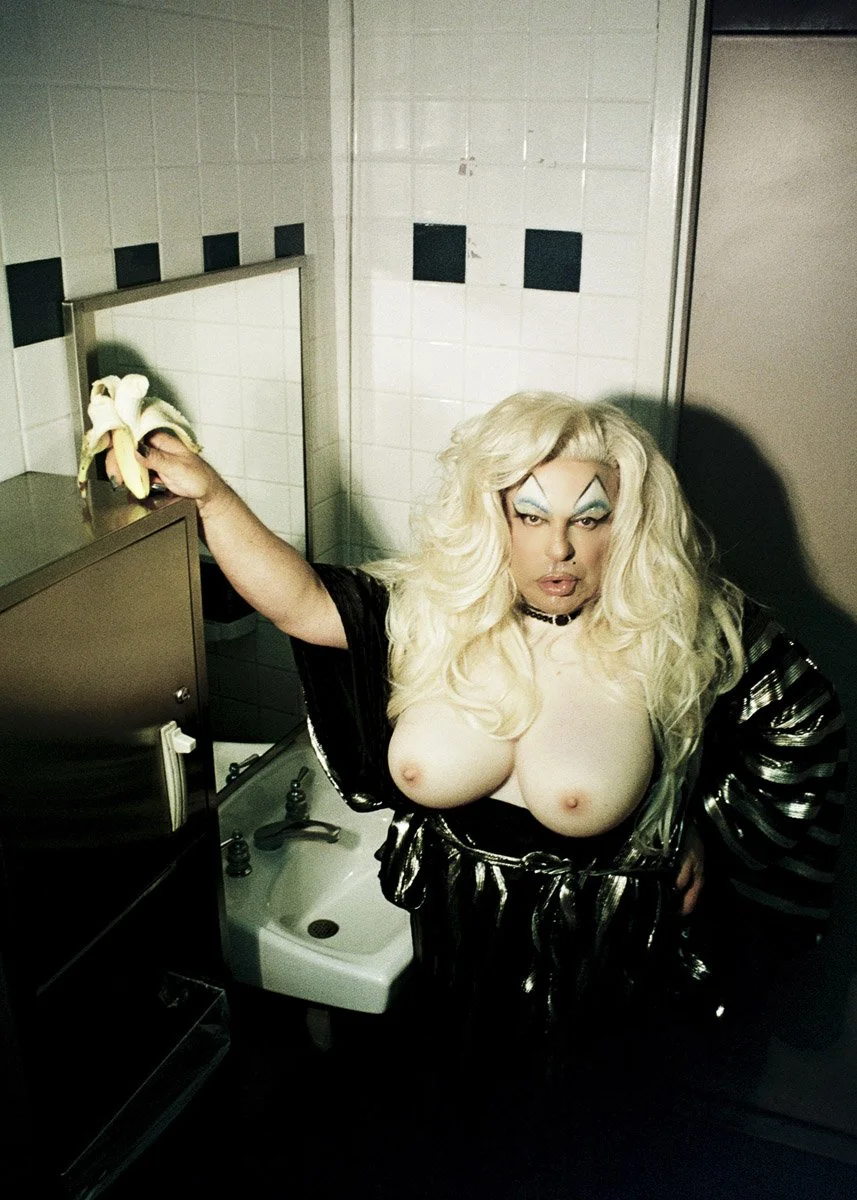
“She knows how to kick it with everyone, share stories and make people laugh, while asking genuine questions and learning about the person she’s speaking to,” Will says. “I saw her talk to literally every person on set.”
Cosmo describes the connection between them through a favorite maxim: “If you spot it, you got it.” She believes Will recognised something of himself in her—the queer child, the New Yorker, the artist who found a medium and used it to become visible.
“The photograph works because it captures more than provocation. It catches Cosmo in the act of converting an industrial box into a stage. The freight elevator becomes a nightclub, a confessional and a throne room. This is what true performers do: they do not wait for the room to become interesting.”
“My expression started with hair and makeup, and now it’s fashion,” she says. “His expression is photography. I think he sees me, and I see him, because we come from the same cloth.”
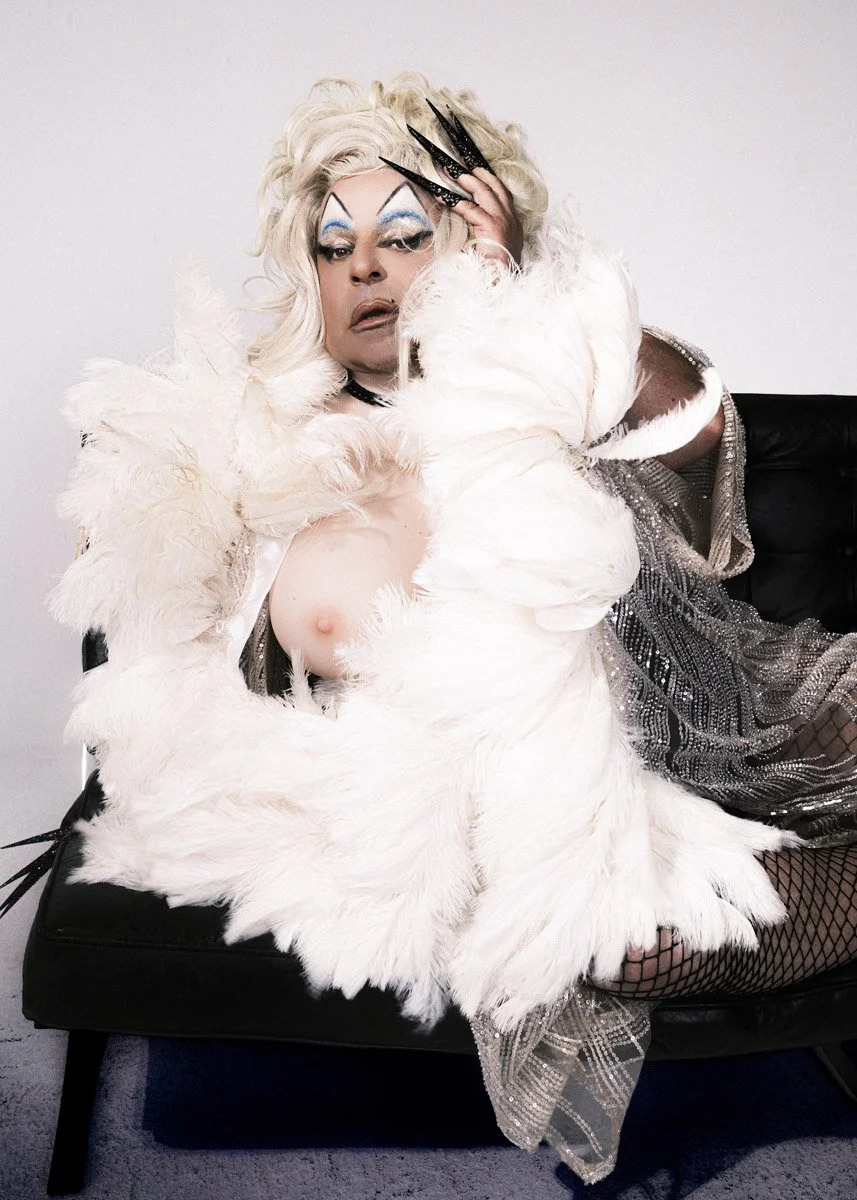
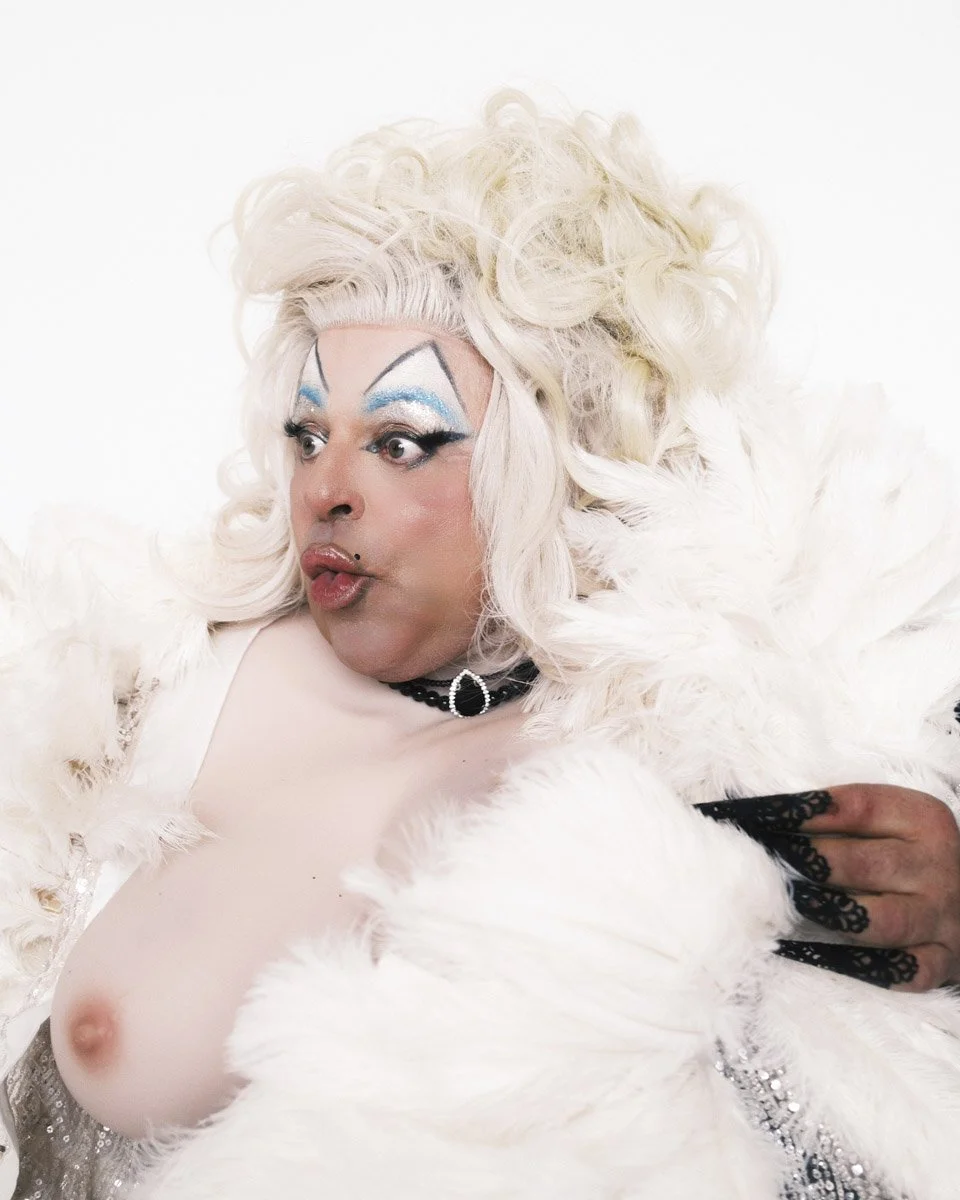
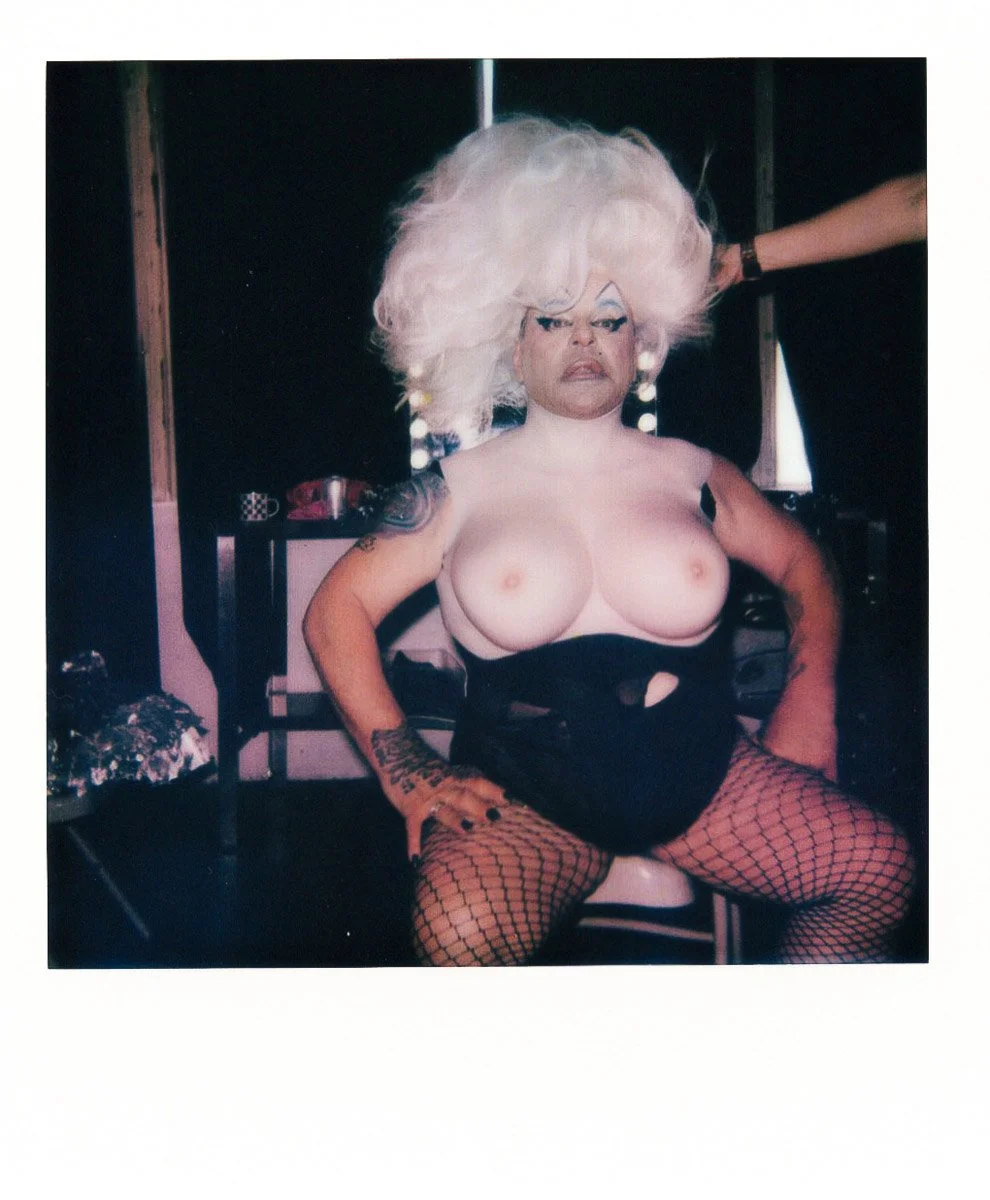
Naturally, the universe contributed a touch of production drama. A misunderstanding with the original makeup artist led Will to call @cultofkelby at 11PM the night before the shoot. Then came the forgotten prosthetic breasts, which had to be sent across Los Angeles by courier. Fashion may aspire to fantasy, but somewhere behind the fantasy, someone is tracking a pair of fake tits in an app.
The day’s most memorable image, however, escaped the shot list entirely.
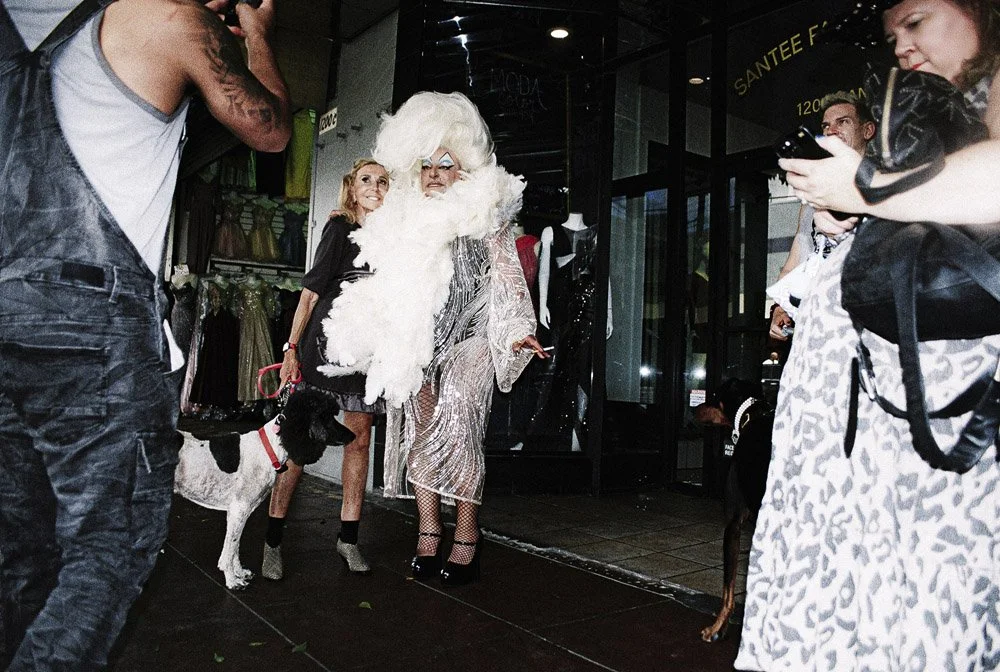
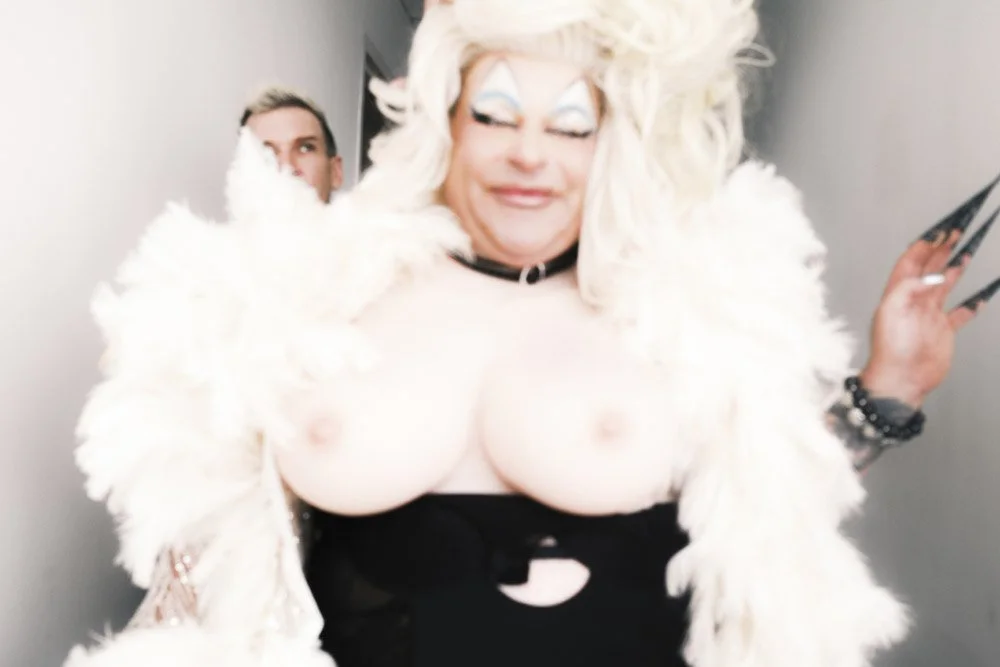
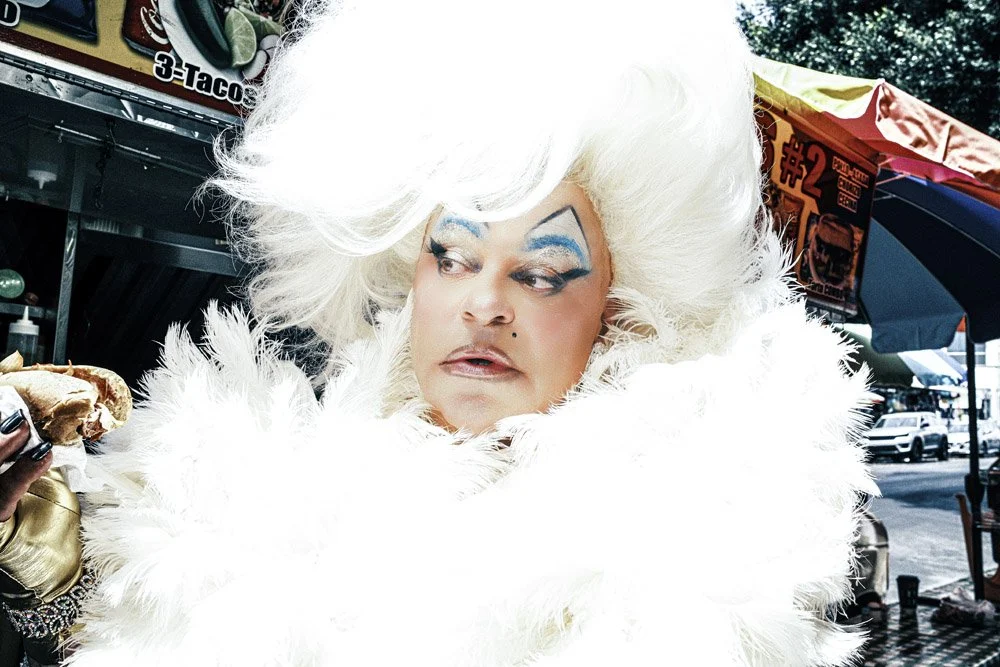
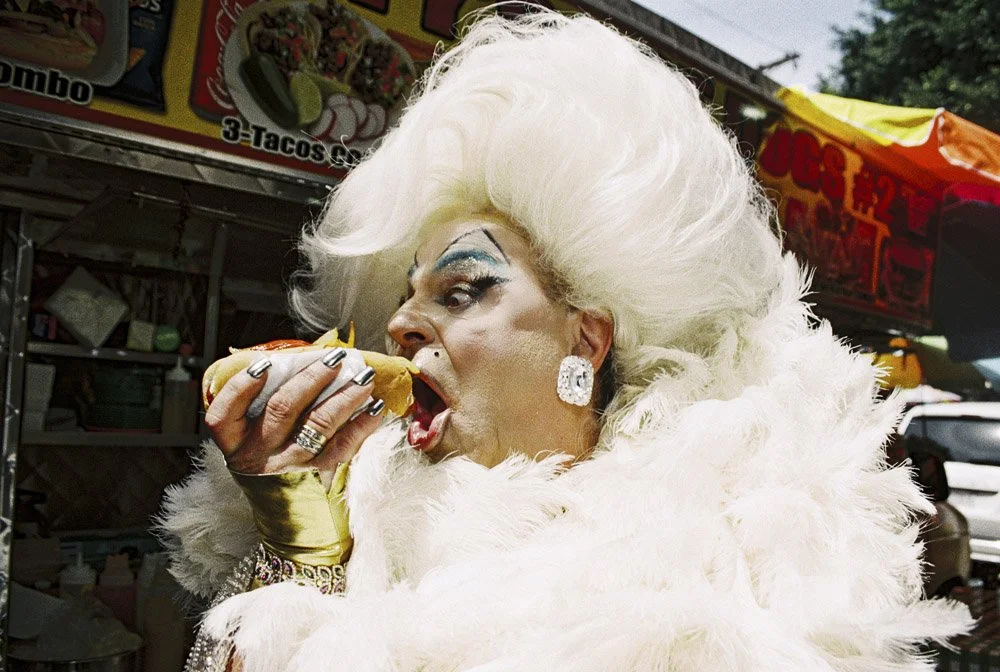
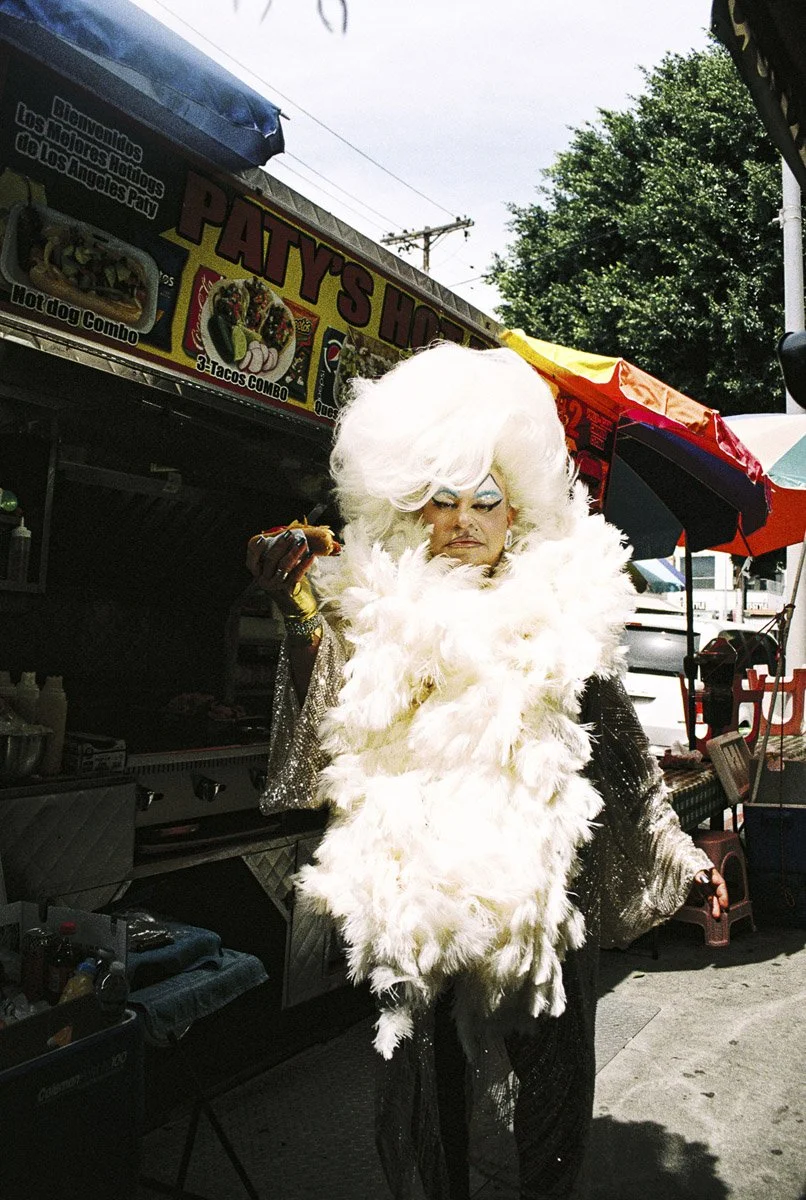
After photographing Cosmo in Santee Alley—with a food truck, a hot dog and the full force of her public persona—the team crowded into the freight elevator on the way back to the studio. Cosmo sat in the operator’s chair and began touching herself. Will’s assistant Andrew switched on the key light. Will raised his camera. Even the elevator operator understood that something had happened.
“Everyone was eating it up,” Will says. “It was completely unplanned.”
The photograph works because it captures more than provocation. It catches Cosmo in the act of converting an industrial box into a stage. The freight elevator becomes a nightclub, a confessional and a throne room. This is what true performers do: they do not wait for the room to become interesting.
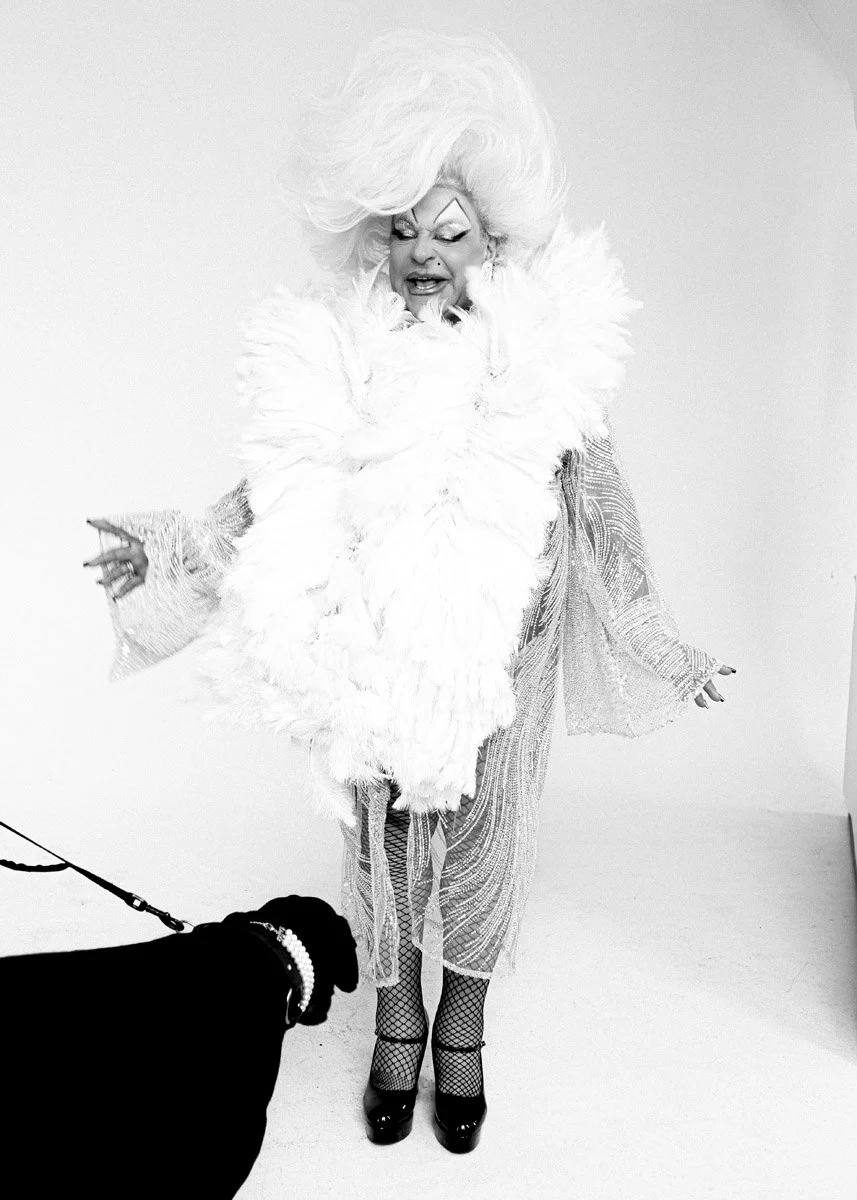
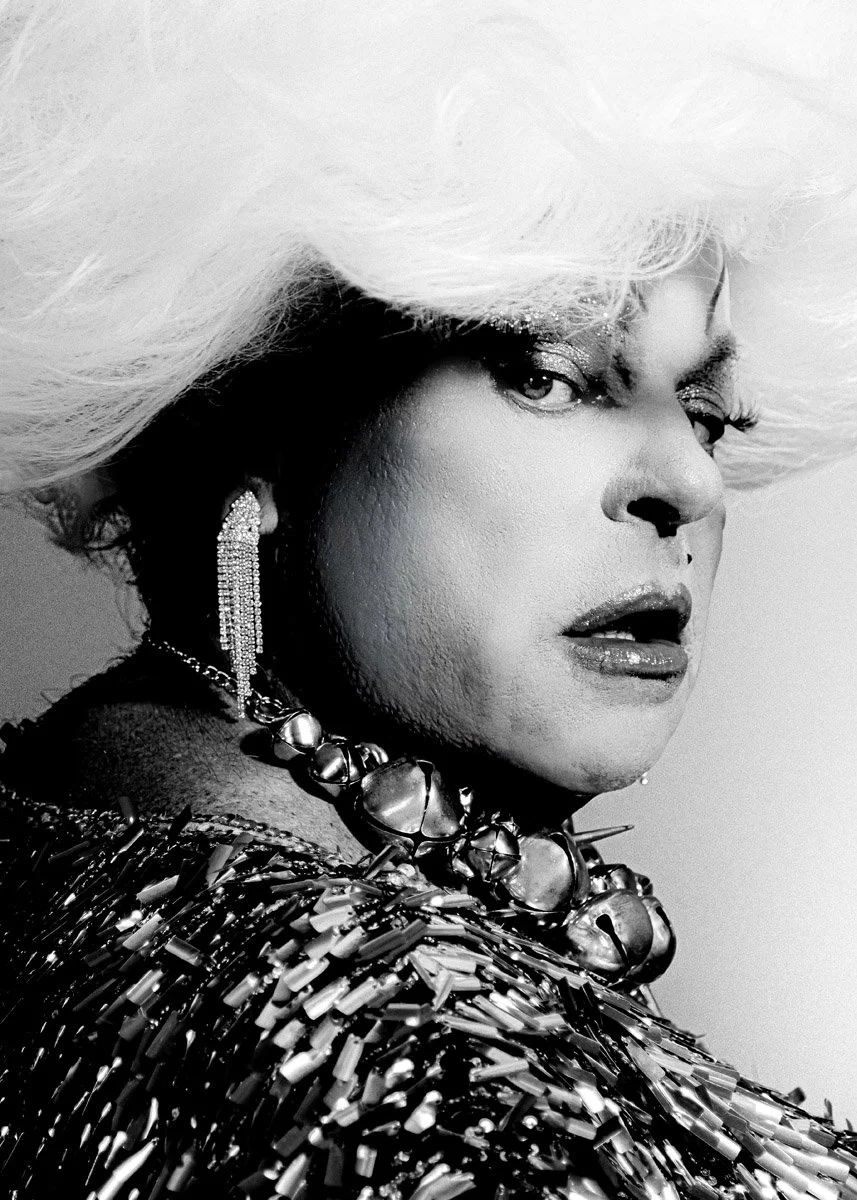
The lighting was intentionally restrained: one key light, an occasional reflector and available daylight. “The styling, hair and makeup, and poses were already so excessive,” Will says. “I didn’t think we needed any sort of bonkers lighting setup.”*
Cosmo has spent decades giving permission to other people. Through hair, makeup and clothing, she helps clients meet a more fearless version of themselves. Her term for it is “spiritual surgery.”
“I’m embracing what’s inside them,” she says. “I can see how far I can push the envelope with fashion while still making them feel comfortable. At the same time, it’s like a new person is born.”
When asked to describe the experience in three words, Cosmo offers a phrase no editorial committee could improve: “Magnanimous. Artistic. Cunt-ing.”
It is criticism, benediction and manifesto in one.
Will arrived on Melrose looking for clothes. He left with a body of images about queer inheritance, creative resurrection and the radical pleasure of too much. Cosmo, meanwhile, remains exactly where an icon belongs: not preserved behind glass, but alive, unruly and still becoming. She is already imagining one more stop: Palm Springs, “for the older queens.” Naturally, retirement was never going to be the final look.
“More,” she says, “will be revealed.”
Long live the Queen.