Dear Chris Kraus
Words: Lia Quezada
Make it stand out
Two years ago I interviewed Chris Kraus for this magazine; it was the first time we met in person. Since then, she became the first author I published and, along with Semiotext(e), the press she co-runs, one of the main reasons I started my own. She lent me her house in Los Angeles for a week while she was away teaching. I spent it alone, surrounded by her books, writing her a letter about what happens when someone whose work shaped yours becomes someone whose house you’re living in.
Dear Chris,
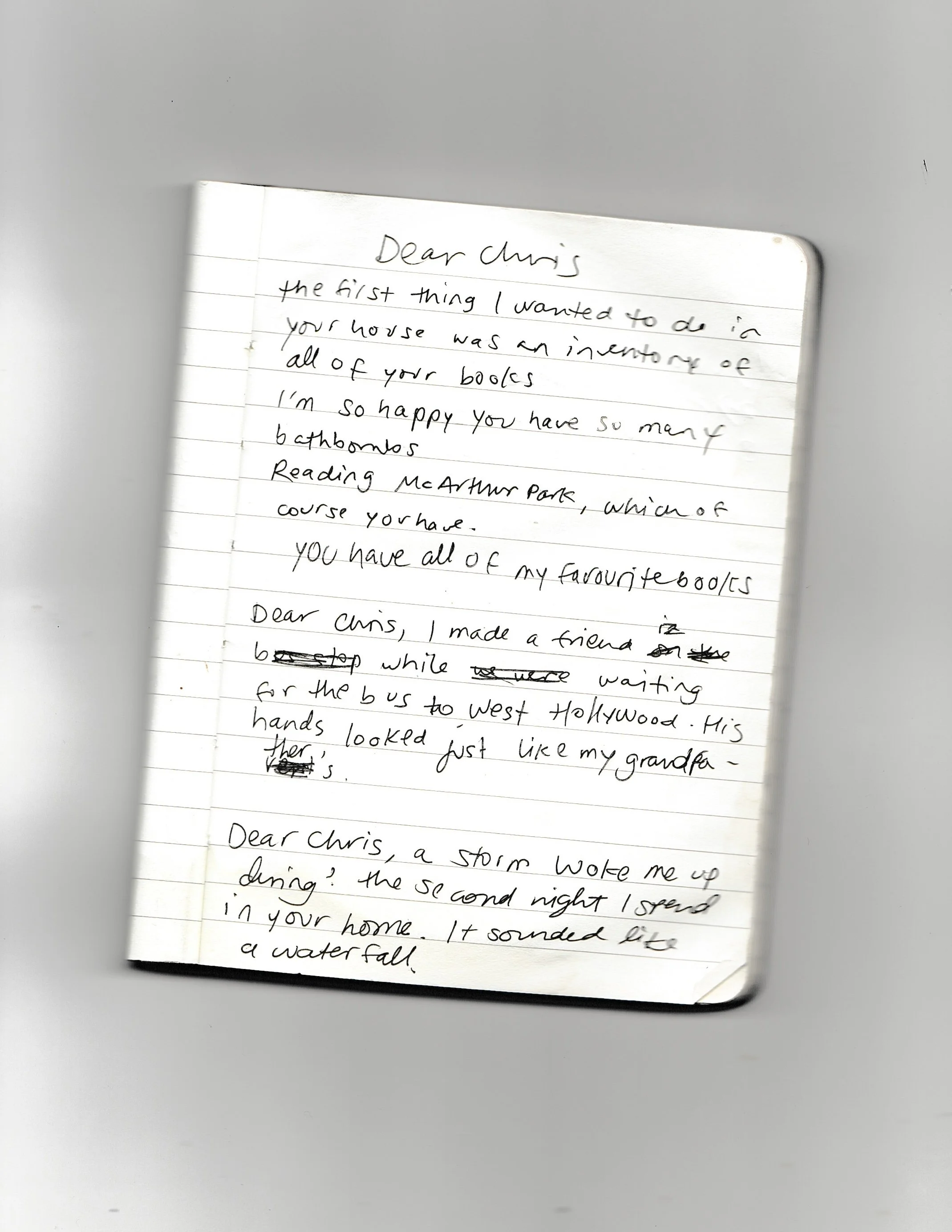
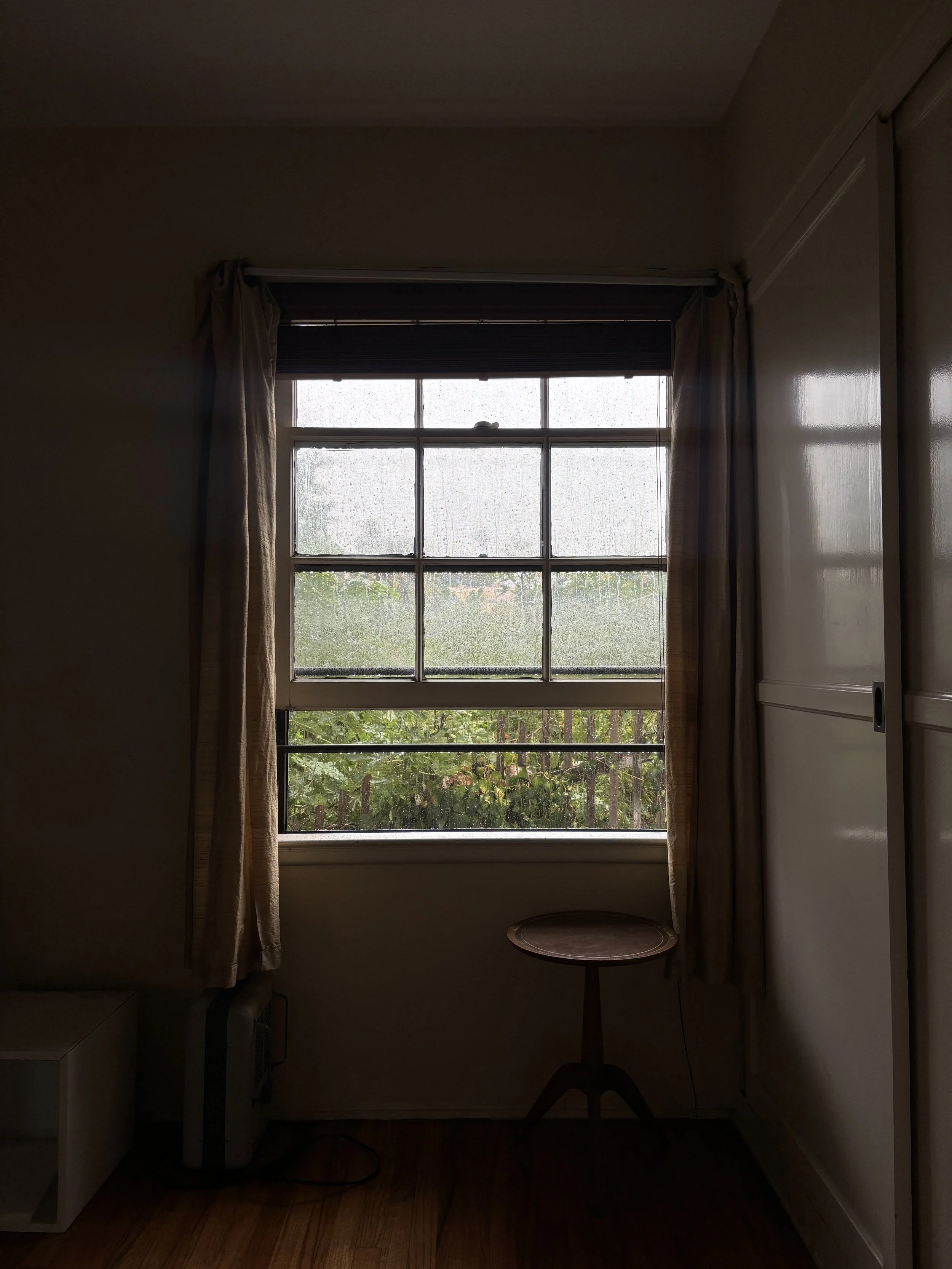
A light storm woke me on the second night I spent in your home. Running down the hill, the rain sounded like a slow waterfall. I’d been dreaming that I had a baby with my first boyfriend, and the baby turned out to be my almost-two-years-old godson, who I’m obsessed with. ___STEADY_PAYWALL___
Half asleep, I thought the house was flooding, and I got up to close the windows. It looked like the part in Contact where Jodie Foster is at a research station in a rainforest. I saw the film in school, about ten years ago, and remember thinking my adult life would look like that: a solitary, career-driven woman traveling the world to do some kind of research.
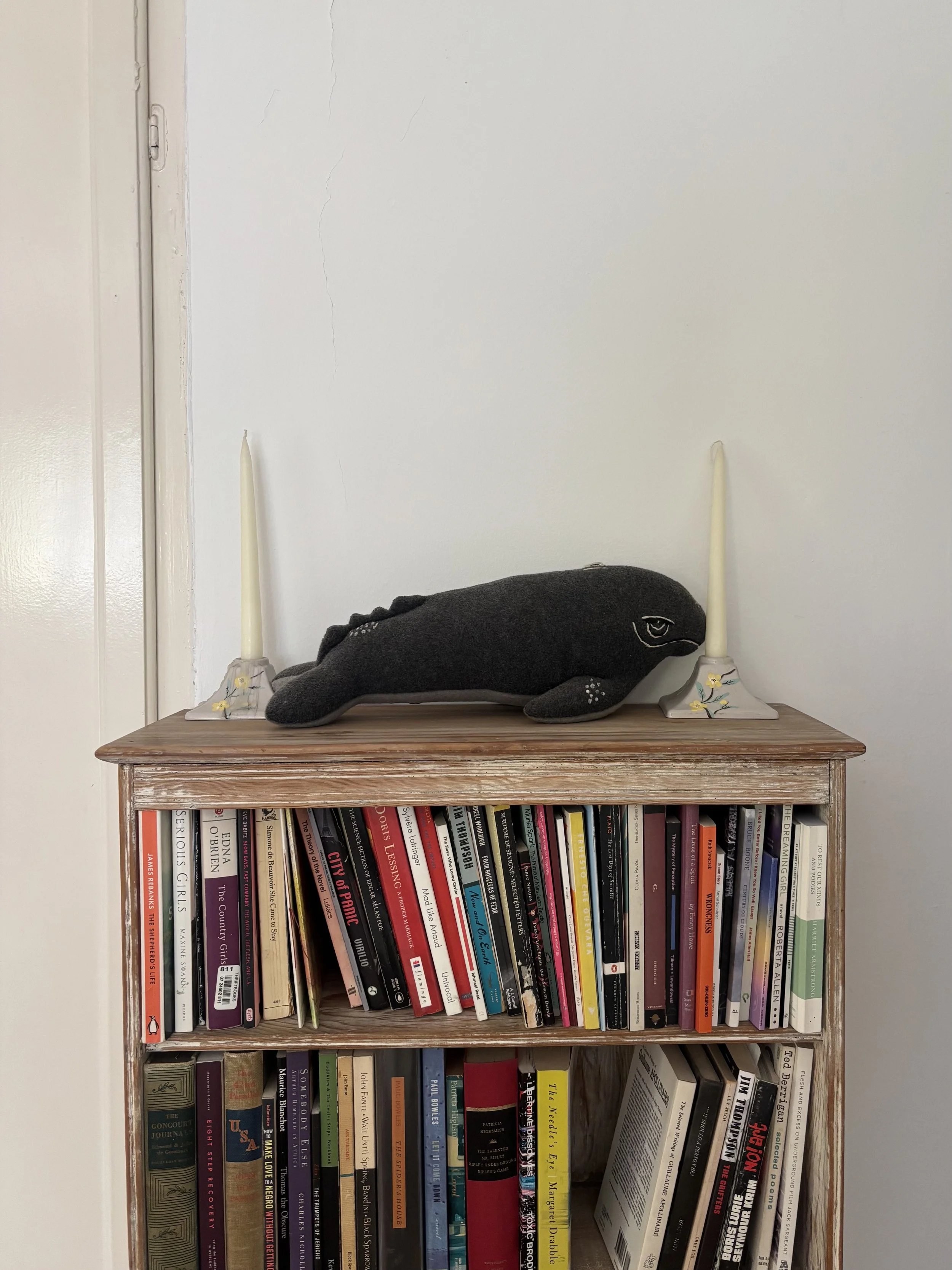
I guess it partly came true. I’m alone in your house for a week, in a city that isn’t mine. I’m just not sure I’d call my stay work—though I felt guilty the afternoon I passed out on your couch from the heat.
You offered me the house because I’d told you I wanted to come to Los Angeles a year and a half ago, when you were in Mexico City for the launch of Romance artístico, the first book I translated and the first book I published. We’d wanted to do a house-swap (if it was The Holiday, who would be Cameron Díaz and who would be Kate Winslet?). Health issues got in the way, but you remembered, and offered me the place while you’re teaching somewhere else.
Cheesiness aside, publishing Romance was a turning point in my life. Deeply inspired by Semiotext(e) and encouraged by your kindness, I decided to make a career out of translating, editing, and publishing.
Now I’m in your house, spending my mornings at your kitchen table, answering emails, applying for grants, talking to printers. I told myself this would be a vacation, that I’d actually take the chance to rest. But I guess working on things I love is what gets me high.
I’m not very good at resting. Maybe because I’m an eldest daughter, maybe because I grew up with a coke-addict father figure. I’m constantly googling “the seven types of rest,” trying to identify what it is that I’m missing, hoping I can somehow get my tiredness out of the way.
I was so happy to find a box of colorful bath bombs in your bathroom. They’re from the same store where I buy the face masks I put on when I need to wind down at home. I think about how tired you must get, and what small indulgences you allow yourself.
Semiotext(e) is over fifty years old, and you’ve been writing and publishing for almost thirty. When I started Diamantina, I told myself that five years was the minimum I had to commit to it. When the monthly sales report is low, which it often is, or when an event is about to begin and I’m hoping a few more people will come, five years sounds way too long. I don’t really mind the hours at the computer, or carrying boxes of books up to my fourth-floor apartment. What wears me down is having to keep believing in something without knowing whether, one day, I’ll think it was worth it.
I think that, when you’re on the other side of, say, cultural production, it’s easy to mistake endurance for ease. I used to think that the many years an independent press kept going were a sign of success, and of a healthy book world. Now I look at the hard work behind it and go, phew.
This summer, for the first time, the press has been doing well. I’d waited a long time for it, wondering if it would ever happen. Now that it is, I’m nervous about whether, and for how long, I’ll be able to keep it up.
I took a book by Gary Indiana from your shelves to read while I’m here. It was sitting next to a booklet that, when I opened it, turned out to have been printed for his funeral. The day I arrived, I’d approved the cover and sent a book of his Village Voice columns to print. It’s a selection from the compendium originally published by Semiotext(e).
I’ve been thinking about inviting you to Mexico City for the launch, which will be on the second anniversary of Gary’s death, and maybe asking you to write and read something about him. You were close; we included a poem he emailed you in the epilogue. But there’s an interview in the funeral booklet, and when I get to the final question, he talks about young people feeding off the memories of people he has lost. Is it too soon? Am I one of them?
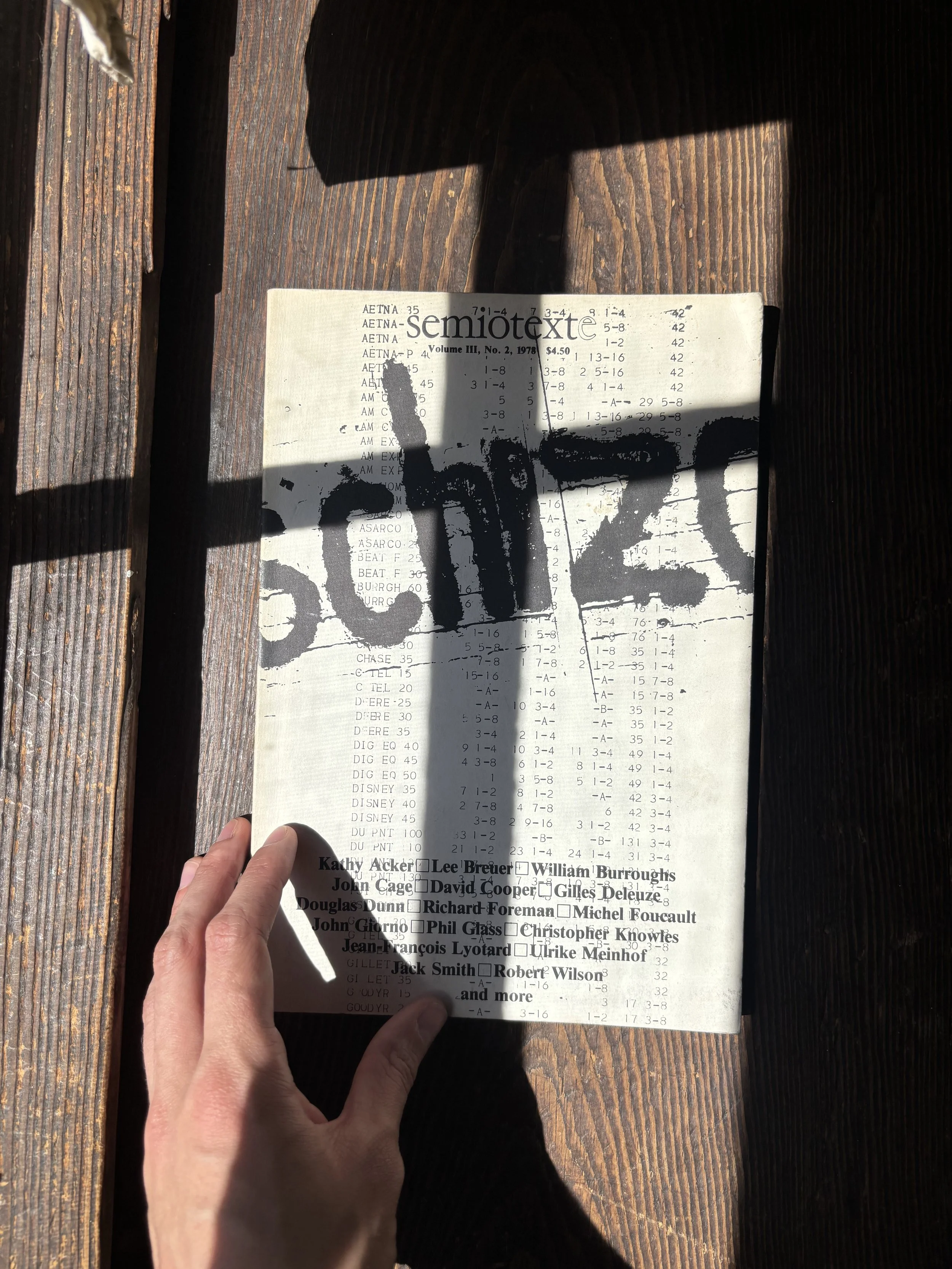
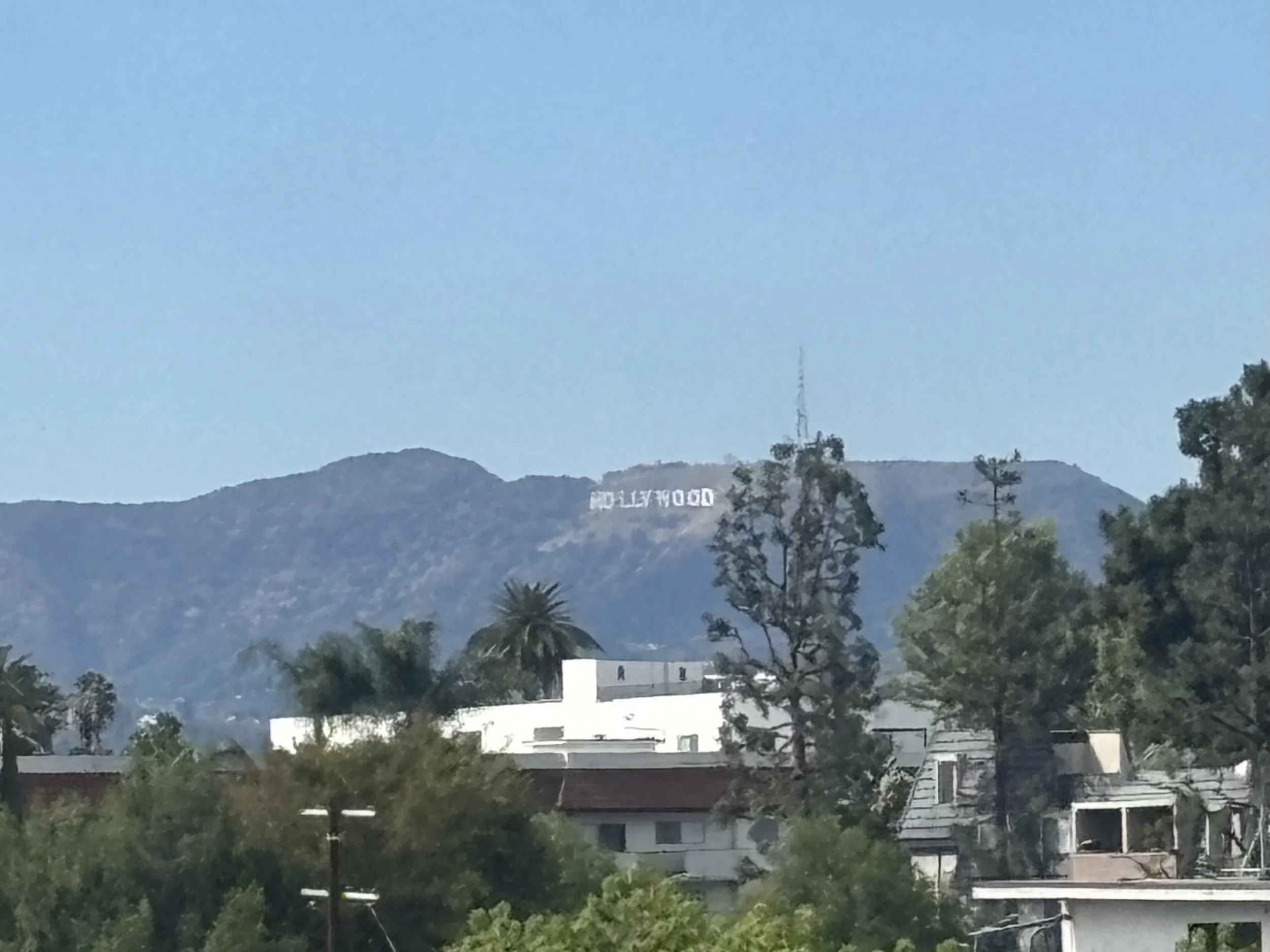
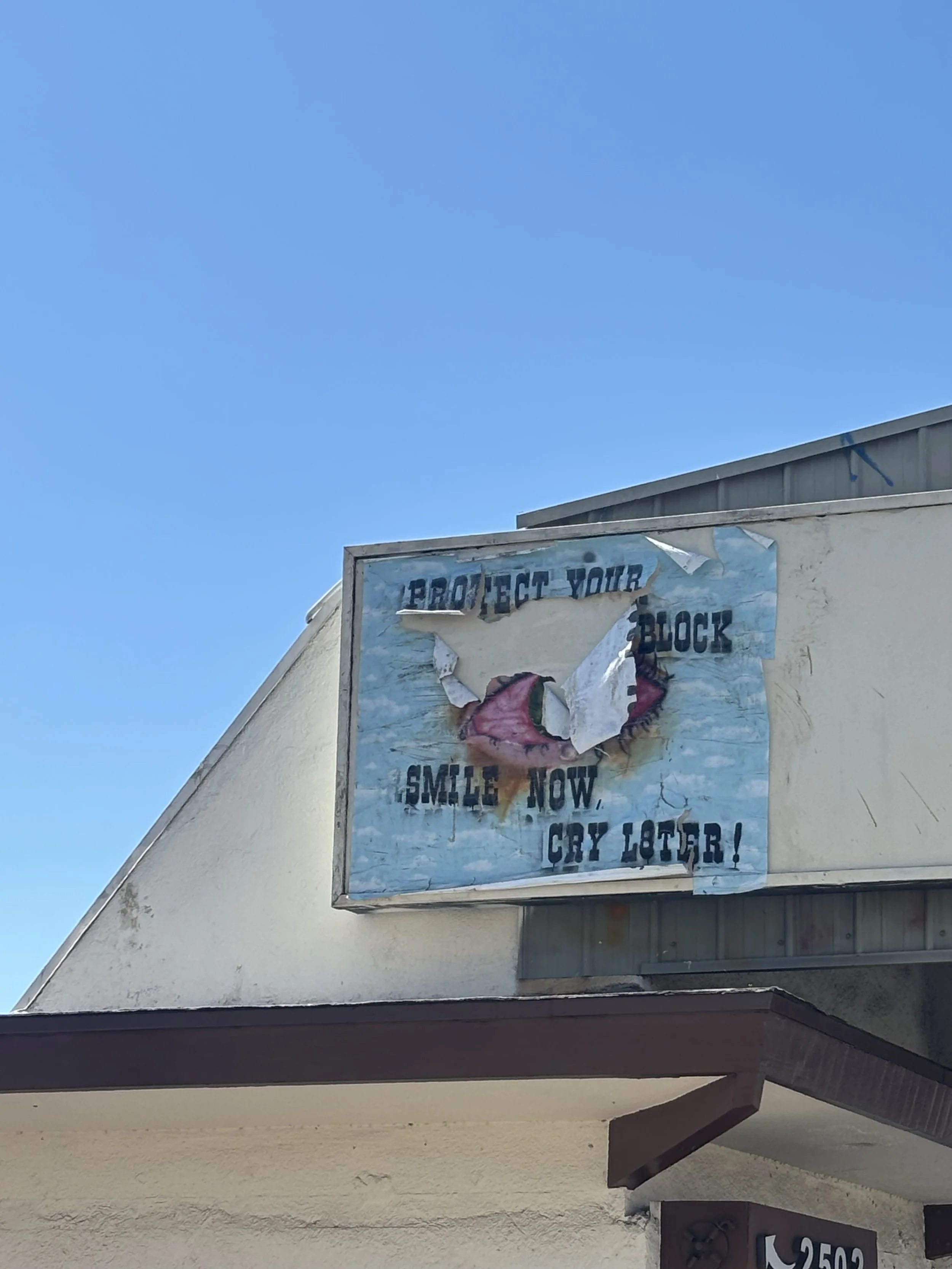
The book I picked up moves between his gay childhood in rural New Hampshire, Haight-Ashbury after the summer of love, the sweltering seventies in Los Angeles, and present-day Havana, where he picks up young pingueros at the Bom Bom. It’s harsh, raw: he recounts two violent rapes and drops hints at the lung cancer that ended up taking him. It ends with him driving drunk off a hill and, climbing out without a scratch, deciding to move to New York, where he would later write his Village Voice columns.
I saw some pictures by Reynaldo Rivera, another friend of yours, at the Getty. You have one framed in your kitchen. I was deeply moved by one of Bianco, his lifelong partner, sleeping face down on a mattress. I bought Reynaldo’s most recent book, published by Semiotext(e), even though you’d already sent me the file when I told you I was interviewing him.
I opened it to what felt like his signature images: backstages with showgirls, parties in Echo Park, him or someone else having sex. I wonder whether we should be seeing these scenes at all—whether he shouldn’t have kept sleepy Bianco for himself.
On the windy patio of the museum, I keep going back to that discomfort, and then to what I’m doing here. I’ve taken your friends’ books down from the shelves, read the funeral booklet tucked between them, and I’m writing what I find in your house to send to a magazine. I go to lengths to keep a “healthy” work-life balance: phone on do-not-disturb at 6 p.m., off the computer on weekends. But the people whose work I love made it out of exactly the daily life I try to fence off: their relationships, their travels, their sex lifes, their homes, their friendships.
As the week goes on, I wonder whether distance is part of what turns a life into material. Most of Reynaldo’s famous photographs are decades old. Gary wrote about people after they’d become memories—in the book, he says, “I’m old enough to justify writing about my history, but too old to remember much of it”. You’ve written about relationships you could later hold at a distance.
Dear Chris, does it get easier with time? Does the separation of life and work matter less? Am I already living through what I’ll write about in twenty or thirty years? If so, I really should be having more sex.
Yours,
Lia