
Gen Z has an Age Shaming Problem
Words: Bryce Jones
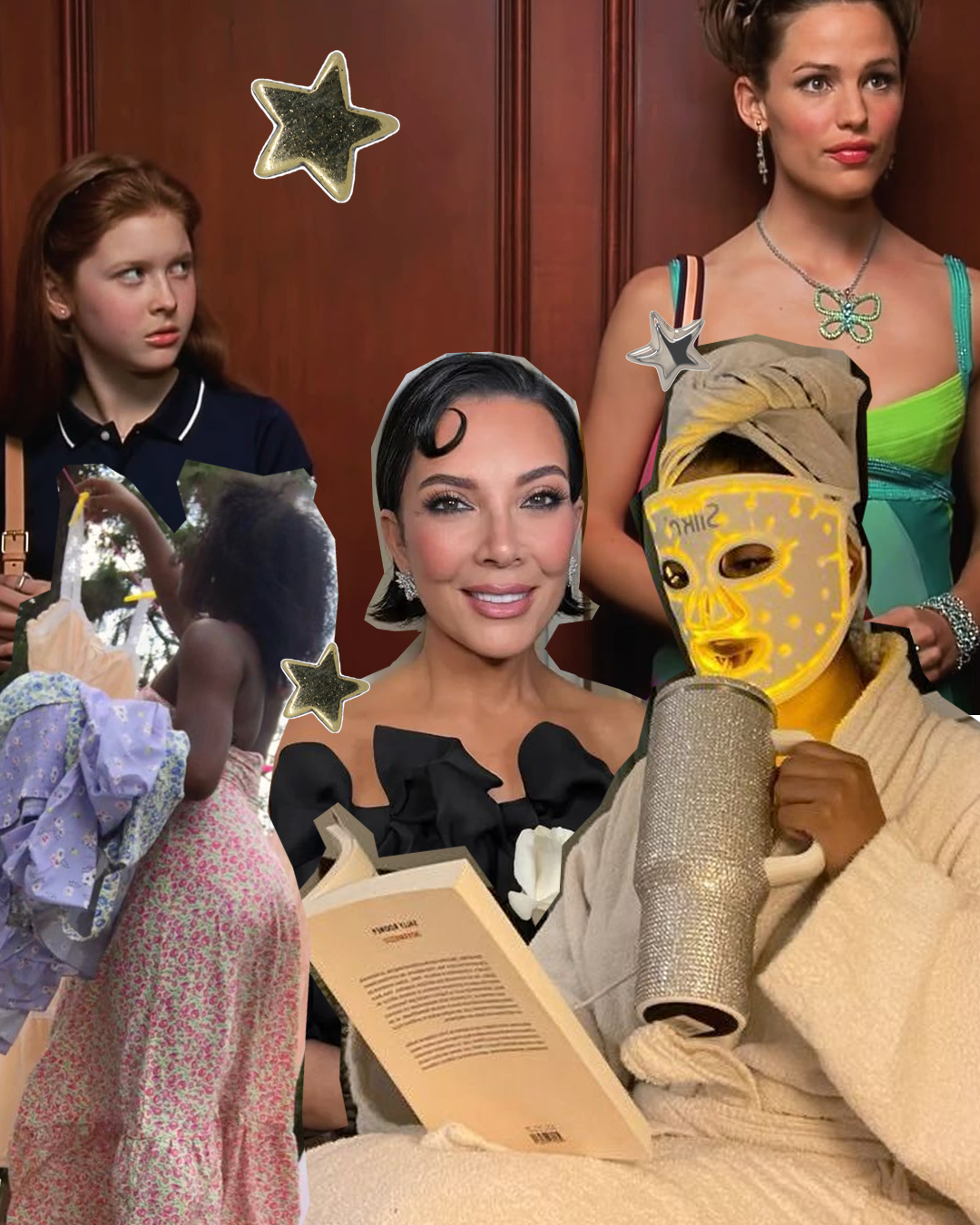
As a girl, you become aware of the concept of age and how it relates to your worth around the time you learn to write your name. Old women in books are presented as evil hags who eat children; you hear your mom talk about how your poor cousin is still single at 22. At the same time, you’re asked things like “Don’t you want to be a big girl?” and told you are too grown-up to play mermaids at the pool. You go through your 13 Going on 30 phase. Then you blink, and it dawns on you that your capital diminishes if you’re not revered as playful and poreless (which happens the second you turn 26, according to Leonardo DiCaprio). The hourglass has been flipped.
In 2024, The Substance sharply called awareness to society’s obsession and fetishisation of feminine youth, using body horror to convey how women go to war with themselves to grasp onto it, knuckles white. The film’s mainstream critical acclaim indicated audiences were inspired to reject these enforced core beliefs. Outside of entertainment, our lifestyles are growing less rigid (at least on paper) as generations pass. The age for reaching key milestones is steadily rising: In 1980, 71% of American women were married by 25; in 2021 it was 26%. While some communities have been heavily influenced by tradwifery, the expected timeframe for “settling down” is not as enforced as it was a few decades ago. Despite these signs of progression, the fear of aging is as prevalent as ever—and therein so is ageism.
According to a study, Millennial and Gen Z groups reported experiencing “higher internalized and relational aging anxiety levels than older cohorts.” This is evident in TikToks expressing the desire to look like a teenager and early 20-somethings in a self-declared “crisis,” crying out that they’re running out of time to travel “AND be mentally stable.”
As a pillar of the patriarchy, ageism and the narratives it produces have always forced women to “run on a man’s time,” as creator Sapphire Love points out. With the online expansion of conservative radicalism and alt-right pipelines, Gen Z’s ambivalent sexism reflects their grandparents’ views—the manosphere is growing, meaning more people are angrily shouting about Charli xcx clubbing at 33.
___STEADY_PAYWALL___
“We may have been chronically online before, but 2020 also ushered in an era of never logging off, algorithms selling us constant access to prettier, cooler, richer individuals who found fame and success all before getting kicked off their parents’ health insurance.”
“I have been 27 for not even three months, and the amount of ageism I’ve experienced is crazy,” says creator Remi Aminat. “The shift has just been very interesting to me, and I’m very curious to see how it’s going to ramp up, because that’s probably what’s gonna happen, by the time I’m 28, 29.” There are over 3,300 comments on her video of people expressing solidarity.
Fear and shame around getting older isn’t new; but it is amplified. To understand it through a modern lens, one has to look back (kicking and screaming) to the pandemic: When lockdown started, Gen Z was approximately between eight and twenty-three, going through their most formative years. I was 21 and about to graduate college. That time period is confusing enough as is, and it usually involves trying to figure out who you are, who you want to surround yourself with, what you want with life, etc. Instead, everyone my age spent their days and nights scrolling, bingeing outrageous documentary series, and downing bottles of wine alone—whatever to get by. Living in that kind of liminal space can make it feel like you lost out on valuable, developmental years and creates a yearning for time to stop. With COVID-19 primarily impacting the elderly, health anxiety also understandably contributes.
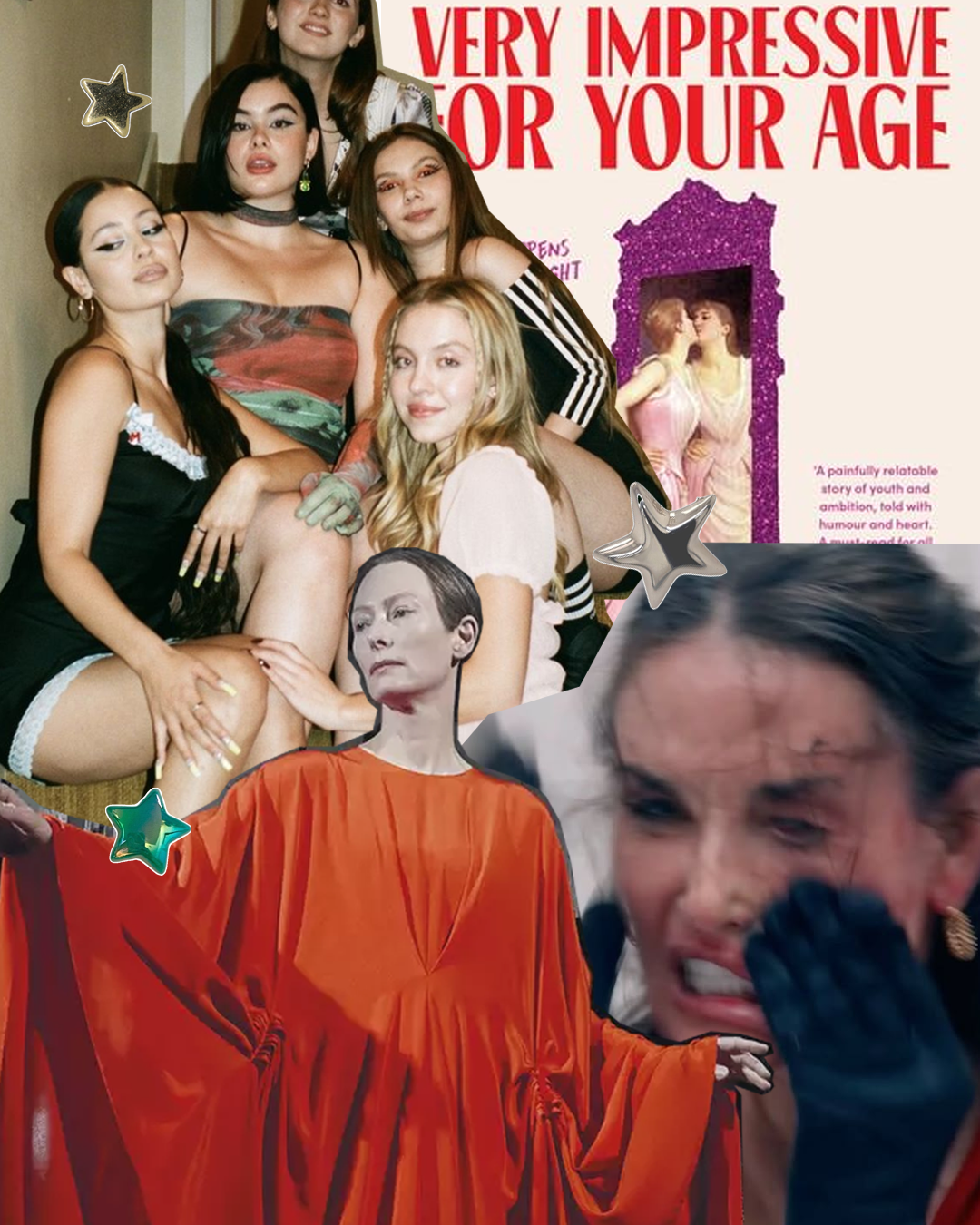
We may have been chronically online before, but 2020 also ushered in an era of never logging off, algorithms selling us constant access to prettier, cooler, richer individuals who found fame and success all before getting kicked off their parents’ health insurance. Comparison is inevitable. Then the Bold Glamour filter and baby botox came along, and already-impossible beauty standards (intrinsically linked to ageism) became only achievable with needles and an eventual face list a la Kris Jenner. AI influencers, who are forever whimsical and wrinkle-free, further turn womanhood into a hyperreality and distort femininity. The digital age isn’t telling women to embrace their own timelines—and that’s reflected in the way we interact with each other.
Women ranging from 19 to 40-something have highlighted the myriad ways they’ve been disparaged about their age online for doing anything other than staying at home and knitting in a nonrevealing greige sweater: from partying to participating in fandoms. “There [will] be comments under women’s posts of them doing something fun and men be like ‘pushing 30 btw,’ one TikTok user wrote.
Be so bold to post an outfit check in a miniskirt and you’re at risk of being met with replies like “At your big age?” which is patronising at best and misogynistic at worst. I had to stare at a wall for a few minutes after coming across a tweet in which the author, a 28-year-old woman, was told by “23-year-old girlies” upon learning her age that she “looks sooooo good!” When the internet found out that Alexa Demie might be in her early 30s and playing a highschooler on Euphoria, both men and women unfortunately had a lot to say.
This language may come off as unserious, but it really is that deep—internalizing these comments re-affirms that maturing is undesirable. “We as women need to be very careful about the way we talk about age amongst each other,” says creator Chloe Ferero in a video with over 160,000 likes. “When I hear women online talking about how they’re afraid to turn 25, I don’t have any patience for that conversation anymore.”
And this appears to be starting earlier. Nothing is more horrifying to kids now than being cringe; it keeps them from posting homemade music videos complete with original choreography or experimenting with styles that don’t adhere to a trending “core.” My 10-year-old cousin got moisturiser for Christmas. I asked for Nintendo DS games and Pillow Pets probably until I was 13. When talking about age shaming, it’s worth noting this absence of fun in childhood—if you never really acted your age, are you more likely to look down on people who do?
With all of this at play, approaching 25 (or 24, 23, etc.) can easily feel like an expiration date is looming over your career opportunities, romantic prospects, beauty, fun. It keeps women obsessed with youth, which will always be fleeting. With every birthday, limitations are imposed and self-hatred is exponentially encouraged.
The best part about your youthful naivete fading away is realizing that it isn’t something to dread. You can finally tell when you’re being fucked with! And that’s just one bonus. I clung to my teenage years, but now that I’m inching closer to 30, I only crave more wisdom and stability. But will this happen for Gen Z? The first step toward making sure it does: Never again type or utter the words “I know a retired baddie when I see one.”