
Is the Stylist Now Fashion’s Most Influential Figure?
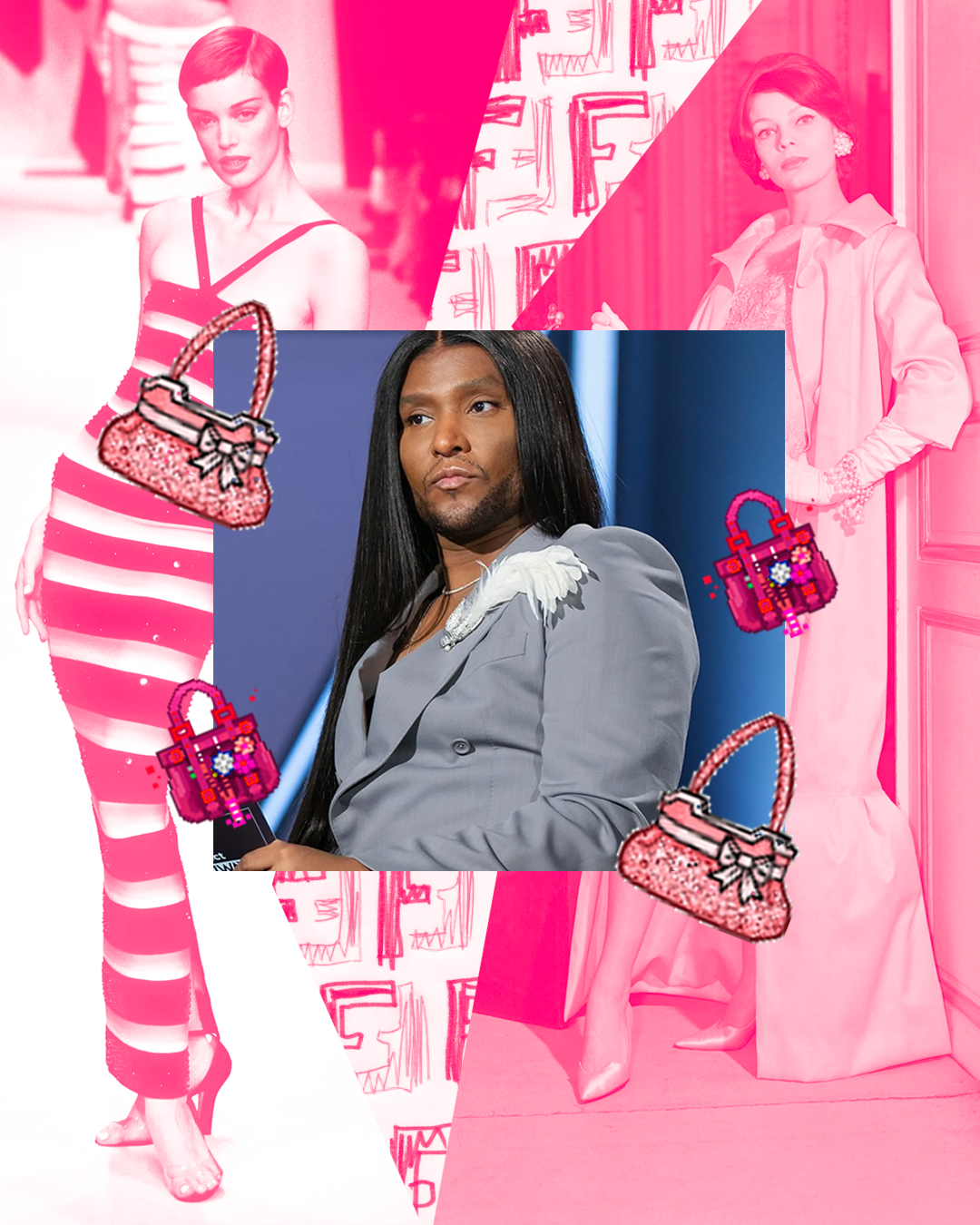
For decades, designers were the undisputed stars of the fashion world, the ultimate arbiters of what was It. Hervé Léger made the bandage dress an icon; John Galliano the Dior Saddle Bag; Karl Lagerfeld the ‘‘FF’’ logo; and so on. But does this hierarchy hold up today?
If in the ‘80s and early ‘90s clothes spoke for themselves and celebrities were mainly dressed by in-house costume designers, the late ‘90s saw a shift. Enter: the stylist, who put together outfits for a living. Maybe their impact came due to the peak of the decade minimalism – sleek runways needed an extra edge for greater appeal – or simply because of the way the world turned, demanding more.
In any case, quickly stylists solidified their status as essential figures for any label seeking to survive in the ever-evolving fashion industry, prompting The New York Times to declare the nineties as the ‘‘the age of the stylist in fashion.’’ What they didn’t see coming was the 2020s, a long time after the worlds of celebrity and fashion had blurred their final lines.
Whether assembling looks for hot shots at fashion magazines, pairing the right skirt with the right shoe for runway shows, selecting outfits for brand campaigns, or assisting the star of the moment at a red carpet event, stylists have mastered further the art of storytelling and visual curation.
Their roles haven’t changed much; rather, the landscape – and people’s understanding of it – did. Now, everyone in the spotlight works closely with a stylist. The obvious example is Zendaya and her fairy godfather Law Roach, whose red carpet and street-style looks have etched themselves permanently in our minds. Or stylist Lotta Volkova, whose edgy vision made the Miu Miu runways into more than just a fashion show, as they became witty catalysts for several trends. Not to mention style titan Gabriela Karefa-Johnson, whose creative touch brings fun to every editorial project she works on.
___STEADY_PAYWALL___
“We don’t consume clothes in isolation anymore - we consume images, narratives, and identities”
Now as they are everywhere, stylists rise as the new sartorial authorities. Yet their power comes with some questions. Why? Is this a temporary or permanent reorganisation of fashion's hierarchy? And, most importantly, what will this mean for the future of it?
‘‘We don’t consume clothes in isolation anymore - we consume images, narratives, and identities,’’ argues Tianyun Lan, a stylist whose work spans i-D and ELLE. As the world grows more image-driven by the second, it's no surprise that professionals who can put together a look and tell a captivating story are in high demand. Not only that, but in a sea of everything-is-content, standing out has become a battle on its own. And stylists know that all too well.
‘‘The way someone is styled can completely shift how they're perceived,’’ declaresMarika Page, who currently works with artists seeking fashion styling and creative direction. Indeed, one look can change everything: it can redefine a luxury house’s cultural relevance, propel a young label into global visibility; or resurrect an archive piece long-forgotten (looking at you, Law Roach). But it takes more than just a look. As NYC-based stylist Fatmah Sherief explains, standout professionals say something and they understand how to. ‘‘It takes a certain eye to understand how pieces come together, how proportions, colour, and mood interact.’’
Fashion critic Anastasia Vartanian, aka @fatannawintour, instantly recalls the duo of Mel Ottenberg and Rihanna, who understood this complex process perfectly. Instances like the 2015 Met Gala ‘‘China: Through the Looking Glass’’ Guo Pei canary dress; the ethereal approach to the Pope-Margiela moment at the 2018 ball themed ‘‘Heavenly Bodies: Fashion and the Catholic Imagination;’’ and Adam Selman mesh Swarovski crystal dress at the 2014 CFDA Awards all stir something. ‘‘They really showed how celebs can use fashion to become icons,’’ Vartarian says.
Aside from their ability to turn clothing into true myths, stylists have another talent that seems especially relevant now, however. ‘‘Seeing high fashion on a celebrity humanises the clothes,’’ Vartanian adds. ‘‘You can see how they would actually be worn out, rather than a runway where model after model has a similar body type.’’ Although still situated in an industry that privileges a specific ideal, these professionals work with clients of all figures, ultimately filling a gap in the conversation about diversity – something that is increasingly absent from designers’ work.
With new needs and a completely different environment, it was only a matter of time before the power of designers became diluted. Sherief believes the hierarchy definitely changed when “people started recognising styling as its own talent’’ and the current landscape, but it doesn’t take anything away from designers. The power of creation, after all, remains in their hands.
‘‘Designers create the foundation, but styling is what brings it into a wider cultural space,’’ echoes Page. Indeed, stylists are deeply in tune with the moment. Think Andrew Mukamal and Margot Robbie’s Barbiecoreall-pink craze that resonated deeply with Gen Z and millennial nostalgia; Danielle Goldberg and Zoë Kravitz’s laid-back sensibility that spoke to an audience growingly drawn to relatability; or Genesis Webb and Chappell Roan’s disruption of monotony with an edgy, campy visual.
‘‘If designers are constructing the object, stylists are shaping how that is received in the real world, meaning how consumers connect to it,’’ Lan explains. But, the real magic happens when there’s collaboration. ‘‘A good stylist understands the designer’s intention and builds on it, and a good designer is aware of how their work will be perceived.’’
Looking ahead, Page believes this opens things up. ‘‘Everything’s more fluid now, and influence moves between different people and disciplines,’’ she says. ‘‘Brands are starting to understand the value of that [being relatable or aspirational], and are looking for collaborators who can help build those worlds.” While the hierarchy may keep shifting, the roles won’t – at least not for now. Perhaps the lesson is to cultivate the skills that stylists have mastered so gracefully, not to try to take their position, but to keep things intentional, authentic, and above all else, relevant.