Why ‘The Final Girl’ Is a Lesbian
Words: Morgan Carey / Good For Her Films
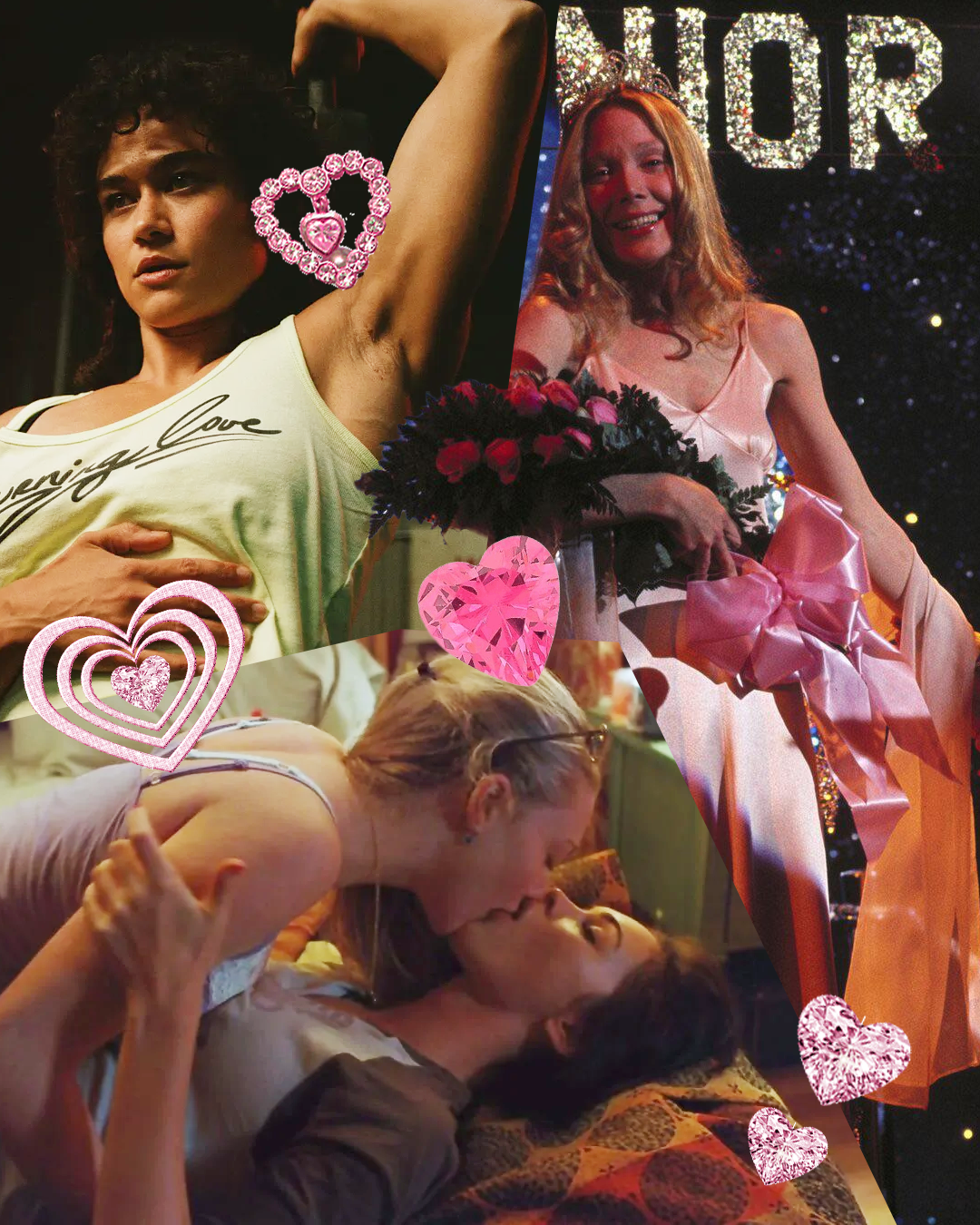
“God, you’re butch.” In 2009’s black comedy and cult classic, Jennifer’s Body, Megan Fox’s monstrous succubus awakens her and her best friend, Needy’s repressed queer desire. After taking their codependent friendship to WLW sleepover levels of lesbi-gay, things turn toxic.
In the final showdown, instead of the (phallic) knife of slashers past, Needy arms herself with a murder weapon she bought from Home Depot. Needy doesn’t just free Jennifer’s damned soul, she frees herself from the heteronormativity that kept her weak. Once she touches tongues with Jennifer, brandishes her box cutter, and gets bit by her demonic best friend, Needy becomes the sapphic she was always meant to be. This Final Girl is a lesbian.
Compared to the liberated and vicious Final Girls of the 21st century we know and love, and often see ourselves in, the OGs arguably lacked agency and centered the male gaze. Carol J. Clover, who coined the term “Final Girl” in her 1992 book Men, Women, and Chain Saws: Gender in Modern Horror Film, has explained that the character of the final female survivor is purposefully genderless and functions as a self-insert for the male viewer. In her view, the Final Girl is not actually representative of a real woman.
But the days of virtuous and virginal survivors are over. Since Clover and her Final Girl definition are about 40 years behind the modern horror landscape, please allow me a little revisionist history.
___STEADY_PAYWALL___
“The Final Girl is queer, because surviving the horror of abjection is queer.”
The Final Girl has always existed outside of the gender binary, but their assortment of wallpaper boyfriends, throwaway love interests whose names you forget by the time the credits roll, has kept their sexuality unquestioned. In the 1997 feminist horror analysis Recreational Terror: Women and the Pleasures of Horror Film Viewing, Isabel Cristina Pinedo explains that “As a woman who usurps the masculine prerogatives of aggression and the gaze, the surviving female shares an affinity with the lesbian.” That affinity isn’t by accident, it’s crucial.
Butchered boy toys like Needy’s painfully normal boyfriend Chip, and Colin, one of Jennifer’s dates turned lasagna with teeth, become casualties of compulsory heterosexuality. The Final Girl claws her way out of the closet, bleeding into abjection in the same way, arguably, as queerness. Defined by Julia Kristeva in the Powers of Horror: An Essay on Abjection, abjection is the visceral horror and disgust that comes from the total collapse of boundaries between self and other, or human and monster.
“The queer female protagonists of these films who revolt against the patriarchal symbolic order assume the supernatural mantle of the queer monstrous-feminine in her journey of self-discovery into the dark night of abjection, demonstrating that the power of horror - although abject - is both cathartic and transformative” says Barbara Creed of Supernatural Feminist New Wave Cinema like Thelma and Jennifer’s Body in Return of the Monstrous-Feminine. Not only does she survive in spite of an oppressive society hell-bent on killing her, she destroys the very system that created the monster.
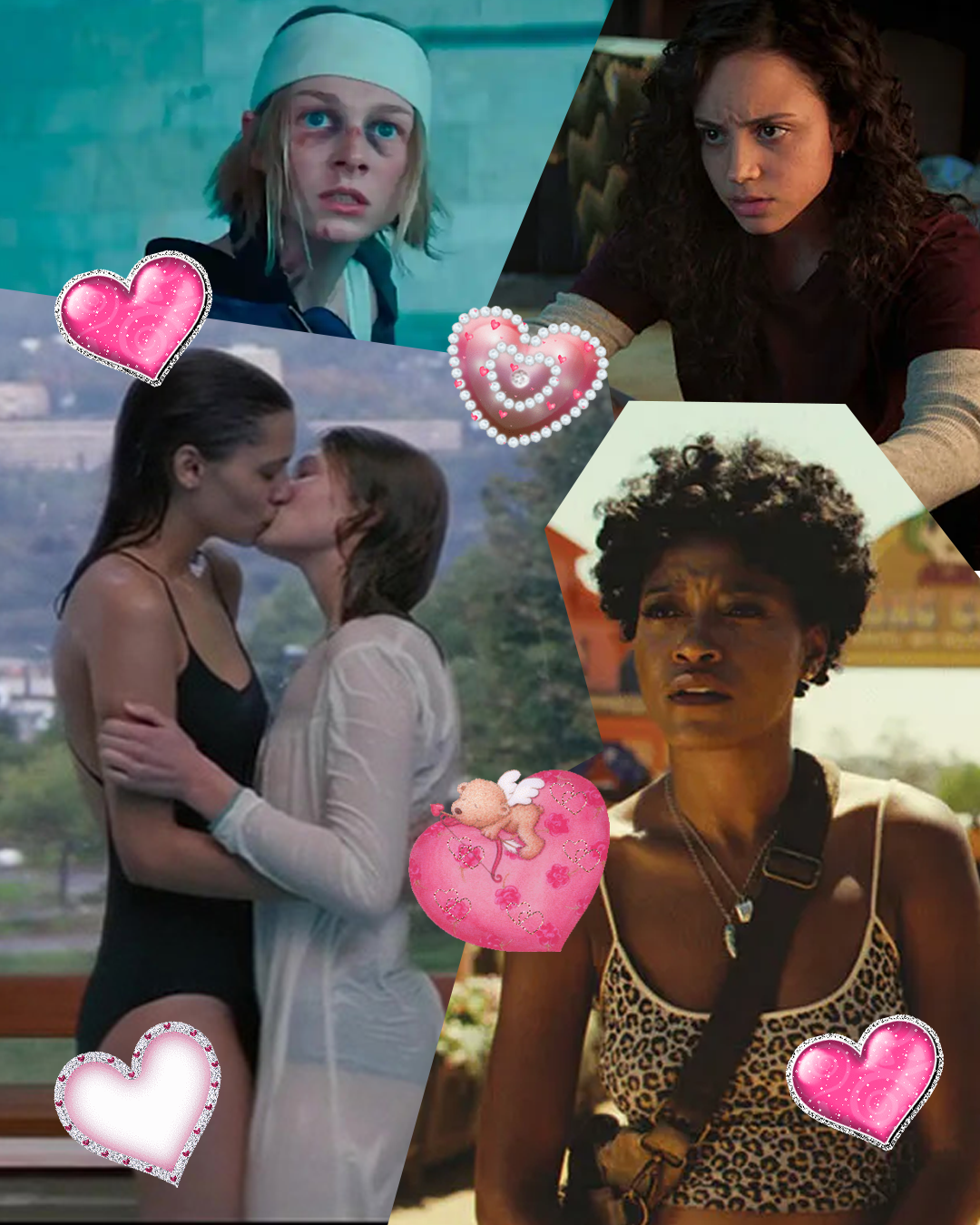
The abjection in the 2017 Norwegian film, Thelma is created from the title character’s strict religious upbringing and inherited telekinetic powers, not unlike Carrie White of the eponymous Carrie (1976). Thelma is so suppressed that her gay panic manifests as seizures. Those seizures transform into supernatural abilities that erase her love interest, Anja, from existence. Instead of succumbing to religious and parental subjugation like the tragic Carrie, Thelma learns that the more she navigates abjection and her new abilities, the more she begins to accept all parts of herself. She even brings Anja back from the void and makes her lesbophobic dad spontaneously combust, a win-win if you ask me.
Just like confronting the big bad - patriarchal violence, internalised homophobia, or a scary guy in a mask, - the Final Girl is being faced with her own relationship to queerness whether she’s ready or not. The Final Girl is queer, because surviving the horror of abjection is queer.
Some call for the death of the Final Girl trope - as if they weren’t dealing with enough violence as it is - but I think we should redefine the idea of who the modern-day Final Girl is. Think of Sidney Prescott, a favorite Final Girl of the 90s. Her revolt, resilience, and rejection of victimhood have made her a gay icon. Scream writer Kevin Williamson has even said the character is a manifestation of his personal experiences as a gay man. Unlike Williamson, Sidney never got to explore her sexuality.
Today, the genre is finally catching up to what queer horror fans have always known, that horror is for the girls and the gays. Recent characters like Deena in 2021’s Fear Street trilogy may be built in the image of classic Final Girls like Sidney, but she gets to be what Sidney only got to be in subtext: a lesbian. The Final Girl trope isn’t dying off, it’s coming out.
Since its inception in the 1970s, the “Final Girl” definition has brought heteronormativity into question. Often described by critics as androgynous, boyish, and masculine, the Final Girl has centered almost entirely around gender, but never sexual identity. No longer just subtext, the lesbian Final Girl has become a mainstay in recent horror. Cuckoo, Nope, Love Lies Bleeding, and Bodies, Bodies, Bodies all feature explicitly queer Final Girls. Others center lesbian love stories as integral to the overall plot, like Leigh Janiak’s Fear Street trilogy (mentioned above). This Final Girl survives because she doesn’t let outdated beliefs win, she fights her fears as hard as she fights to stay alive. What was once just queer-coded has become canon.
And if you’re a straight Final Girl? Good fucking luck. In today’s horror, heterosexuality is hell. Where they were once punished for rejecting their place in the patriarchy, characters like Grace from Ready or Not are suffering because of their complicity in upholding outdated traditions. It’s well overdue that the straights start facing some consequences. Lesbians have suffered enough across every other genre for the past 50 plus years, it’s time for them to get their lick back.
Before the Bury Your Gays trope, there was the Dead Lesbian Syndrome. The phenomenon was first seen in the 1970s TV show Executive Suite, when its lesbian character was hit by a car after accepting the love of her best friend, making it one of the earliest examples of lesbians being punished for embracing their sexuality. Yet getting hit by cars wasn’t enough: Lesbians were shot, blown up, strangled, stabbed, and bludgeoned year after year. 242 lesbian characters as of 2024 according to Autostraddle.
Originating from the Hays Code, this censorship effort only allowed LGBTQ+ characters to be portrayed in the media if they were punished for being gay. This trope is a scissor sister to the “fridging” of female characters - who were killed with the sole purpose to further the male character’s arc - and has been used for years to make queer characters suffer.
However, the morality police and misogynistic writers underestimated our rage. Femme rage. Similar to the term “feminine rage,” femme rage builds the idea of honouring your anger, transforming rage into a resistance that subverts traditional femininity and sexist norms completely. Instead of just being a cathartic release that features mostly white women screaming, femme rage acknowledges that everyone across the gender identity spectrum suffers under the patriarchy. Feminine rage is a reaction, but femme rage is a rebellion. And according to Lynda Hart’s Fatal Women: Lesbian Sexuality and the Mark of Aggression, lesbians have been historically defined more by their “aggressiveness” than by their sexual preferences. The Lesbian Final Girl isn't just an example of femme rage, she’s the origin story.
The horrors may persist, but gone are the days of the bitches and butches dying first. In the Final Girl’s new world, queerness isn’t punished, it’s protected. And in my movie, the lesbian lives.