Jennette McCurdy on Researching Adolescence, Obsession and Half His Age
Words: Ione Gamble | Photographer: Kaio Cesar | Makeup: Akina Shimzu | Hair: Koh | Styling: Ellie Burns | Production Design: Braden Young | Videography: Camille Mariet | Stylist assist: Kasey Bry | Photo assist: Gabriella Miranda
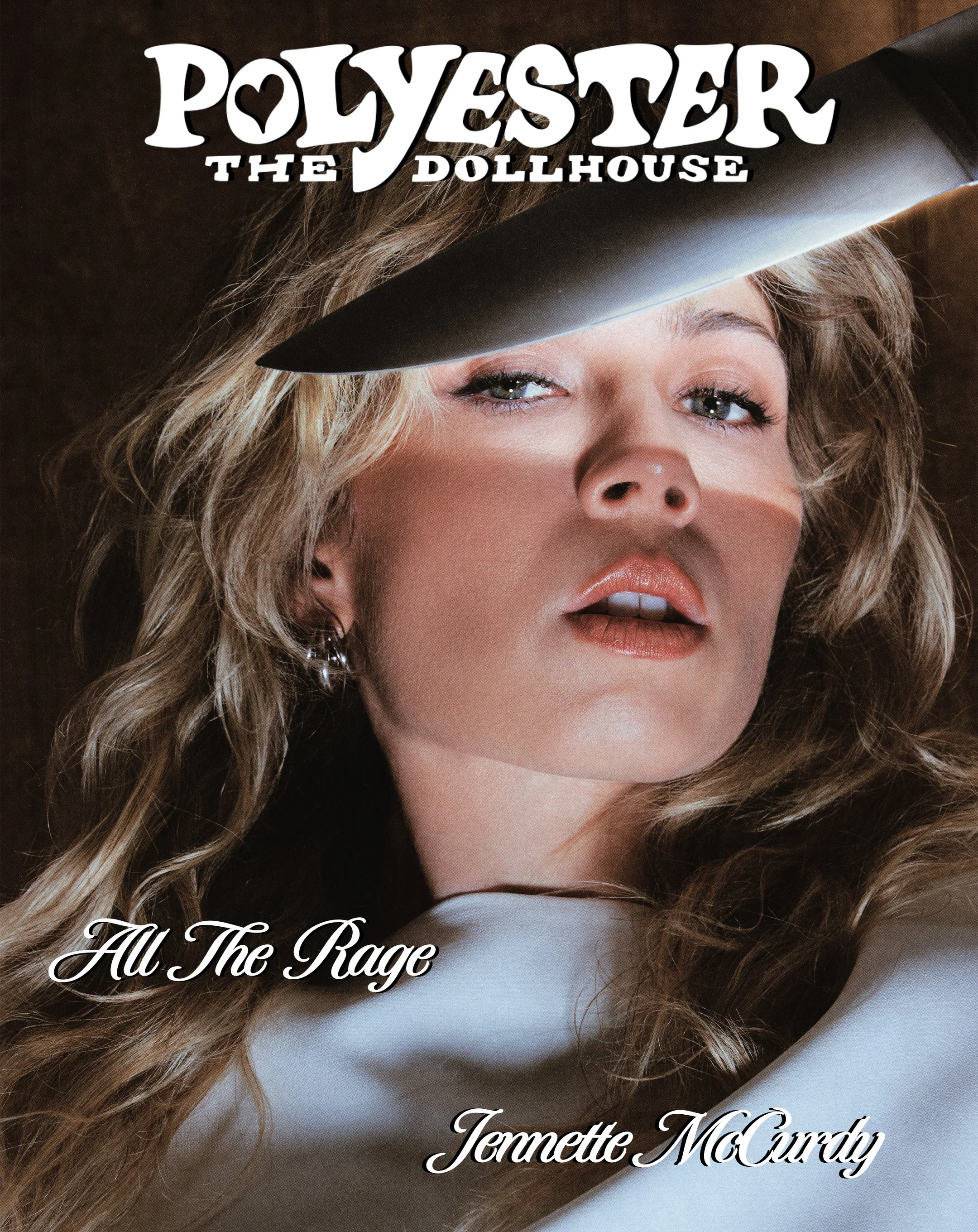
Publishing an age gap novel as your debut fiction offering in the year of 2026 is not for the faint of heart. With the internet at large deeming age gaps immoral regardless of if the couple are of consenting age and social media debating on a near daily basis as to the power dynamics at play when a couple differs in age, Jennette McCurdy has once again proven herself as a writer that is unafraid of tackling societal taboo.
In an era of sanitised girlhood and curated celebrity overshares, McCurdy’s first book - I’m Glad My Mom Died, a warts and all recollection of life as a child-star and fraught familial dynamics - sold over three million copies, proving an appetite for a more honest depiction of our experiences. With her first novel, McCurdy leans in even harder - Half His Age is less interested in moralising the teacher-student relationship at the heart of the novel, and more concerned with cutting to the emotional truth of what it means to be a teenage girl.
Half His Age follows Waldo - a dissatisfied teenage girl living in Alaska, caught perpetually in a cycle of Shein hauls and dissatisfaction with her peers, surroundings, and life. That is until she meets Mr Korgy; a performative male English teacher who promises to show her the world via The Criterion Channel. Sex scenes are written in the same lurid detail that McCurdy treats fast fashion; not with contempt, but stripping bare the reality of how empty we’re left feeling when filling our voids with material possessions and relationships that can never really satisfy us.
Her readers are spared no niceties, but instead given the space to draw their own conclusions. Off the back of her international book tour, I sat down with McCurdy to discuss rage, consumerism, and the importance of trusting your readers.
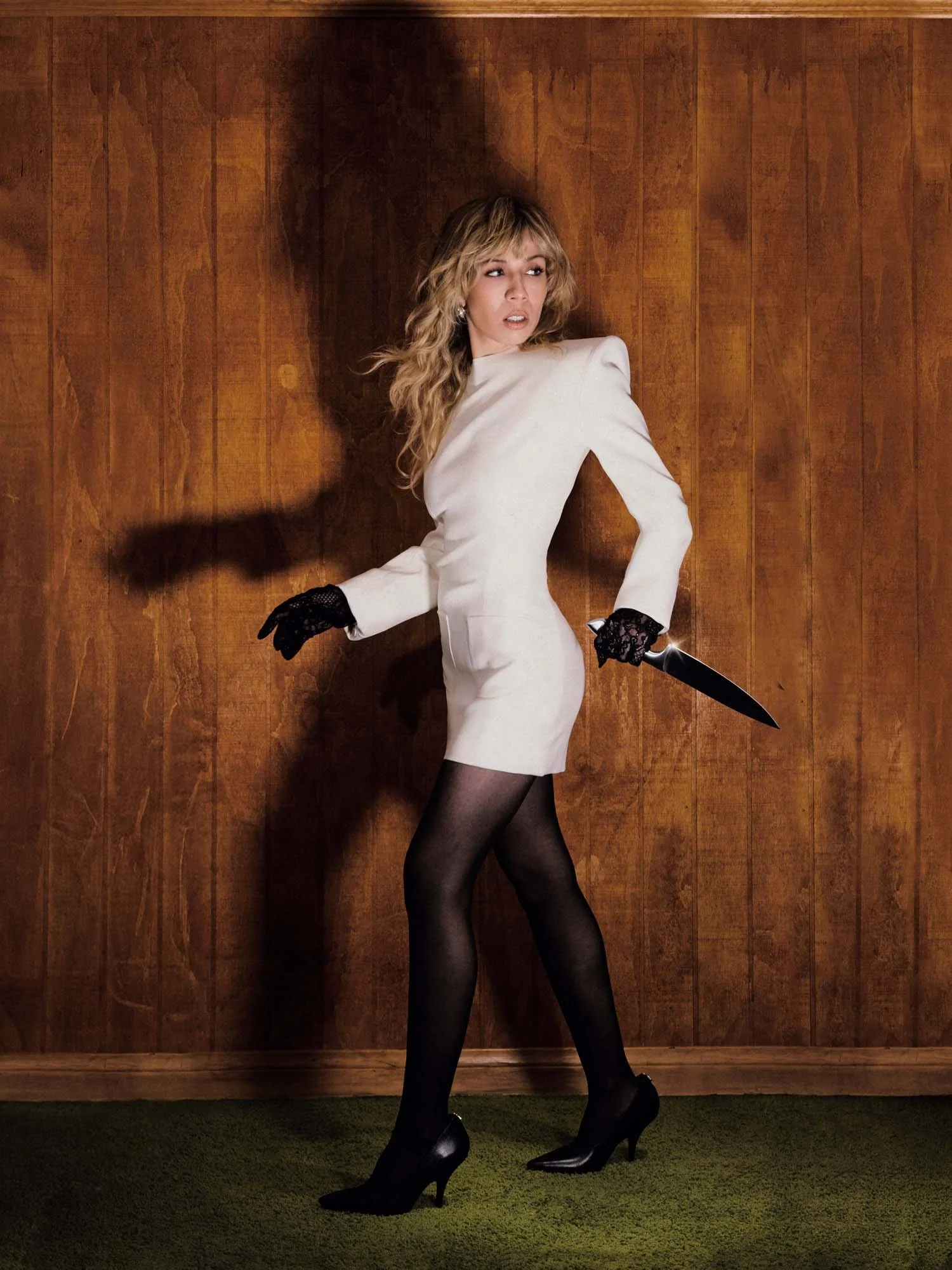
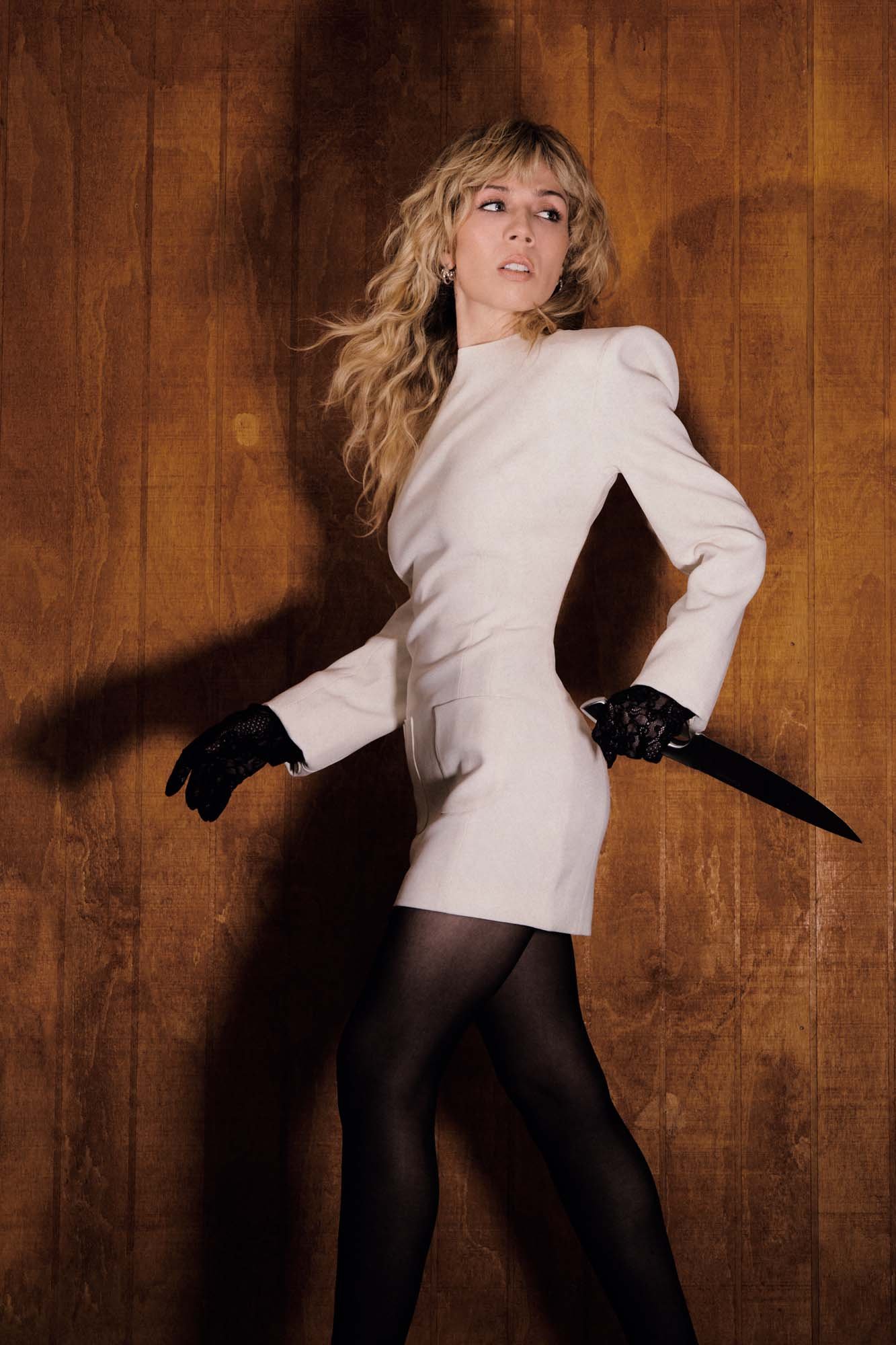
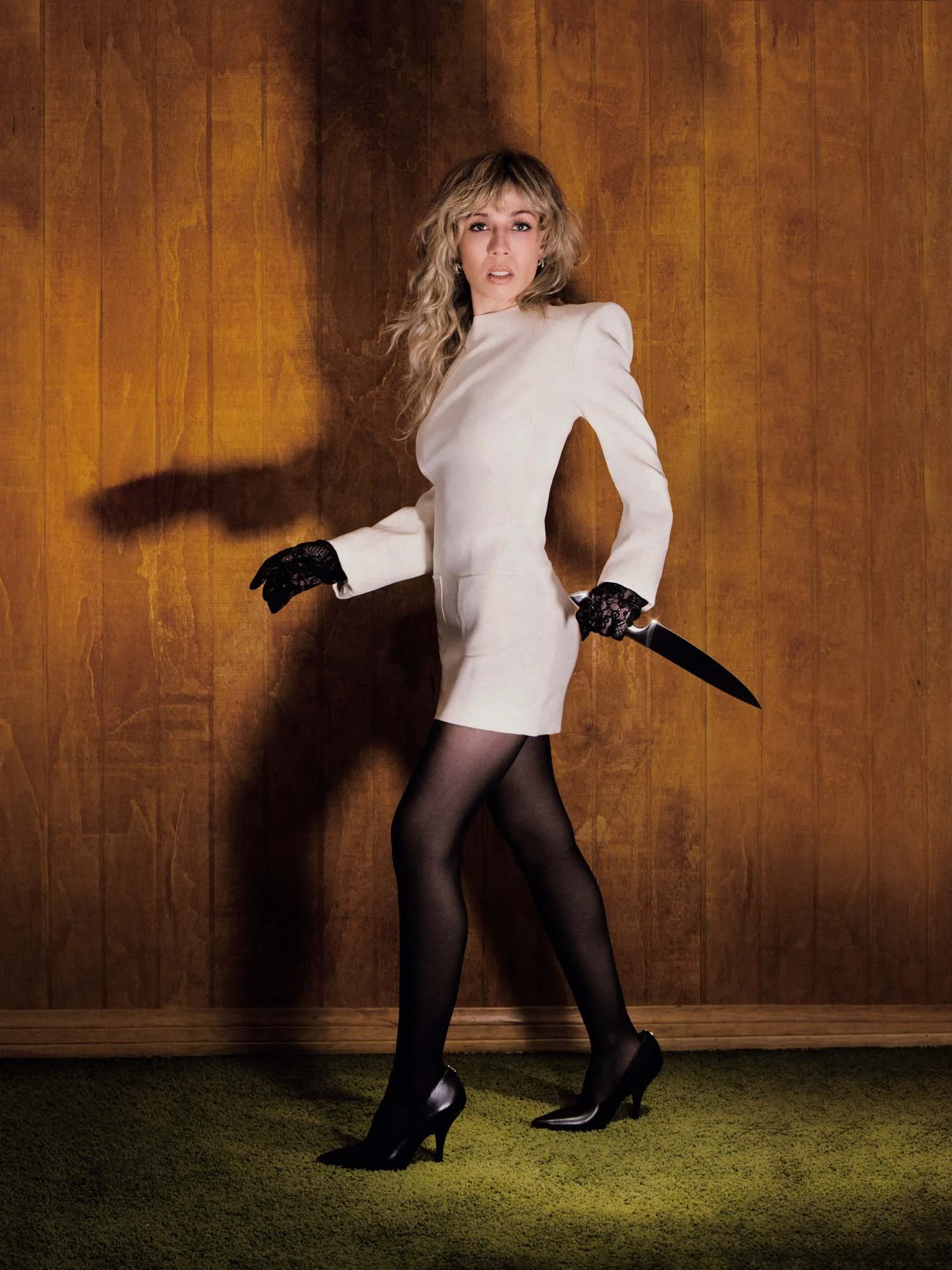
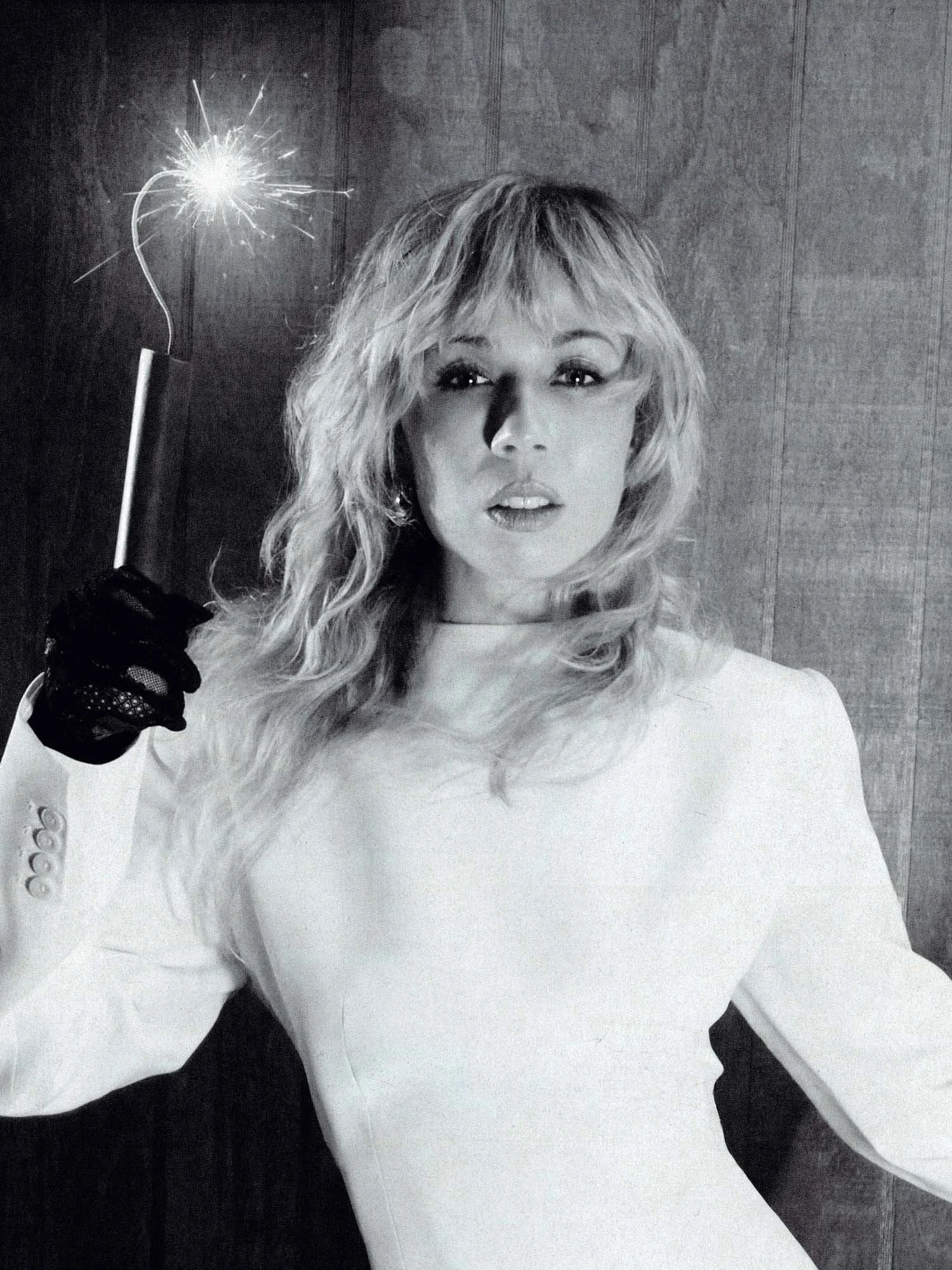
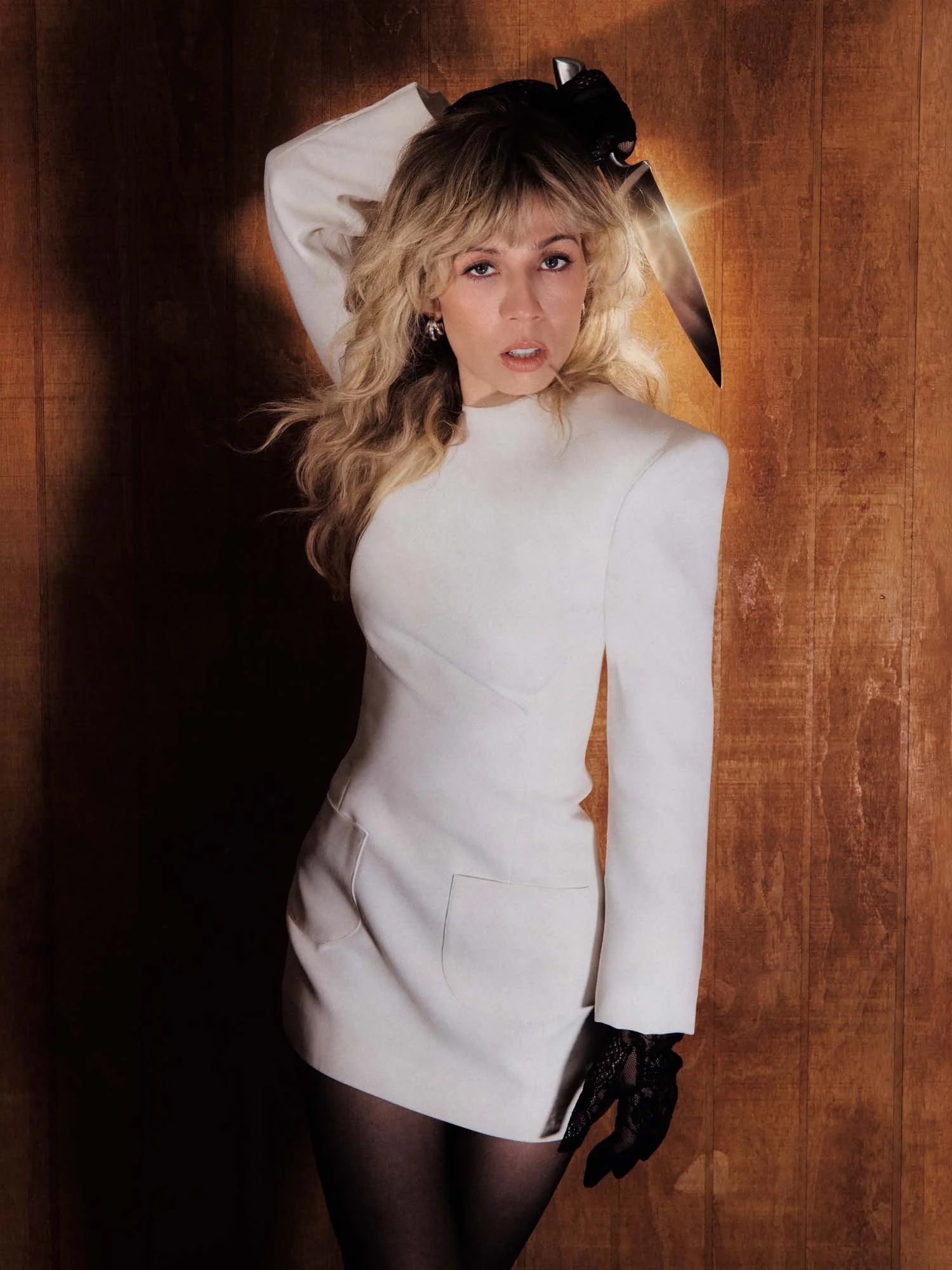
Dress: Helsa, Gloves: Bronx and Banco
Ione: Hi Jennette!! Now you've done a few events to promote Half His Age, what's the most interesting interaction you've had with a reader?
Jennette McCurdy: The thing that seems to be really resonating the most is female rage. It's been the biggest conversation. I think it's one that's long overdue and we as women have been suppressing that for so long that it just feels like it's this bubbling conversation everyone's ready to talk about. And it's been really fun to explore with people.
“I think the humiliation and the embarrassment that we feel about certain aspects of ourselves, our past can really guide us to make certain choices that we think are self correcting.”
I’m interested in the link you make between rage and consumerism - recently, I’ve written about rampant consumerism but through the lens of nostalgia, that being sold trinkets or clothes on social media helps us access nostalgia for our own teenagehood. I thought the consumerism in the book was interesting, as Waldo is obviously a teenager herself and I hadn’t previously considered the rage element. I was wondering if you could tell me more about how you associate rage with buying stuff?
I wanted to explore rage and shame specifically through all the things that we buy. You mentioned taste being dictated by marketing and Instagram algorithms. I think it's also dictated by shame. I think the humiliation and the embarrassment that we feel about certain aspects of ourselves, our past can really guide us to make certain choices that we think are self correcting.
The kind of embarrassment that we feel about the past, I think that's certainly Waldo's experience as a protagonist. You know, the entire book takes place through this 17 year old’s point of view, and she's somebody who grew up in a trailer park to a sixteen year old mom. She wore the same shirt multiple days a week and would get made fun of at school for it. So this is somebody who now at 17, works at Victoria's Secret, pays for her own clothes and her sort of mission is to be able to wear something different every day. She doesn't care. You know that. It's fast fashion, and it's cheap. She's not considering ethics. She's considering the shame that she felt. She's 17 and she's, of course, overcompensating and trying to kind of hedge against her own negative self narratives.
The book is set in the now, in the 2020s. What research did you have to do to write adolescence during an era that you didn't experience?
I'm so glad you asked this because I think some people will project me onto this book, and I do think that's a misread. People talk about there being research writers and non-research, stream- of-consciousness writers. I'm definitely more of a stream-of-consciousness writer. But there was so much research. I'm looking up whether there are still lockers at school. What do high school hallways look like in Anchorage? I found it the most useful to look at the vlogs of teenagers in Anchorage, Alaska - people who have four subscribers. I would just watch them recording their high school days when they weren't supposed to. That was the most helpful research.
On that note, how do you think being a teenage girl now is different from when we grew up?
You know, I'm more interested in how it's the same, because I do think there's some experience of adolescence and specifically a female adolescence that is universal. It doesn't matter when you're born. There are these qualities and these themes that seem to surface regardless of when in time you exist. To me, it's still this rage that begins surfacing when you're a teenager, and yet you don't really fully have access to it.
You can't really confront it in the way that we're eventually able to. You or I know that by the time we're in our 30s, we face it. I think it's when we start feeling the pressures of that marketing and of society and of men on us and our jobs - but we don't know how to confront the deeper feelings that we have about them. And that's what was most interesting to me, is this young woman who's very self-aware, who's, for the most part, a reliable narrator except for this one glaring blind spot she has, Mr. Korgy.
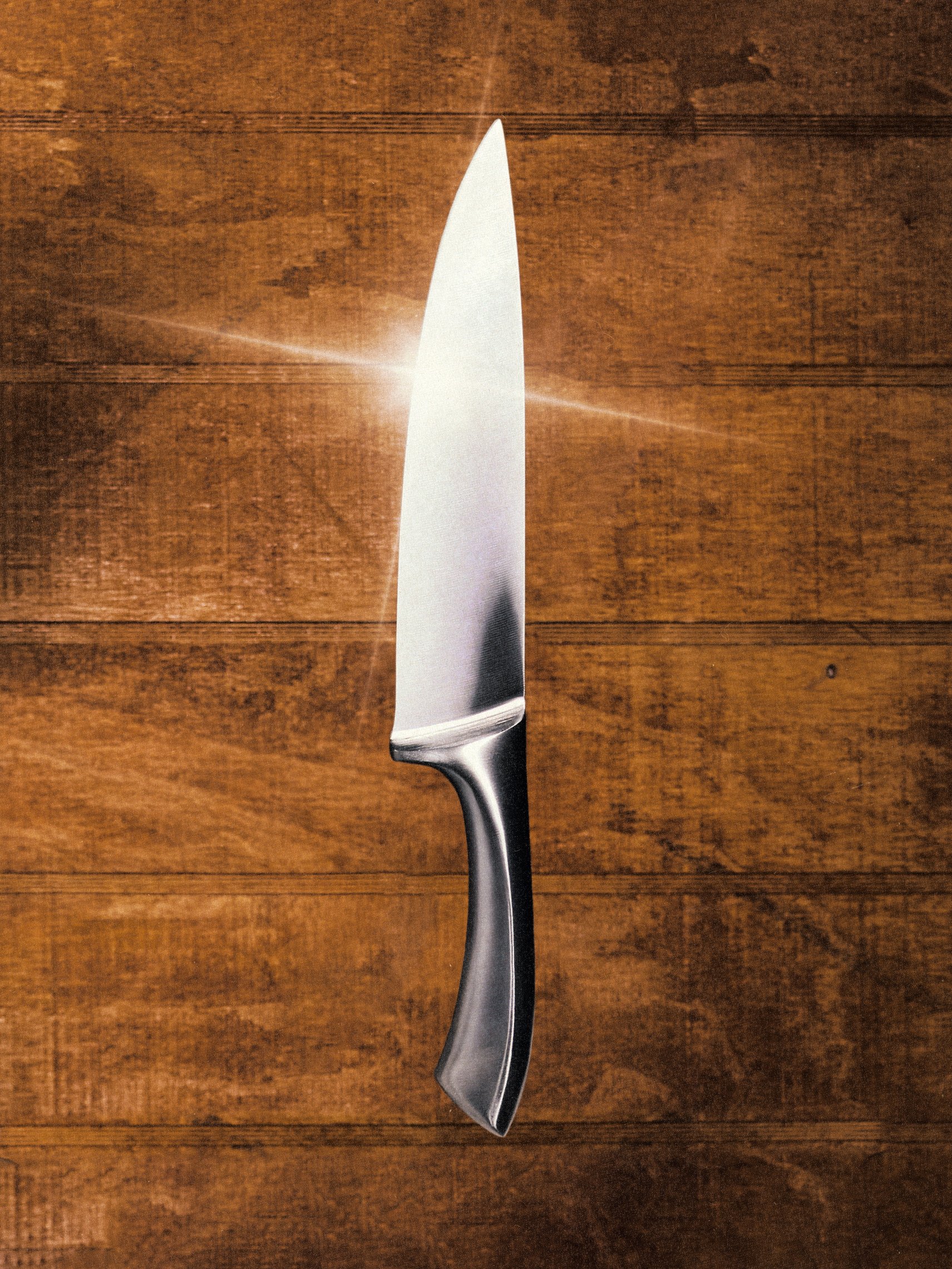
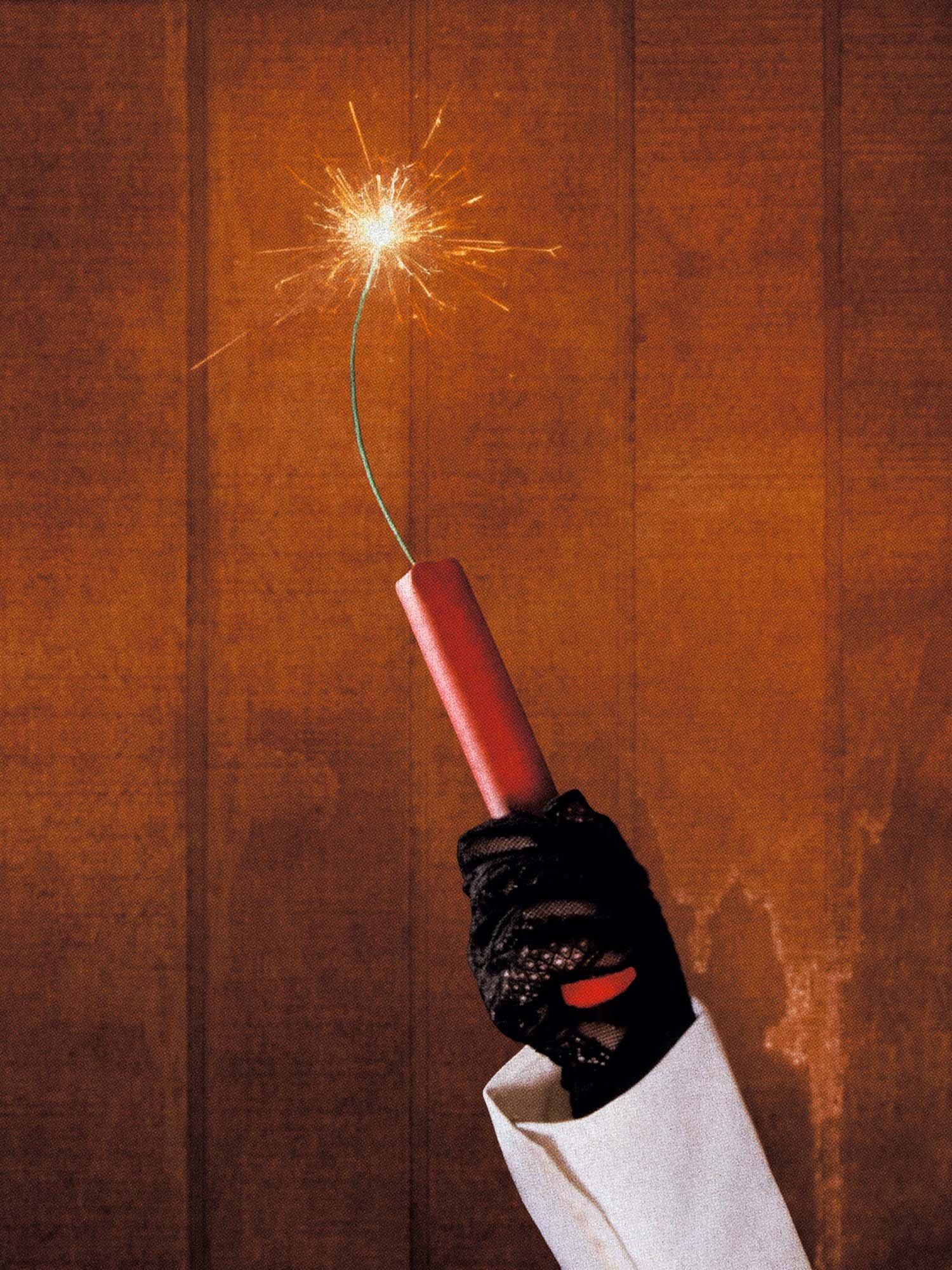
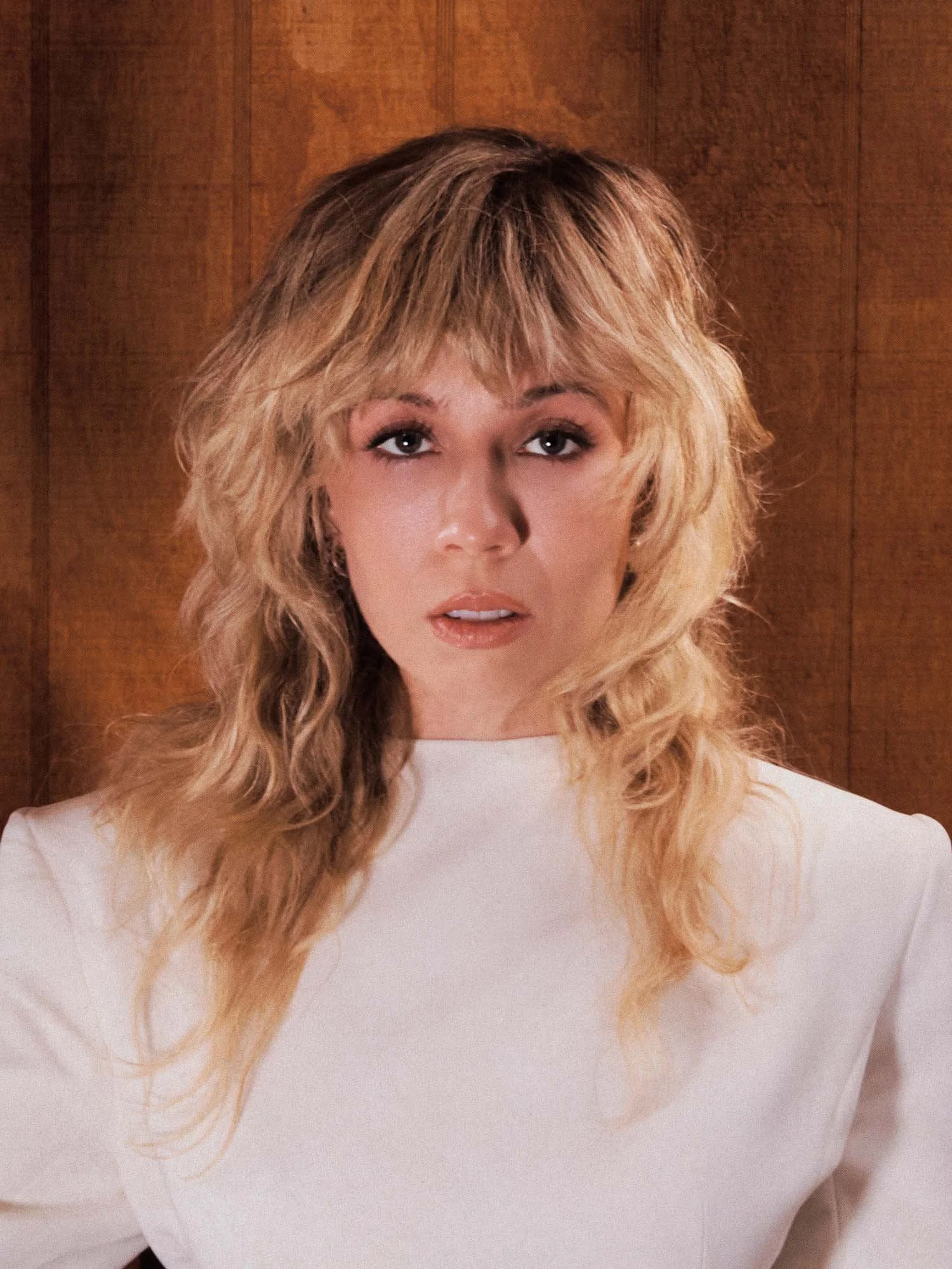
“I do feel like when a young woman is the protagonist there's this instinct to make them “quirky” or to make them spunky. To make them a certain amount of likable, to make them more palatable to a viewer, a reader. And I am sick of it.”
I read, in your interview with Sofia Coppola, that you didn't want to project morality onto the story - which I feel is definitely a similarity between both of your works. Was this lack of moralising within the text something you had to prevent yourself from writing, or was it natural?
Sofia Coppola is truly one of my idols, and I feel like one of everyone’s idols. She's so incredible. But I agree, she really stays away from doing anything moralistic and is very observational. That's something that I'm really drawn to in her work. Really anybody whose work I admire and respect, they don't get finger waggy, they don't get preachy, they just observe. They have really insightful observations about the things that they're relaying. I just feel like there's no sure way to turn off the reader other than to get finger waggy. Nobody needs that.
I feel observation is the opposite of how we operate a lot of the time in modern discourse, which is very much based on moralising.
100%. And I think it's why there seems to be so little room for conversation. When you go, for example, to a comment section, it just seems to be people spewing black and white. “Here's how I feel about this thing.” “And this is how I feel about this thing.” And there's no genuine communication.
There's no real conversation. I'm not suggesting that I have any answers to provide. I wish I did, I don't, but I'm saying, “Here are some conversations that I think ought to be started.” And, you know, I trust my readership and trust that they'll do the rest.
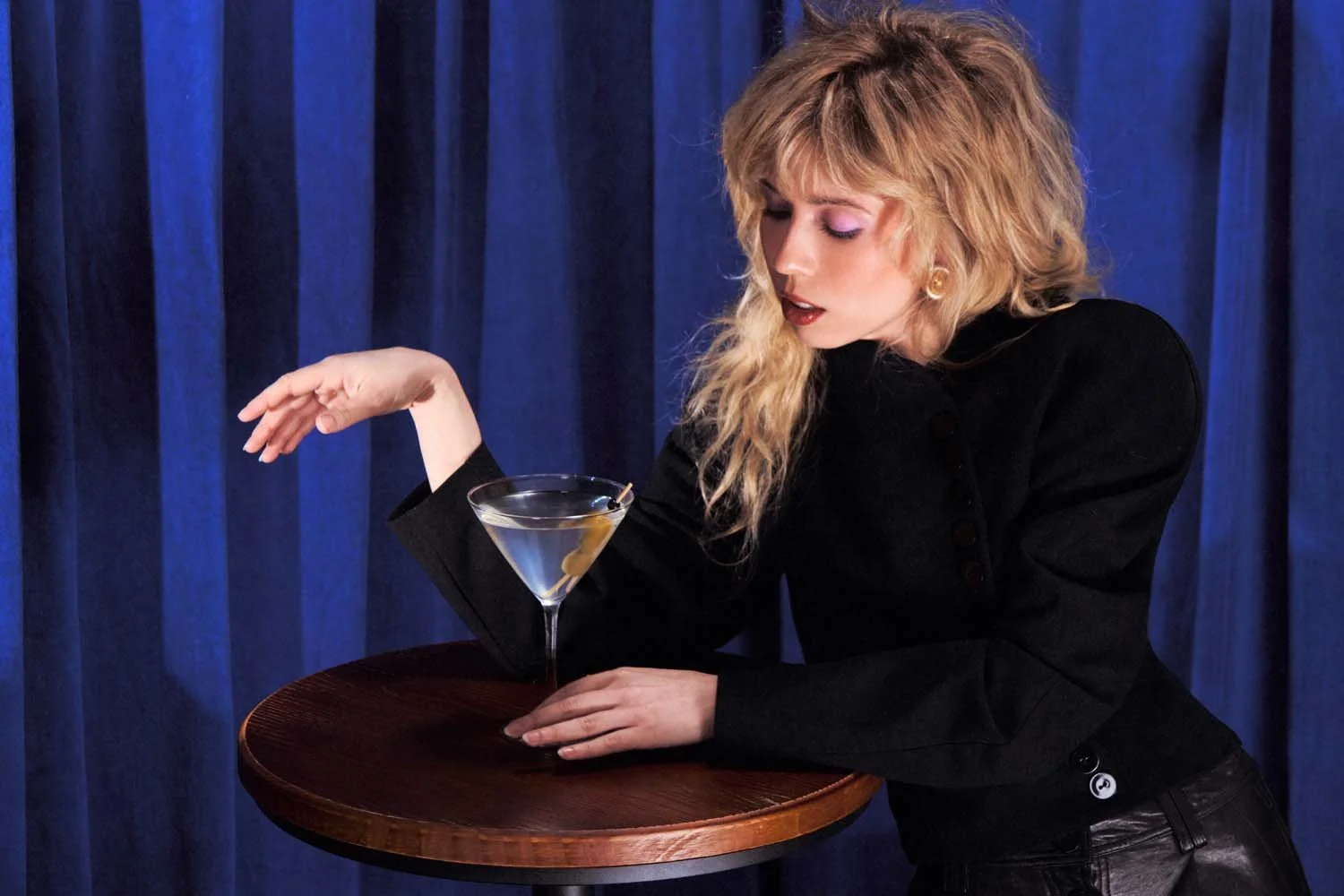
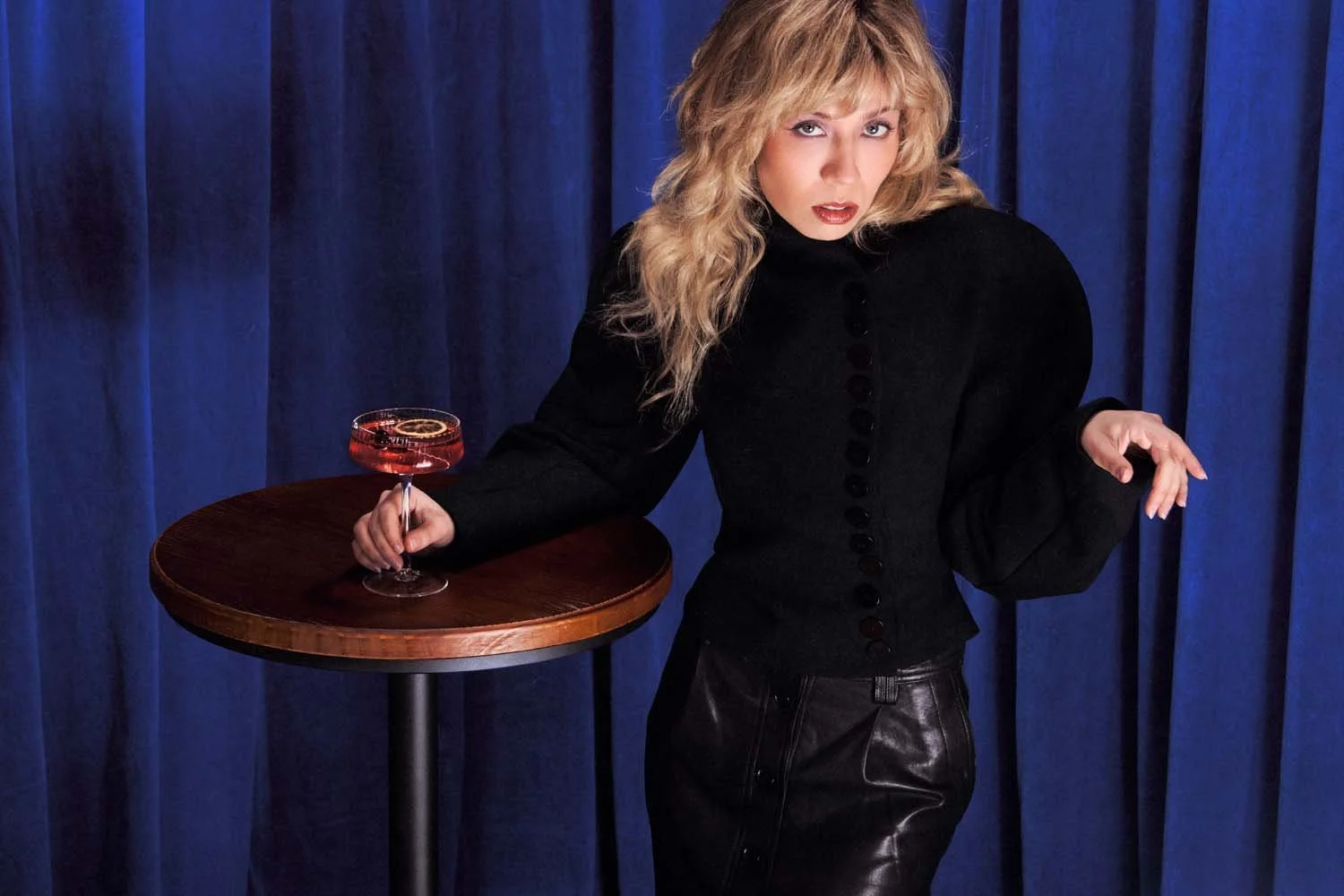
Top: Nocturne, Skirt: Annie Bing
I was wondering what you think modern depictions of girlhood get right and wrong?
So generally, I do feel like when a young woman is the protagonist there's this instinct to make them “quirky” or to make them spunky. To make them a certain amount of likable, to make them more palatable to a viewer, a reader. And I am sick of it. That’s not the young woman that I was, or any of my friends, or anybody I have ever met. I think young women are complicated people. I think they deserve to be depicted that way. Good, bad and ugly. Waldo is a very good, bad and ugly character. And I didn't want to shy away from that or make her more convenient for a reader.
I love the book's exploration of obsession as a negative force, but I was wondering if you think obsession can ever be a positive thing?
It's a really tricky area. You know, if you're a really creative person, you're obsessed with whatever the thing is that you're creating. But even that can veer into unhealthy territory. I do think it's possible, but very, very rare. You know in your gut whether it's taken on an unhealthy hue.
Rabid obsession is something that you do grow out of without ever realising, Waldo's frame of mind towards Mr Korgy really reminded me of how obsessed I would get with things or people when I was younger. And then I thought, like, “Oh, I actually haven't felt like that about anything since my frontal lobe developed.”
I know most of the readers, if not all of them, are going to be older. Women in their late 20s, 30s, 40s, whatever. We do outgrow that way of thinking and that intensity. That rabid, ravenous, all-consuming want. In some ways, I think in some ways it's still there, but it’s certainly not so impulsive. And I don't think it's so externalised.
But I don't think we really realise that we've outgrown it. We don't really process those years. We just kind of go through them, and then we get to our 20s, and then we're all concerned with ambition and career. In our 30s it finally starts to settle. And it's only then you have that space to go, what the fuck happened? What were my late teen years?
Something else that I really like about your writing is the physicality of it - not just sex scenes but also the physicality of getting ready or doing beauty treatments. I was wondering why this type of in-depth writing about and around the body appeals to you.
I'm a very sensory person, tactile - there's such an emotional charge with a sense of touch that I think isn’t often really explored. That's such a theme in the book, whether it’s skin, whether it’s a white strip on your tooth or, you know, mascara tube, or the gloopiness of foundation, these are all sensory experiences, tactile experiences that are so loaded with an emotional arch. There's something interesting and beautiful and ugly in that.
Half His Age left Waldo’s story quite open ended. Would you ever go back to her character?
I was really sad - I didn't expect to be, because it was almost two years of working on the novel. By the time I was getting to those later drafts, I was ready to throw this thing against the wall. I just wanted to be done with it. I wanted so badly to be without it. And then I finished and I sobbed like a full body sob. I do feel like she had so much to say and had so much misplaced power that I would definitely be open to exploring her voice again. I don't know what that would look like, and it’s certainly not anything I'm currently exploring, but I really love her as a character. I never like any ending that’s clean or tight in a bow. But I do like leaving some note of empowerment for women. I don't love the word ‘important’, but it does feel important.
I do feel as well that in the book, obviously she's having a bad time and you can see that her circumstances are not great. But I didn't ever really feel pity towards her. She’s very much someone who can figure it out.
I'm so glad you say this, because a theme in the book is how much she doesn't want to be pitied. And there's this exploration of pity between her and Mr Korgy. What does it mean to pity someone? And oftentimes whoever's doing the pitying is just needing to feel themselves in a superior position and needing to feel better about themselves. It's really not a helpful way of viewing anyone. I don't think that does anything for the person you're pitying. I don't think that really does anything for you. And so I'm glad that came through for you.
Last question. What are you doing next?
I adapted Half His Age into a screenplay, and I'm going to direct it. And I couldn't be more thrilled about it. I always want authors to adapt their own work. I think it really makes such a difference. I wish every author would do that if they wanted. But I'm so grateful to get to direct it as well. I think that's equally as important to really keeping the vision intact and not having it get lost.
Half His Age is published in the UK by 4th Estate