
Words: Rob Corsini | Photographer: Tenkou Ma | Stylist Kiu Kei | Hair & Makeup: Moe Hikida | Nail Artist: Iris | Producer Lulu Nabeshima | Project Manager Sukawa Natsuho | Project Assistant: Mayu

When Kiko Mizuhara answers the video call from a hotel room in New York, she interjects before I can ask a question. “I'm good but my throat is fucked,” she laughs. “I've been running around all over the place recently. But I'm good, I'm good.”
2026 has been busy for Kiko, but that’s nothing new for her. Since she started modelling aged twelve, Kiko has never stopped working. Usually she can keep up, but today her vocal cords are struggling. “Last night, I went to Charli's show, and…” she pauses. “And then I just partied,” she laughs again, smiling coquettishly.
Kiko deserves to celebrate because - even by her standards - she’s achieved a lot this year. It’s only September and she’s already released her first single, had movies premiere, acted in other films, and that’s all alongside her day jobs, plural - which include modelling, managing her wellness and clothing brands, and creative directing one of Japan’s most legendary musicians, Harumi Hosono. “I don't even know how to introduce myself,” she jokes. While defining a specific medium may be tough for Kiko, knowing her intention is not a problem.
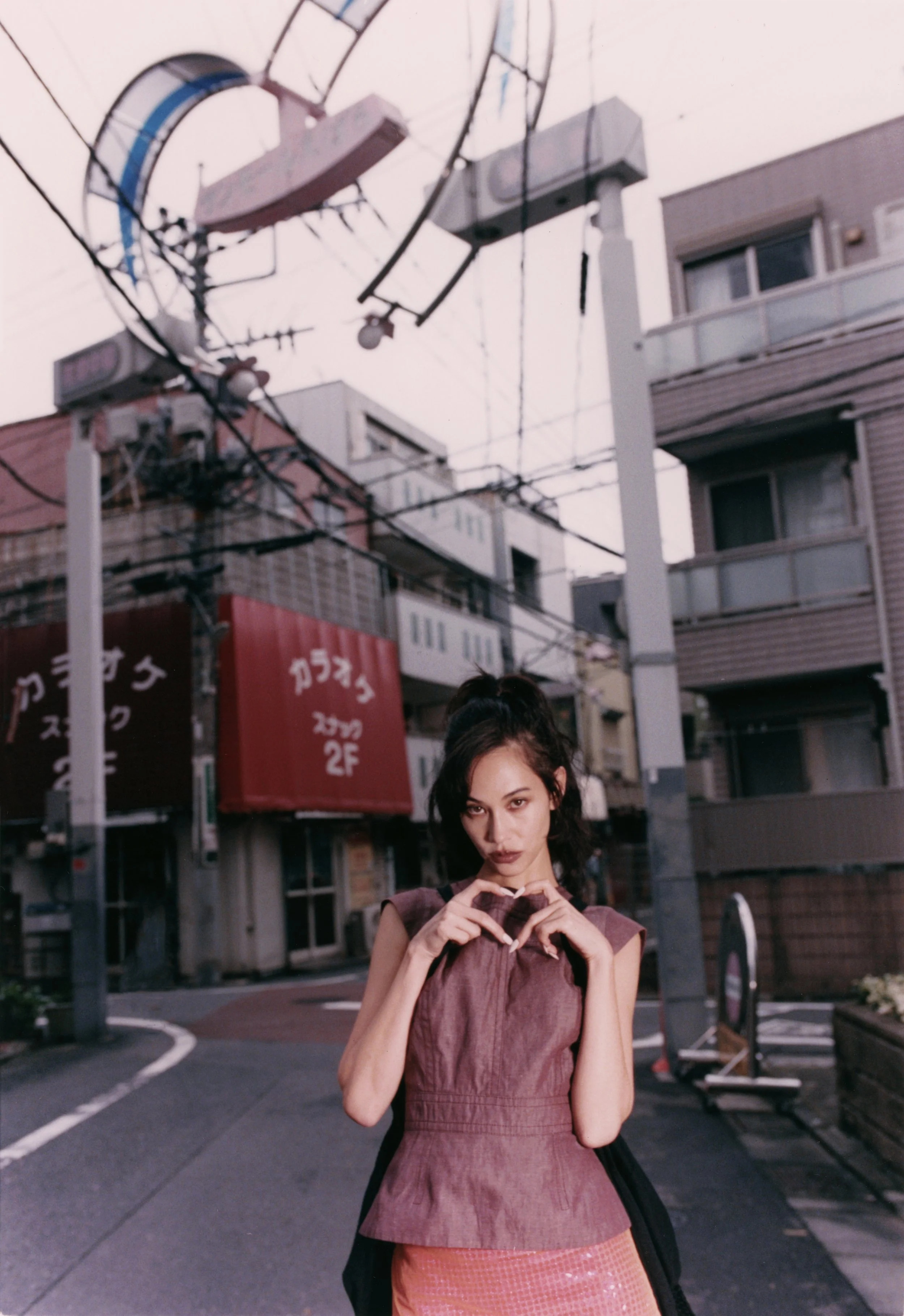
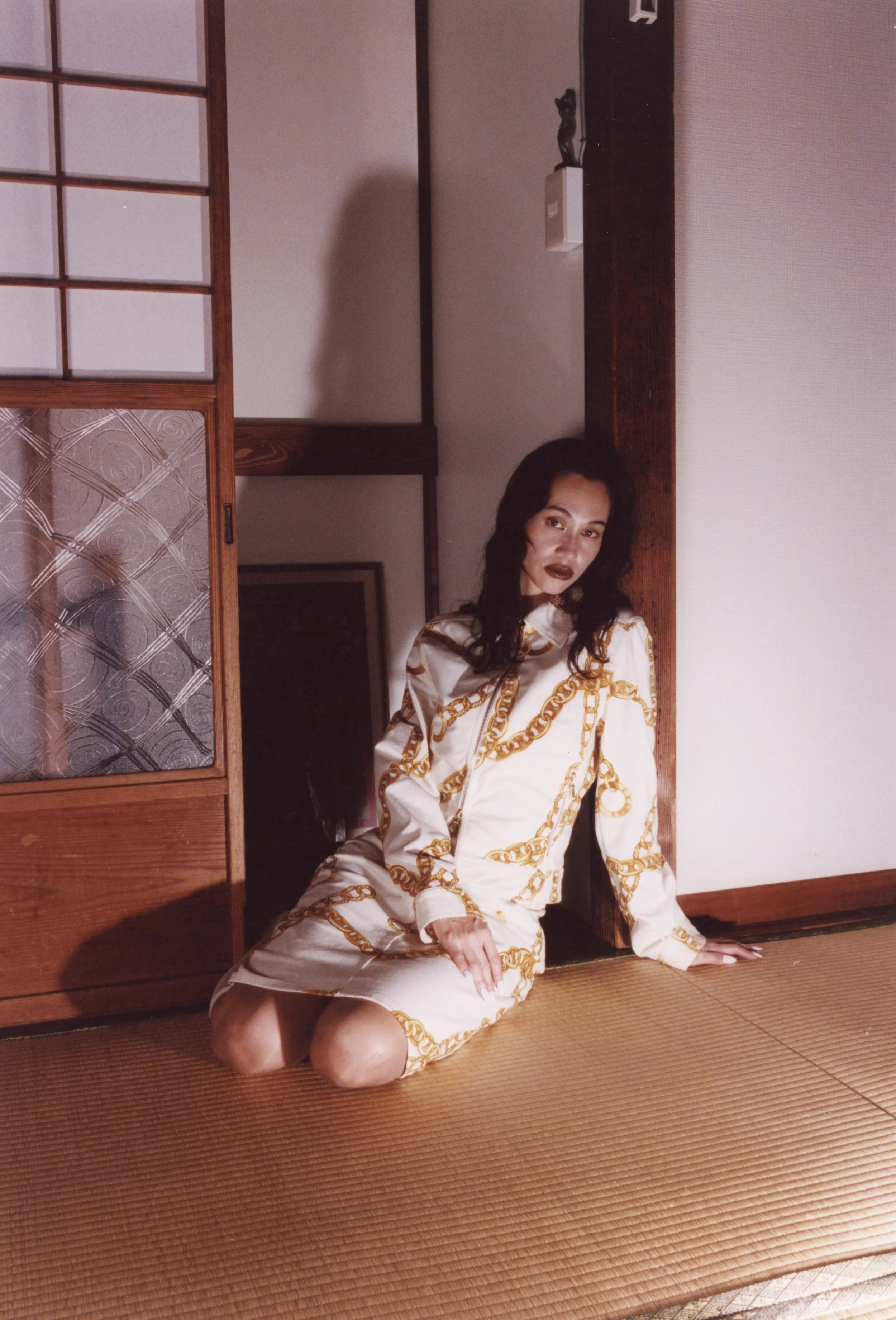
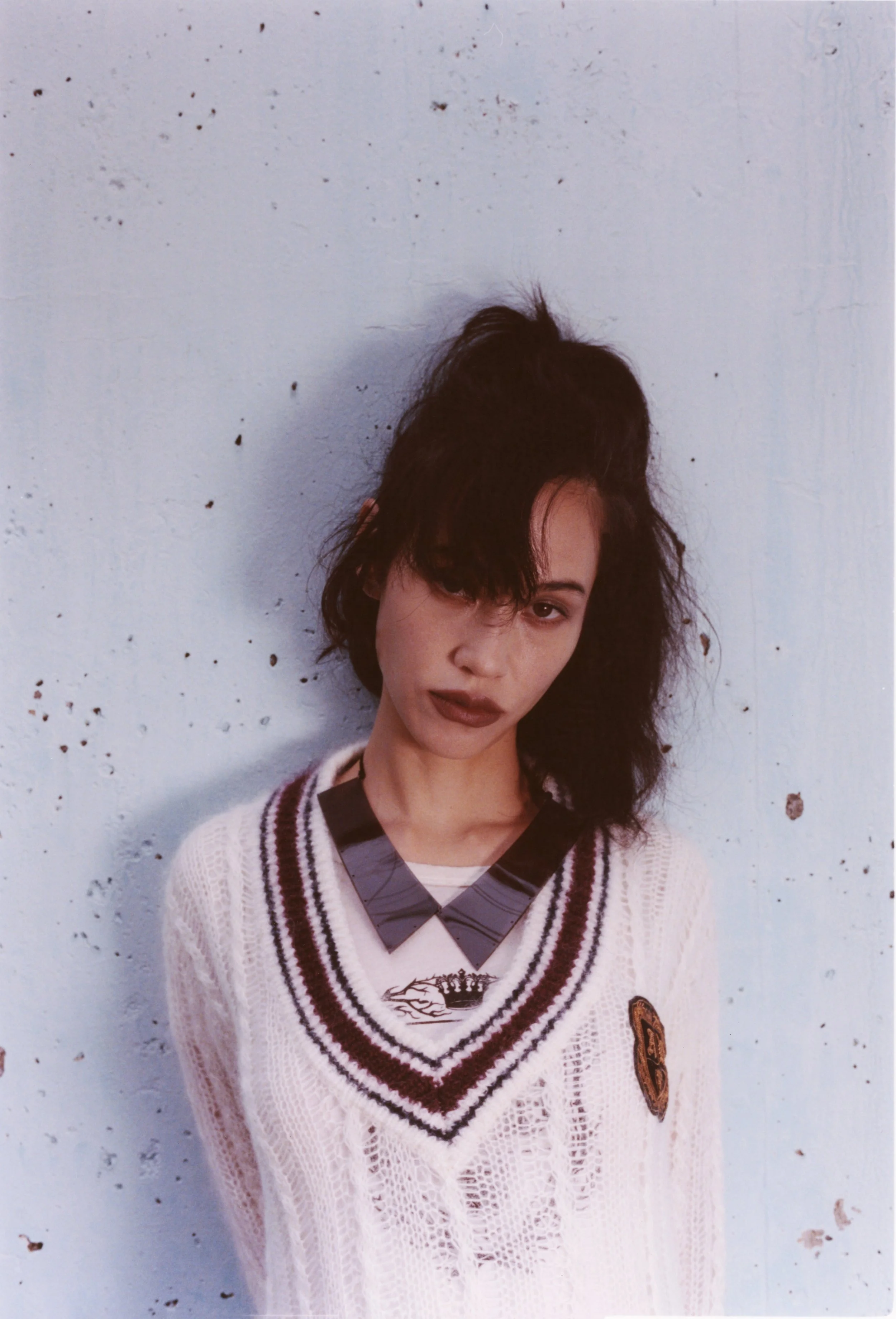
Top: SS2002 LOUIS VUITTON from ZSC2049 | Skirt: Vivienne Tam from Terminal69 | Shoes: SERGIO ROSSI 26AW
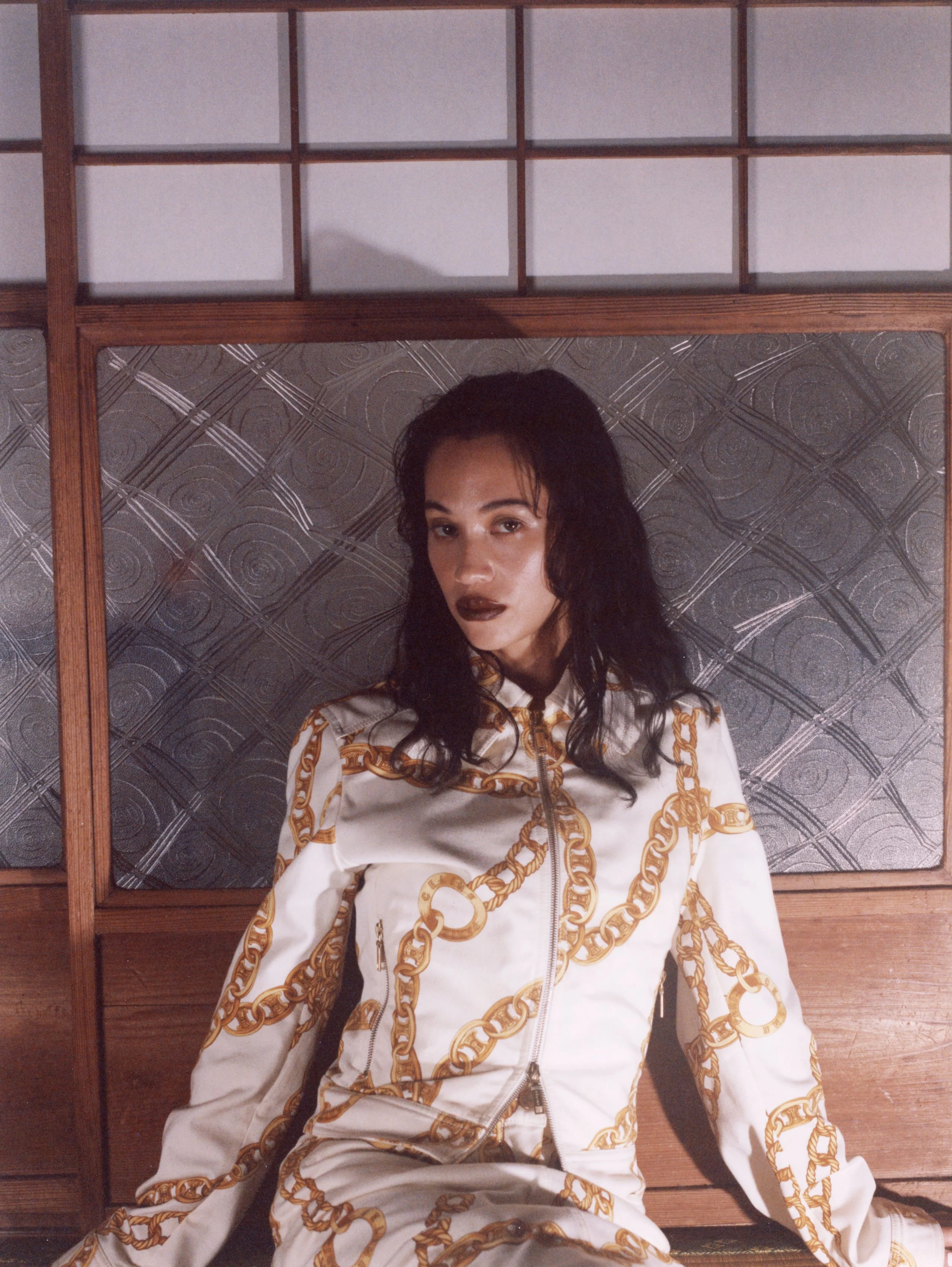
Suit: Celine 2000 from from AMORE Tokyo | Tights: stylist’s own
“I just love creative stuff in any form. I love photography, I love fashion, I love music, I love movies,” she gushes. “I’m just always trying to find new stuff, new exciting stuff, and absorb it.”
Right now, Kiko’s newest medium is music. Her newly released, debut single Feelin’ Wee is a whimsical pop song that pulls Japanese Citypop into the present moment. The music video, which sees Kiko dance amidst a set as giant props are wheeled around her, opens with a title card that reads; Introducing Kiko Mizuhara. For her throngs of long-term fans, that might feel like a mistake - but it does feel like an introduction to Kiko. “I never thought that I would release music. This just really happened organically - and I prefer it like that. I think it's best because it's just natural,” she explains.
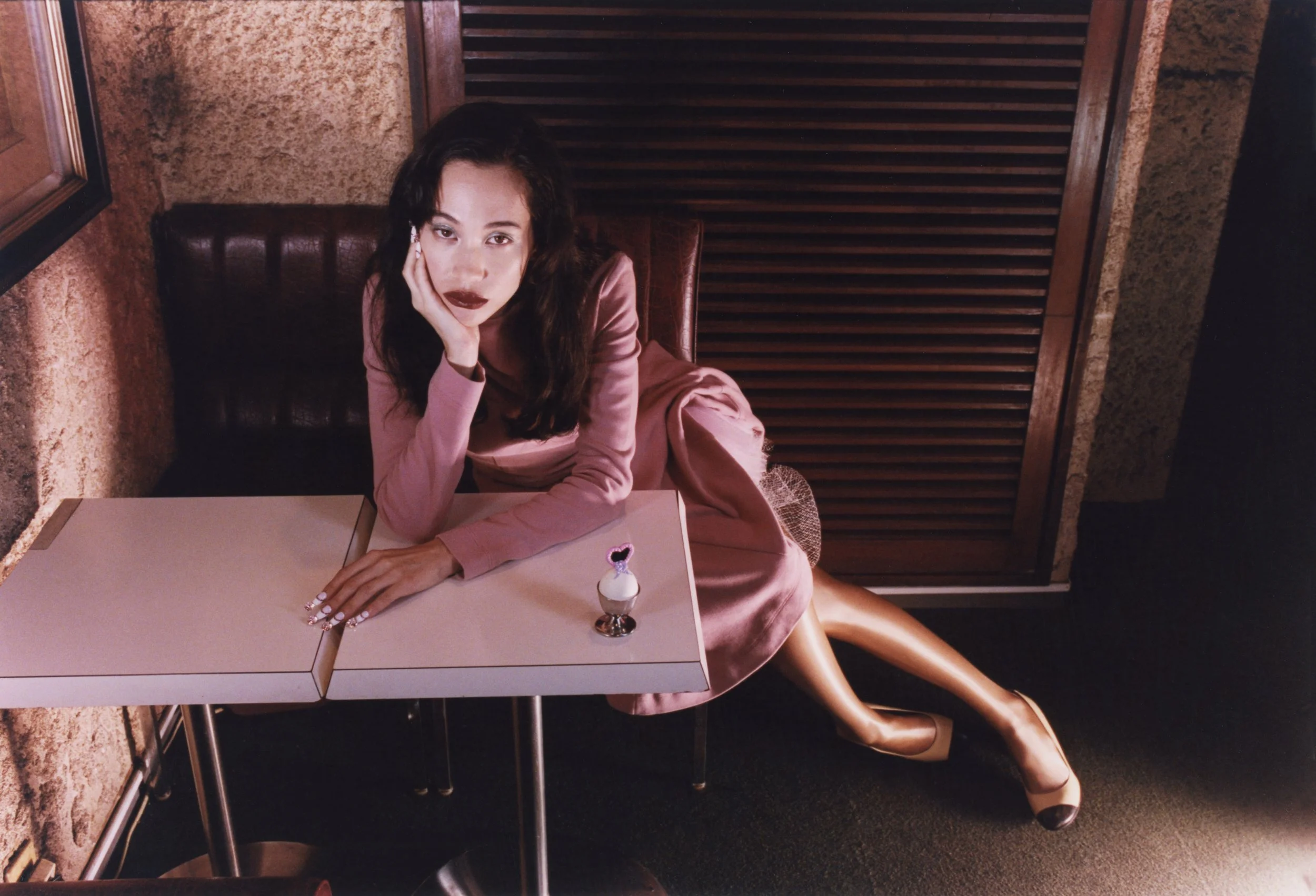
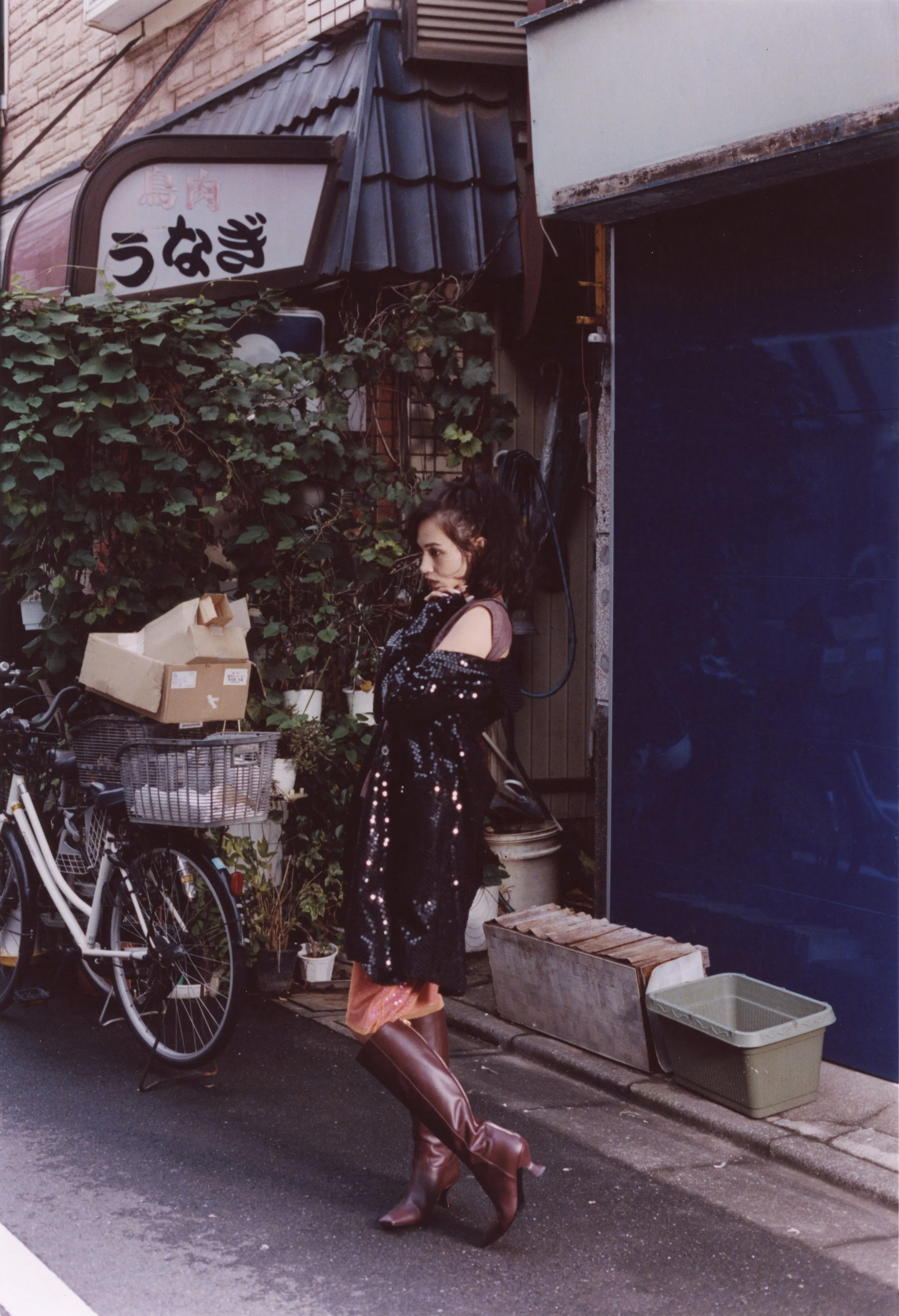
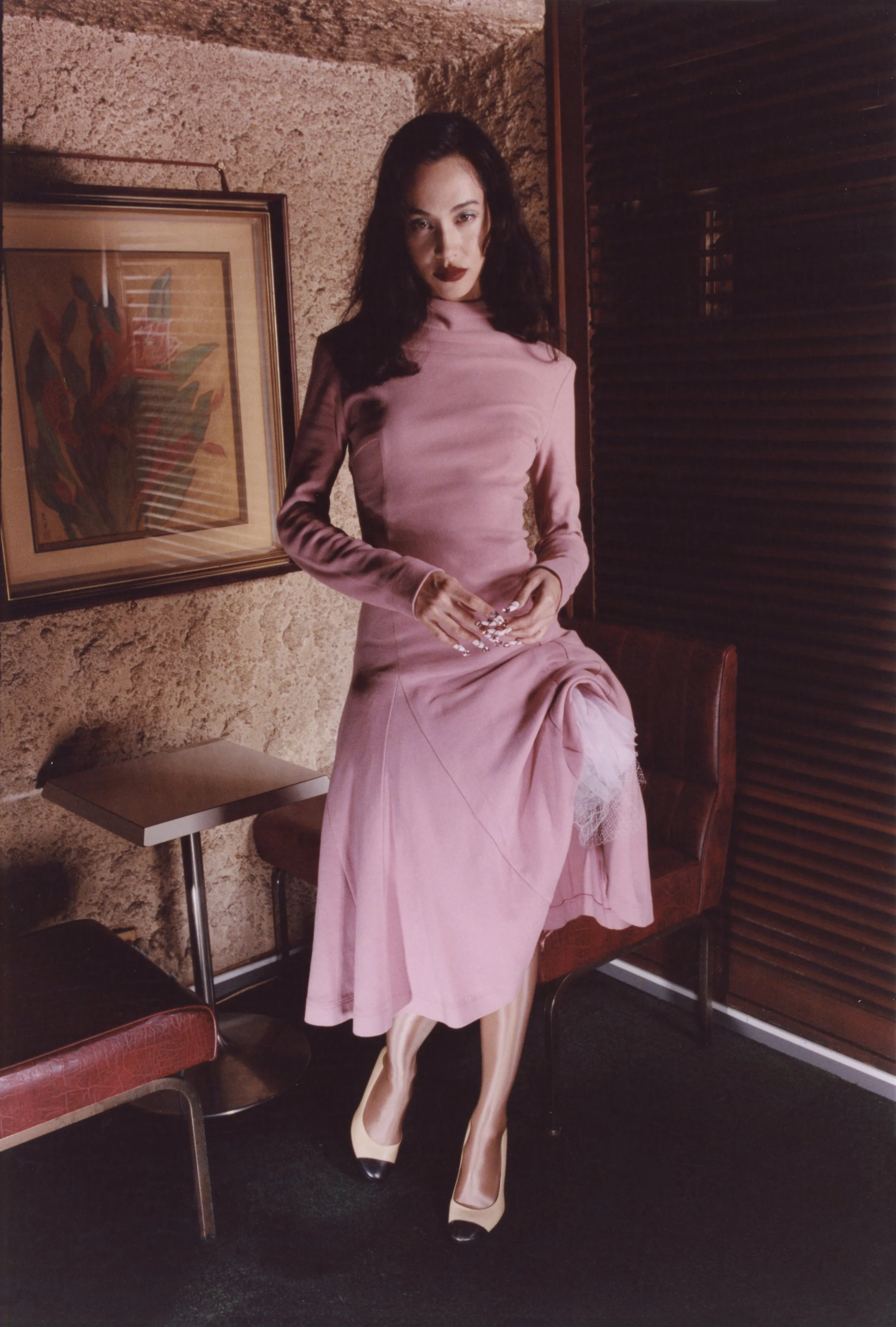
Dress: AW1999 Alexander McQueen from ZSC2049 | Skirt: ansdotsloevner 26AW | Tights: stylist’s own | Shoes: Vintage CHANEL from AMORE Tokyo
“Acting is maybe the most challenging thing for me to do because it's very vulnerable and it's very raw”
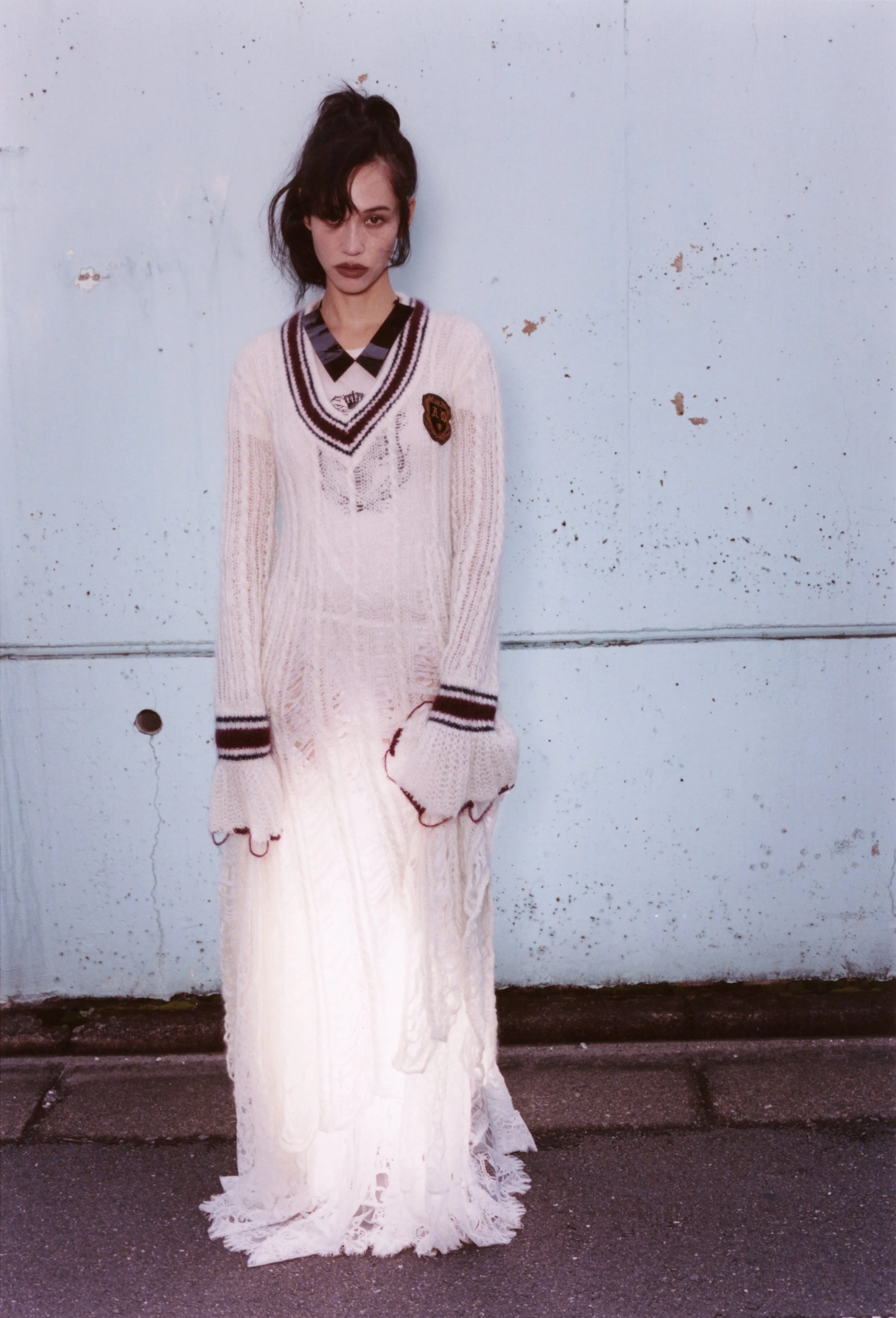
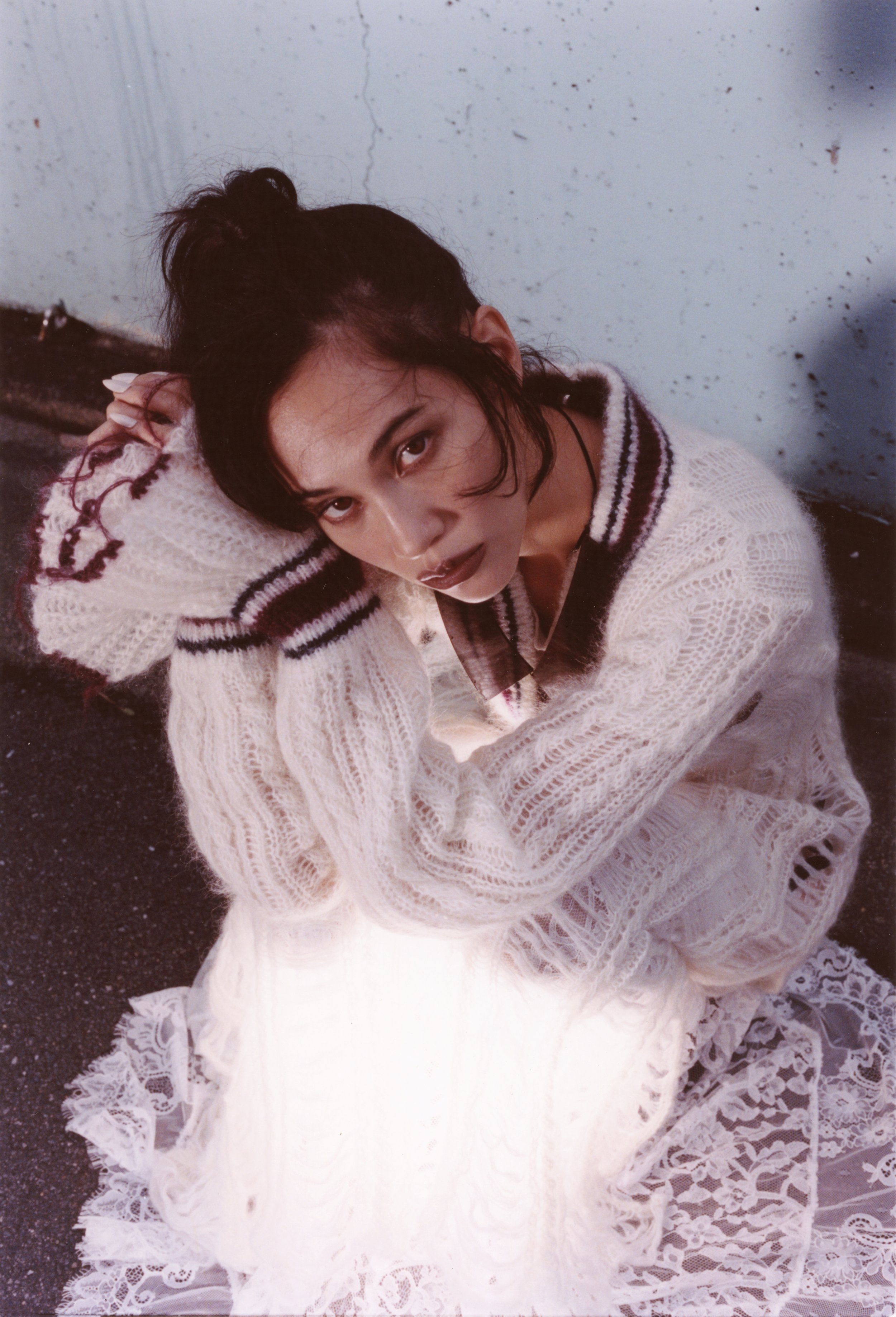
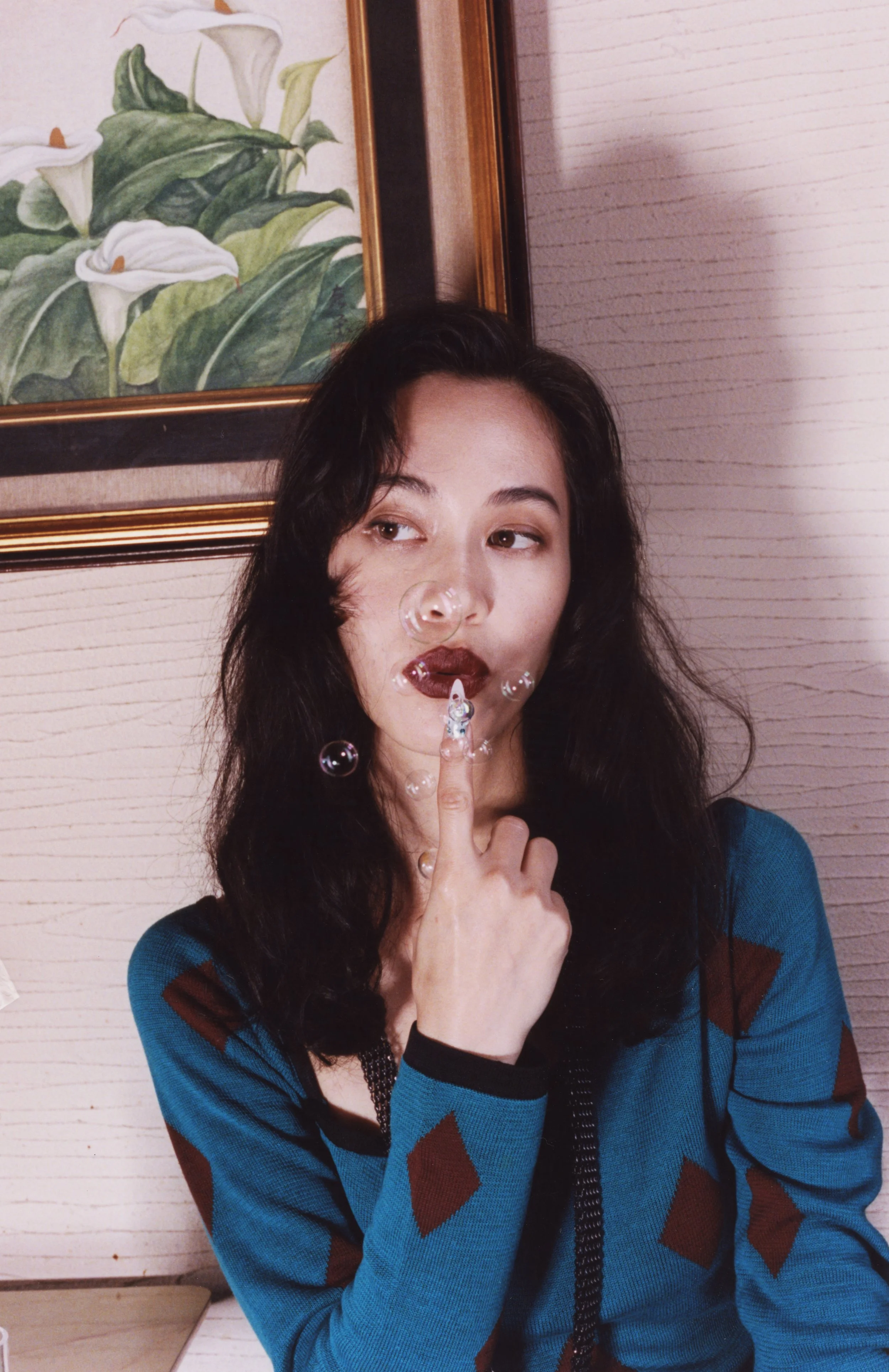
Shirt: ANN DEMEULEMEESTER 26AW | Dress: ANN DEMEULEMEESTER 26AW | Shoes: SERGIO ROSSI 26AW
This might be because a lifelong love of karaoke prepared her for this exact moment. For years, Kiko would sing in booths with her ex-boyfriend John Caroll Kirby - with her go-to songs being Stevie Wonder’s My Cherie Amour and Deniece Williams’ Free. Kirby would complement her voice and - with a little effort - persuaded Kiko to lay some vocals over songs he’d written. Soon, the pair began to write together, and Kiko’s debut single came from that partnership. “It’s sad that we're not together, but at least, we were able to make something really beautiful,” she reflects. “I'm really happy that we’re sharing this with the world.”
While releasing music came to Kiko almost by accident, she’s also tried to be more intentional as she traverses her thirties. “In my 20s, I did a lot of things that I wasn’t really trying to - I did a lot of TV that I was not really inspired by - just as an experience,” she says. That attitude built the varied career that Kiko has today - but one that changed as she sat and reflected during the covid lockdowns.
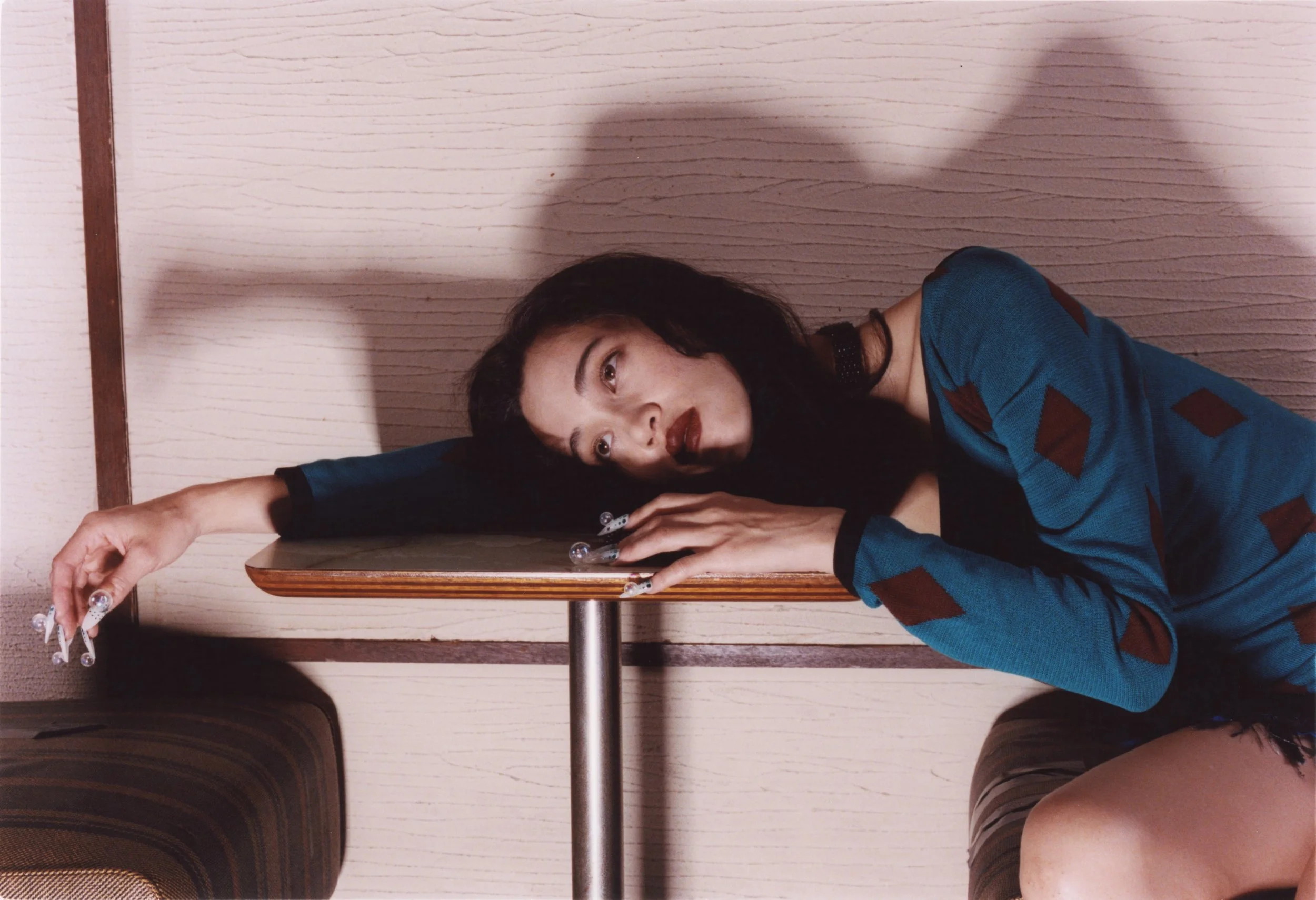
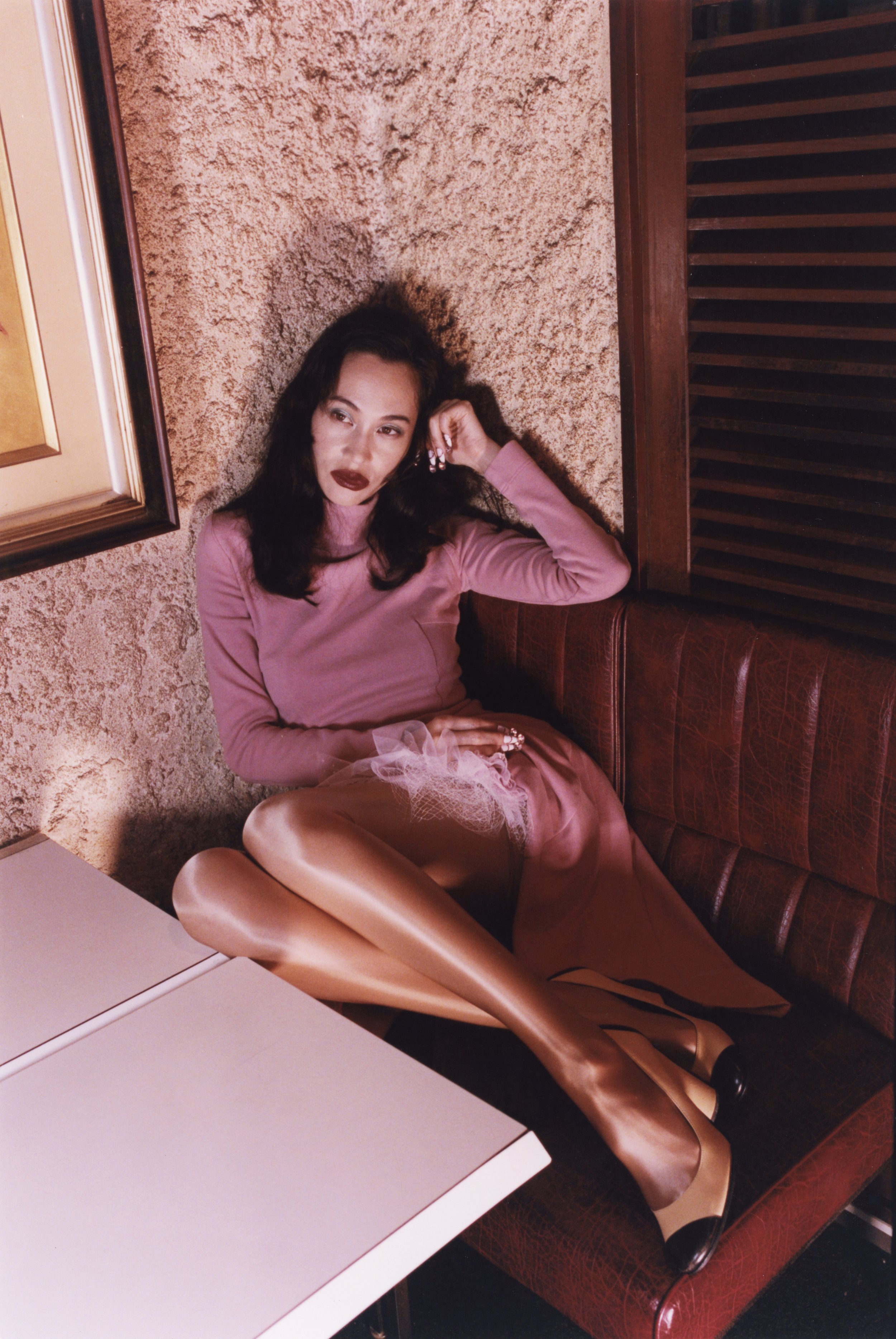
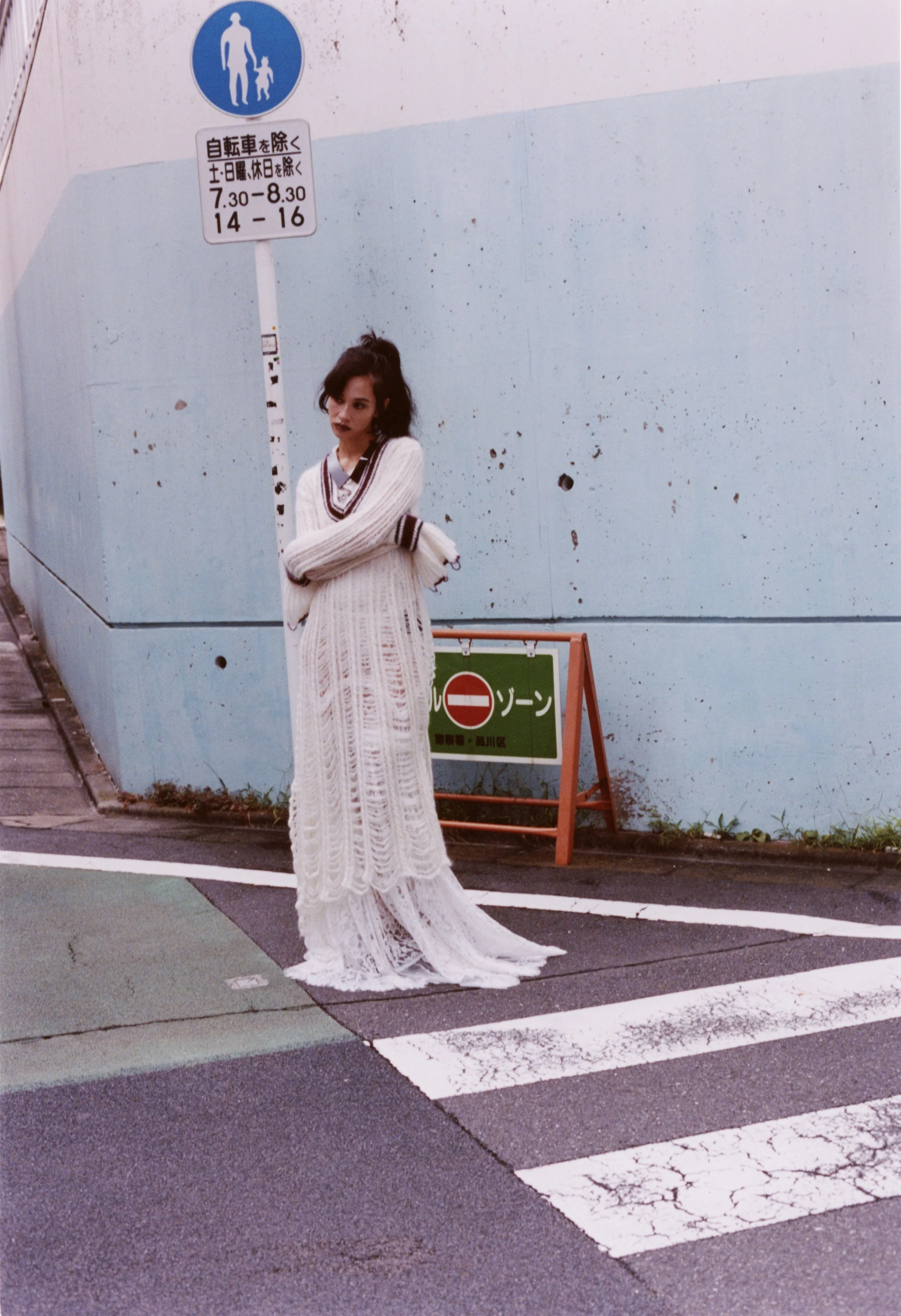
Top: 1980s Yves Saint Laurent from ZSC2049 | Bottom: SS2000 CHANEL from ZSC2049 | Shoes: Vintage Yves Saint Laurent
“It really hit me - you never know when you’re going to die,” she states. That realisation became a guiding light for her - life was a precious and impermanent thing, something that shouldn’t be taken for granted. “So, I decided not to do any project that doesn't excite me,” she concludes.
Only choosing projects that excited her led Kiko straight to Vintage Violence, Eugene Kotlyarenko’s latest film in which Kiko stars. The film, which follows a livestreamer who discovers a trunk of inordinately valuable vintage denim jeans that causes him to fall foul to the Yakuza, is two hours of pure chaos - an experience mirrored by the shoot. “It was really chaotic, to be honest,” Kiko laughs. “In the good way! But Eugene is such a unique person.”
After years of shooting in Japan, Kiko was used to finishing shoots and heading home for the evening to prepare for another long day - but Kotlyarenko had a different idea: dinner, drinks and karaoke every night. “I'm so Japanese in my core - so honestly, I was a little like: How am I gonna do this?” she laughs. “But I wanted to try something different and I was also really inspired by the bonding time that I got to have with Eugene.”
Even though it meant that Kiko had to battle through a few early-morning shoots feeling rough, pushing her limits felt like it matched her acting process. “Acting is maybe the most challenging thing for me to do because it's very vulnerable and it's very raw,” she explains. “But I want to continue acting forever, because I can use all my life and my experience.”
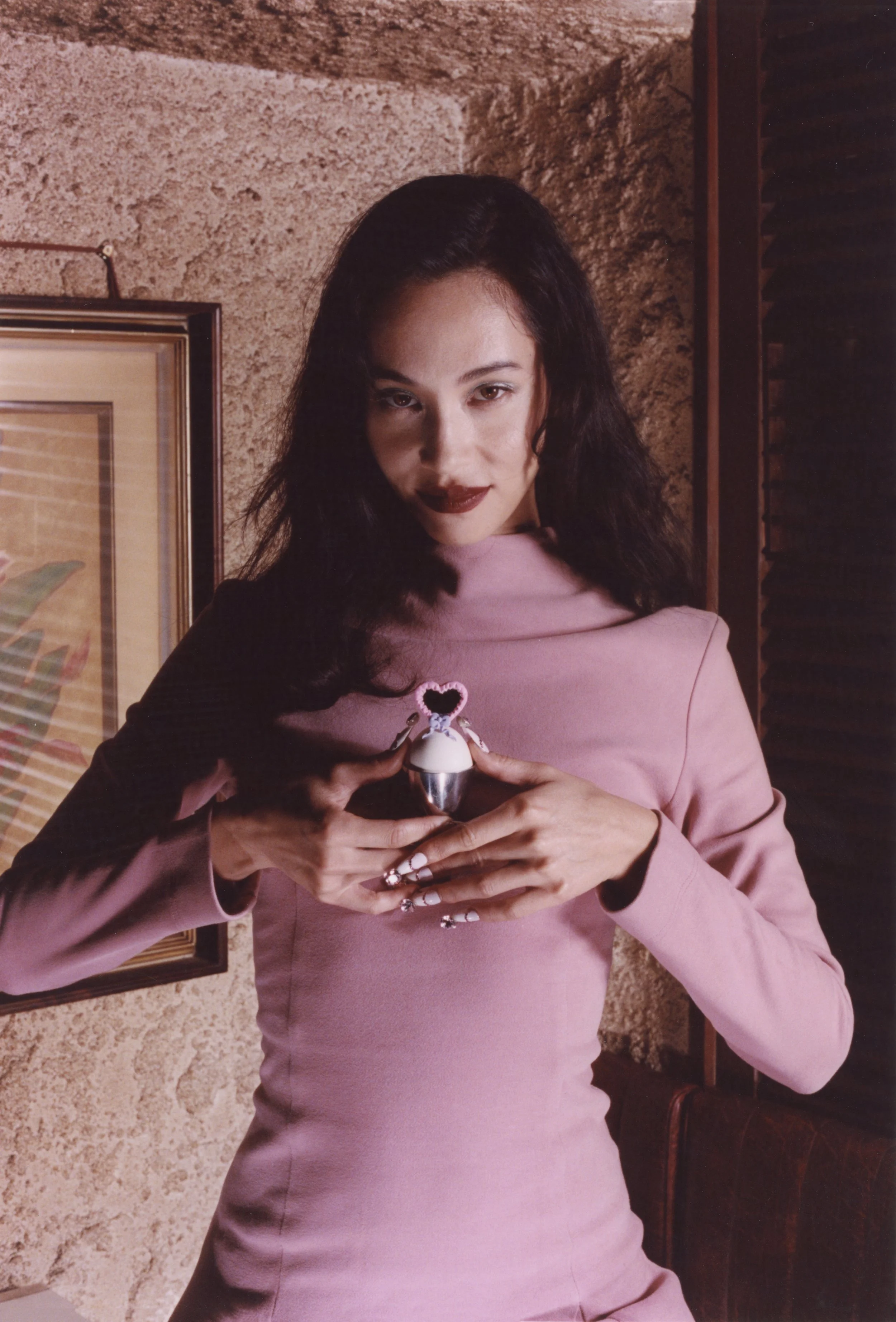
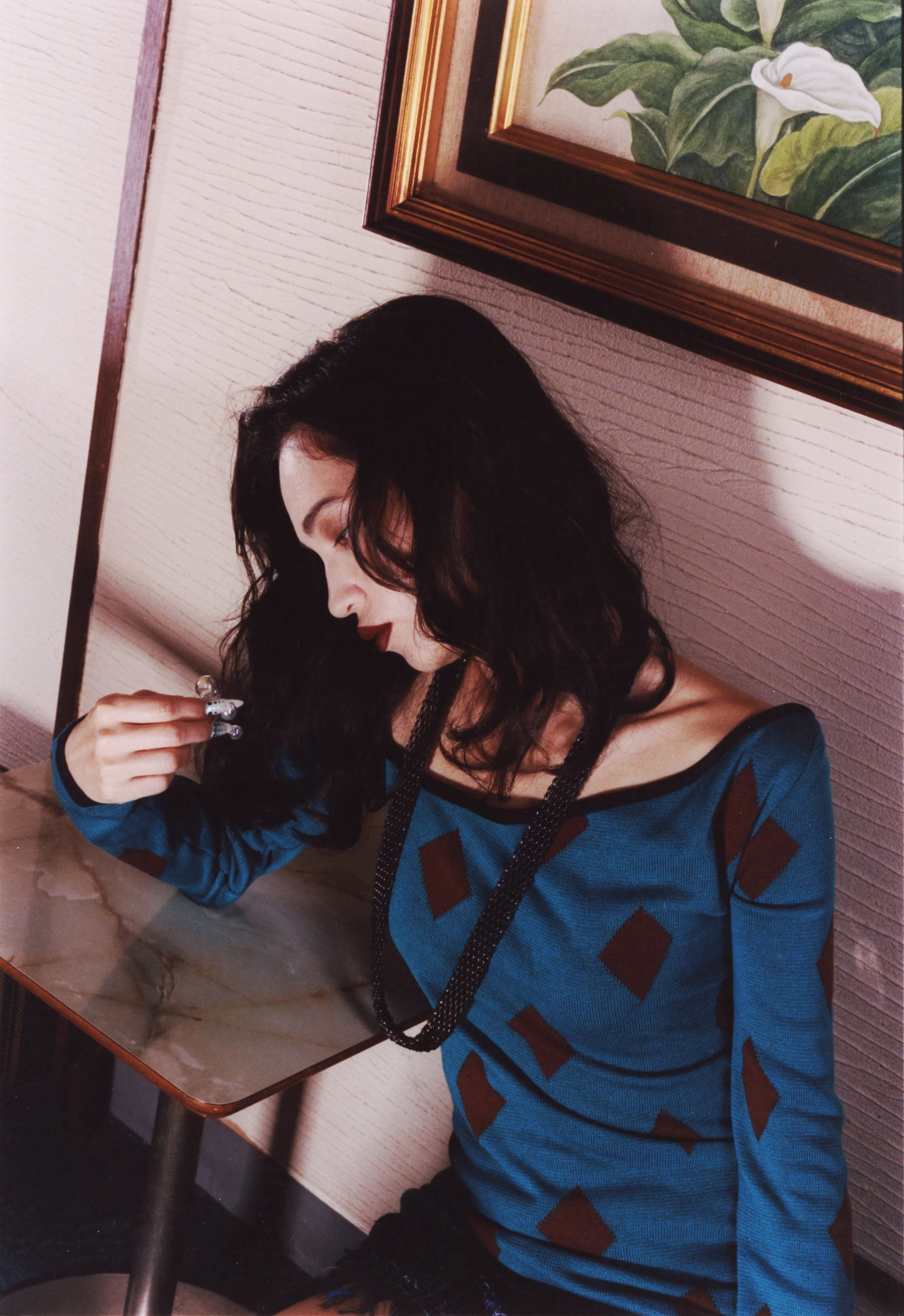
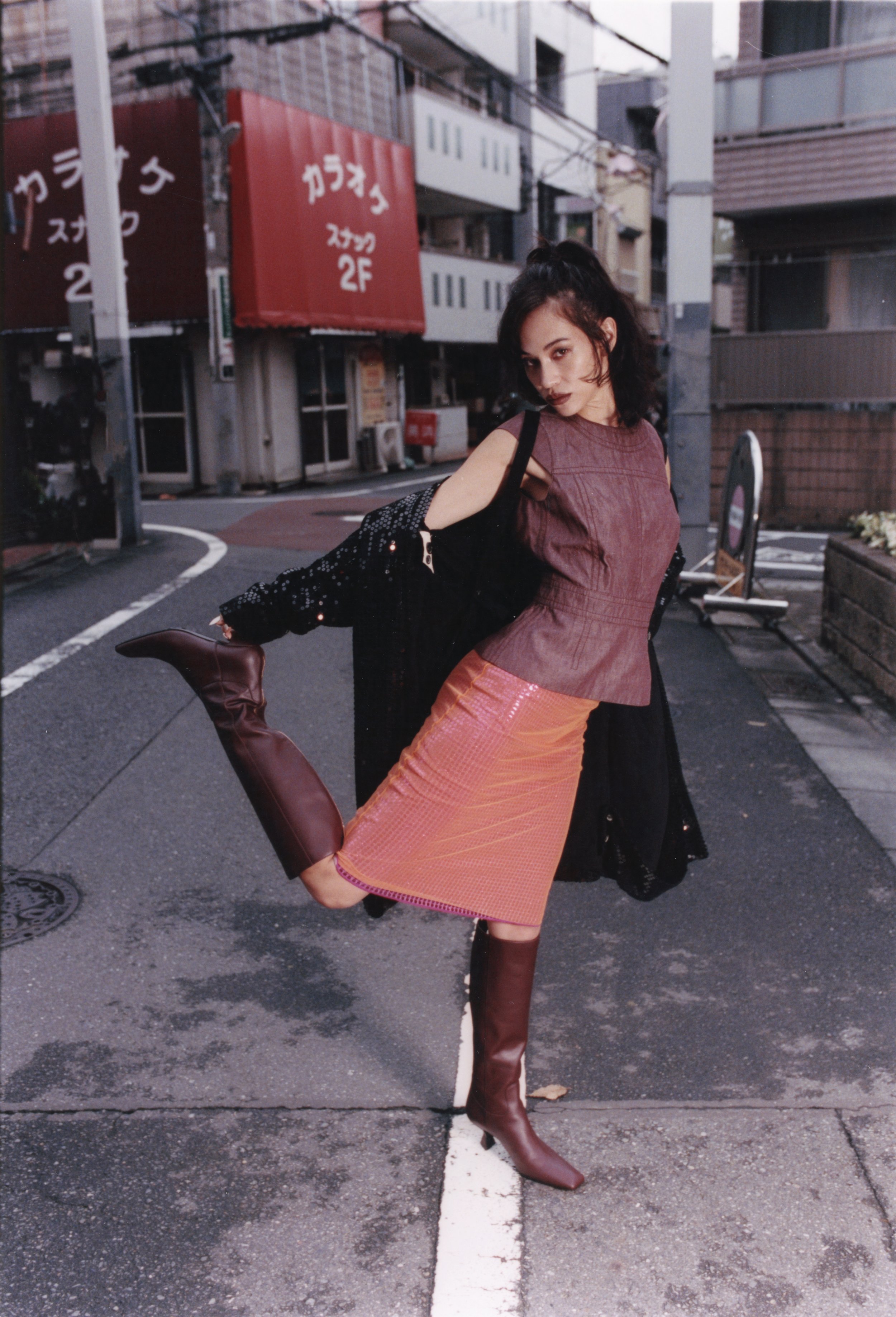
Kiko’s childhood was a unique one - she was born to an ethnically Korean mother and American father, who divorced when she was a baby. As she reflects on her youth, there are a lot of mixed emotions - yet not all were processed at the time. “My mom is a Buddhist and she’s always optimistic. She always tried to focus on the positives. So, I feel like I wasn’t really allowed to tap into my pain or the sadness,” she says. But after digging deep for three roles this year and breaking up with her boyfriend, she’s started to develop a relationship with the other side of her emotions. “Life is not only the positive,” she considers. “It’s actually kind of a gift that I’d have these experiences, because for my job it's so important to know all types of emotions.”
Acting wasn’t only vulnerable for Kiko emotionally, but also as an employee. When she spoke with other actresses, she’d always hear horror stories. “My friends would tell me: we had a sex scene, and the actor didn't want it to put tape on his dick because he wanted it to feel real,” she recalls.
“Life is full of magic. You just keep following your dreams and the things that you love and someday everything will pay off.”
It wasn’t just stories either, Kiko herself experienced similar treatment when she shot Ride or Die, a film about a lesbian who kills her teenage crush’s abusive partner. “I was not a really big fan of the director, but I decided to do it as practice - but this producer was just a pervert,” she remembers.
Kiko was asked to take part in sex scenes fully naked - but after she researched, she found out that wasn’t industry standard. After she told the producer she was uncomfortable, she was met with even more requests. “He tried to negotiate. He would say: If you don’t show your bottom half maybe we could shave pubic hair and put a wig on so that we can show fake hair?” she recalls incredulously.
Ride or Die was a Netflix production with international working practices and Kiko knew that other countries had ways to protect actors, and so she asked for an intimacy co-ordinator to be brought on set. “At the time, nobody knew about intimacy coordinators in Japan, but now it's a very common thing. I'm really happy that I was able to make that happen,” she smiles.
Her advocacy didn’t just stop during the shoot either. After filming had wrapped, Ride or Die’s producer was accused of sexual harassment by two younger acts from a different film. “They were young and nobody really knew about them, so nobody was really paying attention to the news,” Kiko recollects. With her experience in mind, but also those of all the other actresses she talked to, Kiko supported the actresses in the press and told her own story to the tabloids. “I raised my voice to stand up for these young actresses that bravely spoke out and called him out,” she adds.
Standing up for actresses - and particularly those young actresses - felt important to Kiko because she can still remember her start in the industry. “When I started modelling, I was never the main character. I was the girl on the corner,” she remembers. As a teen, she spent hours flicking through magazines - but she could have never imagined a normal girl would be able to embark on the career she now calls her own.
“Life is full of magic,” she advises. “You just keep following your dreams and the things that you love and someday everything will pay off.”