Rachel Moss’ Guide To Turning Your Bedroom Into A Personal Archive
Words: Ally Reavis | Guide: Rachel Moss
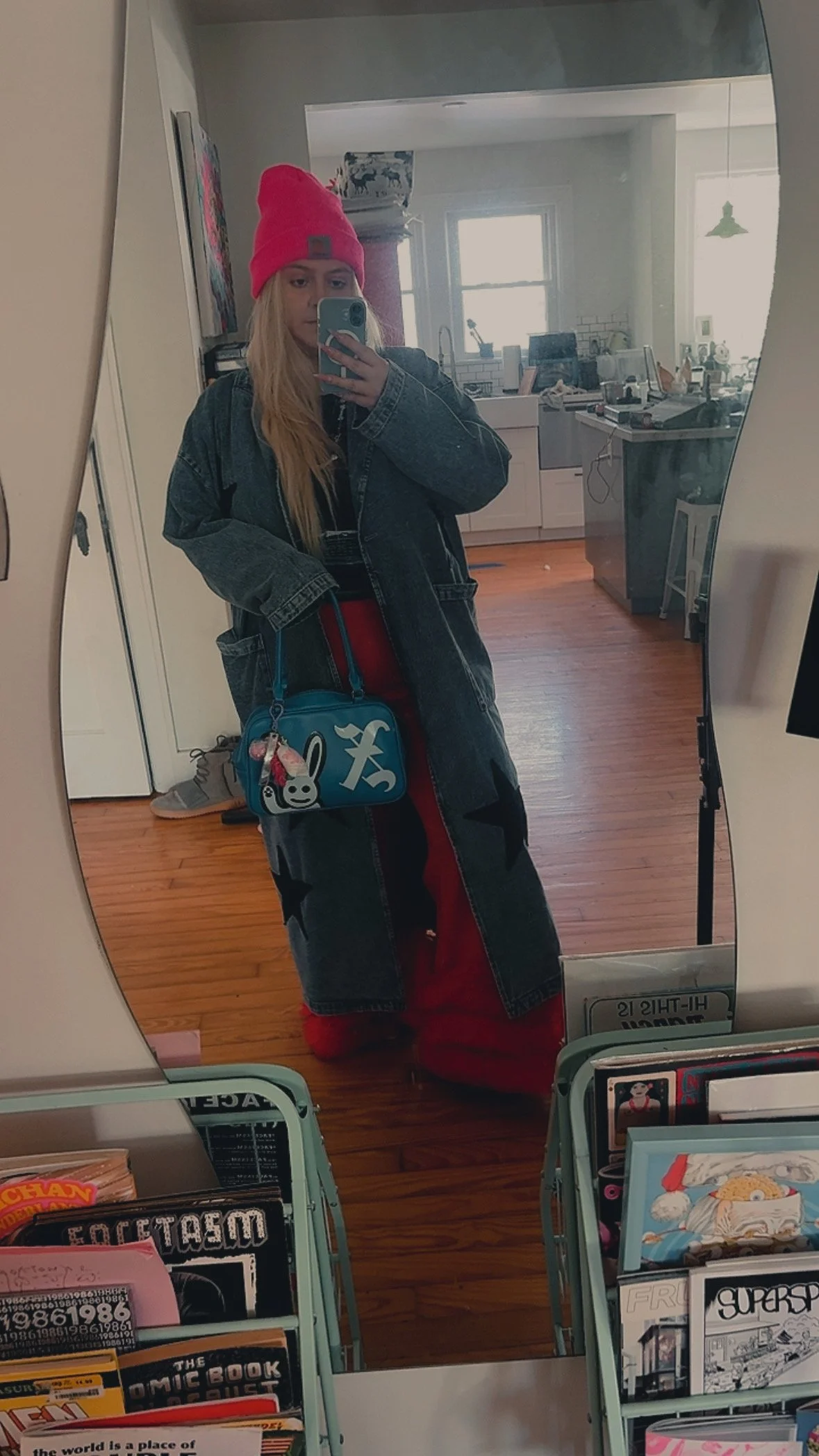
If you were a girl growing up in the 90s or early 2000s, picture your teenage bedroom. Were there CD stacks? Magazines and tour posters? Was it a mess? Writer Rachel Moss says this "girl mess" is magical – every item a token of our undying girlhood. Moss is an expert on girls’ bedrooms. She literally wrote her dissertation on it while getting her doctorate.
Third wave feminism with its emphasis on DIY awakened Moss as a teenager, and she has been mesmerized by how girls use their bedrooms as spaces to collect media ever since.
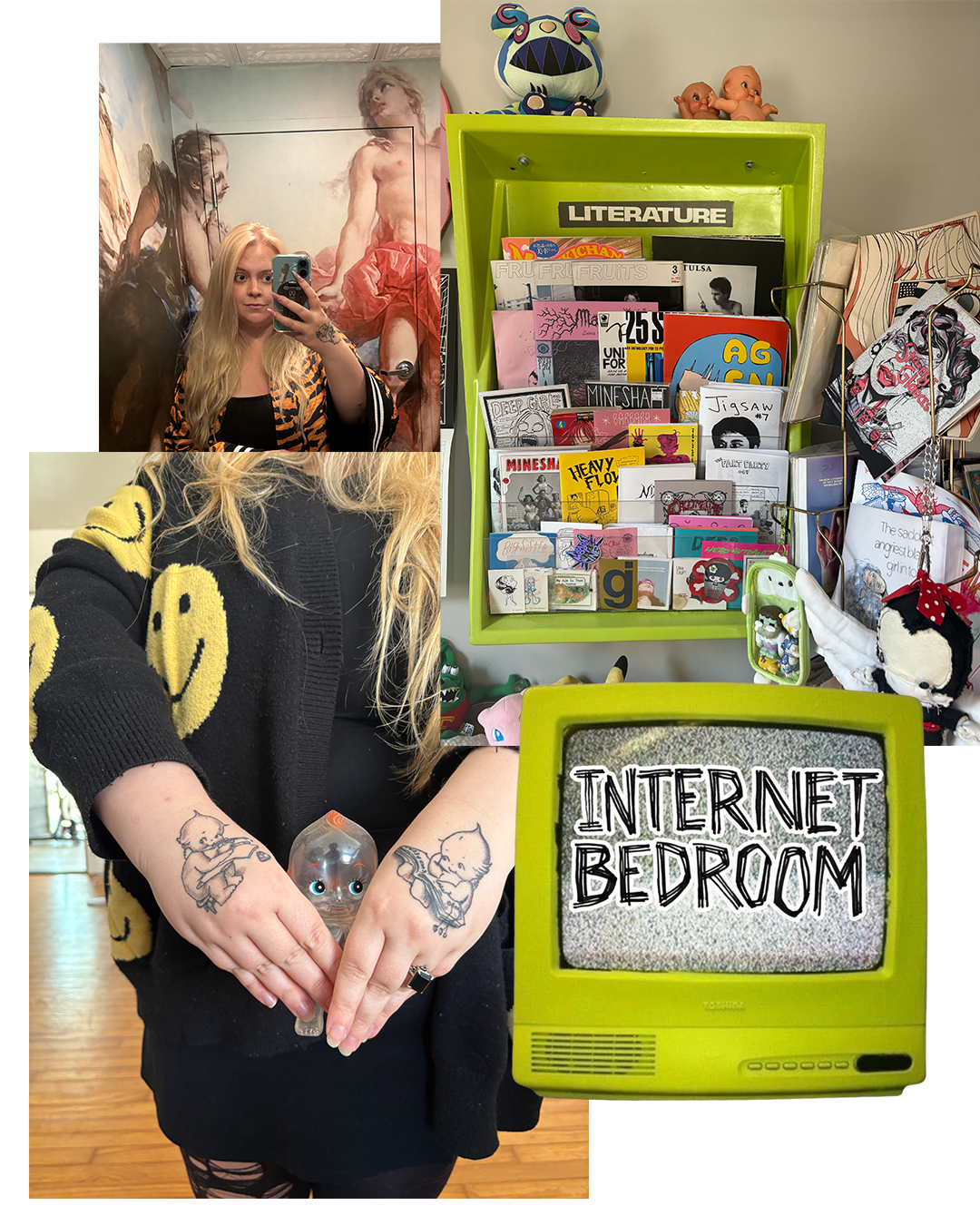
She just self-published two books on girls, nostalgia, and bedroom culture: In the Girls’ Room: Essays on Bedroom Culture from the 90s to Now, and The Internet is Our Bedroom. Her Substack newsletter, Internet Bedroom, is a cyber-zine devoted to the same topics.
These days, it can feel like personal taste is just an extension of our algorithms. But Moss argues that collecting physical media helps us reconnect with the power to decide what matters to us. We can make our bedrooms sacred like they were when we were girls: a museum of what we deem valuable and a reflection of our inner world.
Physical Media > Digital (Sometimes)
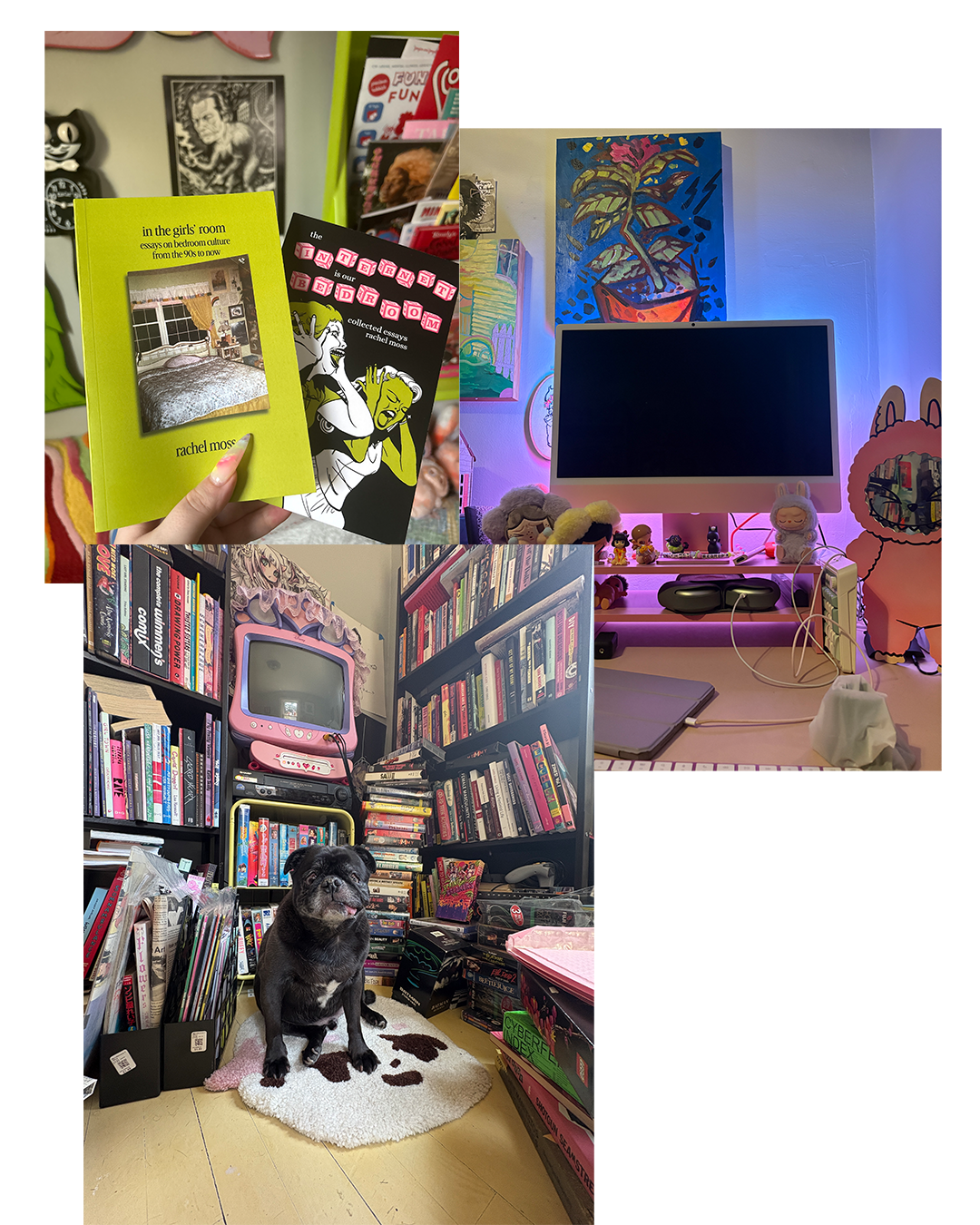
I have all these folders of topics I'm tracking on social media. But it’s rare that I return to these folders and re-watch that media, unless I’m writing about it. Physical media requires you to sit with one object and engage with it in a way that feels less fleeting than digital media does. With a phone, you’re always craving something new. Whereas a personal archive you build of things you love invites revisiting and re-engaging. I’m not saying I’m anti-phone at all, but it’s important to spend time with personal material objects. You’ll learn a lot more about who you are by doing that.
Get a Library Card
There’s this misconception about creating a personal archive that you need to go out and start buying stuff immediately. But the starting point has nothing to do with shopping or collecting physical items. Learn what you actually like. Go into the world. Engage with the media and culture without necessarily buying anything. I would start at the library. It’s not just books – they have movies, cassettes, and CDs. Some libraries even have zines now. My mom was a librarian, so I always got stuck at the library. I would go through the CD racks, check out like 10 CDs every week, and listen to them from start to finish on my bedroom floor. Slowly, I started buying CDs and records that interested me. But the first step was really exploring what I liked. Used bookstores, thrift shops, and low-cost options let you start rummaging through things to figure out what inspires you and what you actually enjoy.
Slow Down
When you’re younger, you have a lot of free time. As you get older, time weirdly gets very short. There are so many demands on our time, and our phones make it feel like we have so much to do. But when I check out, it’s really easy to feel like I’m back in my teenage bedroom. I’ve never regretted spending an afternoon listening to a record, reading a zine, or watching a movie even if the movie turns out to be bad.
Follow Your Infatuations, Not Fads
With the turnover rate of trends, it’s important to pause and think about why you want certain objects in physical proximity to you in your archive – your bedroom.
Think: "Why do I like looking at or listening to this? What is it about this band that I enjoy listening to?"
Sometimes, our reasons for wanting or buying certain items are trend- and algorithm-driven. Instead, I would think about how objects tie you to a memory, a feeling, or something you’re learning about and are obsessed with.
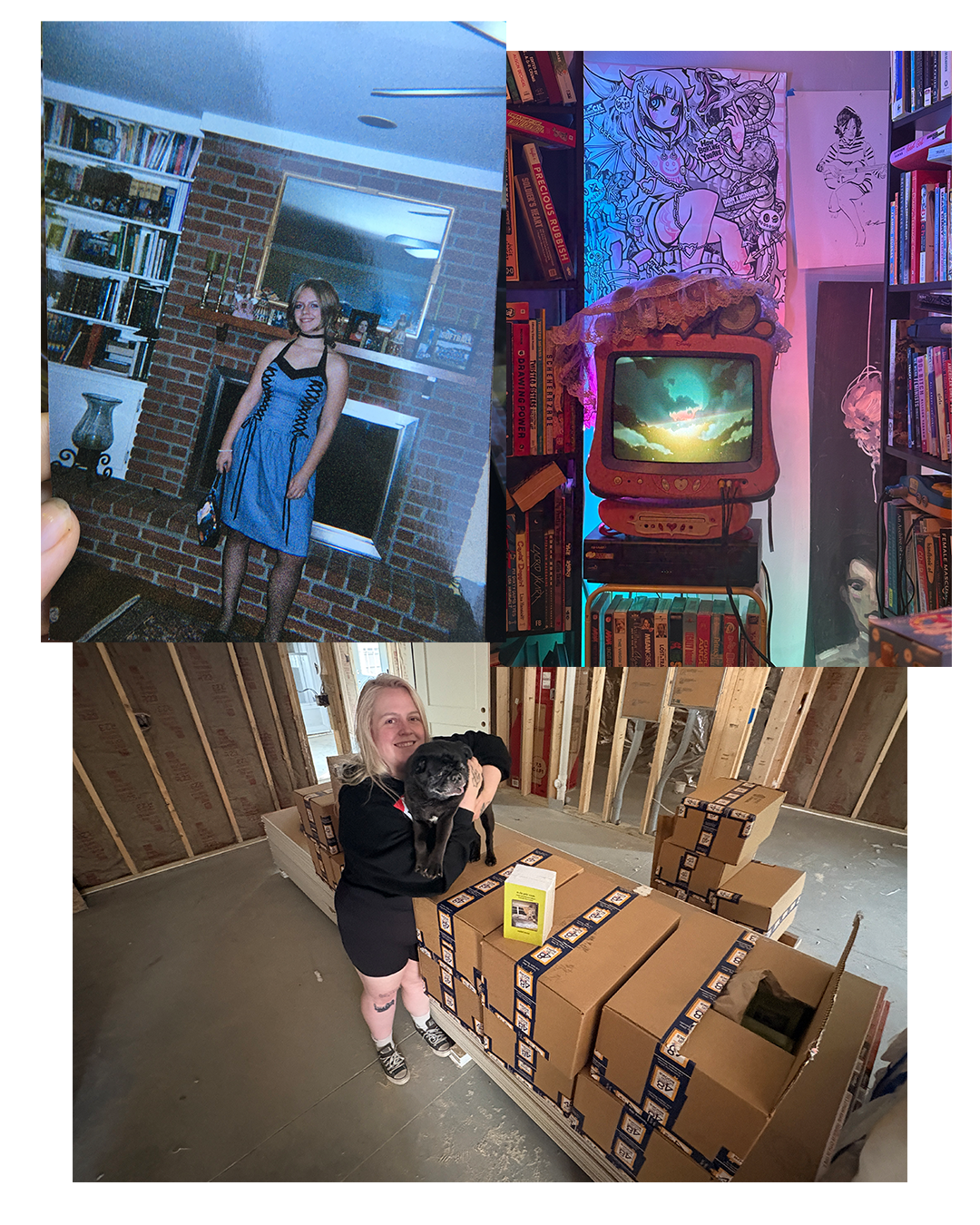
Chase Your Hyper-Fixations
Let yourself uninhibitedly explore your obsessions. If you find something you like – a painting, a zine, a song – let that obsession guide you to the next thing, because that’s how you build an archive of stuff that you love that’s personal to you.
Culture and media are something that we can curate and make connections between, and doing so puts you in a better position to be an artist, to be a writer, to be a painter, to be a musician. These people have their own little collections of influences and inspirations.
I haven’t yet met an artist who’s just like, ‘Yeah, I don’t know. I’m not inspired by anything.’
Don’t Be So Serious
You don’t need to have a reason to be fascinated with something.
I have two paintings from the Jem cartoon in my office. People will say, "Oh my god, Jem!" It’s weird because I never watched Jem growing up. I just liked how those art pieces looked.
Then I found some Jem cartoons on VHS, and now I’ve watched the show. I’ve learned about it, but it started with these art pieces that I was like, “I don’t necessarily know these characters, but I like the aesthetics. And I want to figure out where this is coming from."
You don’t have to have the deepest connection to an item. You can bring an object into your personal archive and build from there.