Rebekah Sherman-Myntti's Guide to Not Waiting for Permission
Words: Gina Tonic | Guide: Rebekah Sherman-Myntti
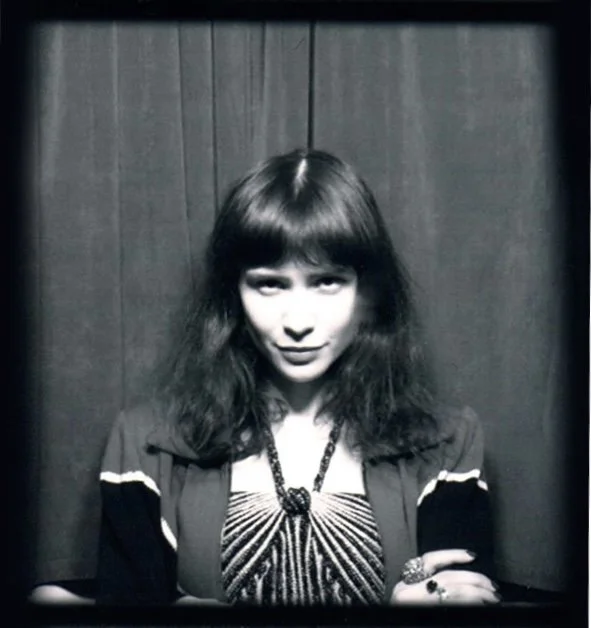
Rebekah Sherman-Myntti has been paving her own way for years. From deciding she was a producer - in order to become a producer - to starting her own film festival in New York when she spotted a need for a space where “filmmakers and musicians could be seen in a meaningful context, where new work could sit beside work made by older or more established artists”, she has never taken no for an answer. Or rather, she has never waited for permission in order to take the lead on creating change for her own life and for those around her.
When choosing the topic for her guide, Rebekah summed up the reason for wanting to promote self actualisation beautifully. She says, “I think a lot of artists are conditioned to believe there is some person or institution that eventually gives you permission to become what you want to be - someone finds you, hires you, finances you, selects you, represents you, validates you. Those things can obviously be incredibly helpful, but if you wait for them before you begin, you can spend years standing completely still.”
She continues, “To me, not waiting for permission means asking - what can I actually make, build, organise, or initiate with what I have literally right now? It’s not about pretending you don’t need other people. Filmmaking is profoundly collaborative. It’s about not allowing someone else’s approval to be the prerequisite for starting doing what you want to do.”
While not waiting for permission sounds like something we’d all like to do more of, the director and producer has taken the time to lay out the best ways to go about it in the following guide.
Self Advocate Always!
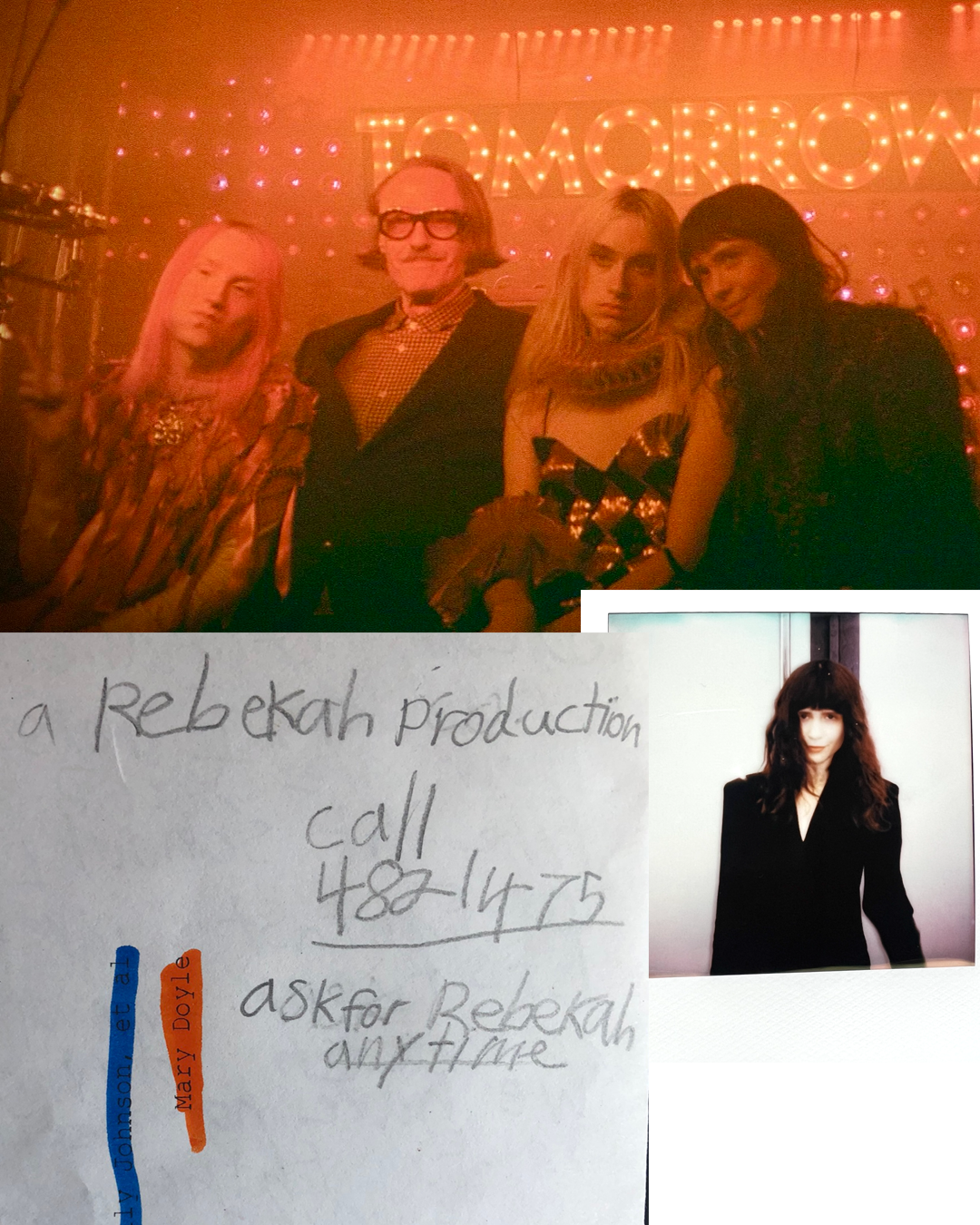
No one is ever going to care about your work or what you do as much as you do. That sounds obvious, but I think it’s something you really have to internalise. You have to be able to explain why you care about something, ask people to come on board, follow up when you don’t hear back, make the call, send the email, ask for the meeting, and not feel embarrassed by or shy about your own ambition. It’s something I’m still working on.
I think especially as a woman, there can be an instinct to downplay yourself or make yourself smaller, and I’ve been consciously working to unlearn that. A lot of advocacy is just being willing to be visible about what you want and persistent enough to keep pushing something forward without taking every rejection personally.
Embrace Collaboration
There’s something magical about watching an idea that started privately in your head become something much bigger because everyone brings their own specific thing to it.
Getting to see that alchemy happen up close is one of my favorite parts of making films. Both on the directing and producing side, I love watching an idea grow and evolve and become more than anything one person could have made alone.
Take The Bad As Inspiration
Remember: The lows are all mostly structural. Like how difficult it can be to finance independent work, how long projects can take, and how much rejection and uncertainty are built into the entire process. You have to learn how to keep going when there can often be very little external validation telling you that you should. I always remind myself that so much of all of this is an endurance test!
Just Start!!
Making my first feature is one example of when I gave myself the green light. We were in our mid-20s and decided to leave New York City and move to my co-director’s family’s cabin, take on commercial video work and save our money to fund the film ourselves. It’s rare for kids in their mid-20s to get a check for their first film so we decided to do it all totally independently. That film was a real education in every facet of filmmaking and I feel really lucky for the experience. I learned so much. I know people who are still waiting for someone else to tell them they’re ready, and I think at some point you just have to decide to begin.
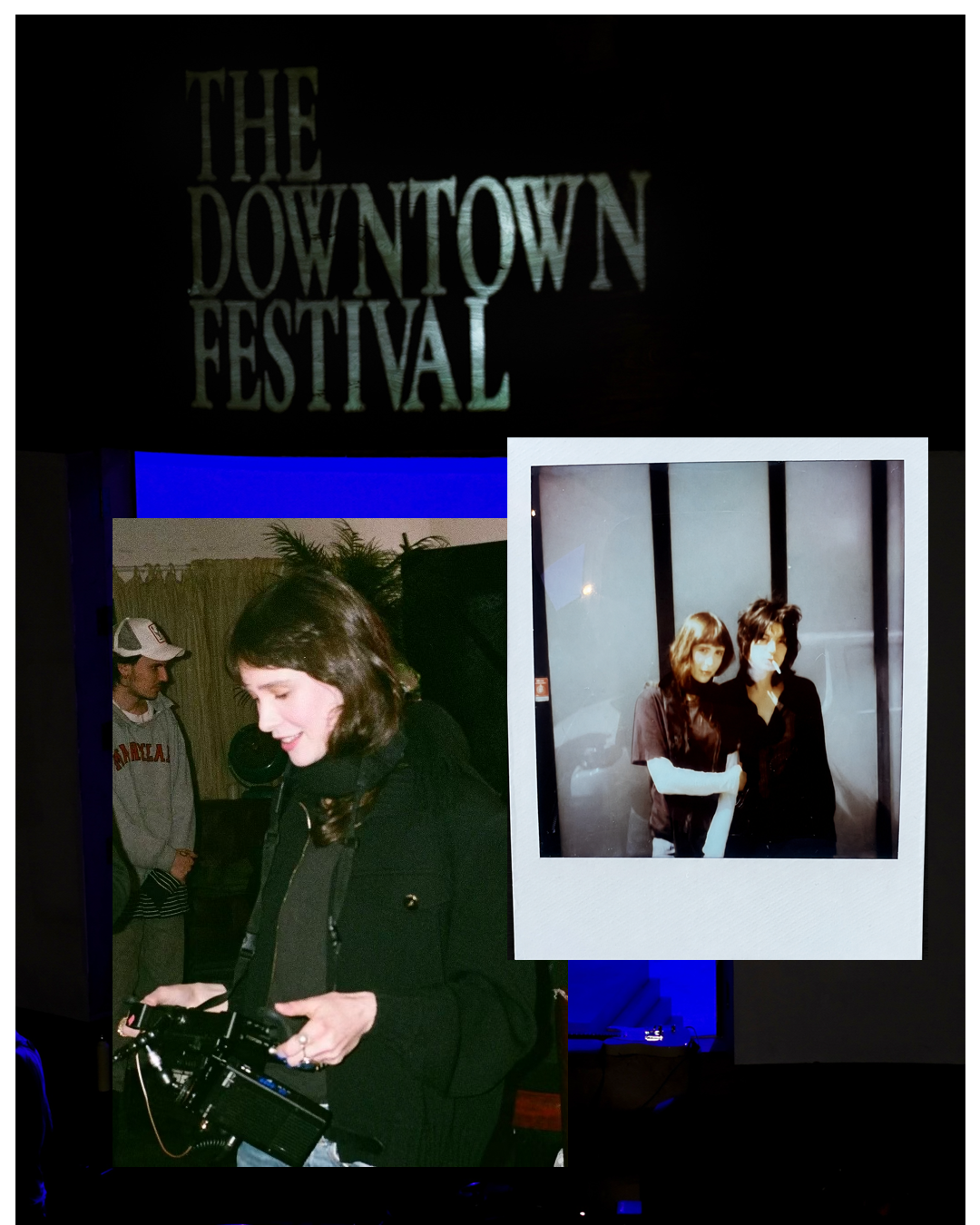
Starting The Downtown Festival was another version of that. No one asked me to start a festival and there wasn’t an institution behind me telling me I was qualified to do it. I just had a very clear idea of what I wanted it to be and I saw and felt the need for it. So I started involving people I knew would believe in it and want to support it.
That’s been true of a lot of my directing and producing work too. Sometimes giving yourself the green light is simply deciding, “I’m going to make this,” and then working backwards from there - finding the collaborators, the resources, the location, the audience. The conditions are almost never perfect when you start, but you have to start!