Sparklmami on Finding Her Voice, Character-Work as a Means of Self-Discovery, and Musical Worldbuilding
Words: Elif Türkan Erisik | Exclusive BTS: Sparklmami
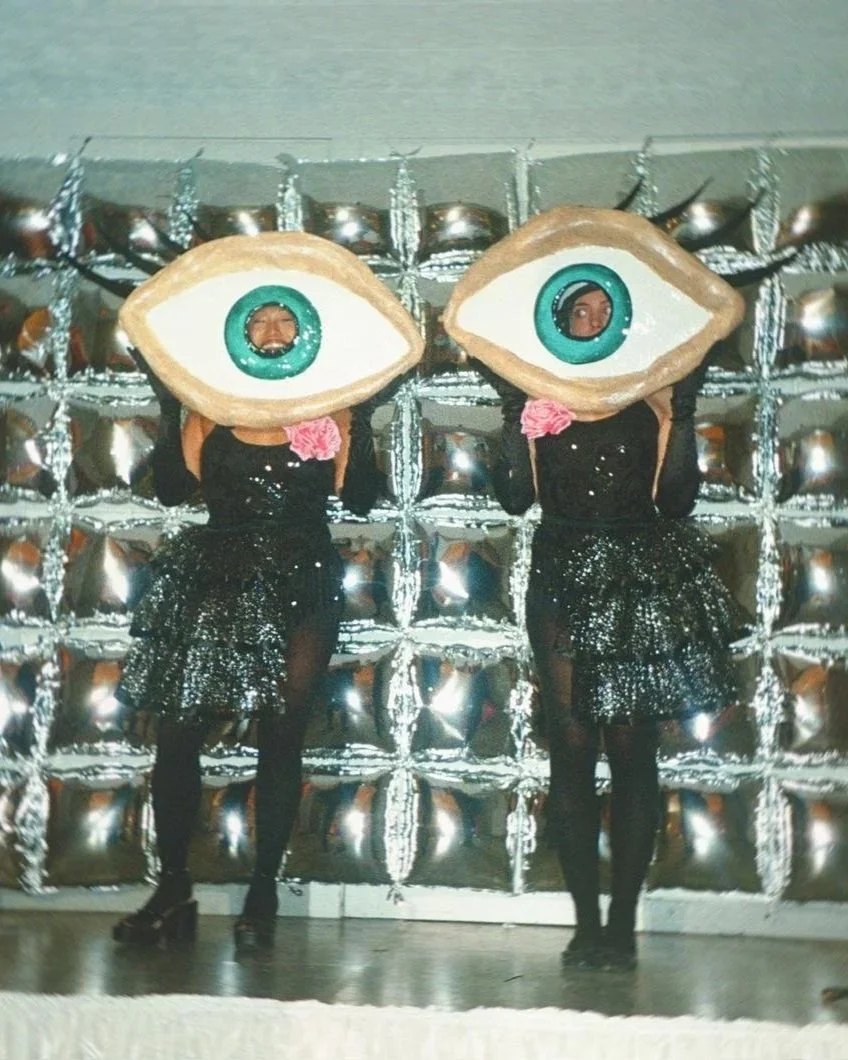
Chicago-based visual artist and musician Sparklmami opens her debut album In This Body with a cheeky nod at the immersive musical world she has spent the last five years building across nine songs.
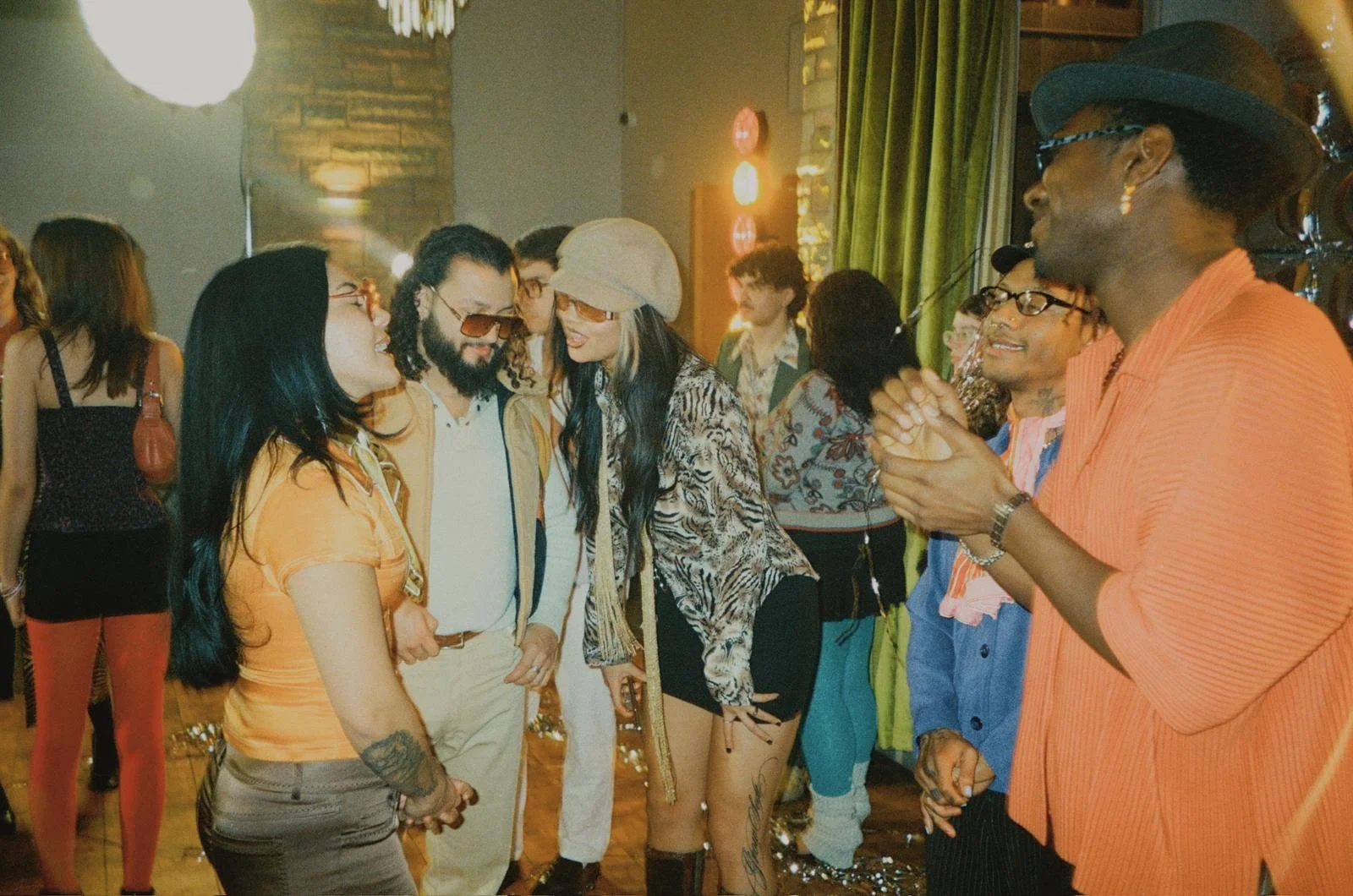
“You’re listening to Sparklmami radio/ Where anything is possible/ Your dreams come alive/ And your fantasies too” she coos over a lush arrangement of funky bass, sparkling keyboards and jazzy saxophone. Listening to Sparklmami’s half-hearted pleas to a forlorn paramour to not leave her in no te vayas, one gets the impression of a drunken lover begging her partner to not desert her on the dance floor. Coupled with the oh-so-seventies music video featuring roller skates, afghan coats & bedazzled leotards, the opening track crescendos to a glittering climax setting the tone for the rest of the album: lavish production with sparse yet introspective lyrics that speak from the heart.
Sparklmami who is turning thirty this August – nobody tends to assume she’s a Leo as she makes a point of telling me – has always wanted to make her own music. When she was twelve, she used to sing in a youth band with her cousins, and it took her a decade after leaving the church to find her voice again. In the meantime, she had gone to art school, made life-size dioramas of her childhood home and worked as a makeup artist in Chicago’s downtown music scene. Her debut album In This Body, which marks Sparklmami’s long overdue return to music, is a testament to her improvisational prowess, evocative songwriting and ability to channel herself through characters.
Hi Sparklmami! Congrats on your debut album In This Body. Could you let me in on what it was like to embark on this project?
Sparklmami: Thank you! I've put the past five years of putting everything of myself into this album and I’m very excited for it to be out in the world. Before I started making music, I was channeling my creativity through other pursuits. I have a BFA from the University of Illinois and sustained a visual practice that was mostly centered around performance art, video work and ceramic sculpture.
For a while I worked as a makeup artist, which was my entry point into the Chicago music scene as I spent a lot of time doing makeup for local artists. I always knew I wanted to make my own music, but it took me a while to pluck up the courage to start singing again. I had written some songs here and there. And then I received a grant from the city of Chicago to record an experimental graphic score performance. That was the first time I got to play live with a band. We performed with these green morph suits and pink wigs on so no one could see each other while playing. That made us lean into the art of listening to each other more and improvising. After these live sessions I went back into the studio with my executive producers Eddie Burns and William Corduroy to flesh out some of the songs we were working on.
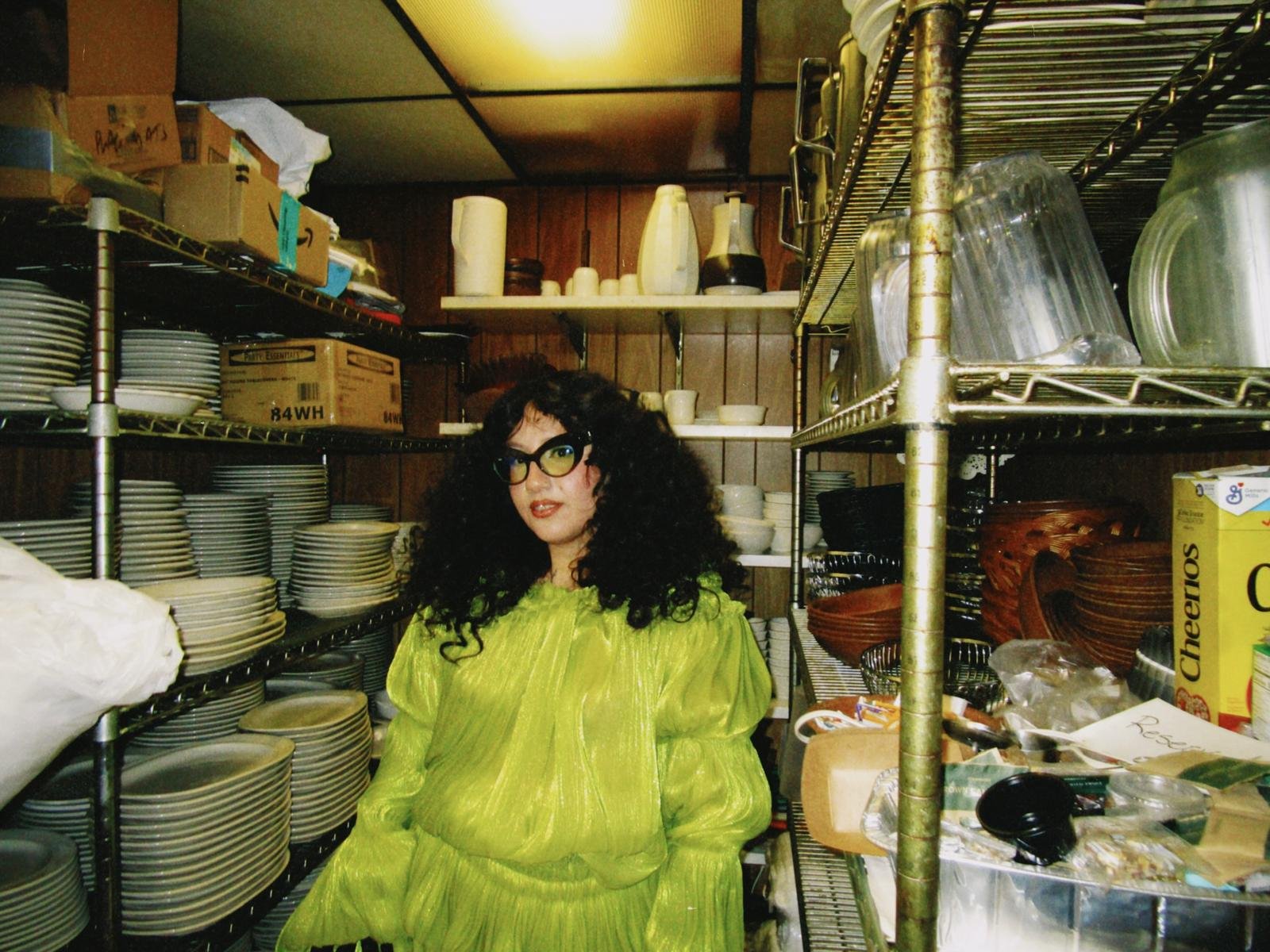
“There’s a certain level of grief that comes with reckoning with the fact that sometimes our parents are not who we need them to be. People can only meet you as far as they've met themselves. So that song for me is the culmination of all these big feelings and a complicated love letter to my mom.”
What made you choose Sparklmami as your stage name?
When I was in art school in 2016-2017, I would go to a lot of shows and basement parties with my friends where everybody would introduce themselves as their Instagram handles and lean into their online personas. So, that’s when I started introducing myself as Sparklmami and using my online self as a means of creative self-expression and experimentation. Kind of like how I did with makeup and wigs when I was working as a makeup artist.
I’ve always enjoyed doing character-based work. Putting on a shitty British accent or channeling a different personality during the creative process helps me worldbuild and expand my artistic practice as a musician. For example, I have this therapist character called Dr Laura, who I channel when I perform, and we have a live therapy session on stage. For me this kind of roleplay provides a way of working through lived experiences and existential questions through an absurd and satirical third-person perspective.
The cover art for In This Body shows you sitting on a chair in what seems to be a poofy white dress in oversized latex gloves with long fingers and cartoonishly giant feet. What do these evocations of the body both in the album title and the cover represent to you?
To me being in this body involves an element of reconnecting to my voice after a decade of not singing. It’s representative of the way that I was able to come back into myself while at the same time allowing me to expand artistically and worldbuild through my music. A lot of the artists that I admired when I was in art school are known for their ability to worldbuild like Cindy Sherman, Jacoby Satterwhite and Shanna Moulton. That has always felt very utopic to me. So for the album cover I really wanted the visuals to channel a very specific feel that was textured yet simple. I was inspired by the Mexican family portraits from the 1900s, where people look very stoic into the camera and I wanted to subvert that framing by smiling directly into the camera.
How did your cultural heritage and the genres you grew up listening to influence your music?
I’m Mexican on my mother’s side and Indian on my father’s side but I was raised culturally Mexican. When I was making the record, I pulled a lot from what I was familiar with and grew up listening to at home– like Mexican bolero. But there are also a lot of genres that ended up influencing the songs on the album that I discovered in college like Brazilian jazz. So, the record ended up channeling the past into the present in a way through its musical influences.
Some of the songs [like Quisiera] are quite specific to your lived experience of finding your voice (literally) as artist and a young woman. And there’s a lot of pain that comes with that process of letting go of past resentments and trying to forgive loved ones who might’ve hurt you. What was it like to make yourself vulnerable through your music?
I think when I made Quisiera I was at a time in my life where I felt very disconnected from my mom and was processing a lot. Relationships are complicated and I think now that I’ll be turning thirty, I reflect on when I made that song and see that a lot has changed. I made this album in my twenties, and I think my ability to show compassion and empathize has helped me understand people who have hurt me in the past.
There’s a certain level of grief that comes with reckoning with the fact that sometimes our parents are not who we need them to be. People can only meet you as far as they've met themselves. So that song for me is the culmination of all these big feelings and a complicated love letter to my mom.