
John Cameron Mitchell on Why Hedwig And The Angry Inch Still Resonates 25 Years Later
Words: Charlie H. Stern | Exclusive Polaroids courtesy of Mike Potter
Make it stand out
The wig and the makeup define a movie, a play, and a movement. Hedwig and the Angry Inch, the movie, turns 25 this year and returns to theatres on a quickly selling-out tour featuring two-time Special Tony Award winner, creator John Cameron Mitchell. Hedwig and the Angry Inch, originally a dirt-cheap stage play, follows an outcast with little autonomy as they try to find safety, money, love, and fame. New generations of fans are constantly reupping the film in TikTok recommendations lists. The movie simply speaks to them. We sat down with John to ask him why.
Well, it’s “fun for kids and, you know, demented people,” says John.
Running after him on a random Thursday in my five inch platform New Rock boots, I have come to John’s current gig for a chat. At the very top of the Lyceum Theatre’s inner trellising, dangerous, winding stairs, sits the nest for only the principle, the Mary in Oh, Mary! on Broadway. John Cameron Mitchell is the reigning Mary Todd Lincoln for only days more at this point. He tells me Amy Sedaris designed this dressing room for Cole Escola – of course, originator of the Tony-winning little empire and THE Mary – all in pink and huge flower bouquets with a classic glamour calmness, and takes coffee and oat milk out of the mini-fridge for us.
For almost three decades now, Hedwig has been alive. What does this actually mean? How do people keep finding it?
“In terms of something that we thought was just for our buddies, it has become a worldwide cult phenomenon, meaning people care about it more.” John muses. “That's what cult means. A smaller group of people care about it, and they care about it a lot.”
An economic refugee, the titular character of Hedwig is, as John describes, “trapped” in her trauma. We follow her present day desperate struggle to find salvation and fortune through men and through art, with flashbacks to set the scene of how she got here. Geopolitics have changed, and The Berlin Wall is no longer something that traps people in 2026, but the eternal truths of a permanent underclass of women, especially trans women, remain extant. Hedwig, once a boy named Hansel, is forced to undergo a sex change procedure in order to be smuggled out of devastated East Germany as the wife of an American soldier. Hansel, who is not one of the “born this way” true transgender spirits, becomes a transsexual woman.
John shares, “I guess I'm non-binary. It doesn't really matter to me, though. If you look at it more clearly, part of Hedwig’s argument is that non-binary is the natural state for all of us.”
“I'm always in that othered mode, if you know what I'm saying, and that's what keeps Hedwig healthy – is not being part of the mainstream. It keeps you honest.”
I do believe, as gender theorist Grace Lavery argues in her book Pleasure and Efficacy, that transition is defined by actions. Through actions done to her, Hedwig joins the eternal underclass of domestic workers and sex workers, a place where many new, younger fans are finding themselves, in 2026’s global economy. In John’s face, in Hedwig’s face throughout the film, I recognise the expression from my most beautiful friends – a transfeminine dejection.
“A notch below, let's say, cis women who have their own second class life to deal with, someone like Hedwig is probably more third, right? I get annoyed by the…” John hesitates, “You know, the TERFs who are like, ‘You identifying as feminine is somehow taking something away from my womanhood’ right? As if there's only so much. It's as if it's a zero sum situation. To cling to your victimhood and saying ‘that's my victimhood, not yours,’ it's like, what the fuck is that? How does that help anybody?”
Everyone from Debbie Harry to David Bowie to Joey Ramone to Patti LuPone came to see the original Hedwig stage play after it debuted at The Jane Street Theatre off-Broadway on Valentine’s Day 1998, even – shockingly – contemporary transphobic figurehead Robert F. Kennedy Jr.
“Before he went crazy?” I ask.
“Yeah… I mean, he seemed crazy then. I don’t know if he got it, really. It feels like some celebrity girlfriend brought him… But he came up to the dressing room,” John sighs. “That was the most unlikely person who came. Trump never came. That would have been embarrassing.”
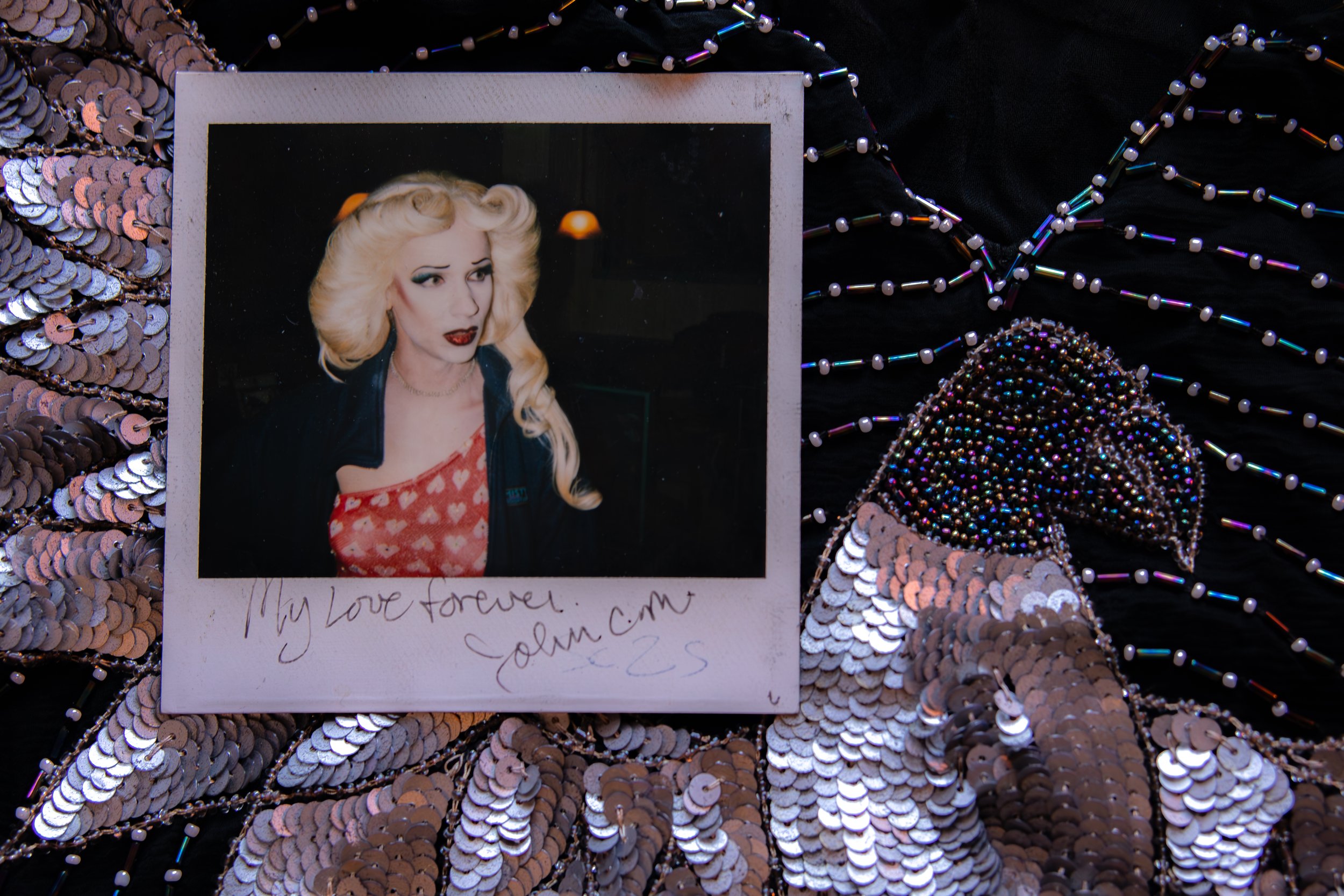
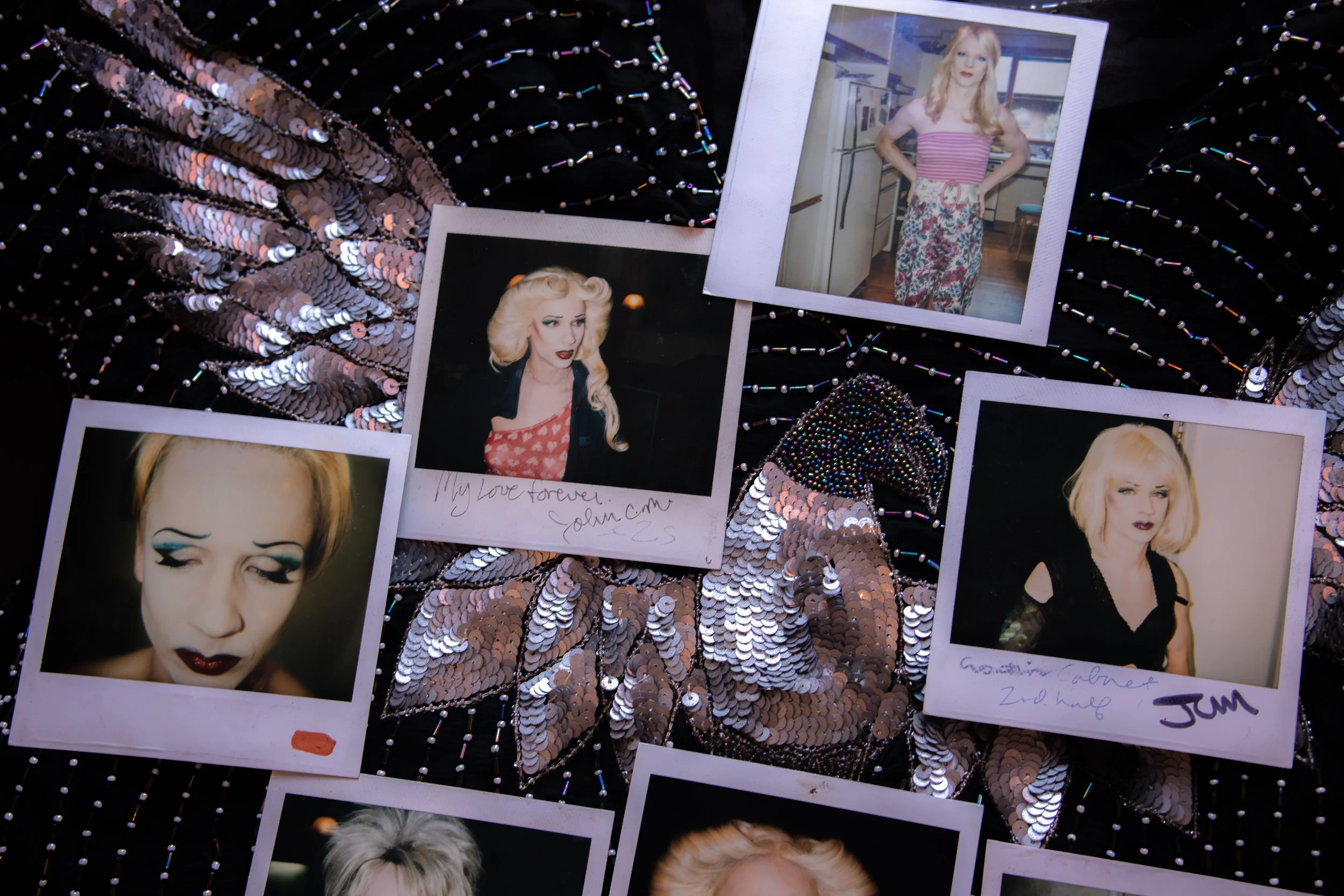
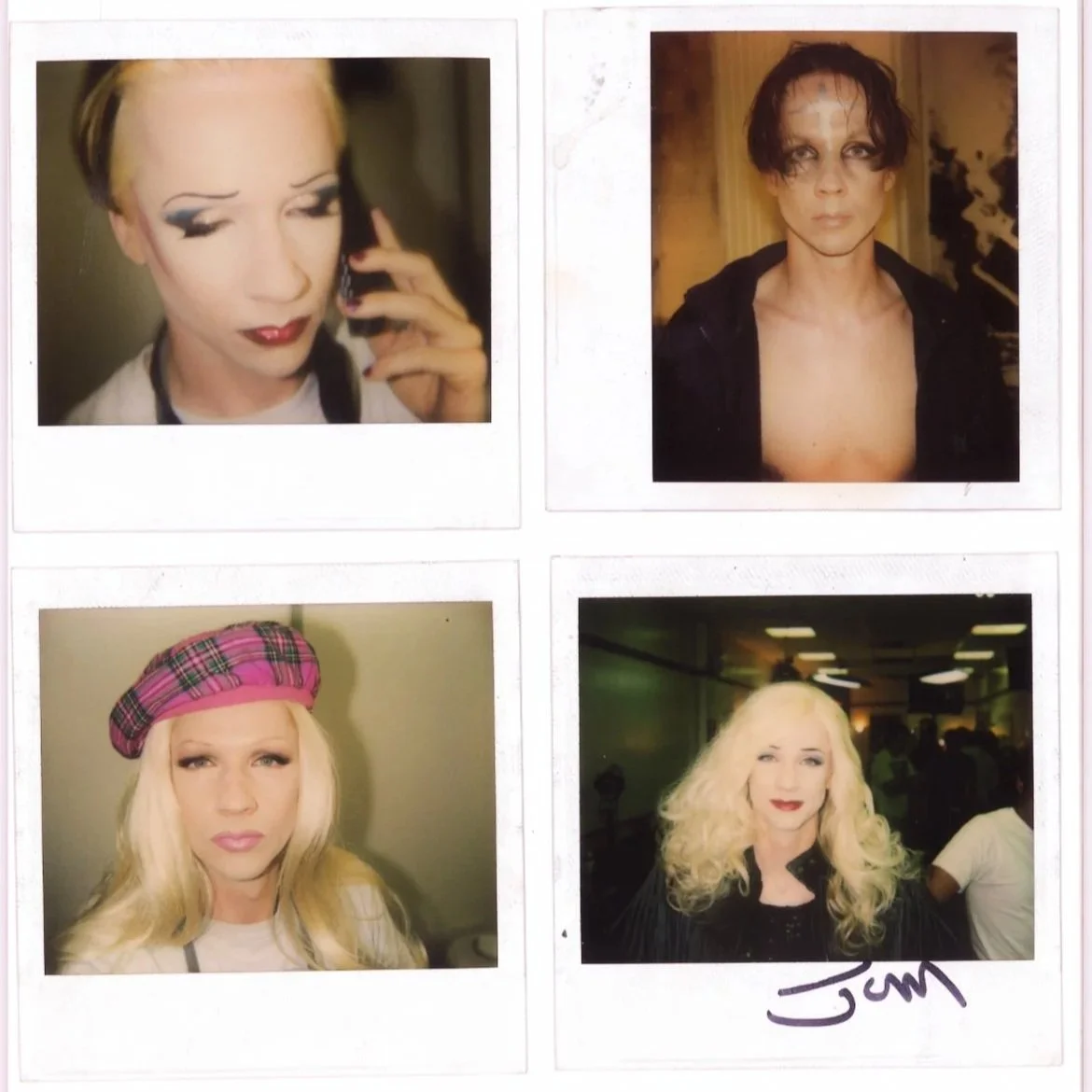
The celebrities were circling. They wanted to make it a movie. Danny DeVito’s company wanted it. Tim Burton wanted it. Forest Whitaker wanted it, and he wanted to direct it. There was a small bidding war and eventually, everything came together with Sundance Labs. They provided a cinematographer while allowing John to direct the feature, without any prior film experience.
The film was not a financial success. Shockingly, theaters full of people watched Hedwig and the Angry Inch for free after it premiered. It had just reached a wider release in September 2001, when the terrorist attacks of September 11th prompted the city of New York to make the movies free, for morale.
“It found its people after the initial run by word of mouth, by DVD and video, by friends passing it to their friends. It didn't happen in the way that capitalism likes, which is ramming it down your throat with a million previews and social media and this and that. It was given to people by their friends.” John explains. “It was carefully given, not just haphazardly, like ‘I think you're gonna like this” or ‘Watch this, and we'll see if I want to date you.’ Oh yeah, I heard that a lot.”
It’s at once an ultra-exclusive club and something new people can get hooked on out of nowhere. Bootlegs and torrents are circulating everywhere, and John has even had to bootleg special performances here and there and release them himself on YouTube.
“The project has more to do. Queer people are back in the scapegoat mode. This will pass too. I believe fascism will pass. Trump will certainly pass, and Hedwig will survive.”
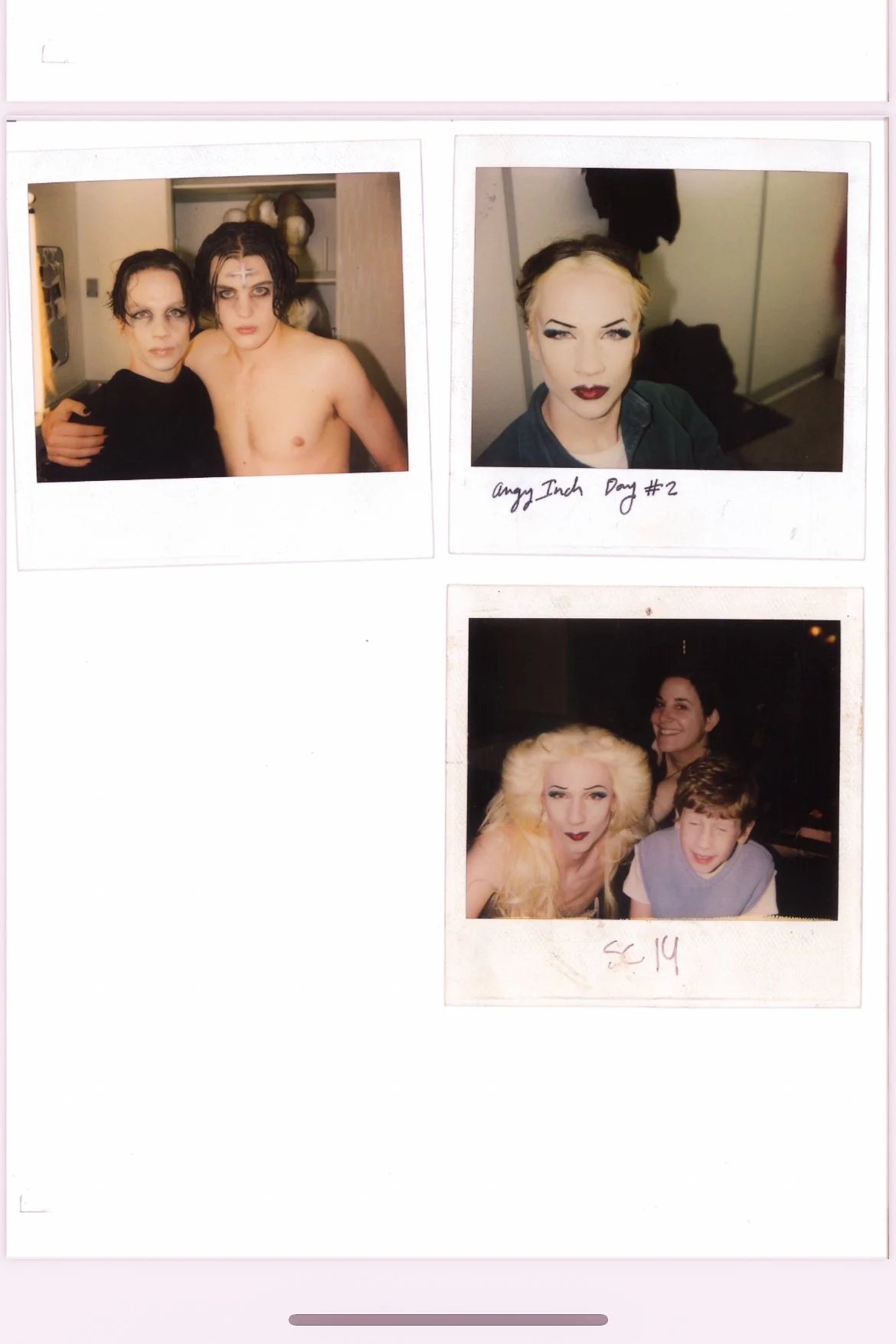
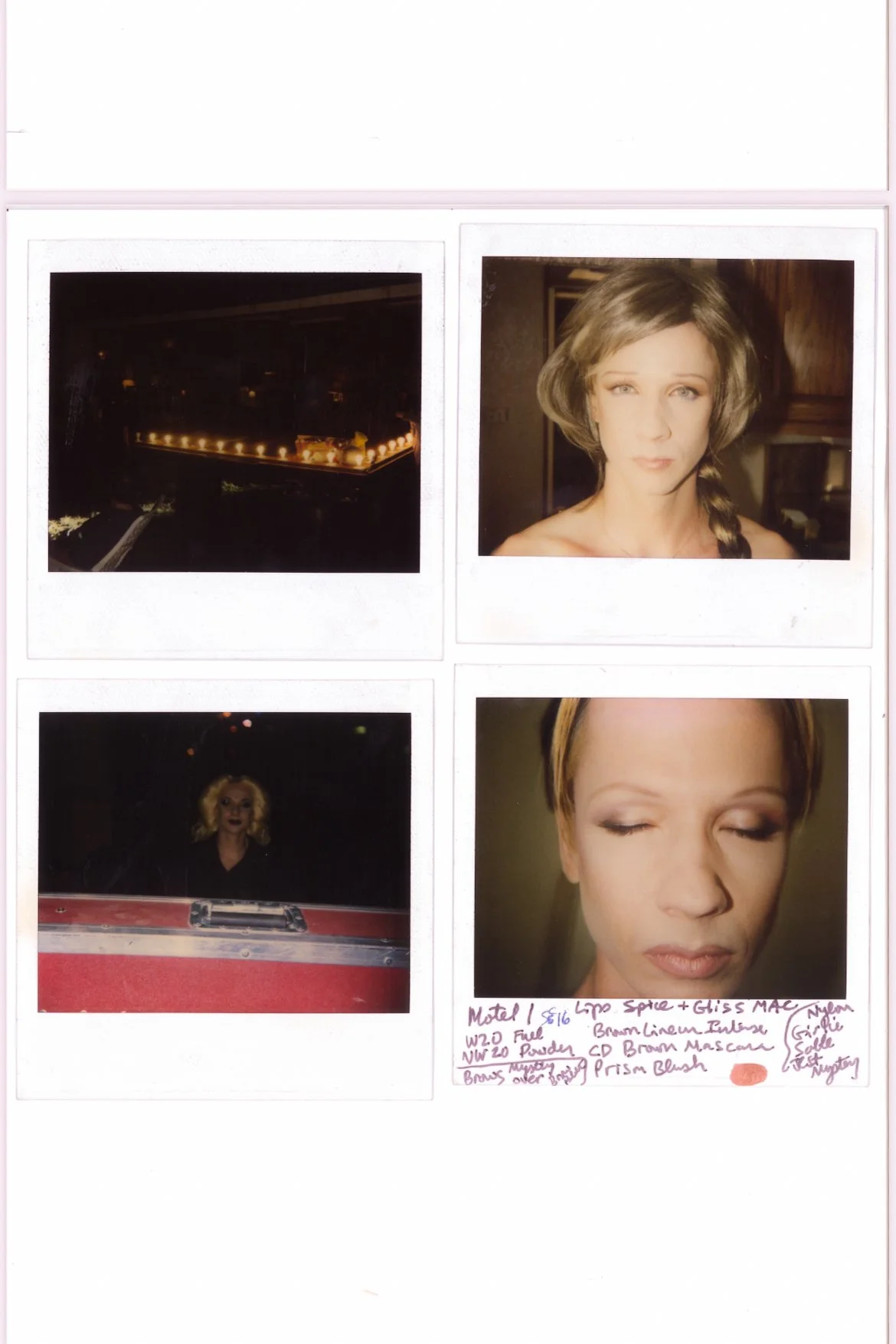
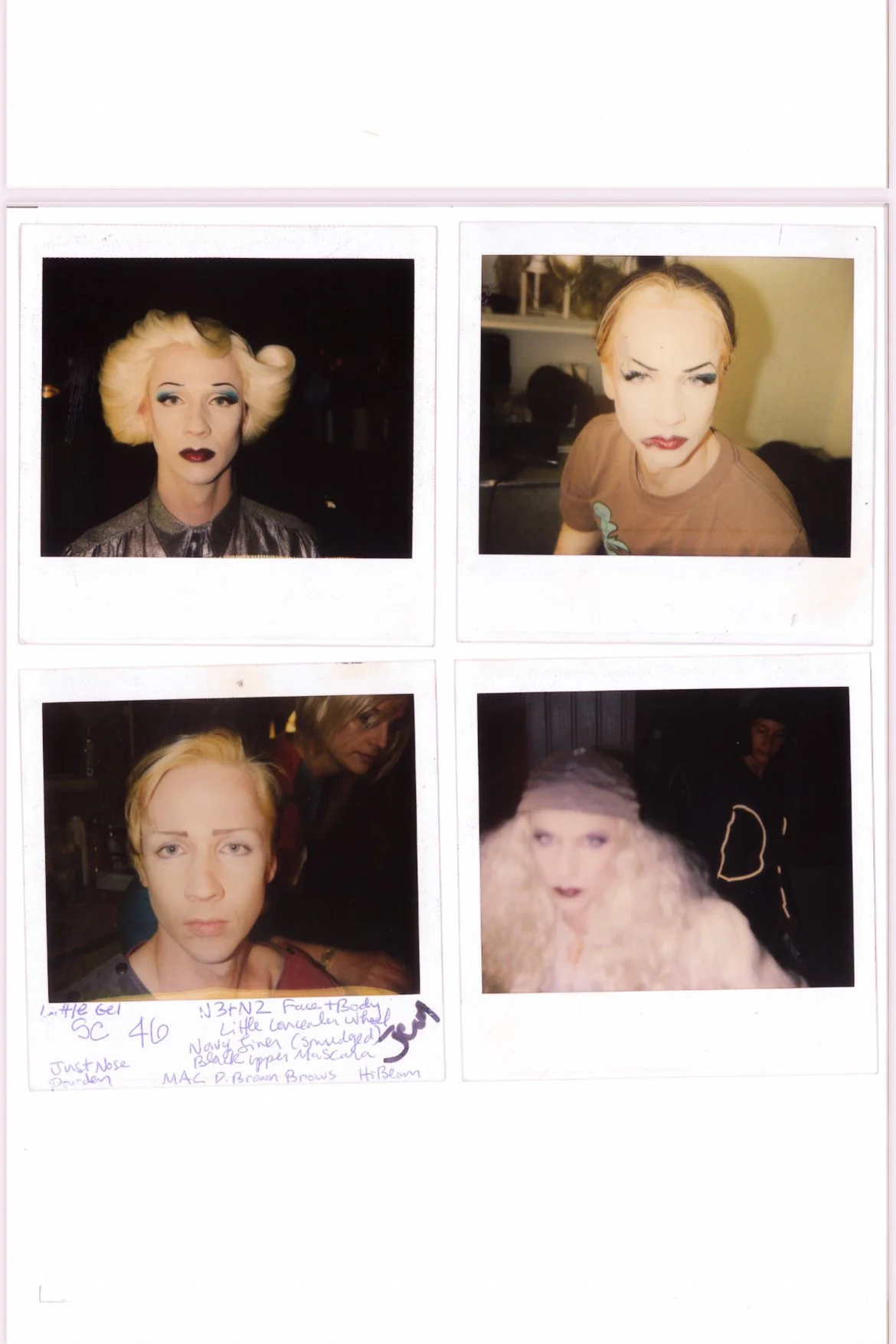
“It's not a surprise that a lot of people now want to celebrate something they discovered along the way together.” He describes his plans to bring a guitarist on the road for the 25th anniversary tour. “I can sing a few songs at these screenings, sometimes I might do a drunk director's commentary during it, you know, answer questions, have a good time, take an edible.” Produced by Tony Award nominated producer Jeremy Wein, this tour apparently came together because a top booker at Live Nation is a Hed-head.
The money from the Hedwig franchise does not power John’s life. As far as queerness is a cultural position and relation to capital, John tells me, “I'm always in that othered mode, if you know what I'm saying, and that's what keeps Hedwig healthy – is not being part of the mainstream. It keeps you honest. Too much money corrupts.”
Realistically but hopefully, John reflects, “The project has more to do. Queer people are back in the scapegoat mode,” he says. “This will pass too. I believe fascism will pass. Trump will certainly pass, and Hedwig will survive.”
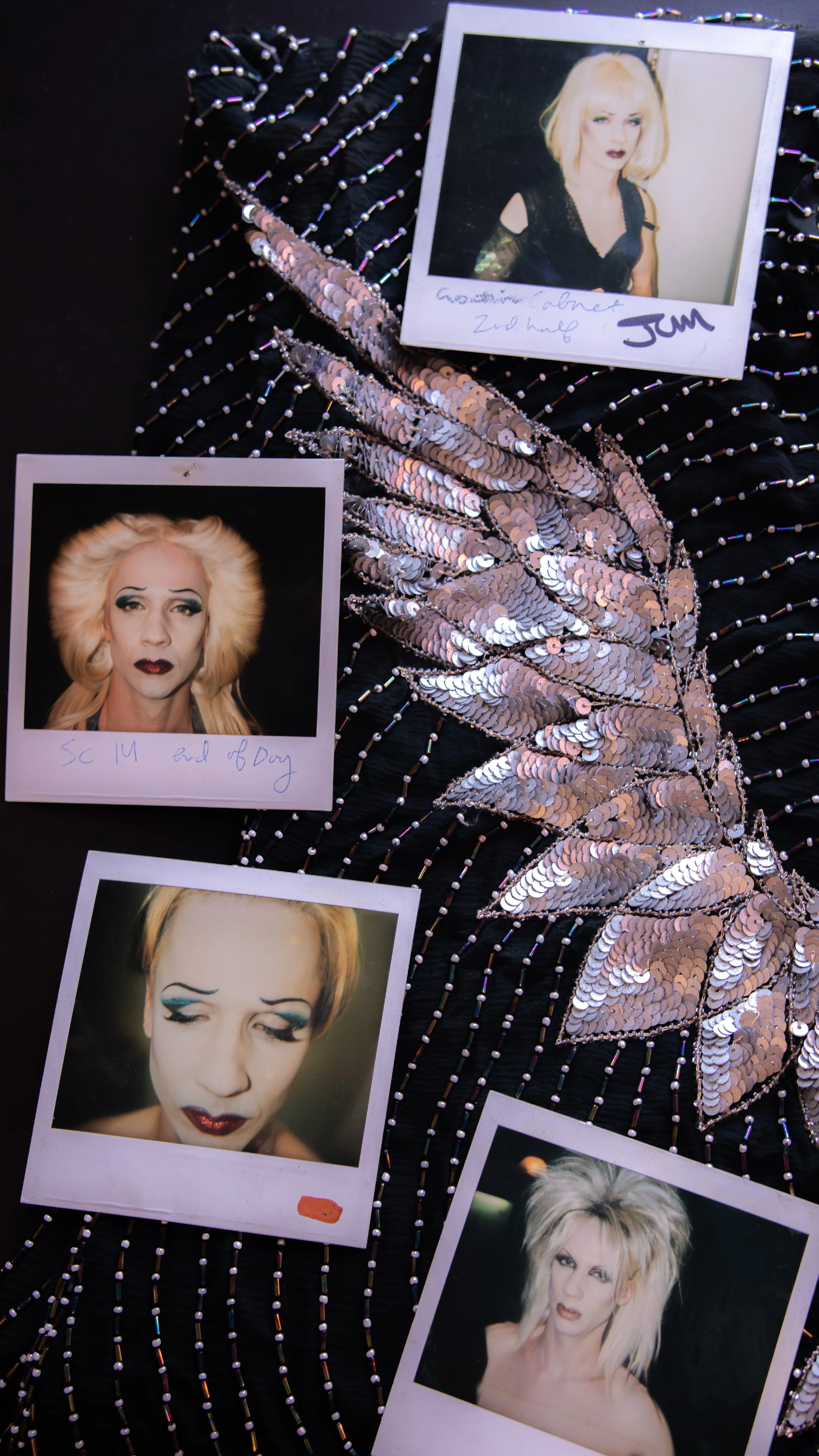
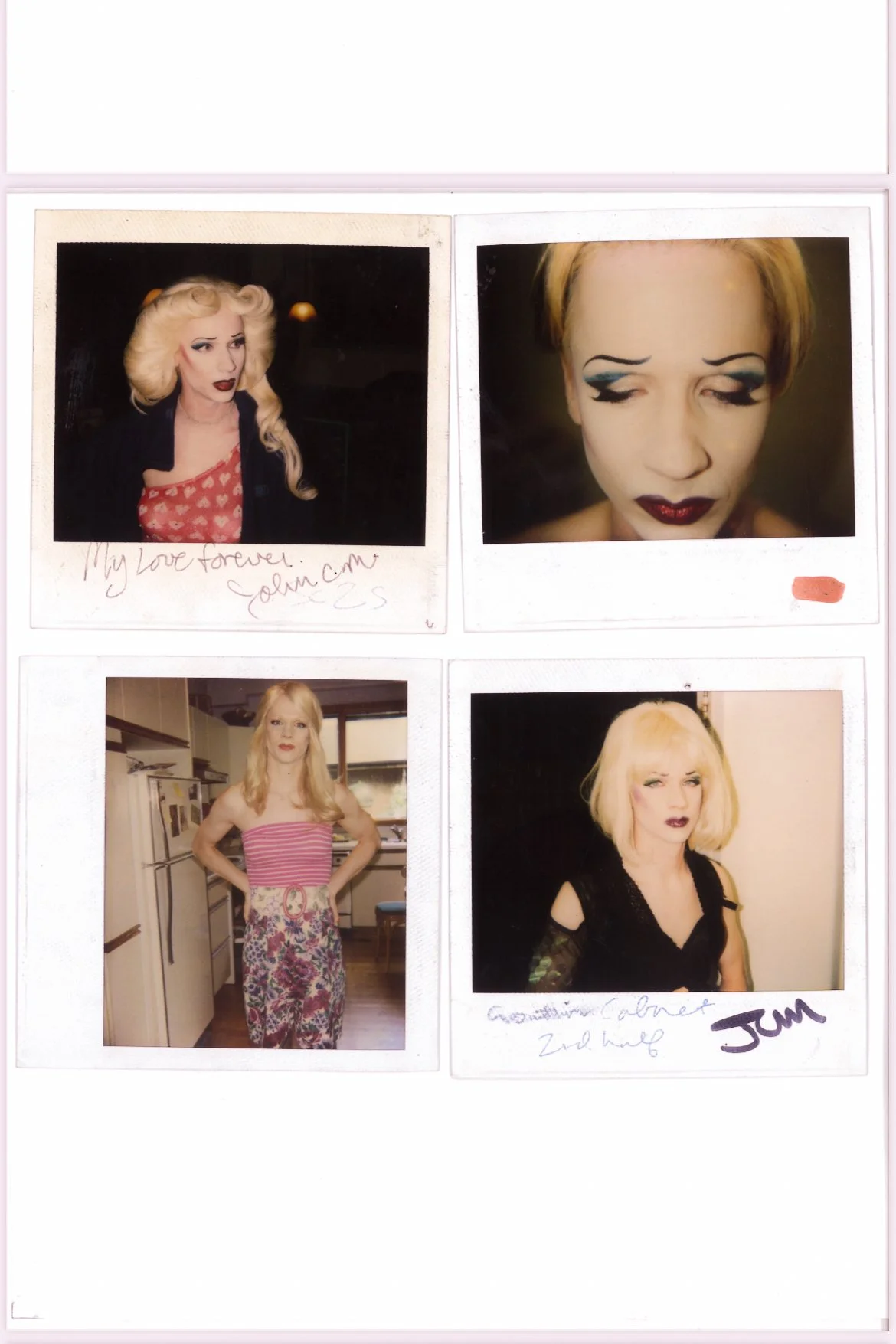
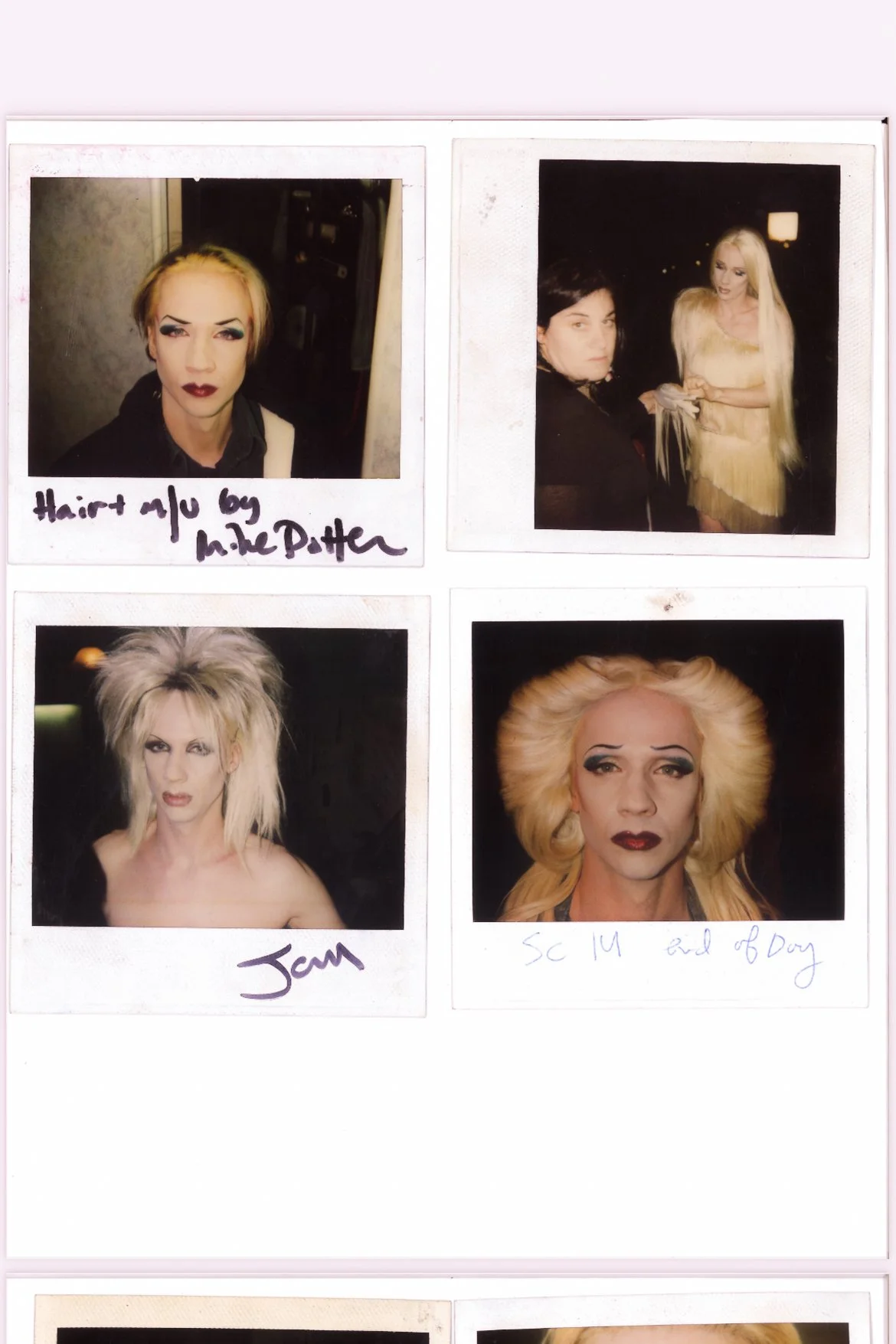
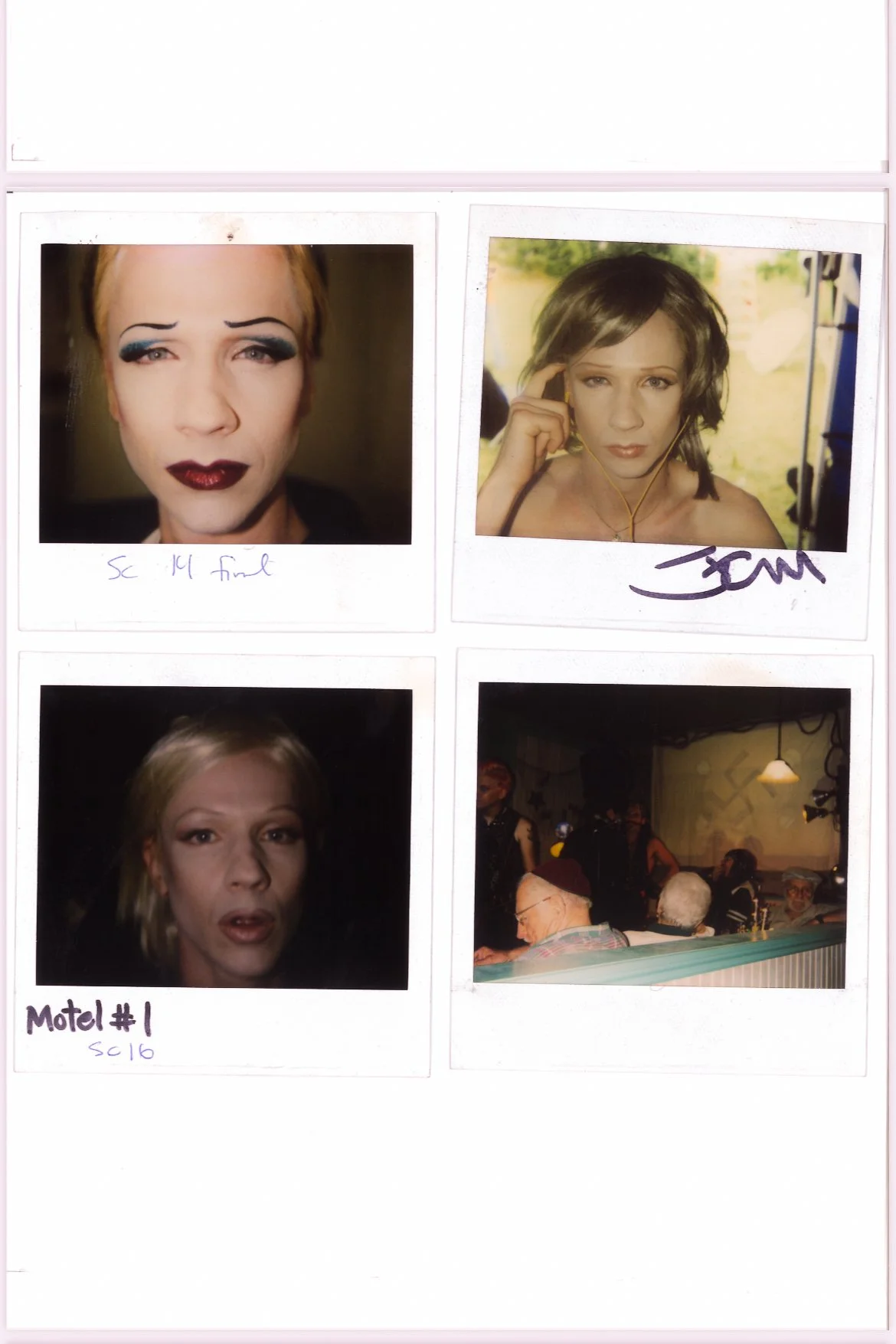
A little later, Hedwig hair and makeup designer Mike Potter tells me, when touring me through his original Polaroids from the film set, that teens filled the streets when the show ran on Broadway and that an excited young man once came up to him in the airport in Chicago after recognising him and said “Oh my god, I was birthed to the song Origin of Love.”
For John, perhaps Hedwig is the child he birthed, and he’s watching it grow, all over the world, infinitely and across all boundaries. “I'm also excited when people do different things to the show when they mount it. There's been so many different kinds of Hedwig production — so many kinds of people have done it — trans, cis, male, female, whatever. Races don't matter. Ages don't matter. And sometimes there's been 10 Hedwigs. It was a production in San Francisco where one Hedwig did each song. Yeah, two Hedwigs in Brazil, which kind of worked for the ‘Origin Of Love’ feeling. Like a child, it's nice to know it's gonna be there after you're gone.”