The Bad Faith Algorithm
Words: Celia Edell
Before I had a baby, my social media feed was a mess. I scrolled through influencers, indie artists, introspective essays, niche fashion cultures, political hot takes. I watched people reacting to a bad haircut, lists of where to eat in countries I’ve never been, tutorials on how to cut my own bangs. After my nightly doomscroll, I was left to digest a complex web of associations I’d somehow curated over years. I built my algorithm brick by brick, as they say. It was messy, and I liked it that way.

Then I got pregnant. I followed an account or two that talked about what to expect. After my son was born, I googled things in the middle of the night, anxiously worried that he was sleeping too much or not enough. As the nights and days blurred into one long sleepless haze, my algorithm was changing. It wasn’t just adjusting what it thought I might like, it was deciding this was all I need to see. Mother. I am her, she is me. ___STEADY_PAYWALL___
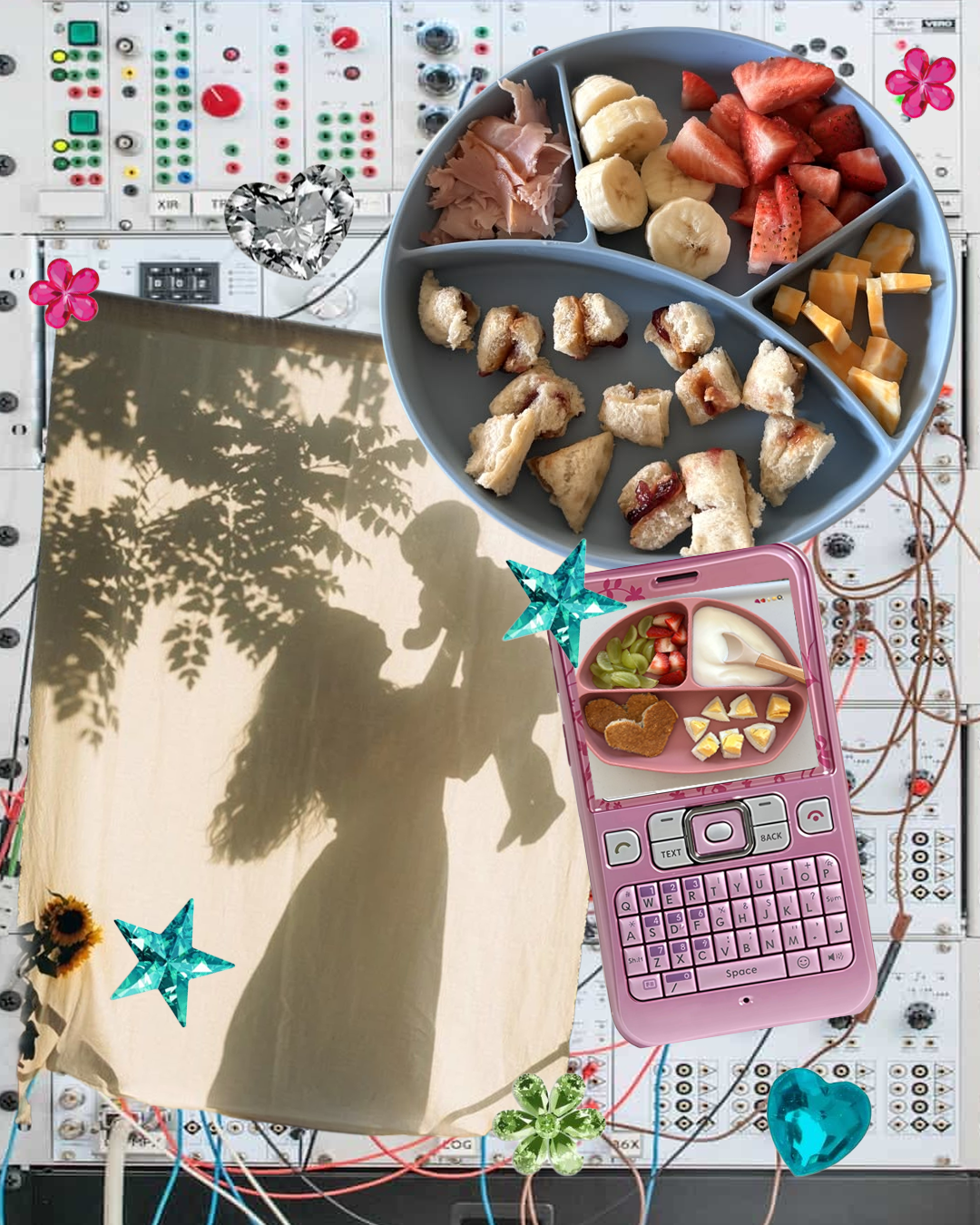
Instagram has become extremely certain it knows me. I want to make toddler meals. I laugh at reels about parenting mishaps. I wear ‘mom outfits’. I’m up on the latest parenting discourse. The really disconcerting part is, it’s not wrong. I am a mother, and I do care enormously about being one. I do want to make my child healthy meals, and I unfortunately do find some of the reels about parenting funny. The issue is not that the algorithm has discovered something about me I wished to keep secret, or made an error and miscategorized me in its system. It’s that it has mistaken something true for something wholly true. It has defined me, in such a slow and innocuous way, I barely noticed. As the all-encompassing nature of motherhood took over my present reality, so did it take over my feed.
“Prediction can tell a lot about what we will do next, but it can’t turn probability into destiny”
Existentialist Jean-Paul Sartre famously wrote that we run from our freedom by turning ourselves into fixed things. There are facts about me that I cannot simply wish away: my past, my commitments, my body, the roles I occupy. But none of them tell the whole story of what I am. It’s easier to decide, “I’m this kind of person” than to confront the inescapable fact that none of these facts fully determine what I must become. To live in bad faith means to pretend otherwise, to foreclose the openness of the future by concluding that only what is could ever be the case. To allow “I am a mother” to become “mother is what I am”. It’s a persistent human temptation because it feels comforting. We are fundamentally unfinished, and bad faith makes us feel complete.
The algorithm is extraordinarily good at helping us do this. Its recommendation system hands us an increasingly coherent story about who we are, what we want, where we will be in the weeks, months, and years to come. “You watched this” turns into “you are someone who likes this” turns into “this is who you are”. But motherhood is not a consumer preference. It’s not a fact that can neutrally inform how to filter and suggest content and products. It’s a socially loaded, complicated, heavy, powerful, devastating, beautiful identity. I am told, often by the recommended posts themselves, that I am still a person. I am more than just a mom. Tell it to my feed.
Part of the problem is that a feed built from past behaviour can paint a picture of the future that looks suspiciously like the past. Philosopher Eleonora Viganò calls this “identity inertia”: when recommendation systems keep serving us things similar to what we’ve already chosen, our digital environments become more homogeneous. This leaves fewer and fewer chances to discover interests we don’t already have. It treats a user’s future self as a reproduction of their past. Every click on a toddler outfit narrows my online world a little more, and solidifies my categorization. Eventually I’m not just looking at motherhood content; I’m living inside an internet organized around that part of me. And every time I engage with it, I give the algorithm more evidence that it was right.
And yet, there are days I give in to the bad faith algorithm. It does feel comforting, on hard days, to dwell in the coherence it offers. I am a mom. He needs me. I exist to love and nurture him. Forever. It’s both true and false. It’s both comforting and limiting. On days like this, the flight from freedom feels as natural as his head on my chest.
Ultimately all the algorithm can do is predict the future from the past. My clicks led me here. It doesn’t need an ideology of motherhood to reproduce one. It needs patterns. These patterns have a history, and a social weight, but they are also made up of real moms and creators just trying to make others feel less alone. Still, a human life will always contain discontinuity. Prediction can tell a lot about what we will do next, but it can’t turn probability into destiny. As I finish writing this, my son stirs awake from his nap. I will abandon any project for him. At least for now.