
Totally Spies: Surveillance, Girlhood, & the Millennial Spy Complex
Words: Morgan Carey / Good For Her Films
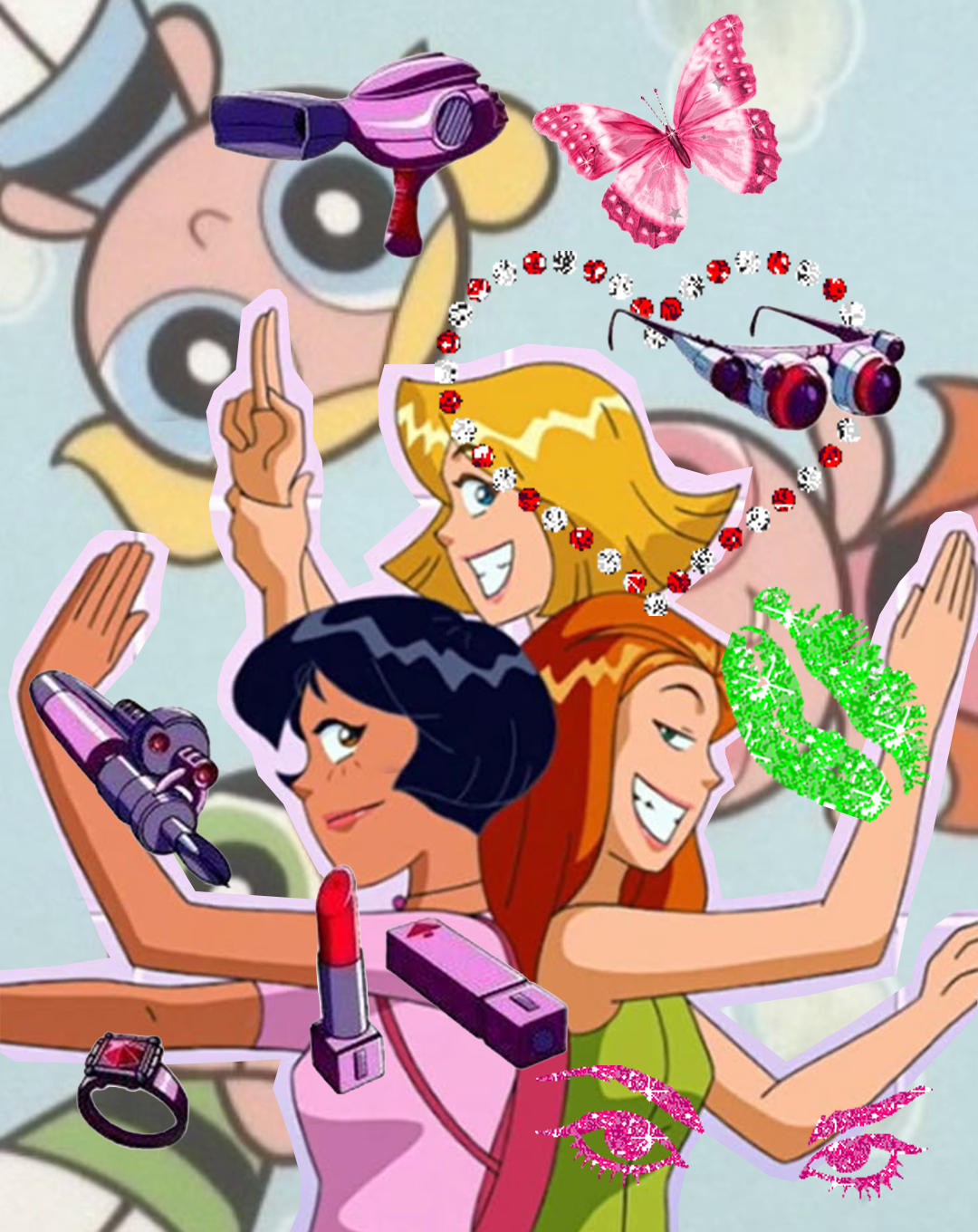
The return of 2000s cyber Y2K trends and the 25th anniversary of Totally Spies and Spy Kids have activated me like a sleeper cell. Call it escapism, curiosity, or government coercion, but the idea of a double life was the most glamorous career I could dream up as a kid. Yet instead of being recruited for the secret-intelligence summer camp that produced teen spy greats like Agent Cody Banks, I settled for playing the latest Nancy Drew computer game and using *67 at sleepovers to prank-call unsuspecting crushes under the guise of “Unknown Caller.”
In real life, my dad was working at a military base in one of the U.S.’s most important states for national security, one hour outside of Washington, D.C. At Bring Your Kids to Work Day, I got to climb into army tanks and during the summer, my siblings and I would jump out of the base’s pool at the sound of the daily cannon to stand for the National Anthem - this happened twice a day, every day. This was the norm as a “military kid,” so a life of espionage didn’t feel too far away.
If it wasn’t my dad’s government work or Lindsay Lohan’s fashion-forward investigative journalism in Get A Clue, it was school. The U.S. Army table in the middle of a lunchroom, ready to invite the newest child recruits to sit with them. Gifted & Talented programs that pulled me out of class for brain teasers that have become the subject of TikTok conspiracies, and potentially the plot to the next Stranger Things reboot. Field trips to the “kid-friendly” International Spy Museum in D.C. that opened in 2019 with a sanitised torture exhibit that let visitors sit in a “stress box,” a known punishment method of the CIA. It made a life in government feel not only conventional, but almost inevitable.
If you weren’t being exposed to government propaganda IRL, you were a millennial girl who was watching it on TV. The 2000s kid spy craze taught us that even your basic average girl, Kim Possible, can save the world. And saving the world came with great accessories. Kim had a hair dryer that doubled as a grappling hook, the Cortezes of Spy Kids had the Machete Elastic Wonder (NOT just a rubber band), and the Totally Spies trio had lasers disguised as lipstick. Eat your heart out, Jason Bourne.
___STEADY_PAYWALL___
“Compliance was sold as curiosity, and surveillance behavior was a new way to play pretend. It was exactly like Girl Tech had promised - ‘Total Control. Totally Cool.’”
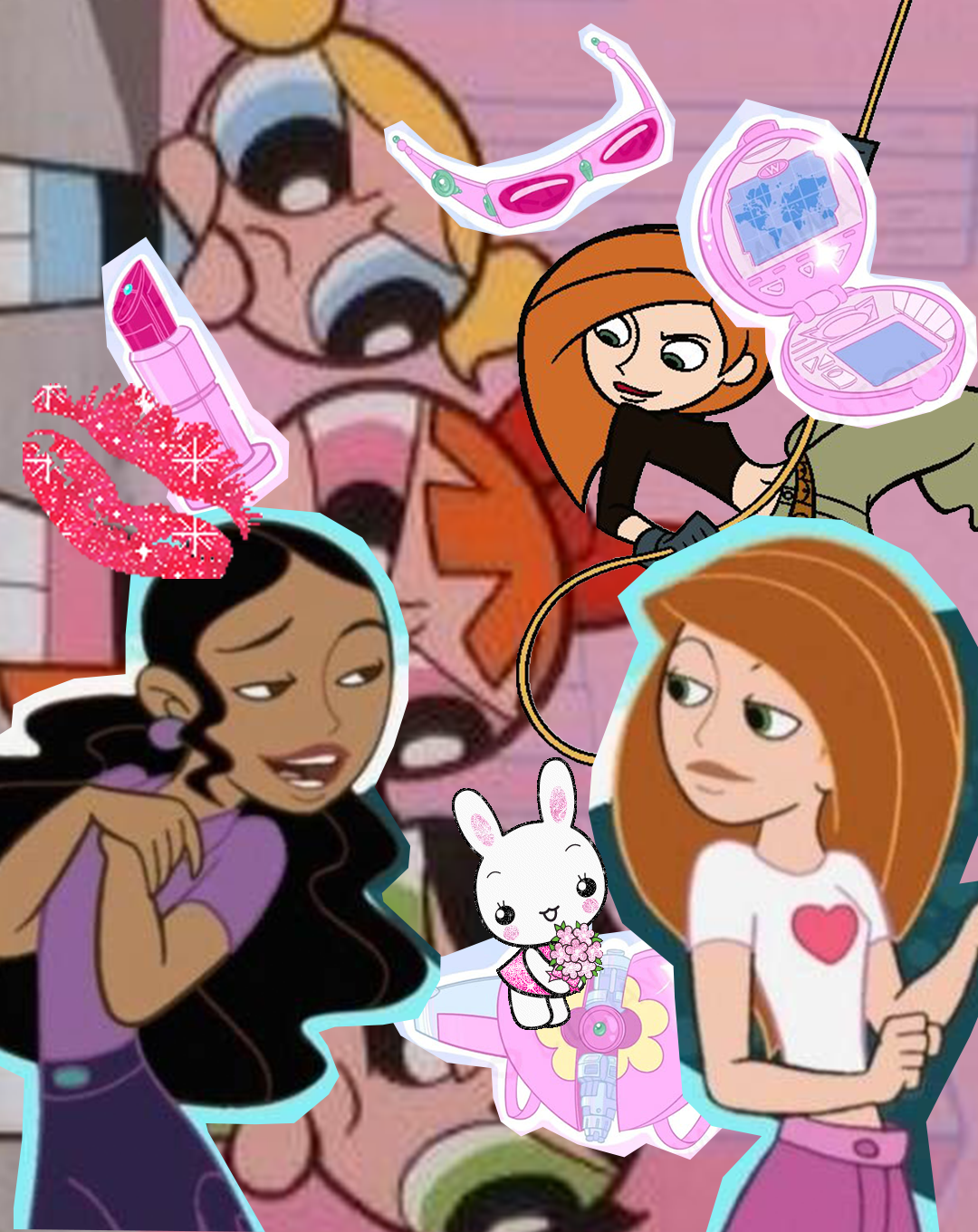
For the first time, spying was a girl’s game. Already sold on the chicness of espionage and dreaming of make-up compacts with hidden holographic cell phones, toy companies were starting to sell us on a new idea - that surveillance is fun! Spy tech toys got girlified by defunct brands like Girl Spy, SPY CHIX, Undercover Girl, and Girl Tech, and marketed as a way for young girls to gain a sense of ownership over their lives. With top-secret technology and predatory advertising, we started our collection of spy gear: password-protected diaries, listening devices imitating CD players, and secret-message decoders for secure girl-to-girl communication. Compliance was sold as curiosity, and surveillance behavior was a new way to play pretend. It was exactly like Girl Tech had promised - “Total Control. Totally Cool.”
From childhood, we have been taught to give up our freedom and privacy for the illusion of safety and security. Now, the new spy gadgets are smart home technology, and adult millennials have traded our spy camera pens for Ring cameras. You can even bring surveillance to the dinner table with the Prego Connection Keeper (yes, this is real), designed to record your dinner table conversations. We always pictured ourselves as the spy, but did we end up as the mark?
As we developed our online identity on the web, we finally had our chance to live a double life. On the internet, we created aliases via screen names that existed only on fan message boards and in chat rooms. Learning HTML for our Myspace pages felt like hacking the mainframe, and Wikipedia had all the answers we were dying to find out. While we learned from the internet, the government learned from us, and the shared optimism around tech was prepping us for life in a perpetual surveillance state.
The spy craze shielded us from the reality of the Patriot Act and the birth of surveillance capitalism. Between facial recognition and biometric data collection, to surveillance pricing and algorithmic tracking, we’ve come a long, and terrifying, way since the NSA monitoring our phones and e-mails. In The Age of Surveillance Capitalism: The Fight for a Human Future at the New Frontier of Power, author Shoshana Zuboff explains, “At its core, surveillance capitalism is parasitic and self-referential. It revives Karl Marx’s old image of capitalism as a vampire that feeds on labor, but with an unexpected turn. Instead of labor, surveillance capitalism feeds on every aspect of every human’s experience.” We are no longer the product - we are now being stripped for parts. The answer to surveillance capitalism, according to Zuboff, is a popular resistance movement, and who better to expose corruption than the millennials who liked Spy Kids 2: Island of Lost Dreams more than Spy Kids. The Department of Homeland Security confirms that millennials will soon have the sheer numbers to pose a considerable risk to national security. And the millennial main character syndrome never really dies, it reinvents itself.
While acceptance of surveillance came without much protest, it also brought a new distrust of the government. Groomed to be the new CIA recruits, they raised a generation of Whistleblowers instead. Institutional loyalty turned into malicious compliance, and millennial watchdogs like Edward Snowden and Chelsea Manning became some of the most infamous faces against unethical government surveillance. Even Michael Hayden, former CIA director, has gone on record to say, “I don’t mean to judge them at all, but this group of Millennials and related groups simply have different understandings of the words loyalty, secrecy, and transparency that certainly my generation did.” Can you blame us? We learned from Harriet the Spy how to handle bullies who invade our privacy.
The reality is, we were never meant to save the world - we were meant to accept being watched. We may have been the blueprint for this surveillance psyop, but it made us smart enough to sign the Terms & Conditions with invisible ink.