Working Arts Club and the Importance of Solidarity in the Visual Arts Profession.
Words: Kirsty Jukes
I don’t enjoy having to think about class as an issue in professional situations. It would be ideal if we never had to speak on identity politics at all; however, as long as things stay as they are, the disparity between working-class people and those from more affluent situations is stark. Unlike other minoritised identities that tend to have Equality, Diversity and Inclusion backing in professional settings, working classness often does not, and people like me can feel a little left behind.
Working class people should be mentored and encouraged, if they are to succeed in a space that is exclusionary and elitist by design. Being a woman in this field increases the struggle. Add in matters of race, disability or otherwise, and it becomes exponentially harder.
This is why initiatives like Working Arts Club are so important. They offer solidarity. There is a surface-level attempt to engage with working-classness in visual culture that feels very much like it is ticking boxes rather than genuinely celebrating achievement, and institutions are all too keen to trot out labels whilst still participating in these damaging structures. Artists and arts professionals I have spoken to recall what they thought was a genuine connection to the work and their lived experiences from representatives of institutions, only to be ghosted when the project ends. To them, this feels superficial, rather than mutually respectful. This is not to say that everyone working in the visual arts thinks the same way. Some want to do right.
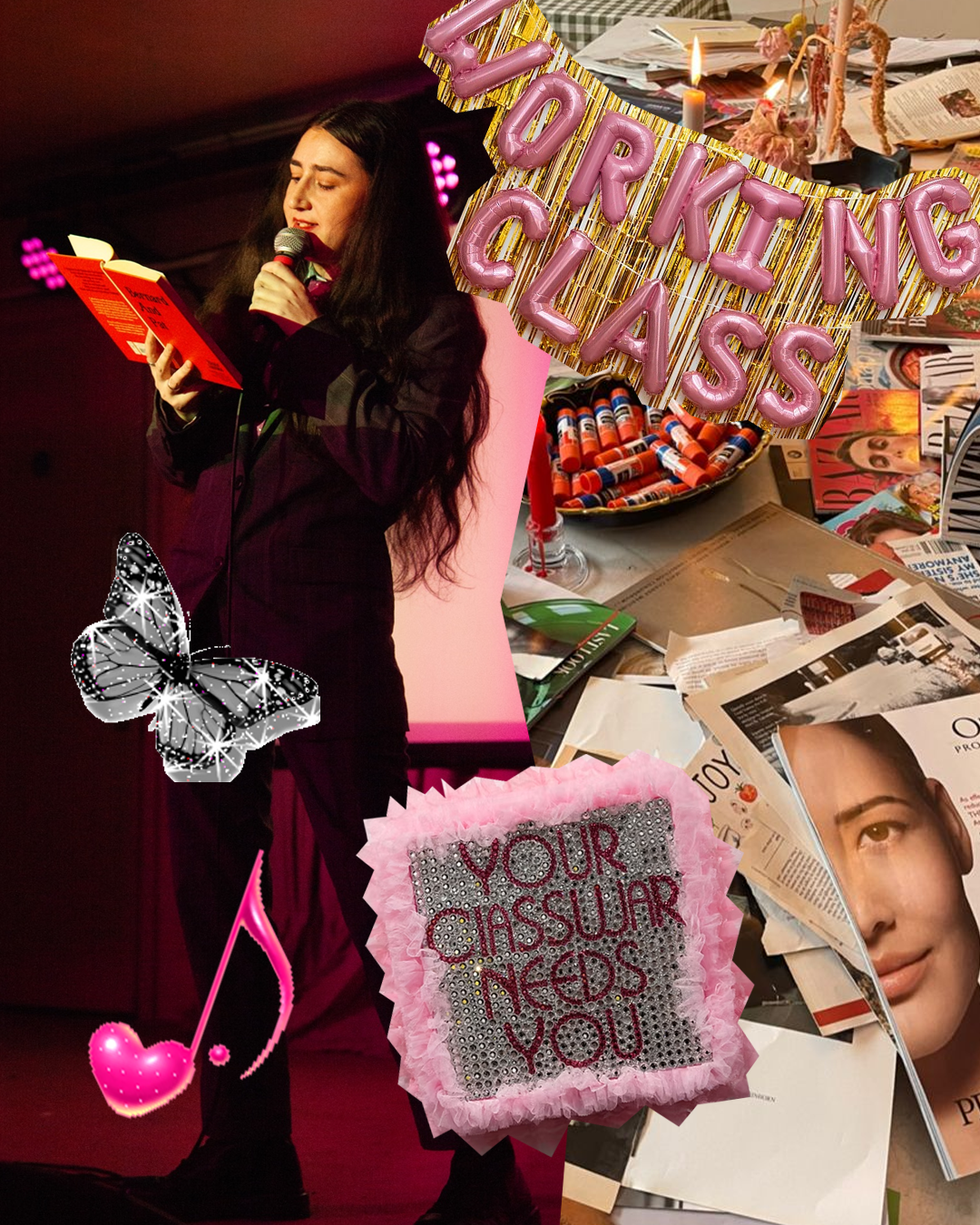
But we all know the gripes; those of us this affects most deeply have had these conversations in one form or another. The only way to combat the issue is to do something about it. That is precisely the reason Meg Molloy formed the Working Arts Club in London. Having identified a need specific to her work as a visual arts professional, she decided to take steps to find her crowd in what felt like a lonely place to be. Since 2024, she has built the club into over 1000 members across the country and collaborated with the likes of the V&A, Royal Academy, Christie’s, Hayward Gallery, Photo London, and Two Temple Place, followed by recent features in the Guardian a spot on Lauren Laverne’s BBC Radio 6 Music show and Frieze.
___STEADY_PAYWALL___
"The club is for people employed across the visual arts - from gallery workers to teachers and beyond - who come from working-class backgrounds. It’s about bringing people together and creating a much-needed community.”
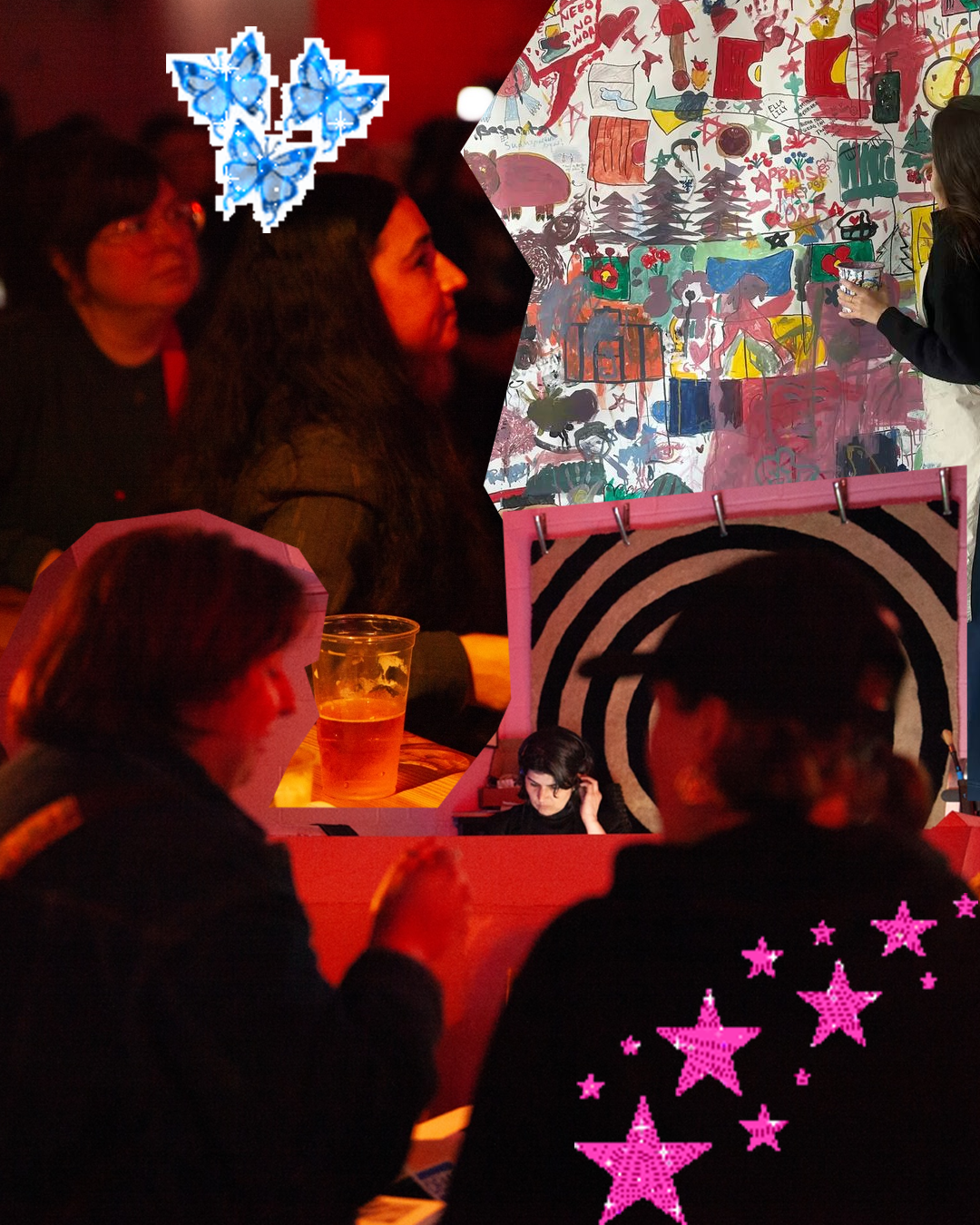
This success will be replicated in the north of England with many more partnerships currently in the pipeline. I am very excited to be working with Meg as lead for the north on several dream projects that may have otherwise been very difficult to initiate without the backing of the club. Our first event in the north was on Tuesday 24 March at YES. It was exciting to see so many people keen to be involved in this supportive space. We had working class writers Greg Thorpe and Blair James reading their work, SeiyaKou provided tunes and stalls from edit and Team Trident Press. After the dust had settled from the launch, I asked Meg to say more about Working Arts Club.
What was the catalyst for starting Working Arts Club? Who is it for?
Working Arts Club grew out of conversations with friends from working-class backgrounds who had found their way into the arts but felt quite isolated. I launched the club when I was working in a commercial gallery in Mayfair, which definitely made me conscious of my background. I craved a sense of belonging. When I got a promotion there, I felt I’d reached a level of seniority that gave me the confidence to actually address the feelings I had around not fitting in. The club is for people employed across the visual arts - from gallery workers to teachers and beyond - who come from working-class backgrounds. It’s about bringing people together and creating a much-needed community.
How has it been running the club alone and unfunded so far?
It’s definitely been a labour of love. Everything from programming and running events, the advocacy, admin, communications, and building the network happens alongside my freelance work and previously full-time jobs, so it can be really intense at times. But it’s meaningful, all for the greater good and gives me a real sense of purpose. We’re starting to apply for funding this year to develop and sustain what we’re doing. The response from members has been incredible. I think people really need this and want it to work.
What are your favourite moments since beginning in 2024?
The first event was really special, seeing people immediately start sharing experiences and realising they weren’t alone. Just to be able to bring them into the same room with all the art world’s barriers taken away was so powerful. Talking about the issue of class at our first panel discussion held in Christie’s felt significant, too. Working-class people should absolutely be in those environments, and to have representatives from there and other major galleries was a real milestone. I also love our parties and hearing about friendships that have been made through the network.
What made you decide to expand outside of London, and how will that look?
From the start, people from across the UK signed up, which showed the demand wasn’t just in London. It was never my intention to make this a London-only network, and I couldn’t wait to expand, particularly to the north, which has an incredible arts scene. To enable this work, I had to find people in the north who were willing to give up their time to mobilise the network in their areas. I’m so grateful to Kirsty, who lives in Southport and works in Manchester, for becoming our northern lead. She is great to work with, and her selfless dedication and generosity mean we can open up what we do to a whole new area and reach so many more people. We are programming events (both professional and social) across the region, starting with Manchester and Liverpool and then moving to smaller towns and other cities, to reach as many different areas as possible. It’s such an exciting new chapter for something I thought would originally just be a few mates meeting down the pub.
To become a member of Working Arts Club for free, please head to our Instagram page @workingartsclub and sign up using the link in the bio. This will give you access to our newsletters, which contain information on upcoming events, discounts and opportunities. It will also give you details about our online chat (via WhatsApp) through which we all connect together to discuss many different topics, offer advice and support one another, as well as full details on our events.