
Working Girls Turns 40: What Do Women Know That Men Don’t?
Words: Charlie H. Stern | Photos: Nan Goldin

There’s hidden knowledge in Working Girls (1986), which turned 40 years old this year. A semi-violent workplace drama directed by feminist artist Lizzie Borden, the film shows us a coerced double-shift by brothel companion Molly. It stops short of strangling and murder but forces the viewer to confront the many facets of emotional violence and intimidation that all women face in the workplace, not just escorts. To me the implication goes further, indicting the domestic sphere and all relationships women have with men. Having seen it originally in 2011, I think of it nearly every day in 2026.
I first met Borden at a 2022 showing of Working Girls, where the crowd was divided by those who got it, and those who didn’t. During the Q&A, an older man in the crowd, which was significantly made up of young female sex workers, asked from his seat, “Why didn’t you show anything bad happening to the girls?” and the collective were so shocked, they couldn’t help but loudly laugh at him.
“I was shocked too,” Borden tells me, “I remember that screening perfectly. Sometimes men just don't get it.” That night, after the Q&A let out and the crowd thinned, she was surrounded with people asking for hugs. ___STEADY_PAYWALL___
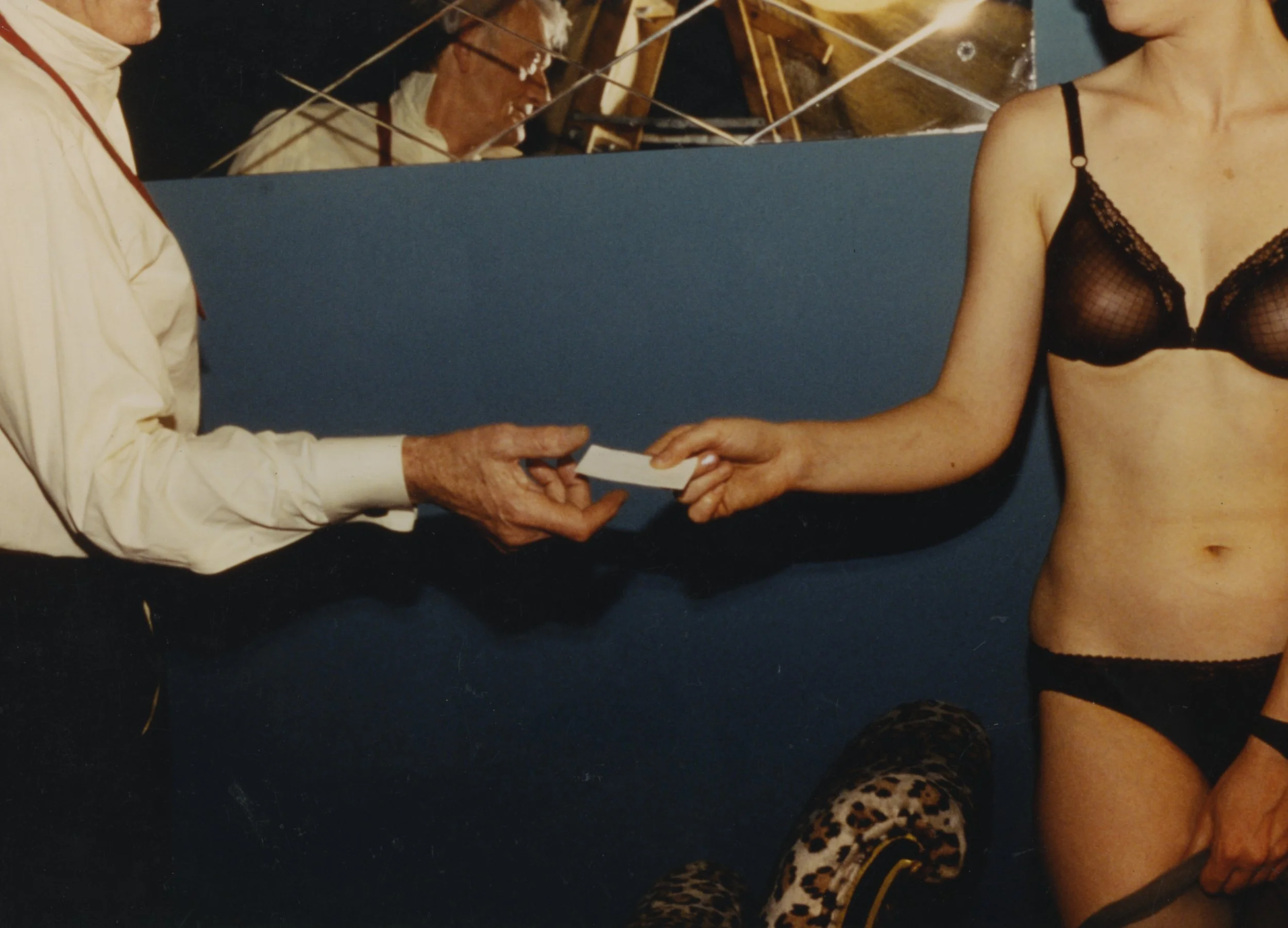
“I did start the film with those cliché films in mind, yes, not wanting to do anything where working girls are chased by mad killers, they're killed, they're used as background, or they're there as kind of a sign that somebody is going to be killed. You know, and it just felt like for everyone I had spoken to, that didn't happen. There was enough kind of violence going on in Working Girls.” She continues. “But I was shocked too when that guy said that. You know, not recognising emotional violence at all. Men don't always get the films, or ask questions that are relevant, which makes me very interested in the idea of the separation between what men and women understand. I mean, I was asked why I didn't have men in the film, and I was basing it on a real place and on the real characters.”
Working Girls can be called a workplace drama, or even a workplace tragedy, as opposed to the concept of a workplace comedy. While the film celebrates its 40th anniversary this year, Working Girls continues to screen around the world. In fact, Borden still tours her three most essential films, often called her “New York Trilogy,” some of the finest offerings of the entire New Queer Cinema movement (c.1970-1997). Her experimental, borderline-kayfabe documentary Regrouping turns 50 this year; and Born In Flames, an Afro-futurist science-fiction piece about women who may or may not be domestic terrorists that culminates in an attack on the World Trade Center sold out more screenings in New York City this year, 49 years after it began filming and 43 years after it was released.
They all build on each other. To get Working Girls, you need to know what she learned from Born In Flames, which was a learning exercise from the chaotic Regrouping process. Borden breaks it down. Start here, in Borden’s own words: “Regrouping asked the question: Are [women’s affinity] groups possible and sustainable? Born In Flames asked the question: Is violence the right way to go? And then the question asked by Working Girls is, ‘What do you do for money?’” – as in, What do YOU do, and, Really, what can you even do?” Borden explains, “At the very end of Working Girls, she opens her eyes and thinks, ‘Oh my god! What am I going to do when this money runs out? Will I have to go back?’ And maybe she will.”

“They’re trying to get by. That’s it. They're not connected to anything bigger. They're based on real people, and those real people were really about they needed to make the money.”
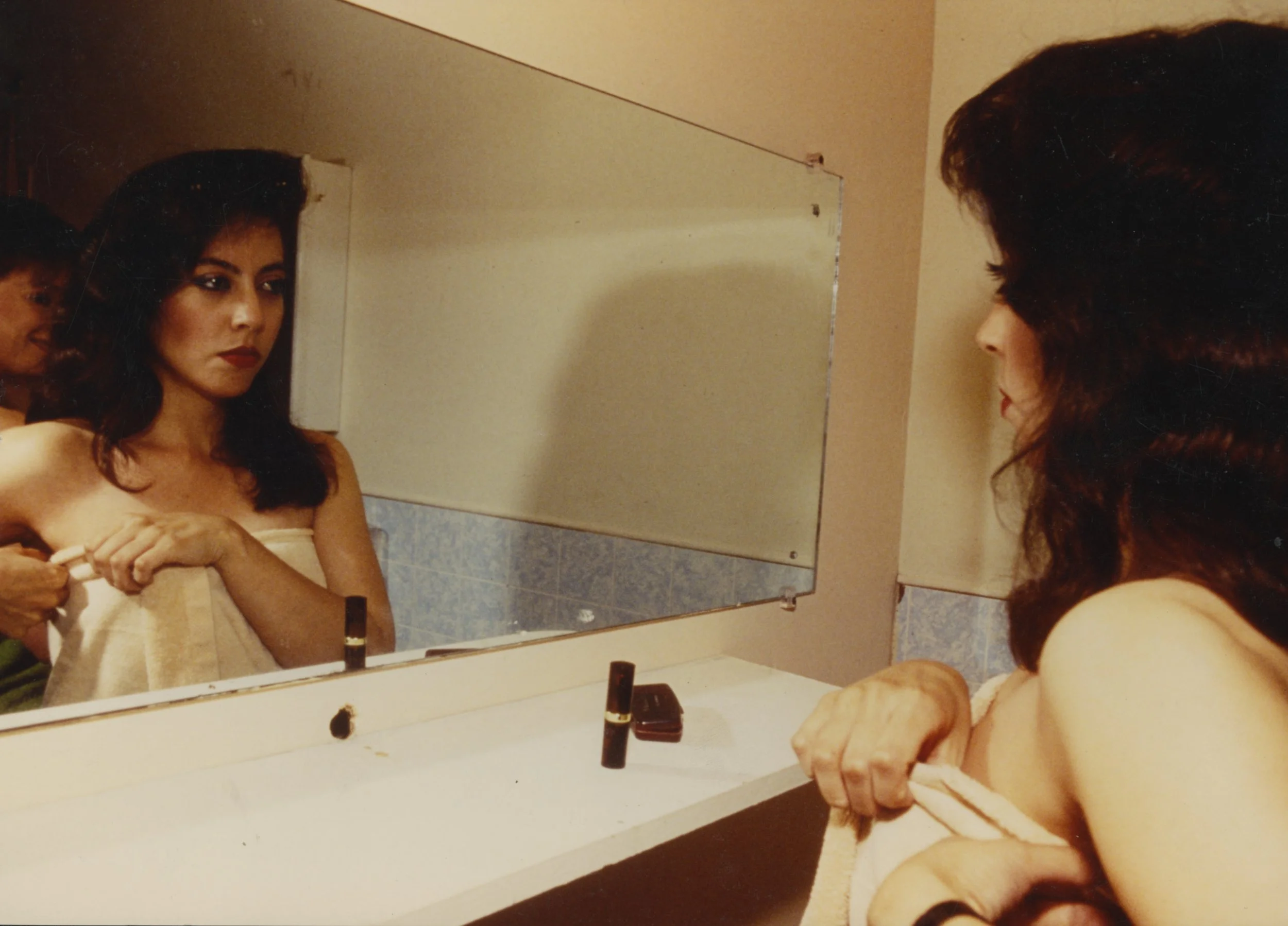
I ask her if the women in Working Girls, who we know to exist in the context of the trilogy’s larger conversation and 1980s Reaganism repression, feel like they’re a part of a political movement, or are they just so stressed out by being the proletariat that they can't think about their positionality as the proletariat?
“They’re trying to get by. That’s it. They're not connected to anything bigger. They're based on real people, and those real people were really about they needed to make the money.” Borden tells me. Much of the dialogue in the movie is direct reporting from conversations in a brothel.
Now more than ever, feedback pours in from politically active sex workers all over the world. But Working Girls is watched by every kind of person, really. Search her name and there are new interviews and essays being written this century, as well as constant Letterboxd logs. You’d think her movies just came out, the way demand pours in. Borden’s films don’t leave the festival circuits. She grants free screening requests to any tiny feminist group in any far flung country that wants to show her films, especially when it comes to Working Girls and sex worker clubs.
I think out loud, “I wonder if anyone who is a client or a former client would feel guilty watching this movie, and what would they do with that guilt.”
She names names (a famous name) and makes me promise not to print it.
Then she goes on, “The men are [mostly] silent. I've never heard from any man in any of the Q&A's that he felt guilty.” In fact, men actually seem to express joy and relief when telling her of their brothel adventures.
Borden enjoys a Q&A where she can ask the audience questions, too. She requested ahead of our interview to “really get into things” and to have the chance to “free associate” on two different occasions, and she needs to know your artistic context as an interviewer too.
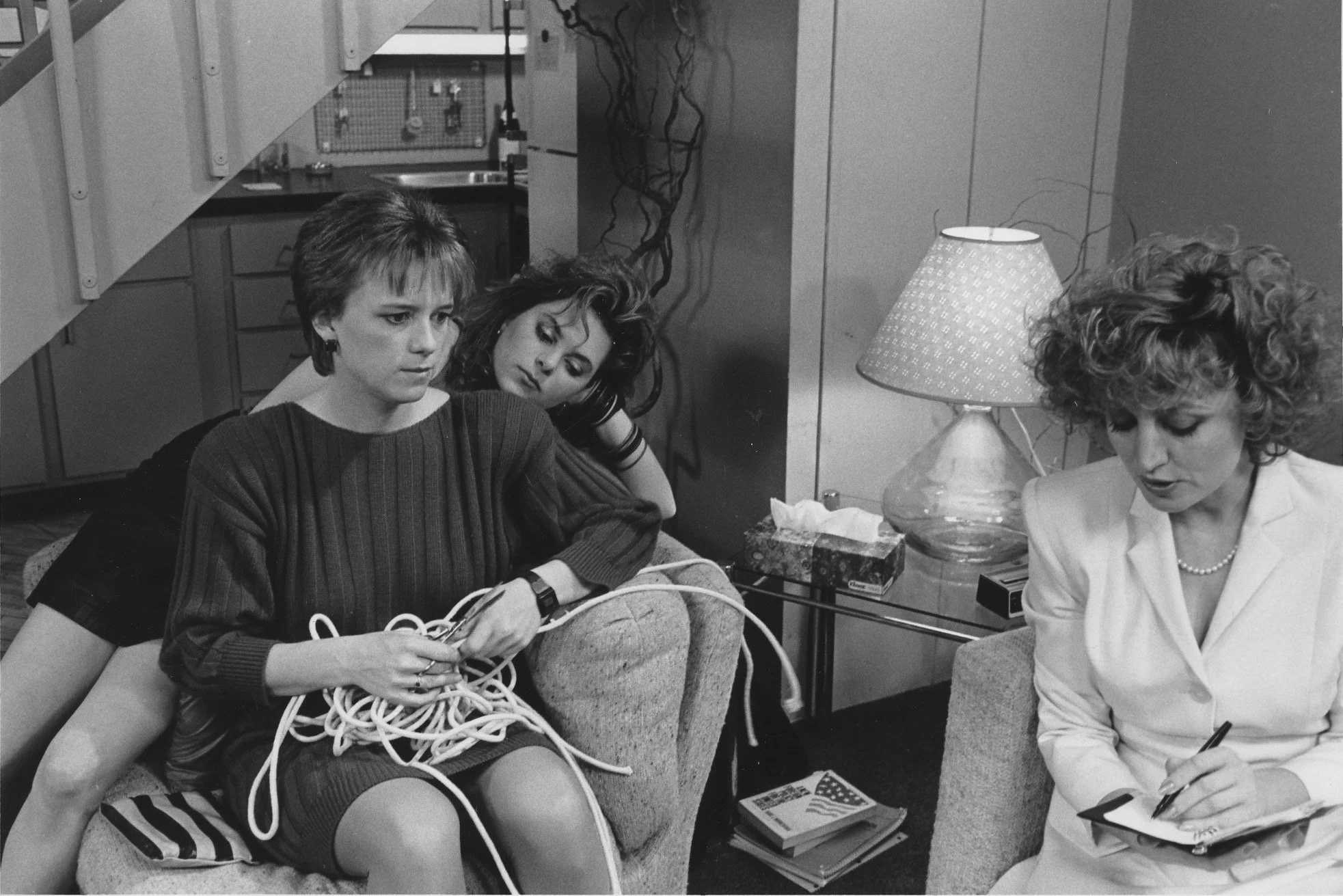
Talking to Lizzie Borden, you have to be able to explain why you believe what you believe. Whether or not the experimental soundscapes in Regrouping and Working Girls are pessimistic or whether shedding class insulation to work as an artist or brothel worker or brothel owner are downward mobility or just “sideways,” as she likes to say, whatever you’ve taken away from her films, you must speak from the foundation of being well-studied and emotionally literate. There is, however, always the possibility that you already agree, but in different terms.
Working Girls has met me at very different times in my life over the course of fifteen years. During my pre-interview watch, I actually started crying. “Has anyone cried at the screenings?” I ask. She says no. She wants to know more about my response: I cried specifically when Molly finally got to take a break outside during her second shift.
“Oh, that's interesting,” Borden says. “I think people are moved by that scene, but I don't know that they cry. That scene does get to people, and a lot of people have brought that up and have asked questions about it, like, ‘What is she thinking about? Is she thinking about having kids? What does it mean?’ You know? And I kind of see it as a Rorschach test in a way. What does it mean to you? What do you feel when you see it? Why did you cry, do you think?”
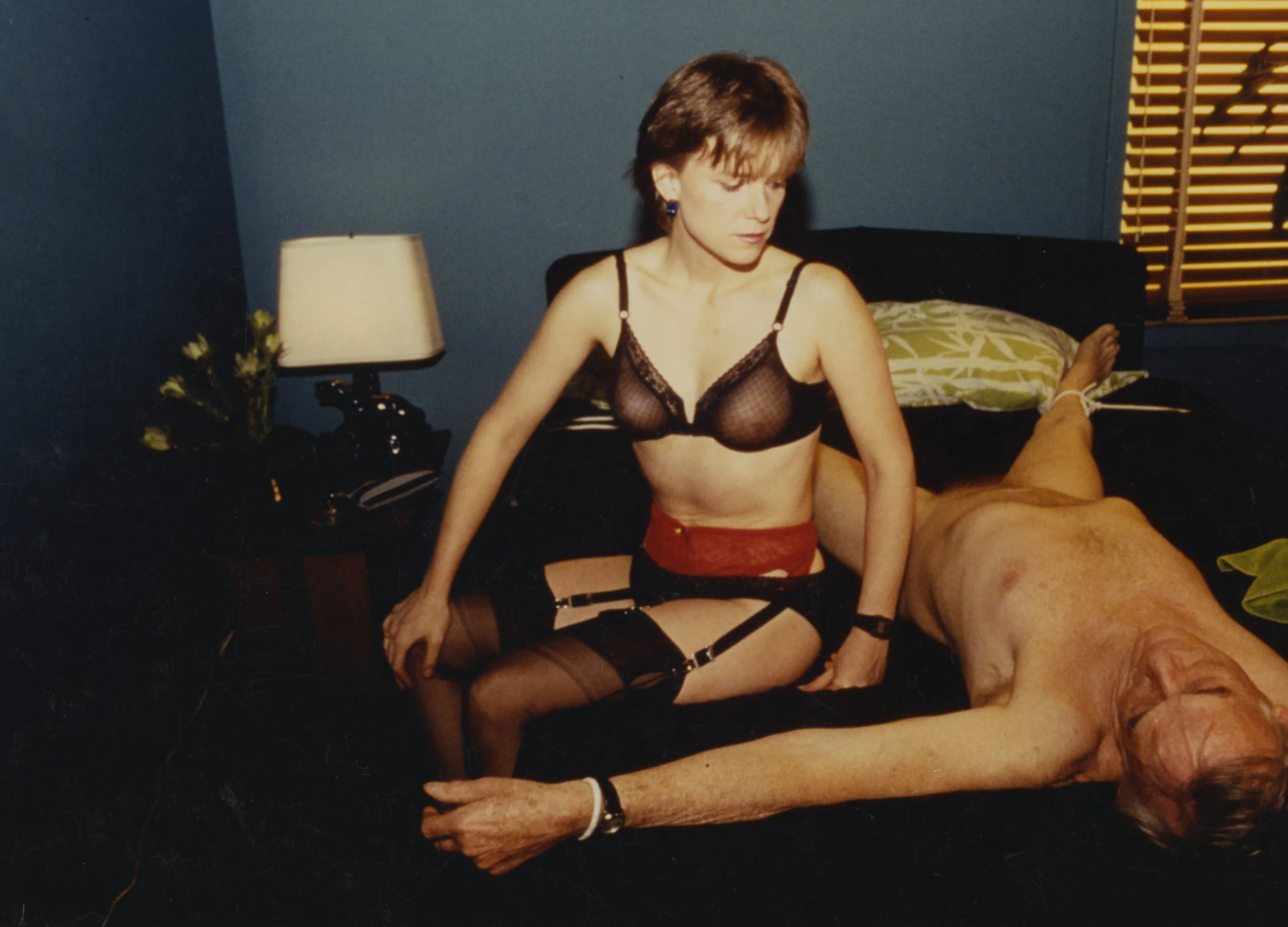
I respond, “I felt the relief that I was imagining she was feeling – the way she maybe felt something inside her that she needed to be there. She needed to maybe rest her eyes, rest her heart a little bit. Maybe regulate outside.”
In this moment, I appreciate the pure human-to-human connection of being asked questions by the creator of what I believe to be one of the greatest movies of all time. Sometimes I spend money on contemporary queer films and end up wishing I was just watching Working Girls again. Working Girls is fundamentally a movie that feels. Lizzie Borden deeply feels.