Culture Slut: An Honest Reflection On America’s Next Top Model
Words: Misha MN
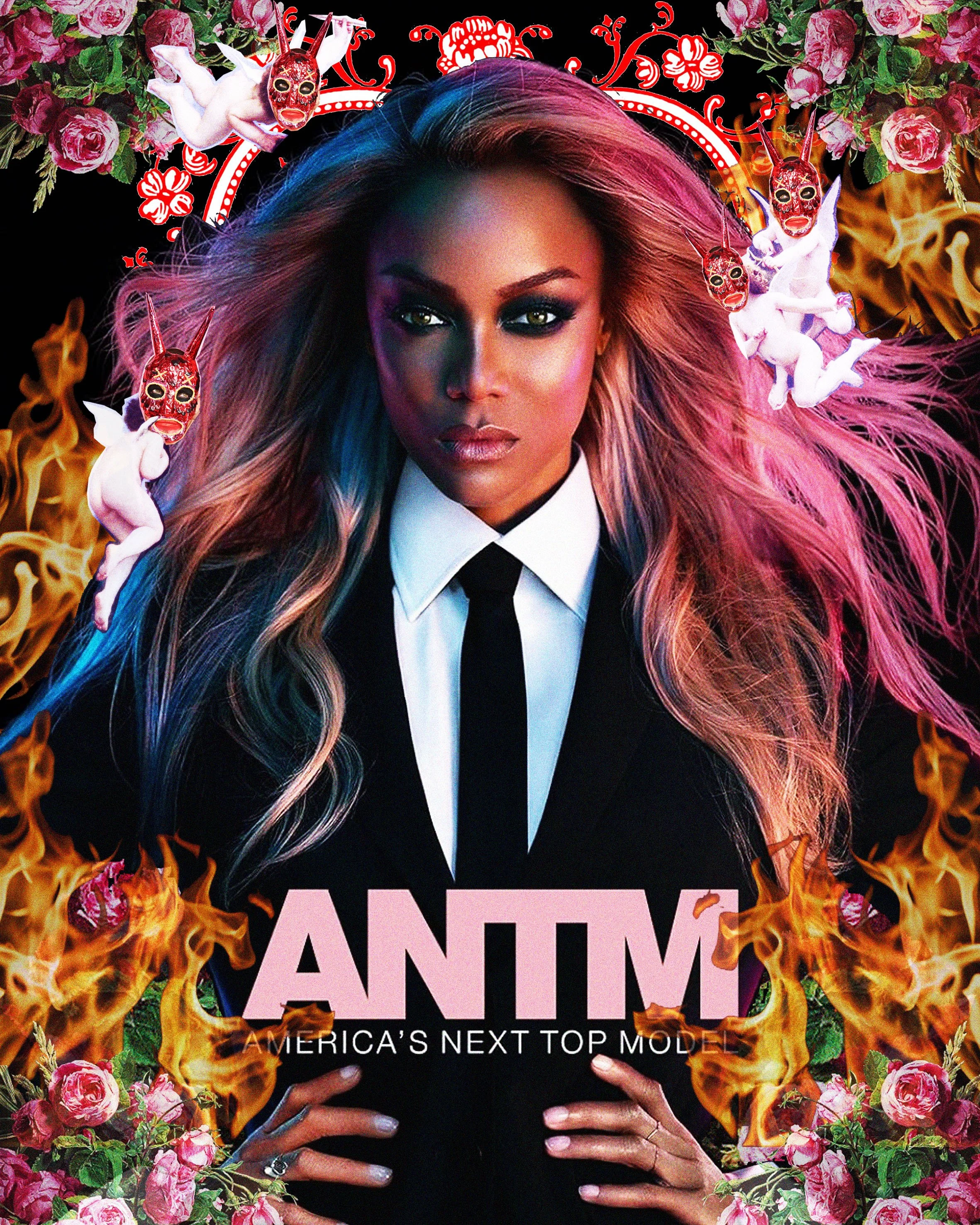
America’s Next Top Model is back in the headlines and I couldn’t be happier. The internet has been crying out for years for a no-holds-barred expose on the iconic 00s reality show and for host Tyra Banks to be held accountable for her crimes, and baby, they gave it to us. Netflix dropped the three episode Reality Check: Inside America’s Next Top Model back in February and the chickens have been clucking about the drama, the personality disorders and the hot steaming tea ever since. The show interviews former contestants, notable journalists, previous judges, production staff and, shockingly, the trench-coat-wearing golden goose herself: Tyra Banks.
Now, there were rumours flying around that Tyra was a producer on this series, but that has been refuted by other participants and the Netflix directors themselves, who stated that Tyra was invited to give an interview, but that it would be made with or without her contributions. It certainly does not bend over backwards to paint Tyra in a flattering light, or even necessarily give her the benefit of the doubt in many cases, but it does maximise our viewing pleasures with its shady captions and the subtle sassiness of its editing.
I’ll start this off by saying that I loved America’s Next Top Model as a teen. I was an obsessive viewer from Cycle 1 up until about Cycle 16, falling off before they started doing really crazy things like the British Invasion which brought in former contestants from Britain’s Next Top Model, the All Stars season which featured fan favourites from the show’s past cycles, or the seasons where they started letting boys (shock! horror!) compete too. Basically, every episode pre-Kelly Cutrone has been etched into my memory from the hundreds and hundreds of hours of reruns that used to be shown daily on cable TV channels like Sky Living and E4.
The genius of the show was its simplicity and its accessibility: 14 girls would be cast and taught how to model in front of a camera, learning a new skill and facing a panel of industry professionals (models, photographers, stylists, brand ambassadors) and an elimination each episode until a winner was crowned in the finale. Any casual viewer could switch over at any moment, understand what was going on and feel included. Seasoned viewers enjoyed a sense of expertise, predicting the judge’s critiques before they happened, or falling back on their own relative fashion knowledge. Remember, back in the 00s, print media was still booming, magazines were plentiful and even the most disinterested consumer knew what good fashion pictures looked like, how models were supposed to present themselves and what stuck out as wrong. Also, with the proliferation of small digital cameras, teens had started to understand that jarring feeling of disembodiment when looking at instant photos of themselves, learning how to pose for a camera in real time and judge their own visual corporeality. Top Model came at the time when we needed it most and changed the world forever.
___STEADY_PAYWALL___
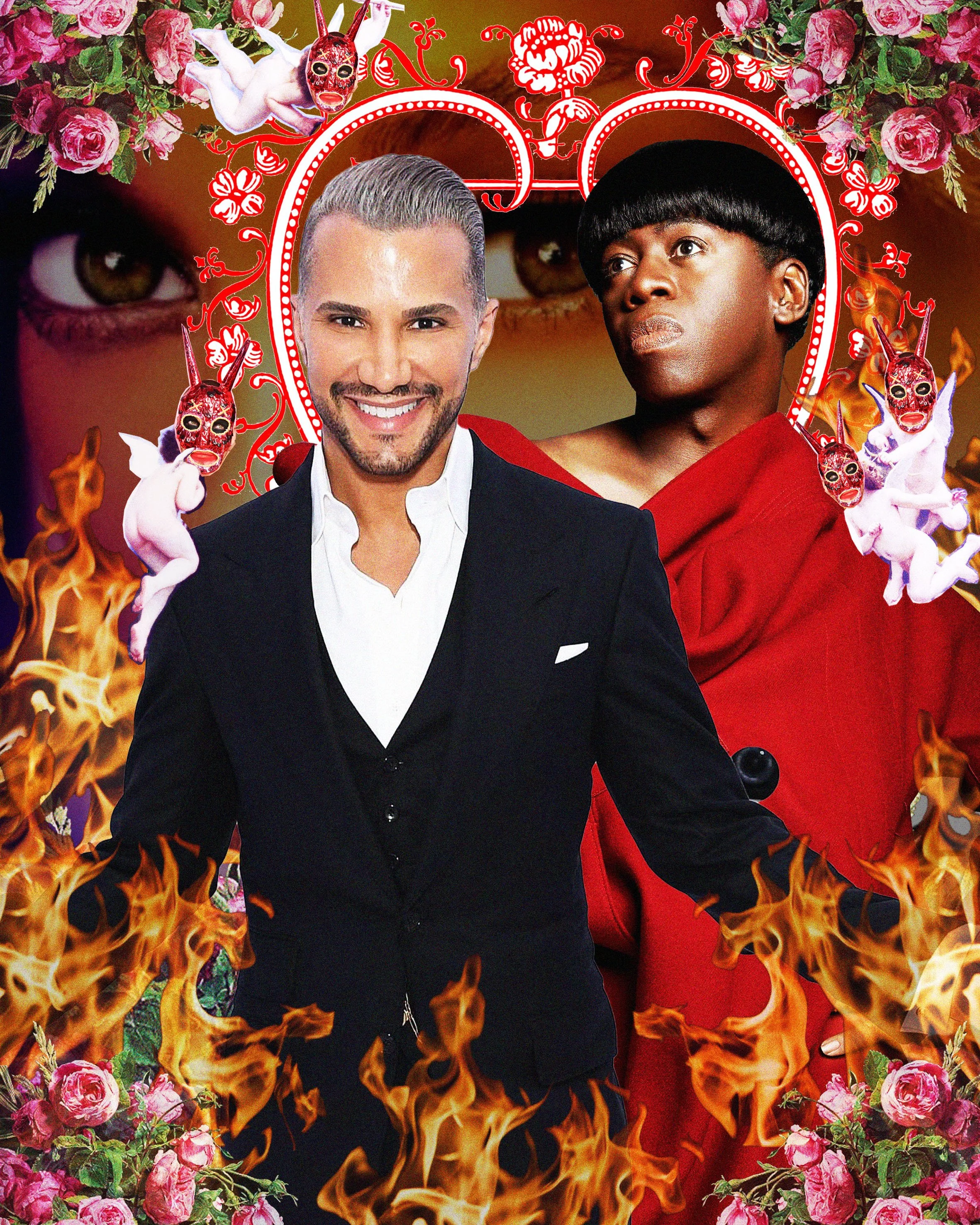
One of the greatest things Top Model did, which they don’t get enough credit for, is to bring visible queerness to a mainstream audience in a way that had never been seen before. Regular photo shoot director demon twink Jay Manuel and runway coach diva extraordinaire J. Alexander, not to mention the host of gay photographers and makeup artists running around the sets and challenges every episode, showed queer people in positions of power which truly was groundbreaking at that time. The black, gay, gender-extravagant weirdos weren’t the butt of the joke, the toothless stereotypes of Mean Girls or High School Musical, they were employers, artists, set directors, mentors, judges. They were people that you needed to impress, to work well with, because they held the keys to your destiny and the whole world knew it. Even as early as Cycle 1, the uber-religious contestant Robin who often had conflict because of her strict evangelical beliefs knew not to fuck with the Jays, bestowing upon them their working titles as Mr Jay and Miss J, honorifics that would have the religious right frothing at the chops today if they dared to show a man being called “she” on a primetime non-gay show.
“In a pre-social-media world where the only people who have voices are production teams, studio heads and tv critics, the outrage of an audience falls on deaf ears.”
The echoes of Top Model can still be heard in some of today’s reality series, most significantly in the shimmering success that is RuPaul’s Drag Race. From its legendarily statuesque host to its elimination format, Drag Race truly is the spiritual successor to Top Model, and the two worlds have collided more than once. Raja, the winner of Season 3, also known as Sutan Amrull was a make up artist on Top Model for cycles 4-12, even appearing in Tyra Banks drag in cycle 6 to announce the group trip to Thailand (is that a ladyboy joke?). Raja would play Tyra again during her barnstorming run on Drag Race during the Snatch Game celebrity impersonation game, even wearing an official ANTM logo tee that had to be blurred out so the network didn’t have to pay royalties. Raja was not the only Top Model transplant though, celebrity fashion photographer Mike Ruiz helmed photoshoot challenges for both franchises, Drag Race assistant director Duncan White (who appears in the crew makeover episode in season 9 with Sasha Velour) and several camera operators had all previously worked for Tyra too, showing both the pedigree of the Drag Race family, and the close-knit world of LA television. Drag Race’s infamously redacted catchphrase (“You’ve got she-mail!”) is a Top Model joke, a reference to the contestants receiving Tyra Mail messages telling them about challenges and eliminations, a joke that I think lasted longer in the cultural consciousness than it needed to. Its retirement was welcomed not just because it was offensive, but because it had also ceased being a relevant reference.
The Netflix documentary brought light to things we already knew, like the crazy conditions on set and the discarding of contestants as soon as their cycle finished, but also dredged up things from truly the darkest depths. One of the most shocking was the story behind Shandi’s breakdown on Cycle 2, which was set up as the girls going wild and Shandi cheating on her loving boyfriend with a hot Italian male model at a party, with a long painful confession over the phone and emotional breakdowns on both sides of the Atlantic. What Shandi reveals about that night was how she was so drunk she blacked out, only regaining consciousness during intercourse and breaking down about it immediately afterwards, which truly sounds like assault, or at the very least brings up serious doubts about her ability to consent at the time. The documentary doesn’t say this in so many words, probably for legal reasons, but it truly left a rotten taste in the mouth of the viewers, one that only gets worse when you see Tyra deny any kind of accountability or production-based negligence, and then remember that this show carried on for another 22 cycles after this.
We’ve all seen some of the crazier photo shoot concepts Tyra and the production team put the girls through, some seemingly designed just to push them to their limits, like having a girl pose a bullet riddled corpse after her own mother had been a victim of gun violence, or the girl who had to pose in a coffin in an open grave after receiving news of the death of a friend back home. Of course, we all know about the two (yes, not one, but two) times they had the girls portray different races by wearing heavy makeup and cultural costumes, but, it has to be said, television was a very different world at that time. Not to excuse anything that Tyra and her team did, but we are talking about an era where Crime Scene Investigation was one of the biggest shows in the world, spawning countless spinoffs and revelling the the most gruesome injury detail, making it kind of a no-brainer (sometimes literally) for Top Model to use crime scene victims as inspirations for a shoot. Also, race play was far more commonplace, from blackface comedy sketches on tv and youtube (which remain totally reprehensible), to its clever subversions like the Wayan’s brothers White Chicks, the mainstream discussions about race were not as nuanced or linked to accountability as they are now. In a pre-social-media world where the only people who have voices are production teams, studio heads and tv critics, the outrage of an audience falls on deaf ears.
What cannot be explained away, though, is the treatment of every single person on that set as completely expendable, from the contestants to the judges, to the producers, to eventually Tyra herself. The revolving panel of judges was almost as exciting as the continuously fresh faced crop of girls, welcoming such legends as the first (hotly debated) supermodel Janice Dickinson (a narcotic angel of chaos), the always iconic Twiggy (a more likely contender for the first supermodel in my opinion), the always gorgeous Paulina Poriskova (wicked beauty), and of course, the high priest of exquisite taste, the father of black dandyism, Andre Leon Talley (an inspiration forever). All served their time under Tyra before, according to Poriskova, she felt she needed to cut the fat. What truly started the slippery slope to ruin for Top Model though, was the removal of the Jays (and long term judge Nigel Barker), whose relationship with Tyra had all but disintegrated over the years. In a truly shocking revelation, the documentary showed J Alexander in recovery from a stroke that had left him unable to walk or talk for over a year. He sits regally, delivering one liners in a slightly quavering voice and making his signature faces, eyes rolling wildly at all the shenanigans, but when asked if Tyra ever came to visit him in hospital, a dipped chin and a pointed look speaks more than words ever could.
Top Model was made in the Wild West of reality television, a time before intimacy coordinators, on-set psychiatrists, and wellness officers, and it shows. It rose like a behemoth, taking over everything and leaving only scorched earth behind. It lasted much longer than it should have, overstaying both its welcome and its relevance, finally going out with a whimper rather than the bang it perhaps deserved. Despite teasing a possible return, dead things should sometimes stay dead. It’s goodness was taken and refined so that other shows could shine, but anyone who grew up with Tyra will never forget the wildness of those formative years, the crashouts, the makeovers, the conceptual looks, the crazy runways, the magnetic characters, and the simplicity (perhaps naivete) of following one’s dream of becoming America’s Next Top Model. If Tyra wants to face the millions of voices baying for her blood and her confessions to complicity in such widespread controversy, she’s going to need more than smizing, booty tooching and hot ice cream (don’t ask) in her arsenal. In my hands I hold only one picture, and its a screenshot of Tyra’s mammoth earnings from the multi-national Top Model franchise. Ms Banks knows how to be Bankable, and how to always come out on top.