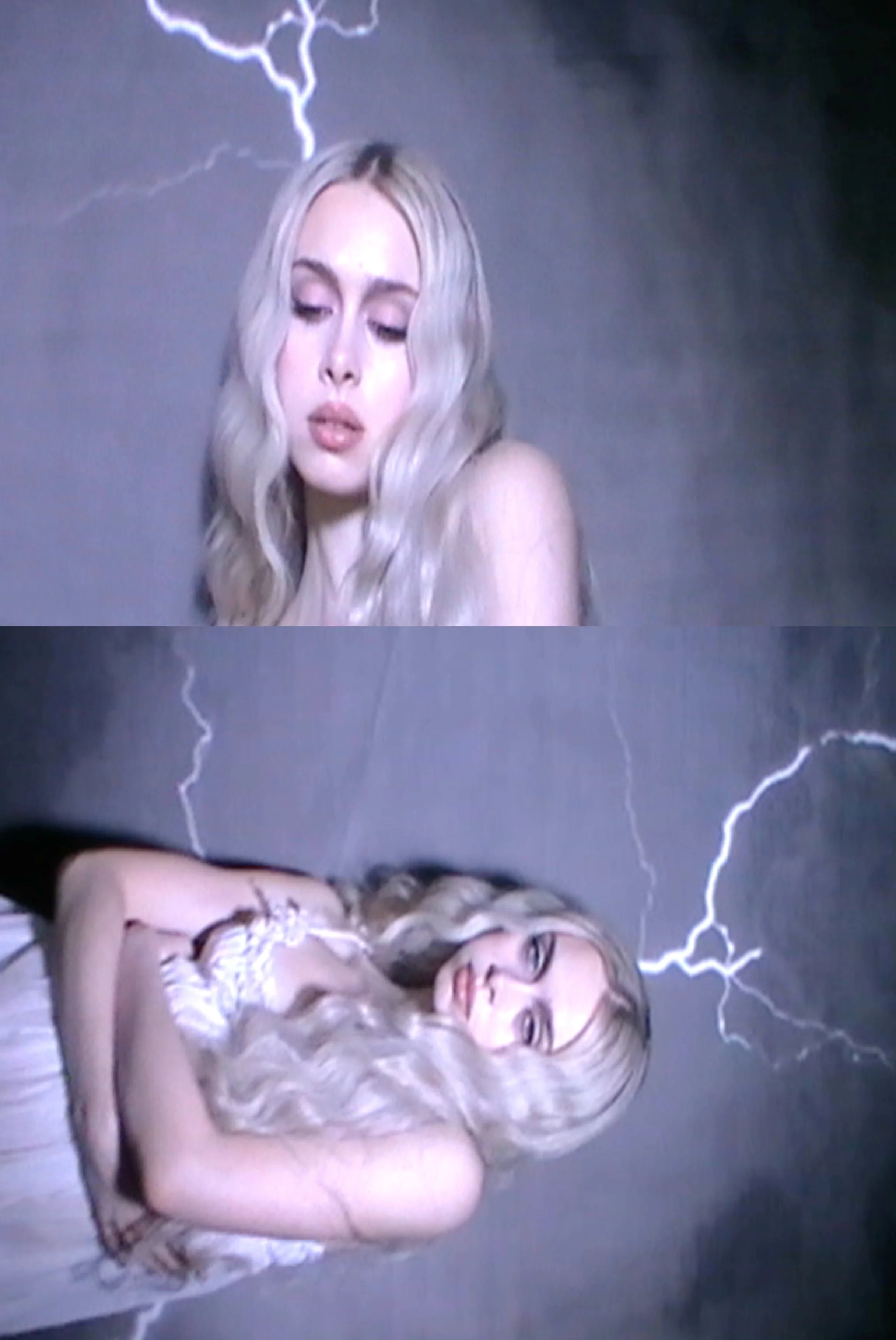
Erin LeCount on Stubborn Songs, Downward Spirals and Writing For Her Younger Self
Words: Paulina Subia | Photography: Lewis Vorn | Makeup: Grace Ellington | Hair: Alan Kitrell | Styling: Katy Cutbirth | Set design: Juliette Najman
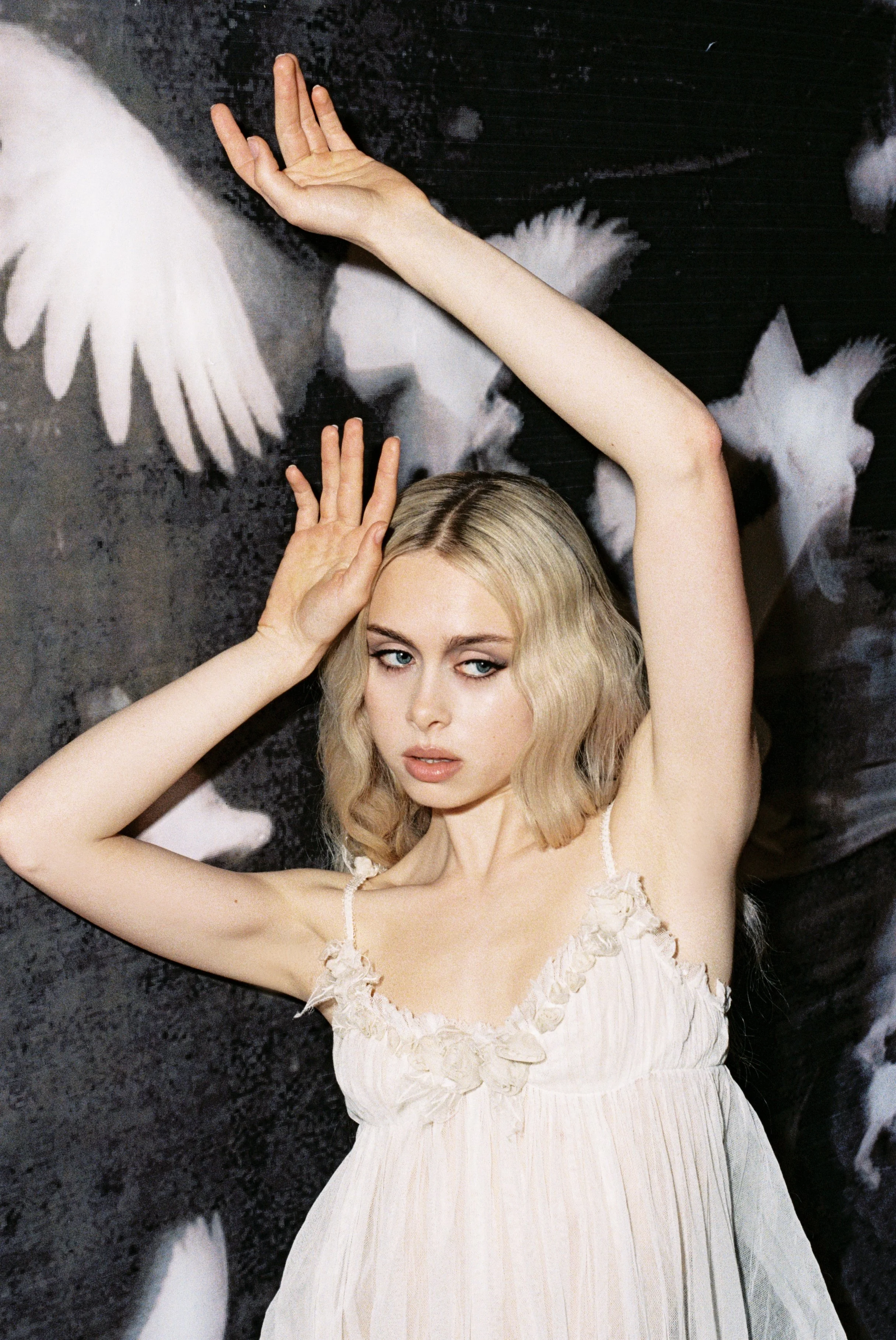
Erin LeCount has always been a storyteller. As a child, a voracious reader living in a fictional bubble, she aspired to be an author. She kept her stories hidden, but the compulsion to perform was in her blood — her mother was a ballet dancer — and difficult to ignore, even at as young as eight years old. “I realised that you could get quite a lot of attention if you were dancing, singing and writing, and combining all of those things into songs,” she says with a laugh.
As a self-described “overly sensitive child,” LeCount’s stories became songs with theatrics — and certainly, her enchanting vocals — which she explains is the only way she could conceptualise bringing them to life.
“Writing was definitely for me, and then performing was for other people, or to gain a certain reaction from a room,” LeCount remembers of her early performances at acoustic nights. It wasn’t until the lockdown that she unleashed the worlds forming inside her head. Isolation granted her the space to experiment, constantly songwriting while teaching herself how to produce on GarageBand and, finally, releasing her debut single, Killing Time, in 2022.
Now, with the release of her third EP, Pareidolia, named for the phenomenon of “this distortion of reality, and the brain seeking familiar patterns and wanting to go back to them,” she explains, the 23-year-old musician expands her world-building through a study of a downward spiral that closely mirrors the questions that she began to face in her personal life.
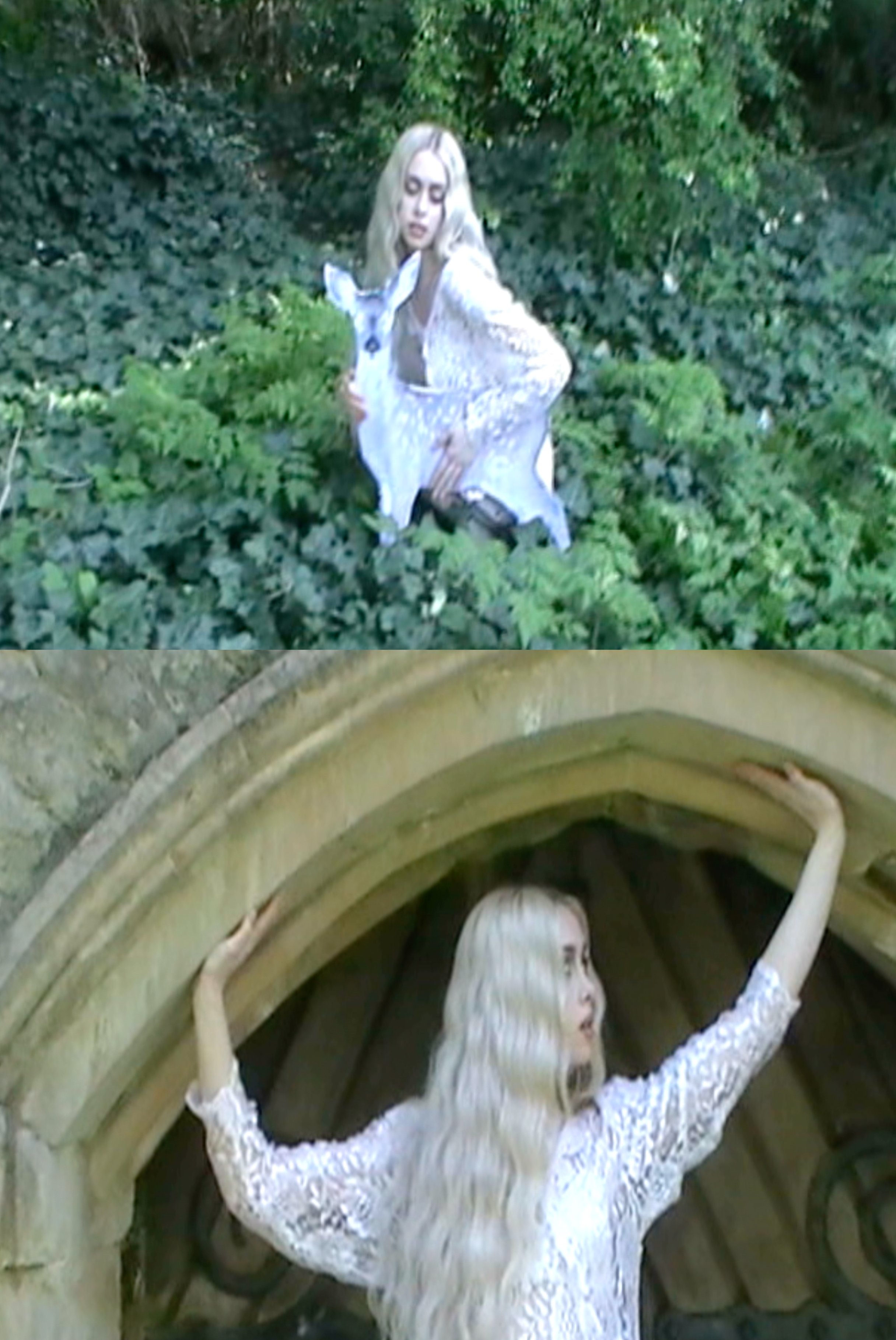
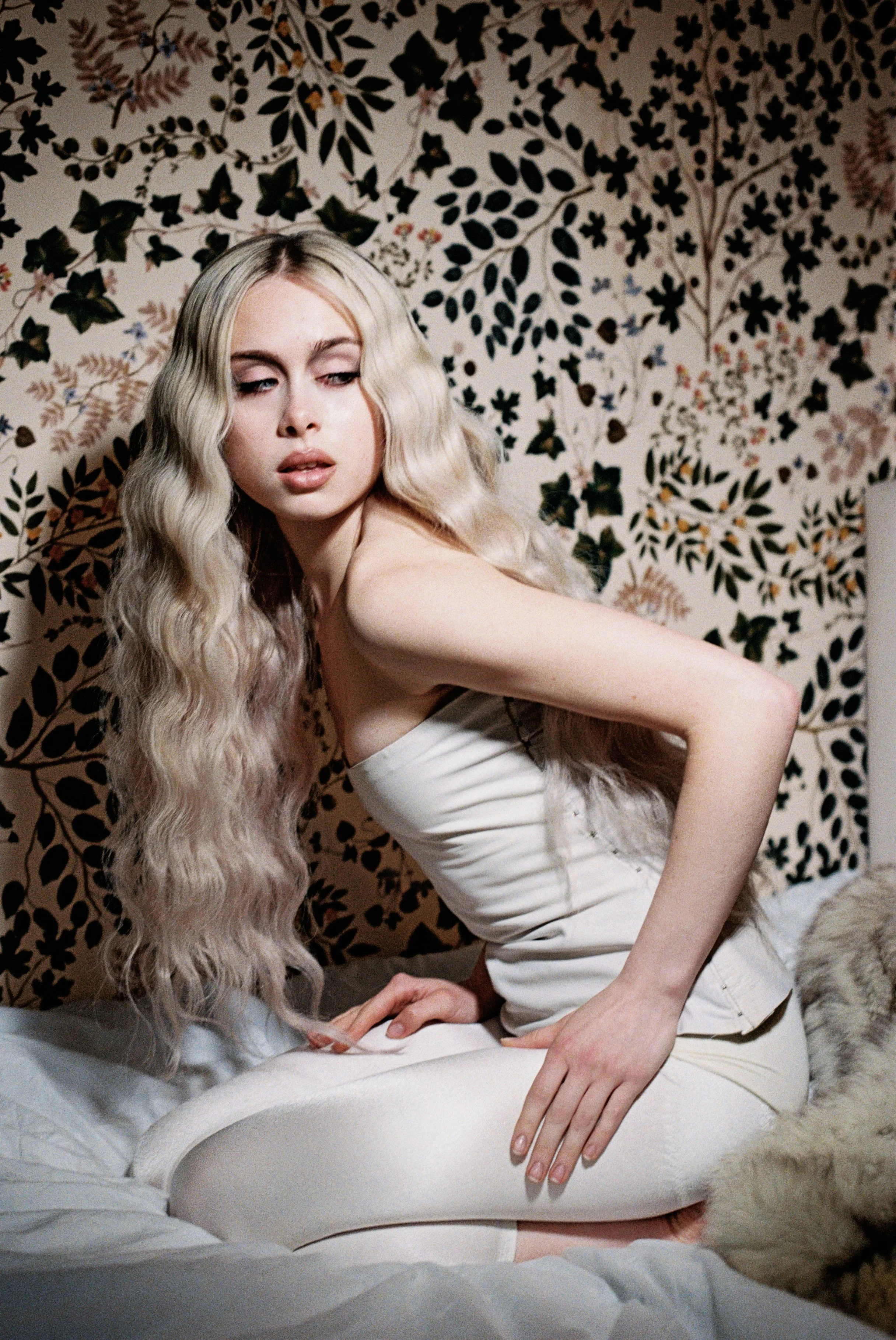
Top: Vultures | Trousers: Stylist’s own
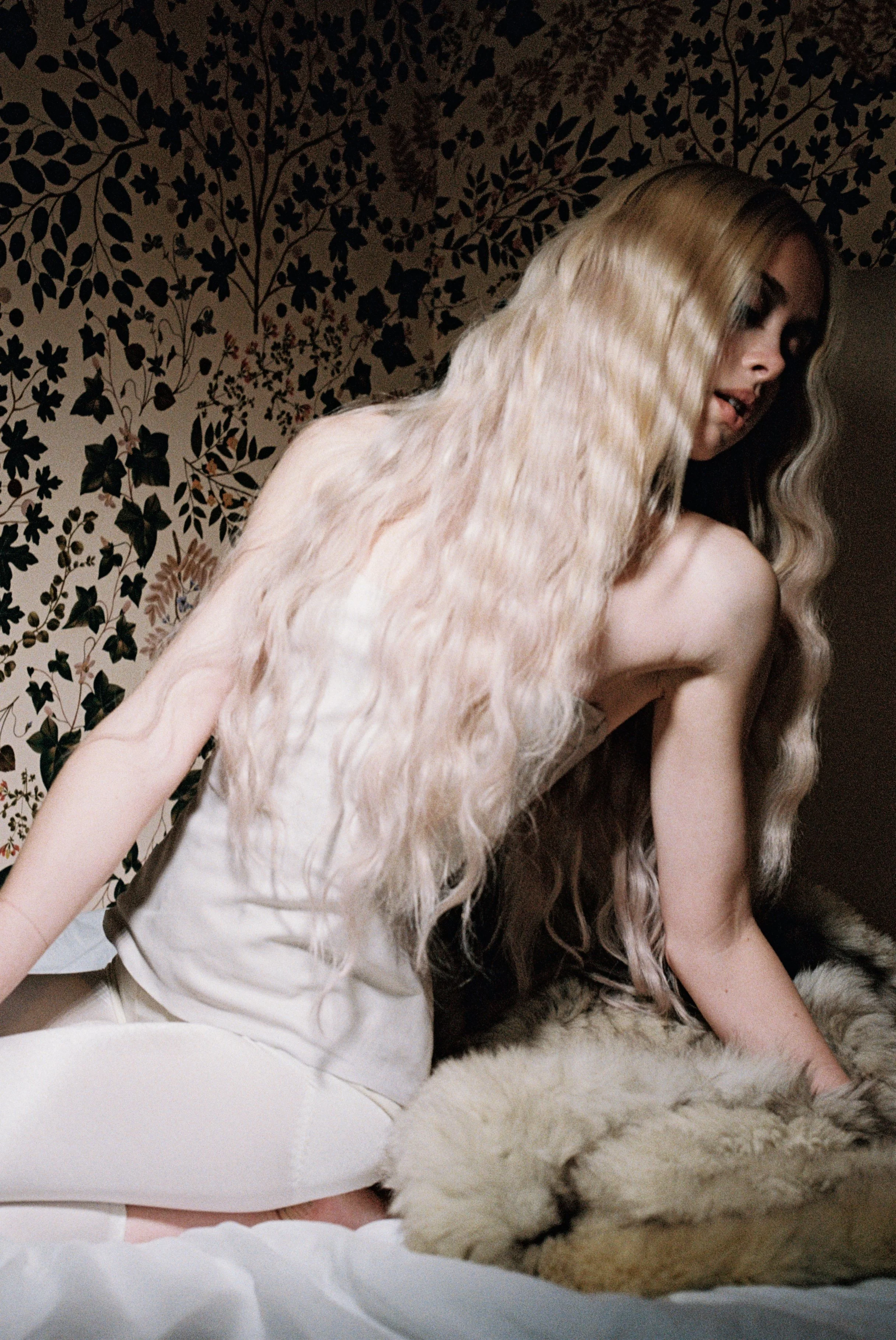
“I was writing about this urge to self-destruct and toying with it,” she says. “I decided that was going to be the concept of the EP, and I was going to explore it as this cautionary tale to myself and write about all those urges and impulses… as a reminder of what comes out of that each time, [and] a way to not enact it in real life.”
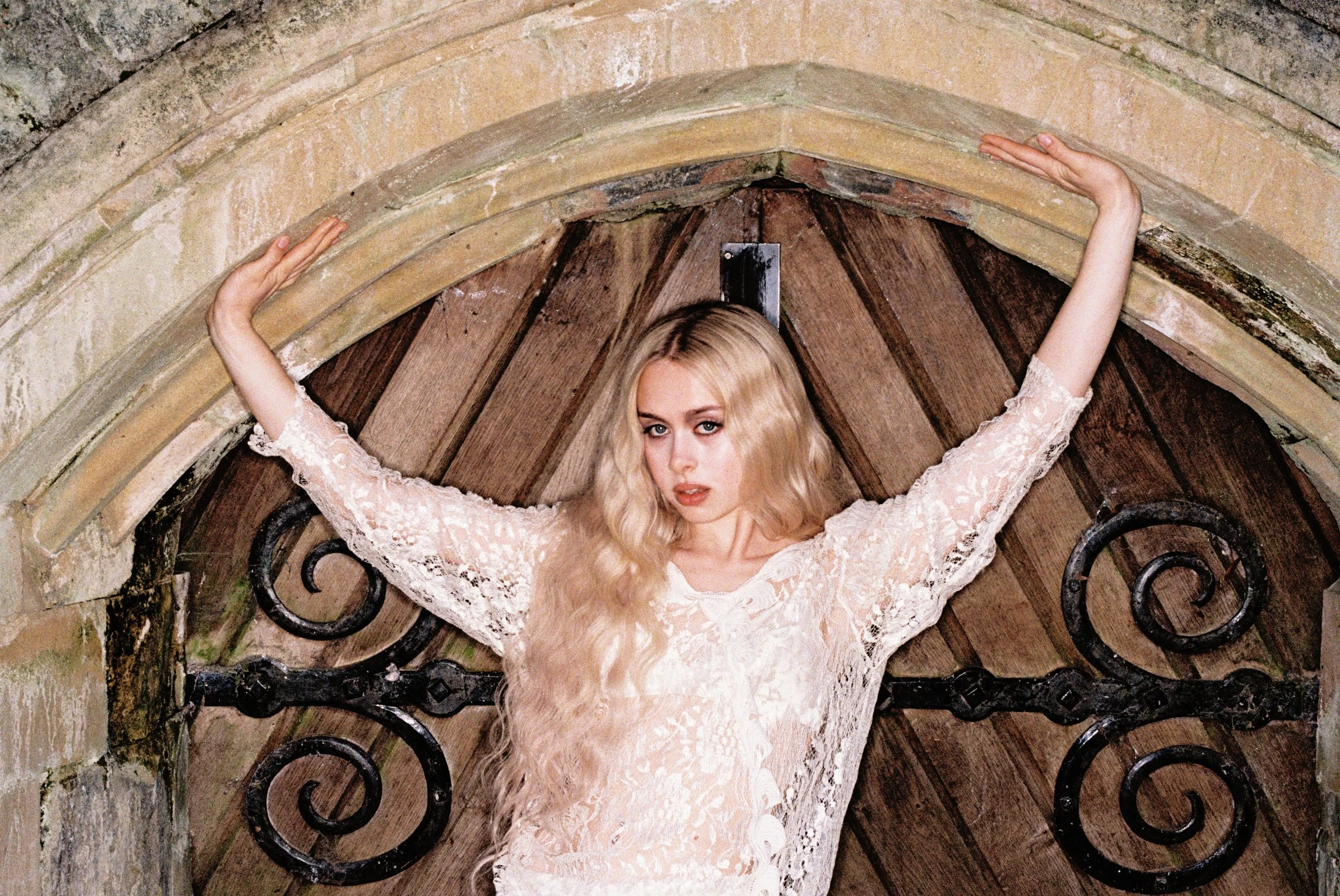
Dress & shoes: Stylist’s own | Lingerie: Buttress & Snatch
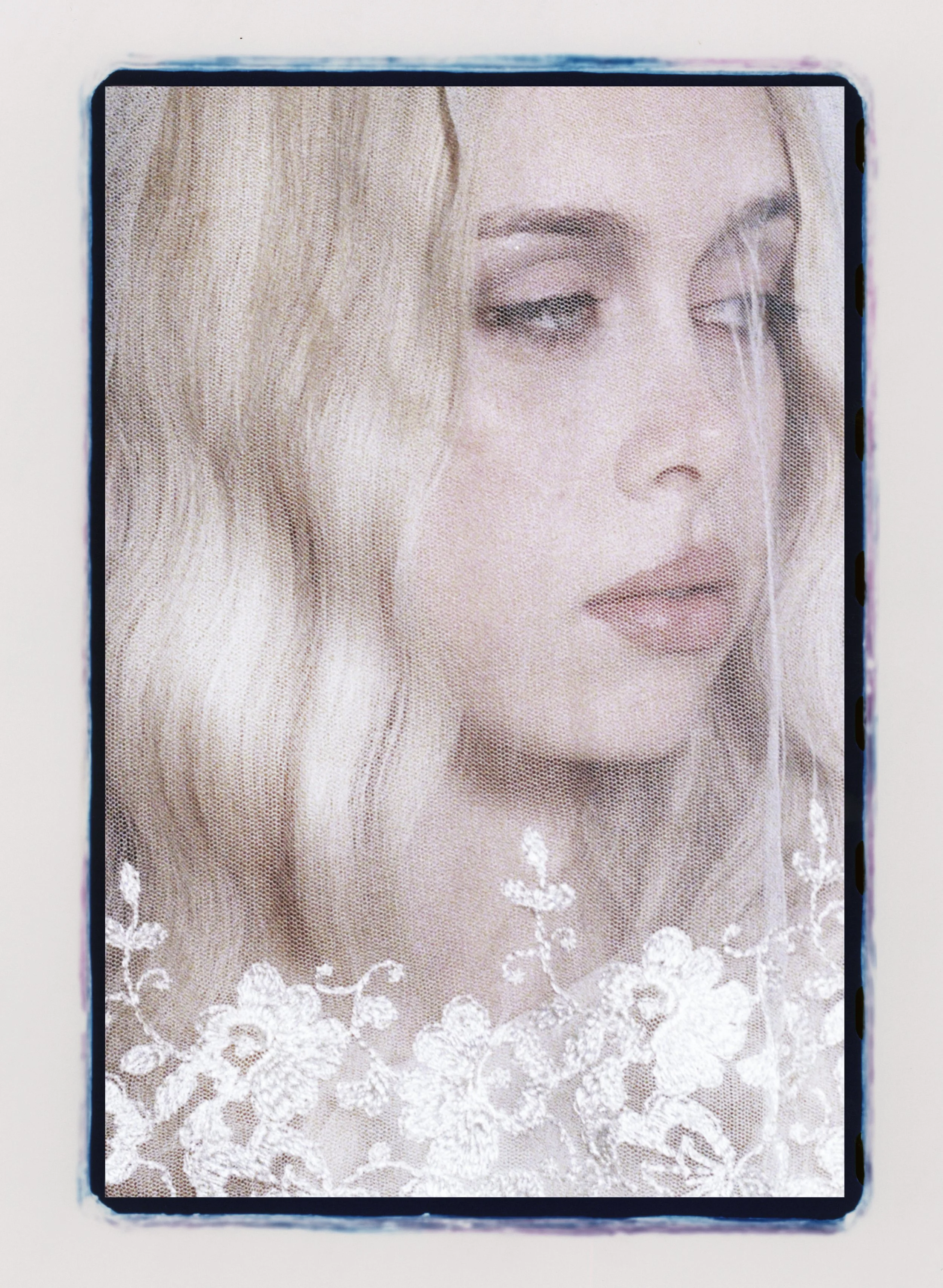
Pareidolia was born from an apathetic period, which saw LeCount struggling to continue writing songs when her perspective felt so uncertain. She wrote I Believe, the EP’s introduction that “felt like the opening question that unravels everything that follows,” examining faith and devotion while seeking salvation in everything from churches to magazine personality quizzes. “I want the same thing from both,” she explains, with her palms outstretched, weighing her options. “I want to feel like someone’s telling me who I am and what I should do with my life. I want guidance.”
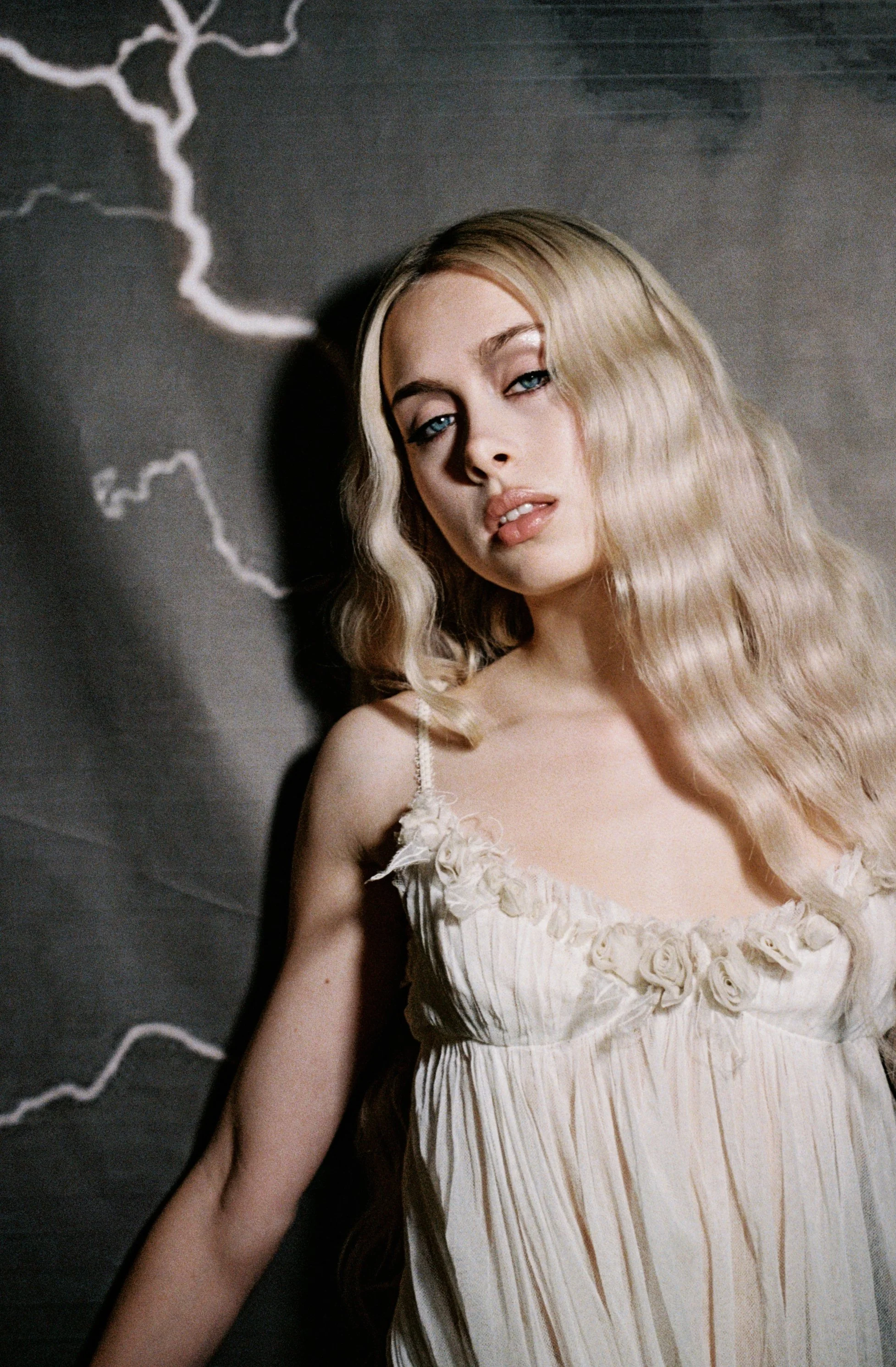
Dress: Buttress & Snatch | Jeans: Levis
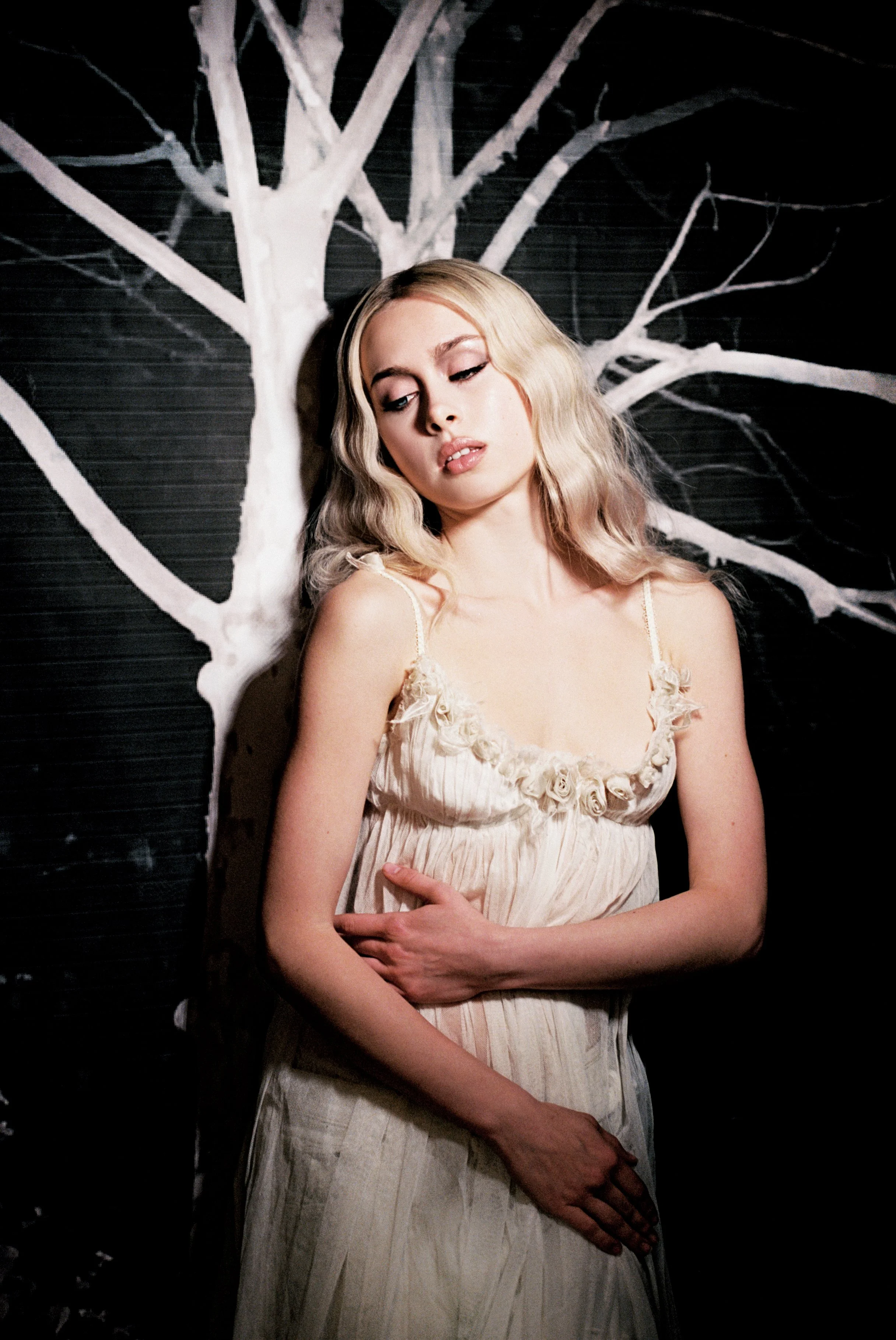
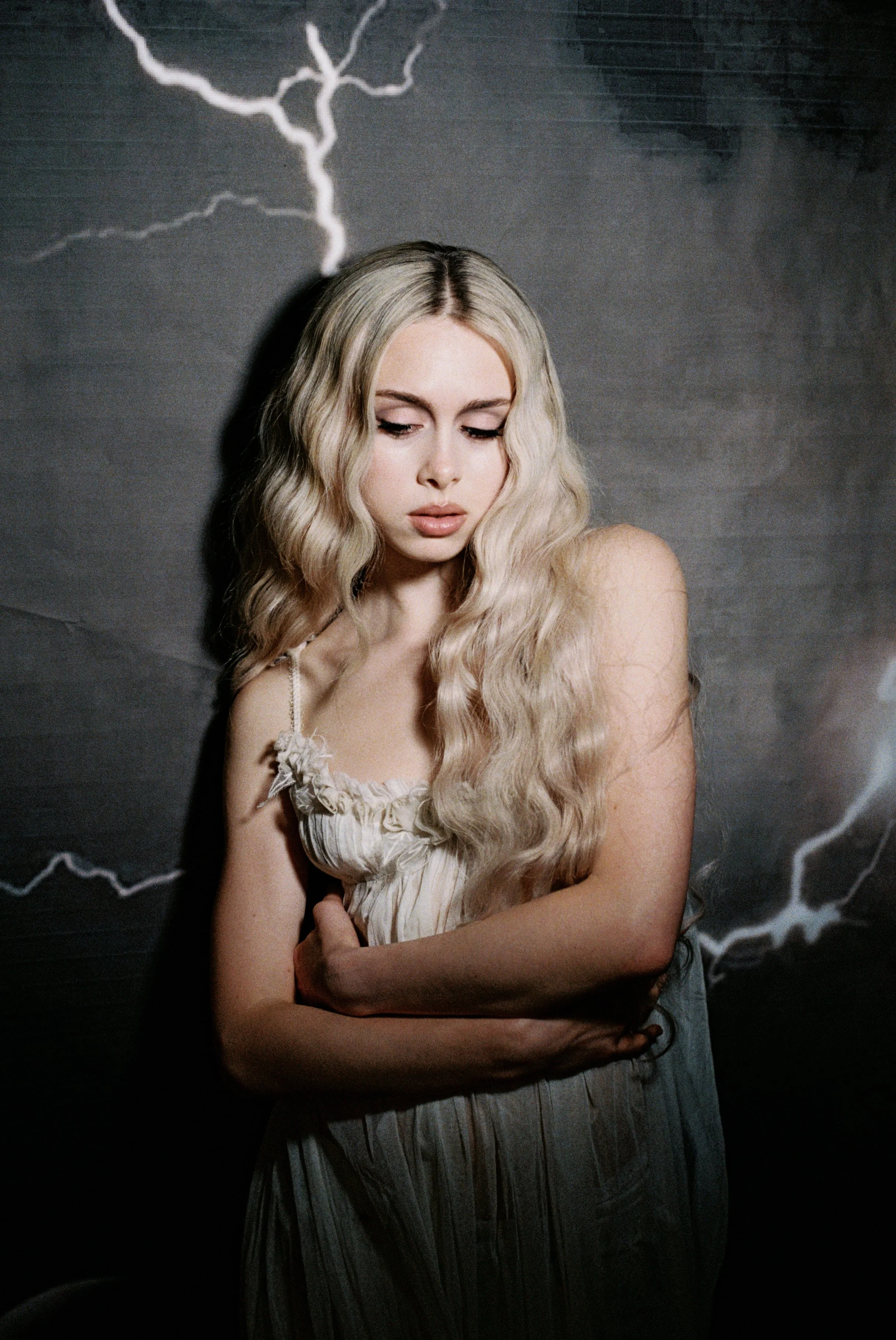
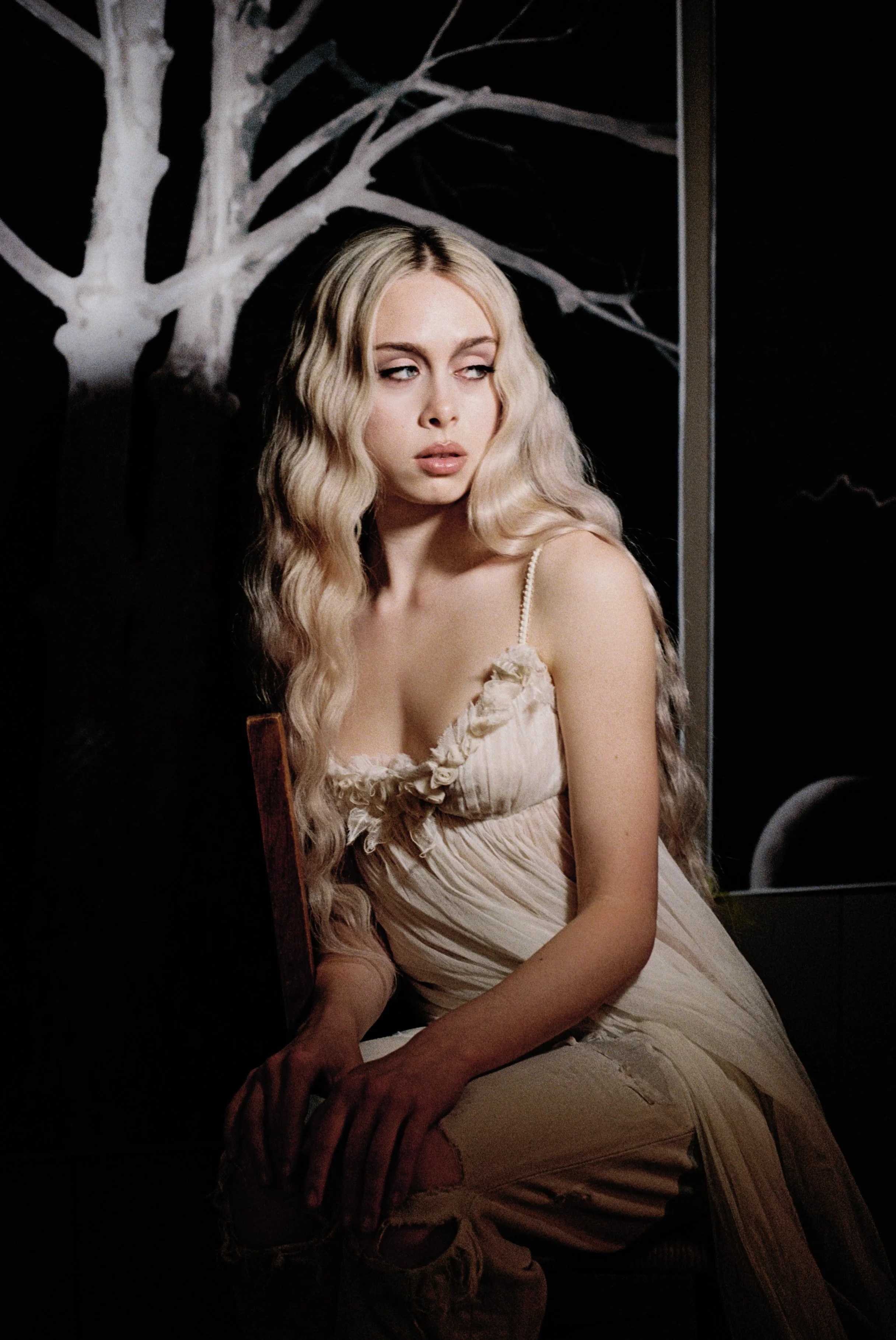
“I write equally from a place of feeling like I've lived a hundred lives and I'm 20 years older than I am, but also still feel[ing] like a nine-year-old… I fluctuate between the two.”
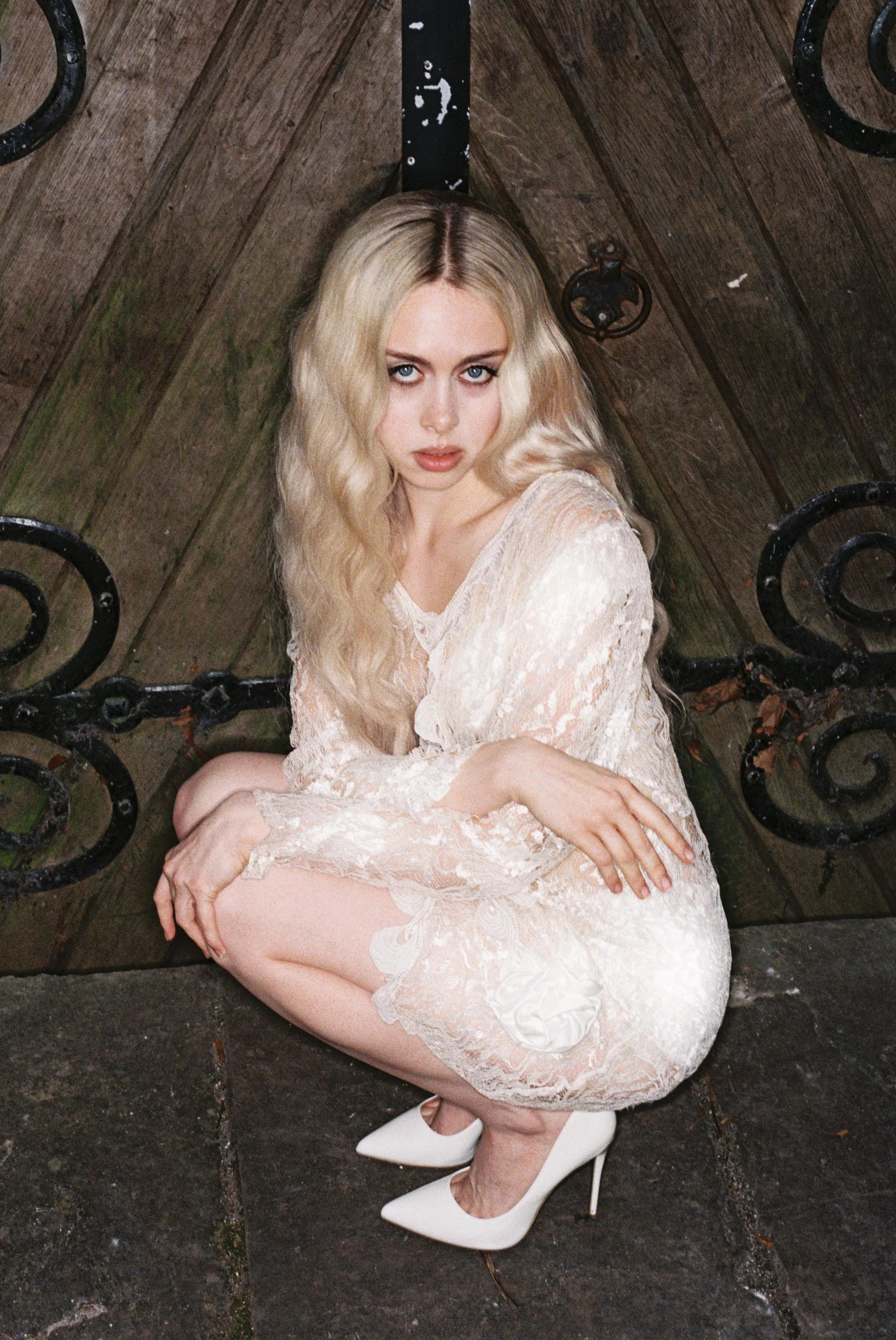
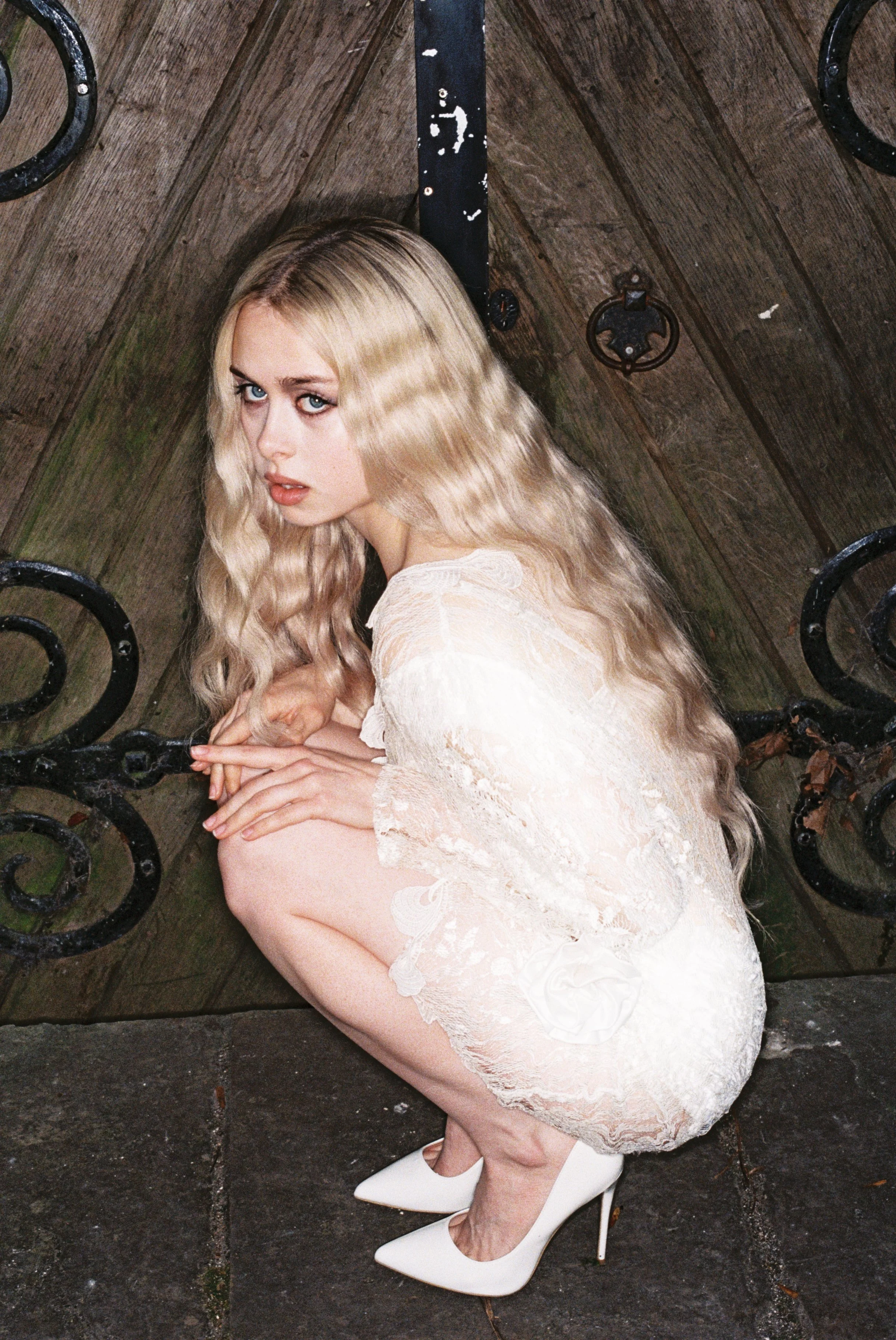
The subsequent songs on Pareidolia come from this emotional core. Don’t You See Me Trying? walks the line between euphoria and danger, while 808 Hymn traces fear in a night walking home alone and American Dream wakes up the morning after, reckoning with dreams versus reality. Machine Ghost tries to return from dissociation, and is the song that LeCount names as her favourite she has ever made, as it was “so specifically honest to how I was feeling in that phase of my life”.
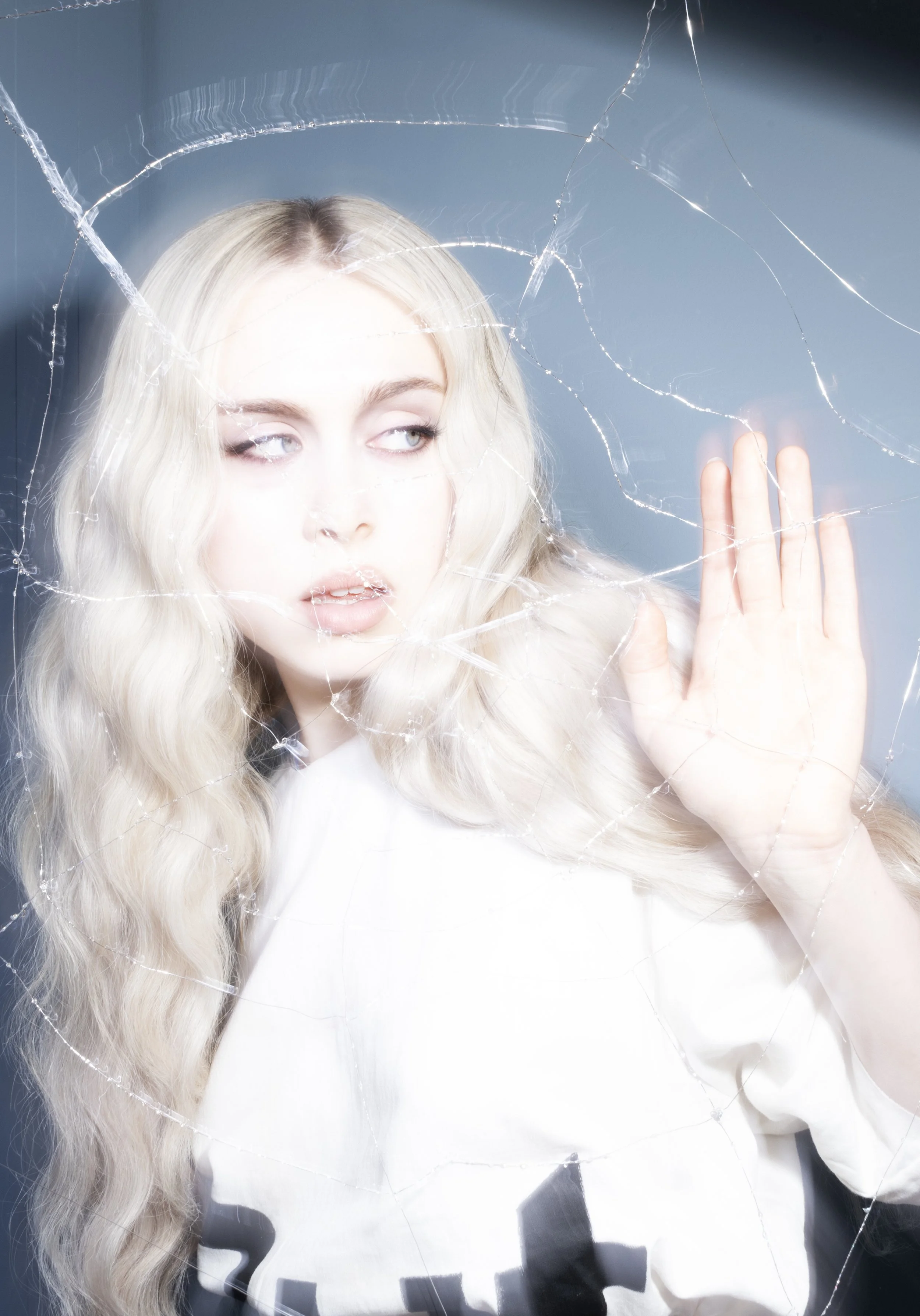
Pareidolia closes with Alice, a reflection on a relationship that reveals a toxic pattern to remove herself from. The parallels to Lewis Carroll’s Alice’s Adventures in Wonderland anchor Paraeidolia in a literal spiral into madness, with a desperation to save oneself.
Across Pareidolia, foreboding synths with soft orchestrations strike a balance between melodies that haunt while compelling you to dance. The fantastical elements of Pareidolia came to life in the nods to Carroll’s story, seen from the rabbit ears that LeCount dons onstage to her beckons of “Follow me down the rabbit hole?” that immerse her fans into her world.
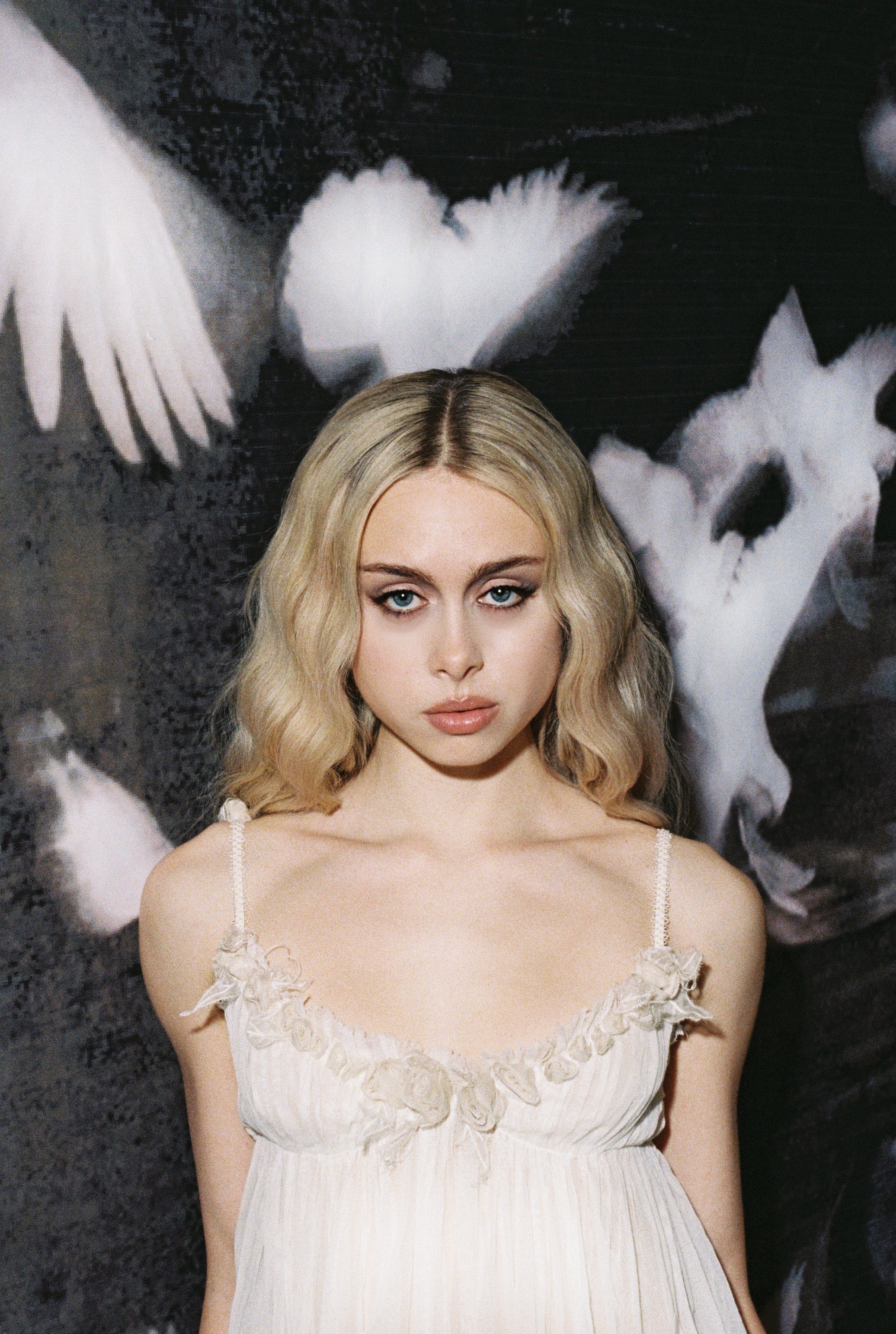
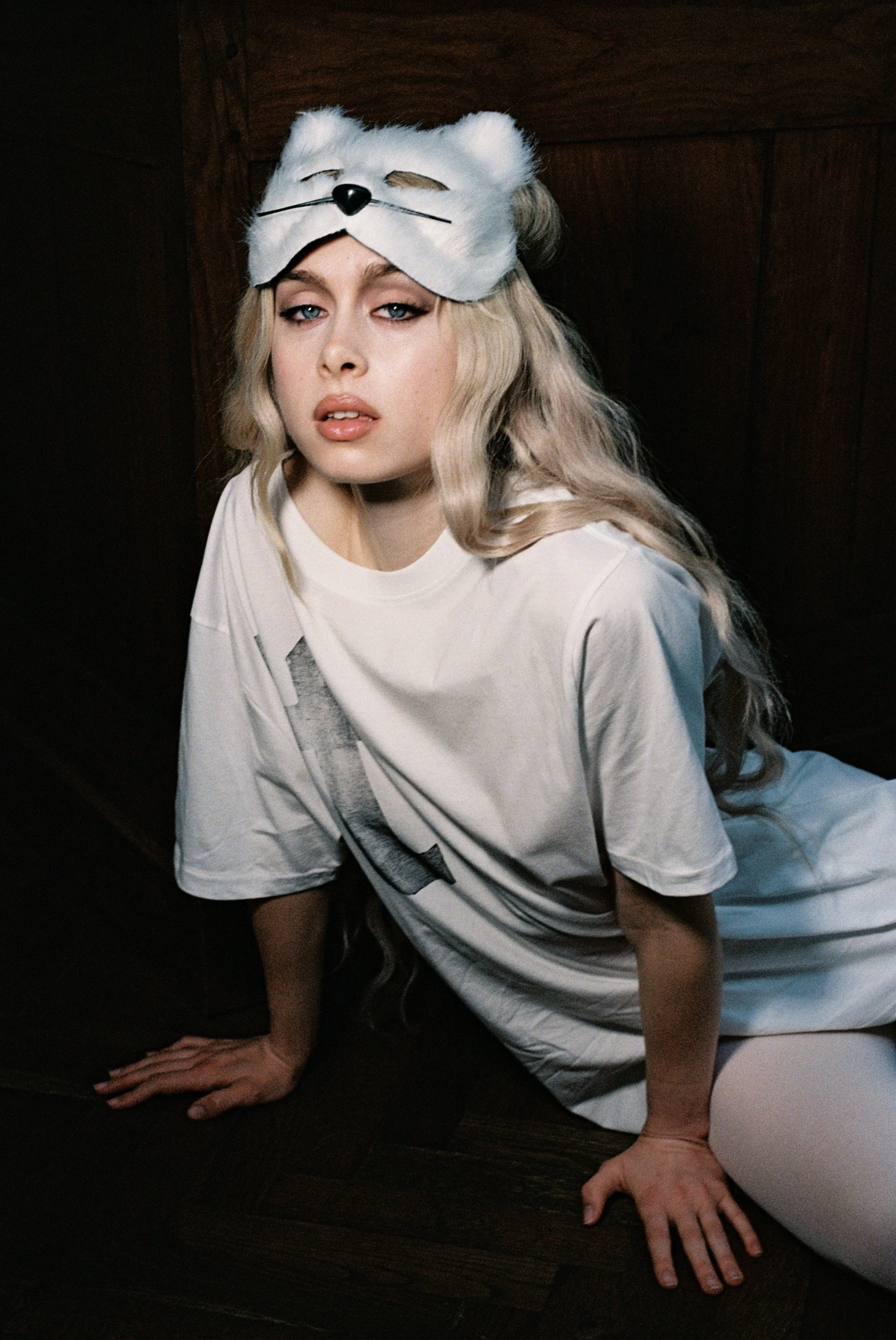
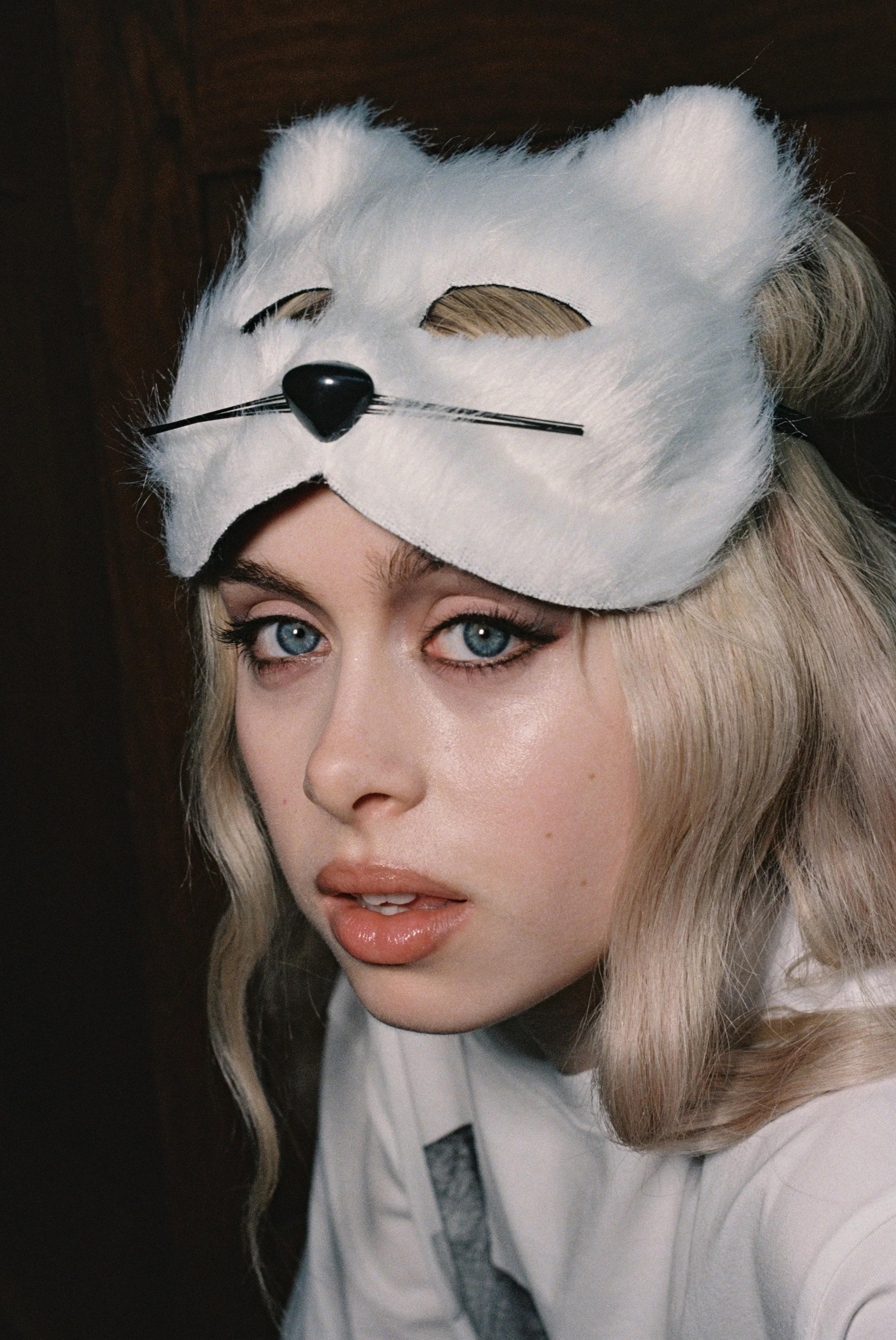
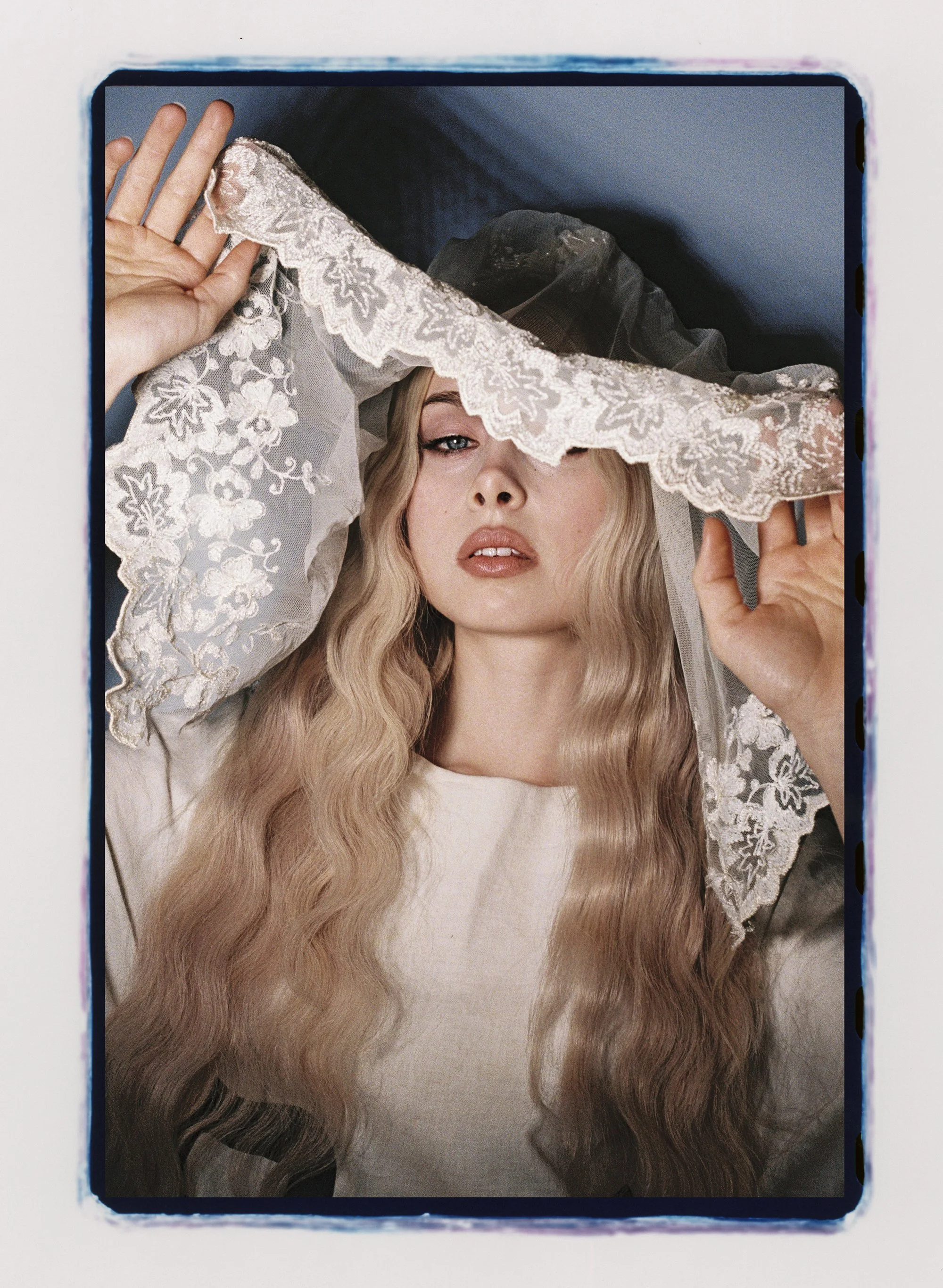
Top: The Pegram Collection
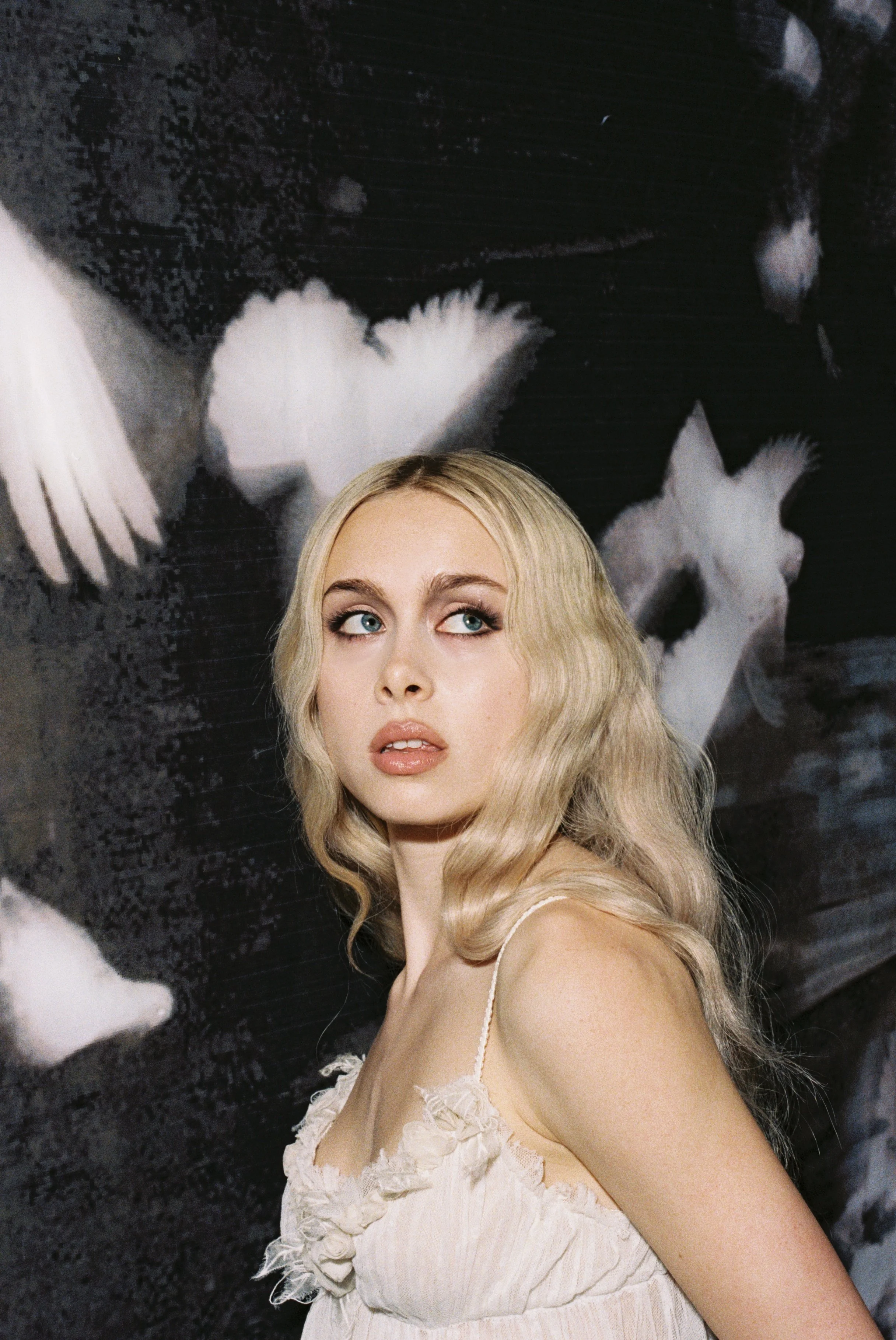
“It's taken years for [my music] to find the right people and connect, but I love it so much that I didn't stop,” she admits. “It's rewarding to now see rooms of people who are receptive to those things that are intensely personal, because for a long time I didn't think anyone would want that, that it wasn't the role that I was meant to fill.”
LeCount writes with an intentionally direct tone that insists upon the truth, as such honesty is what the song demands. “I think songs are these stubborn entities, and I can’t filter lines of, ‘This will make it safer or neater,’” she explains. “I see the song as a separate thing, which probably sounds slightly mental. But if that’s what the song’s required and what came out as I was making it, then that’s what it is.
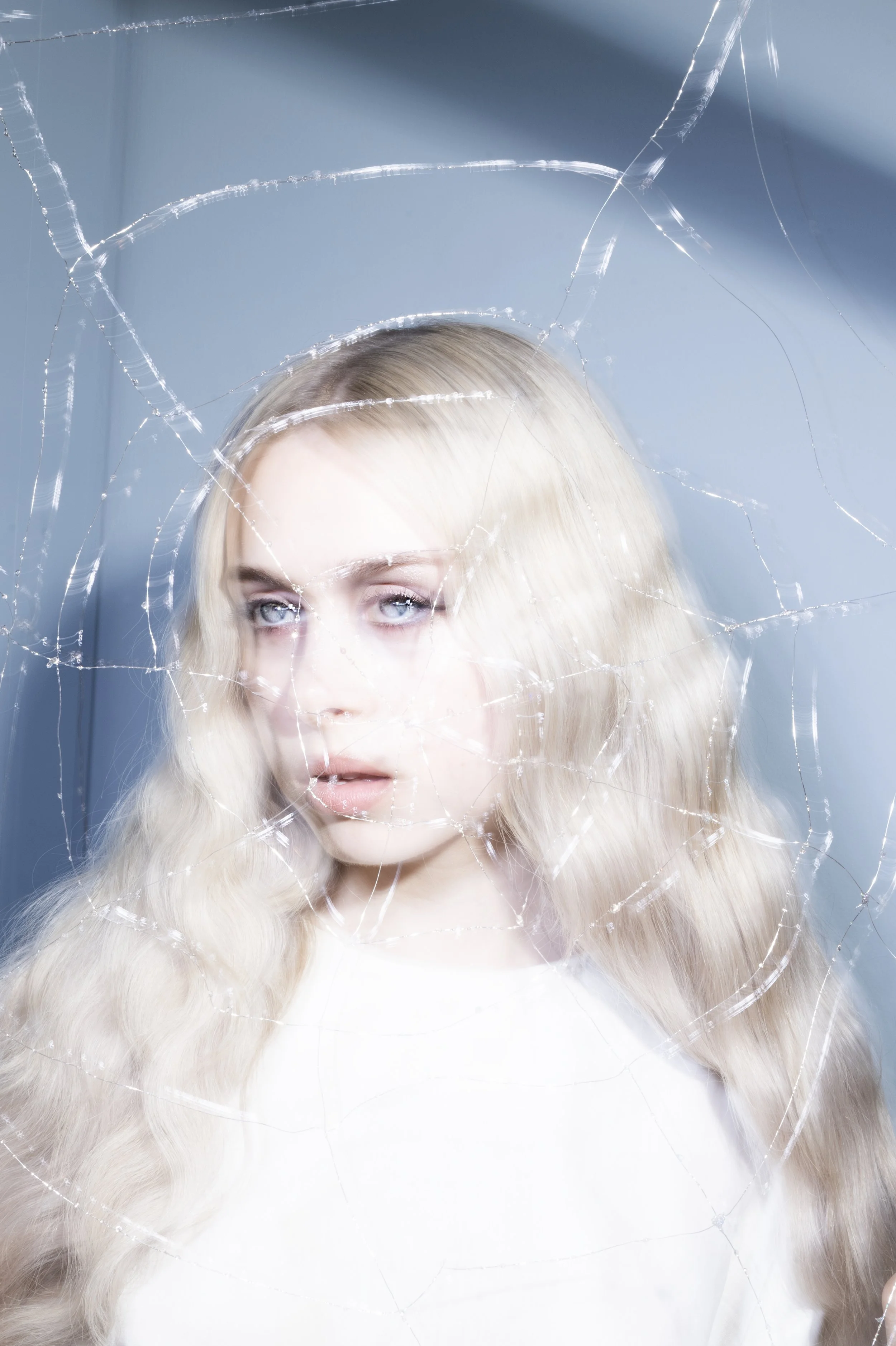
I ask LeCount if the (somewhat cliché) sentiment of being “wise beyond your years" resonates, acknowledging that her songs have a level of self-awareness that most 23-year-olds are only just beginning to address.
“I think the biggest thing that I was told growing up was that I seemed a lot older than I was, and I sort of wore that [as] a badge of honour. As I've gotten into my 20s, I've never felt more like a child,” LeCount admits. “The more responsibility that I've been given, getting to do music full-time and living this life, I feel quite stunted, and I write so much about feeling like a child again.”
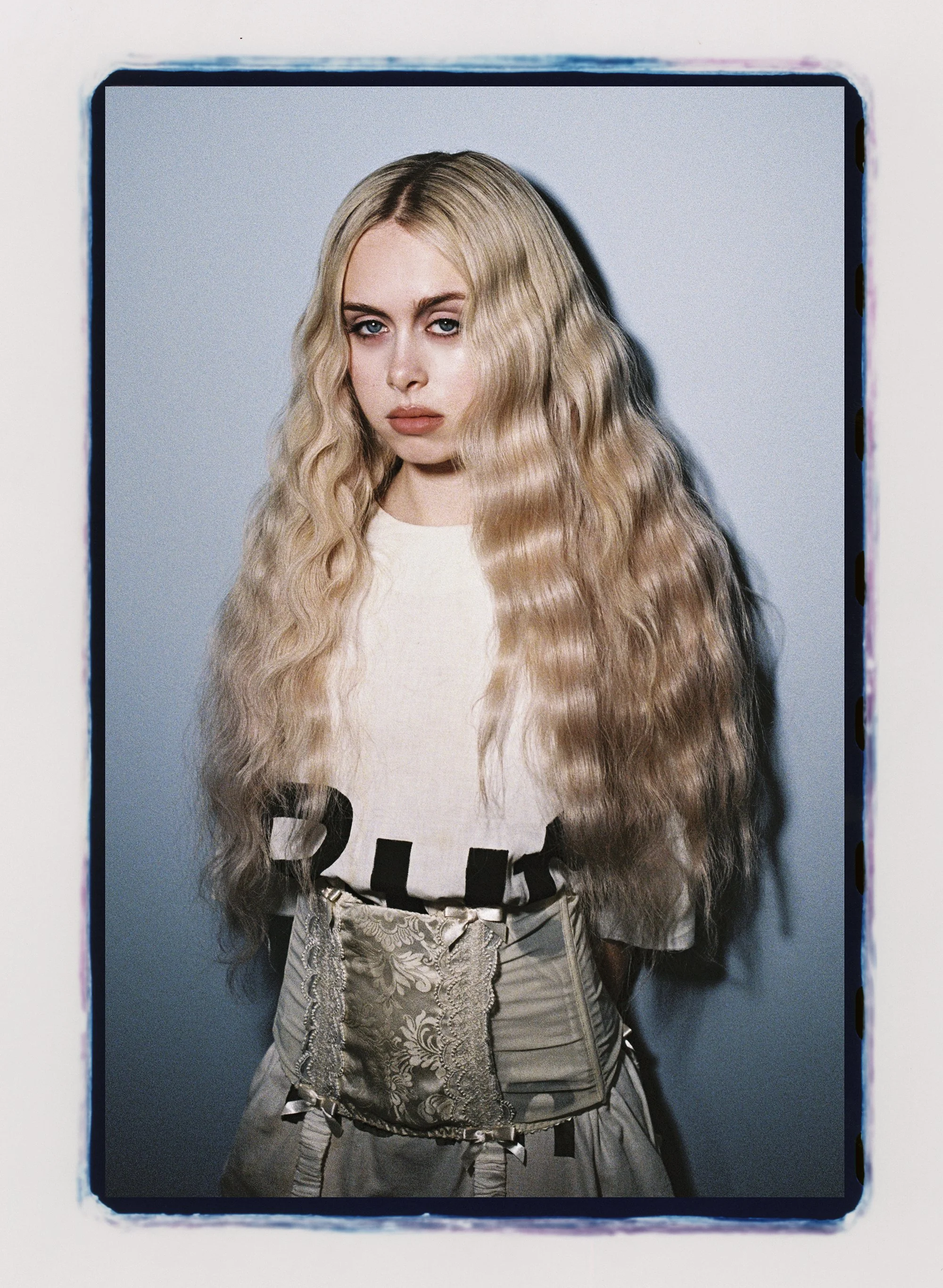
Dress: The Pegram Collection | Lingerie: Buttress & Snatch
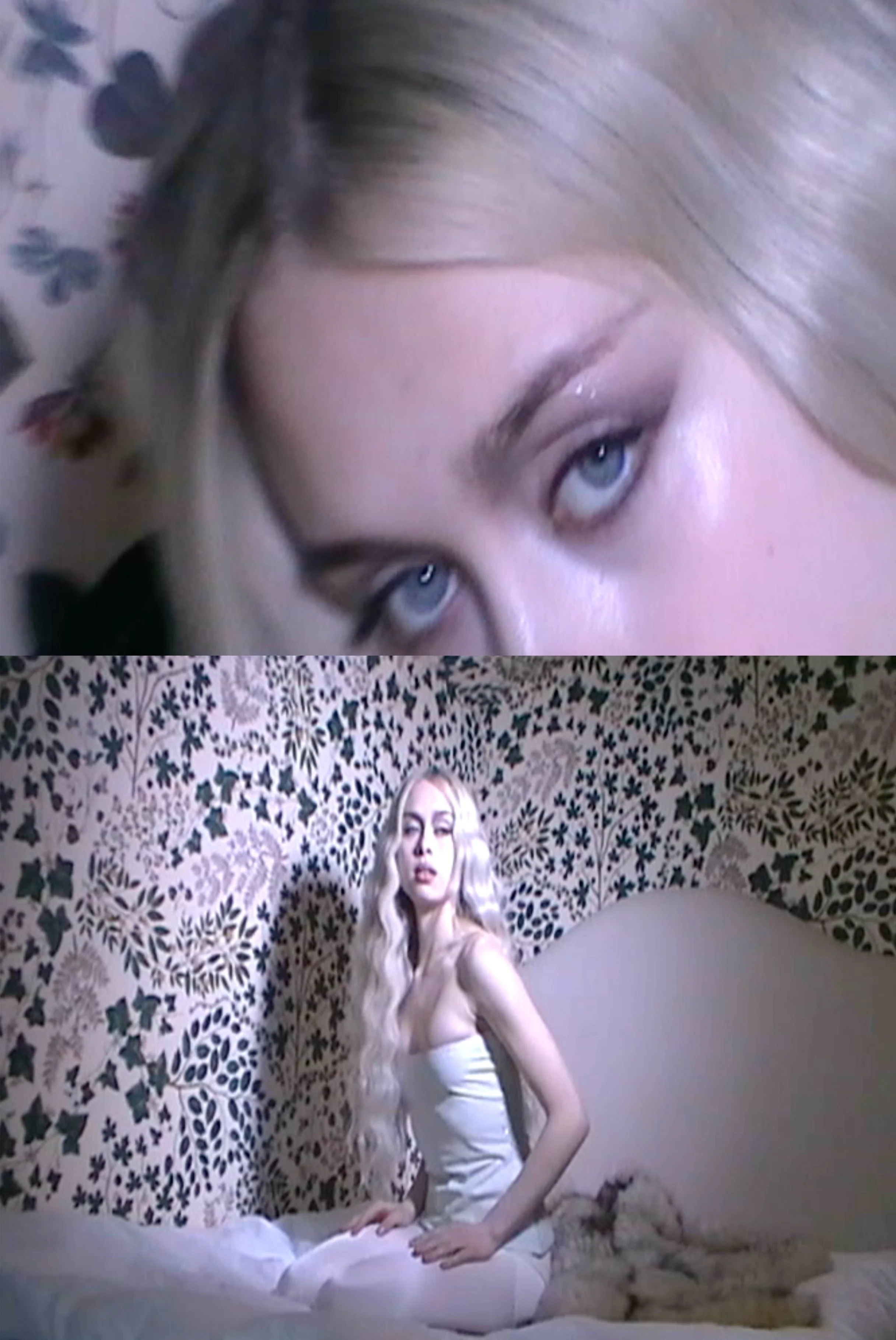
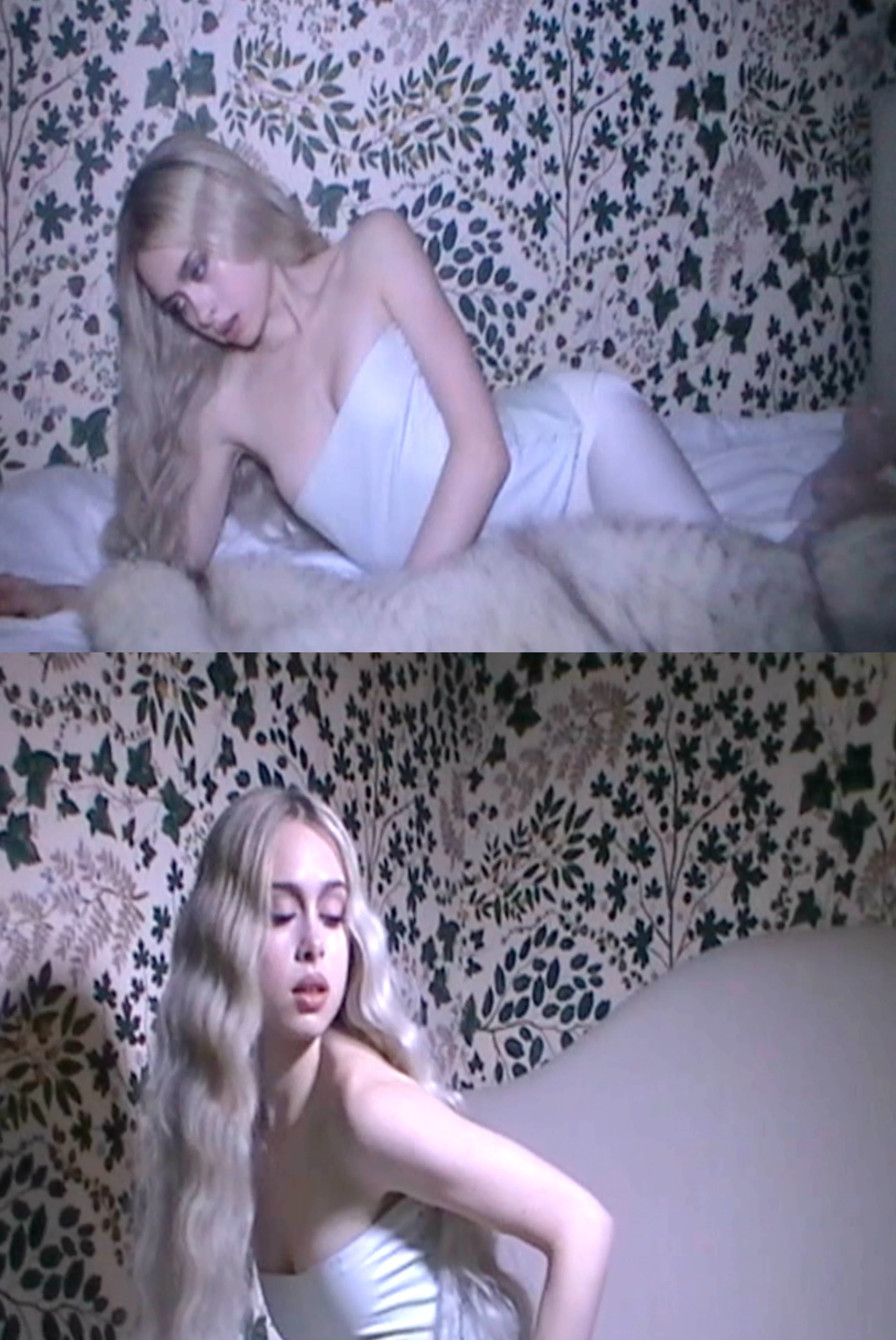
She reflects on life-altering moments she faced as a teenager, including health scares, that compelled her to grow up fast. “Everyone praises you on how mature you are, and you can wear that badge of honour without ever questioning those circumstances that forced you into that level of maturity; you didn't choose that,” she reflects. “Ultimately, I think I write equally from a place of feeling like I've lived a hundred lives and I'm 20 years older than I am, but also still feel[ing] like a nine-year-old… I fluctuate between the two, and I think that's nice.”
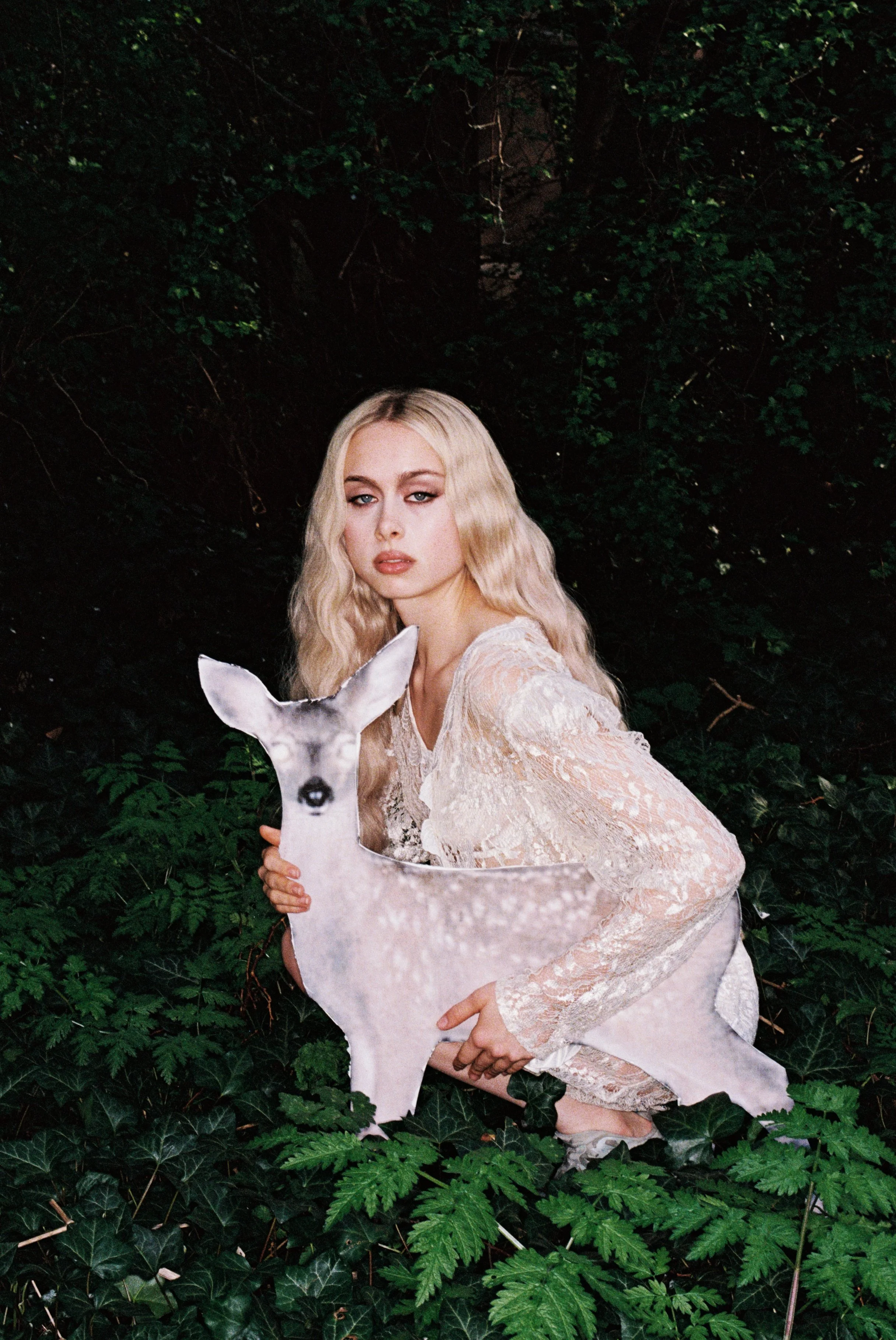
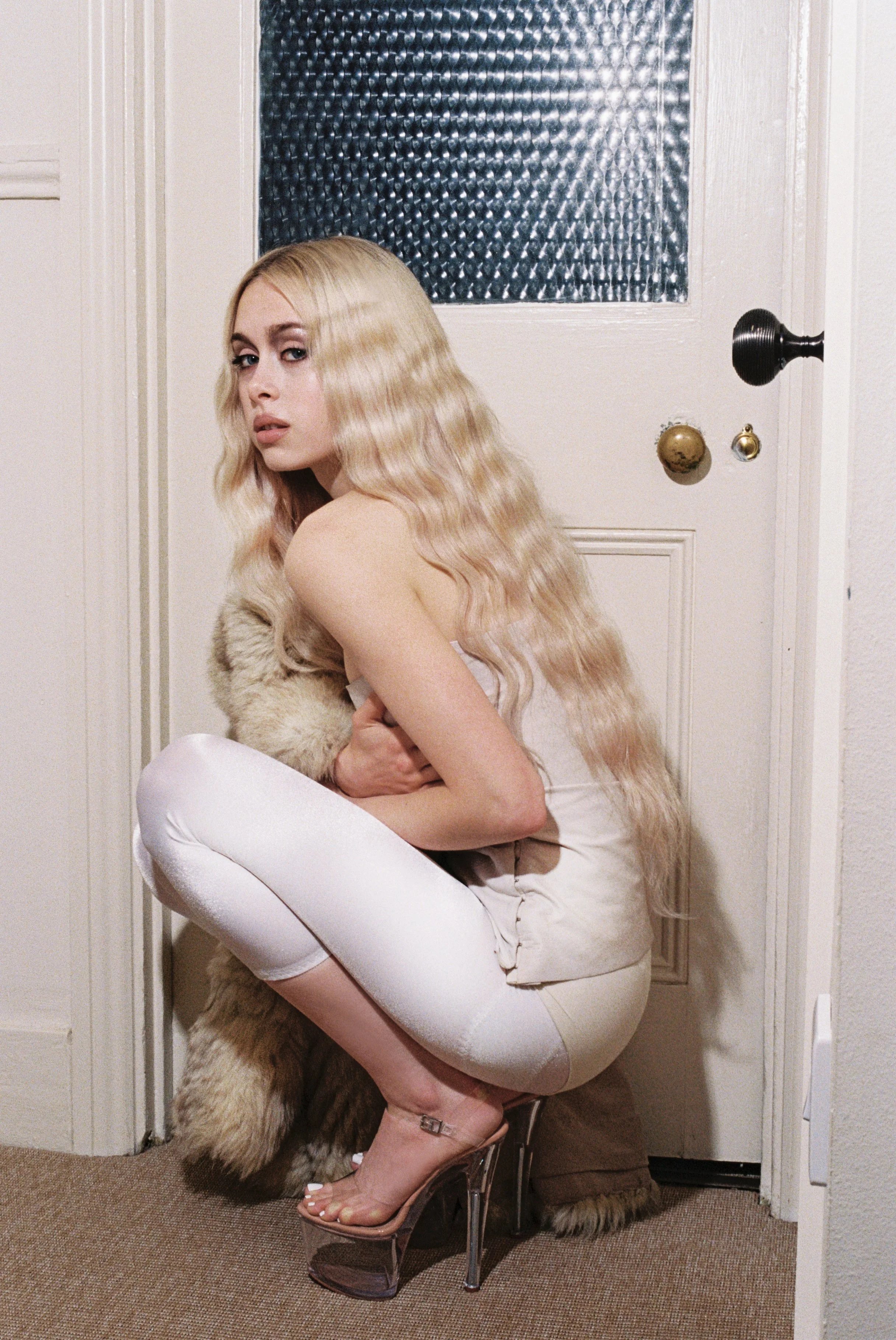
Further, connecting with her younger self while giving her dreams and confidence the space to become fully realised is an intrinsic part of LeCount’s artistic vision. Often swept up in the thrill of performing live, where she bonds with her audiences of predominantly young women, she reminds herself of where Pareidolia began, and why it deserves to be brought to life.
“I have to remember that it's important for me to feel connected to the person who wrote the song in their room, on their own, as well,” she says. “These songs are mine and they're other people's, and that's really beautiful.”