“Loser Like Me”: Glee and the False Promises of Obama-era Diversity
Words: Elijah Fischer
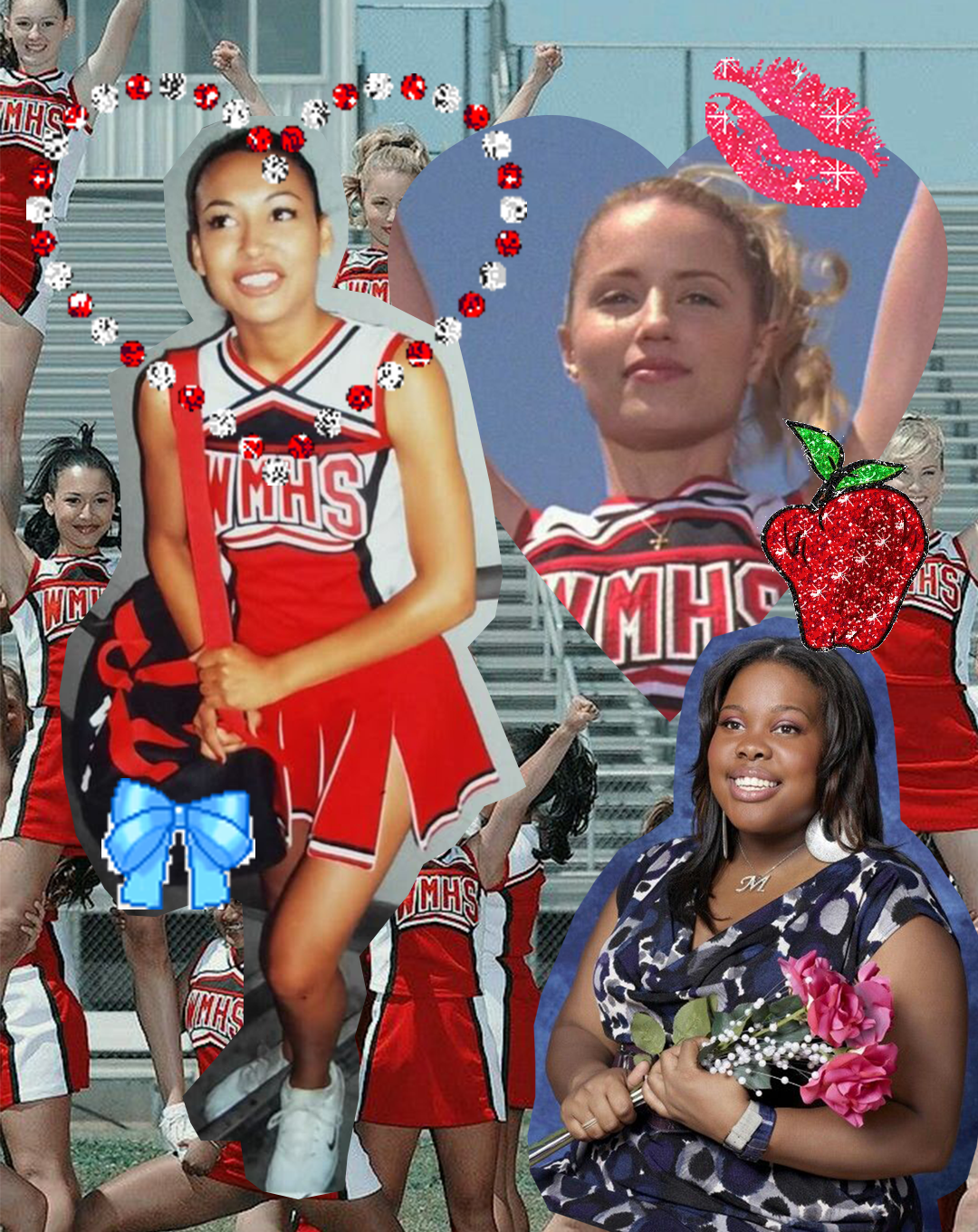
To understand how Glee tried and failed to change the world, you first have to understand the world it came into. It is 2009. Don’t Ask Don’t Tell is still considered the default way to handle homosexuality. Harry Potter is considered satanic propaganda by a significant amount of Americans. Supermodel Kate Moss has just popularised the phrase “Nothing tastes as good as skinny feels”. This is a world where dodgeball is still a part of most gym class curriculums. A world where slurs are thrown around the hallways of every high school without any repercussions. A world where teenagers are still told they have no place in this world if they can’t fit a mould.
Then, like the asteroid that killed the dinosaurs, Glee premieres in May of 2009 and becomes a cultural juggernaut before its first season has even finished airing. A television show about a group of misfit choir kids in Nowheresville Ohio, built around the simple message that it’s ok to be different, terraforms a world whose culture is dominated by skinny, straight, white beauty standards. Perhaps this is why Glee gets away with so much. Being any kind of different in a world so rigid meant seeing any scrap of difference on screen, no matter how small, could make you feel seen in a way you simply never had before. Representation became radical in and of itself. In the pilot episode, outcast primadonna Rachel Berry tells the well-meaning choir director Mr. Schue that “being a part of something special makes you special.” In that moment, just as Rachel used gold stars to represent her dreams, a new dream had been created for every misfit child glued to the TV screen: the idea that just being seen can create some kind of change.
As is the case with many members of Gen Z, Glee was my gospel. In 2011, at the height of Glee’s chokehold on the world, I was 7-years old, Jewish, gay, and the kind of annoying theatre-kid-to-be who could put the fear of God into even Rachel Berry. I was growing up in South Carolina, a state that makes Ohio look cosmopolitan by comparison, and needless to say gym class had become my personal hell. To see myself in the kids of McKinley High gave truth to the idea that being a part of something special makes you special. By the time the show whimpered its way into its final season in 2015, I had grown into a tween and watched the world change around Glee. Gay marriage was on the cusp of legalisation, the body positivity movement was finally beginning to break into the mainstream, and zero-tolerance bullying policies were becoming more and more commonplace in schools across America. I thought that somehow, in spite of everything, the future Glee prophesied had actually come to pass, that the cultural pendulum has swung away from alienating anyone who didn’t fit an All-American standard.
___STEADY_PAYWALL___
“Tolerance is temporary, it has no conviction, and it does nothing to protect the kids Glee is meant to represent the most: the vulnerable, the alienated, the different”
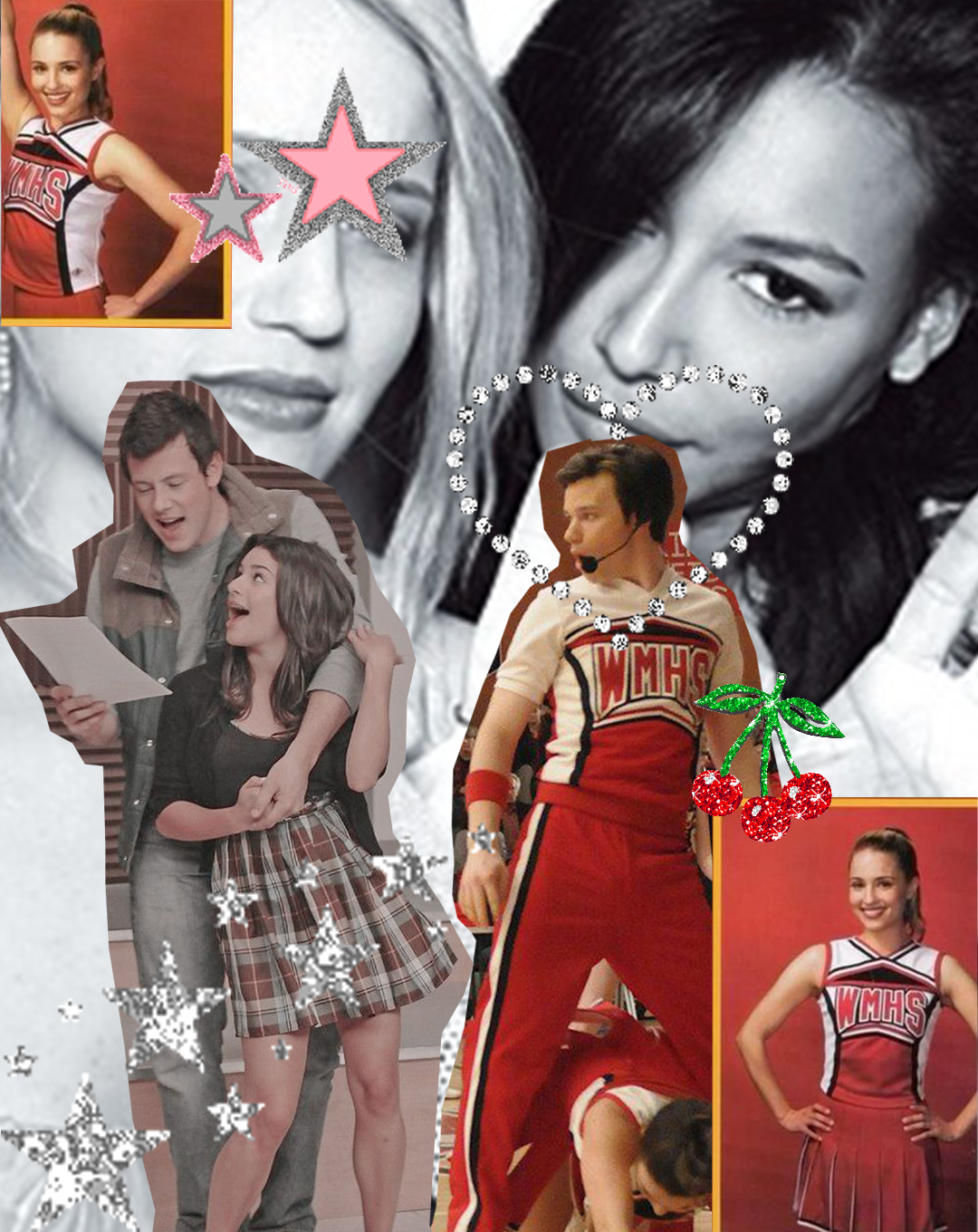
In November of 2015 Donald Trump was elected for his first presidency. I am now 22 years old, and have spent half of my life living in a post-Trump world; one that mirrors the Bush-entrenched suburban hellscape Glee began in more than its final seasons featuring openly gay football players who never had to question their own outness. In the years of conservative backsliding, I’ve found myself looking back on Glee as something of a liberalist fever dream.
A mirage like so many from the early stages of Obama’s presidency, the illusion of progress that would never come pass. But in my constant late-night rewatches, the instability of that mirage has begun to make more and more sense to my jaded, aging mind. Glee is a show that will have a scene featuring racist jokes made towards a character followed by another scene featuring an acapella song about loving yourself. It’s a show that will preach the beauty in diversity, and then dedicate most of its runtime to a conventionally attractive straight white couple.
It’s a show where the end goal minorities are taught to strive for is tolerance, not equality. We became so distracted with the novelty of seeing characters like Mercedes Jones — a plus-sized black teenager whose story didn’t revolve around changing her looks or rejecting her identity —- on our screens that we did not notice how often she was shoved to the back of performance lineups, despite having a voice that was just as good, if not better, than her white counterparts. Being a part of something special makes you special, so we settled for seeing characters take less than they deserved because for them to be seen at all was deemed revolutionary. These are the contradictions that ended the dream of Obama-era liberalism before it even had the chance to spread its wings.
Simply being a part of something special isn’t actually enough to make you special. Getting in the room is half the battle, but it is not the only battle, and the problem with Glee’s sentiment is that it begins and ends with tolerance. Tolerance is temporary, it has no conviction, and it does nothing to protect the kids Glee is meant to represent the most: the vulnerable, the alienated, the different. Entering high school, my world looked no different than it had a decade before when Glee first aired. Visibly queer, disabled, or non-white kids were still being bullied, and whether or not something would be done about it depended on the heart of whatever teacher was around.
The burden of change can’t fall squarely on Glee’s shoulders, a climate that claimed to embrace diversity while refusing to enshrine any tangible protection for those labeled “diverse” is more to blame than Ryan Murphy. But having been there to bear witness to that oasis of belonging, those promises that by the time I became the same age as Rachel Berry or Kurt Hummel the world would look like a more forgiving place, only to spend those years watching the bigotry of the 2000s slide back into place, it’s impossible to not feel somewhat cheated by Glee and the glittery stickers pretending to be stars it goaded my generation into reaching for.
Glee is representative of a certain time and place in American history, a blip between two right wing presidents that wanted to rise above its moment but failed to escape a status quo that, even with Obama newly inaugurated, was still being defined by George W. Bush. Its shortcomings are as much a product of its time as its optimism is. The change it sought to create did come in some small ways: kids who are openly queer, disabled, or non-white walking the halls of your average television high school is no longer the novelty it was in 2009. But visibility isn’t enough when those who are different are still only being tolerated. Being a part of something special makes you special, but when being a part of something only means being in the room, and how long you’re allowed to stay in the room remains up for debate, you’re left to question what it really means to be special in a world where diversity in action begins and ends with tokenism.