
Romaisa Baddar on Middle East Archive: Women النساء, Embracing Multiple Aesthetics and Shifting Focus
By: Sara Eldewak
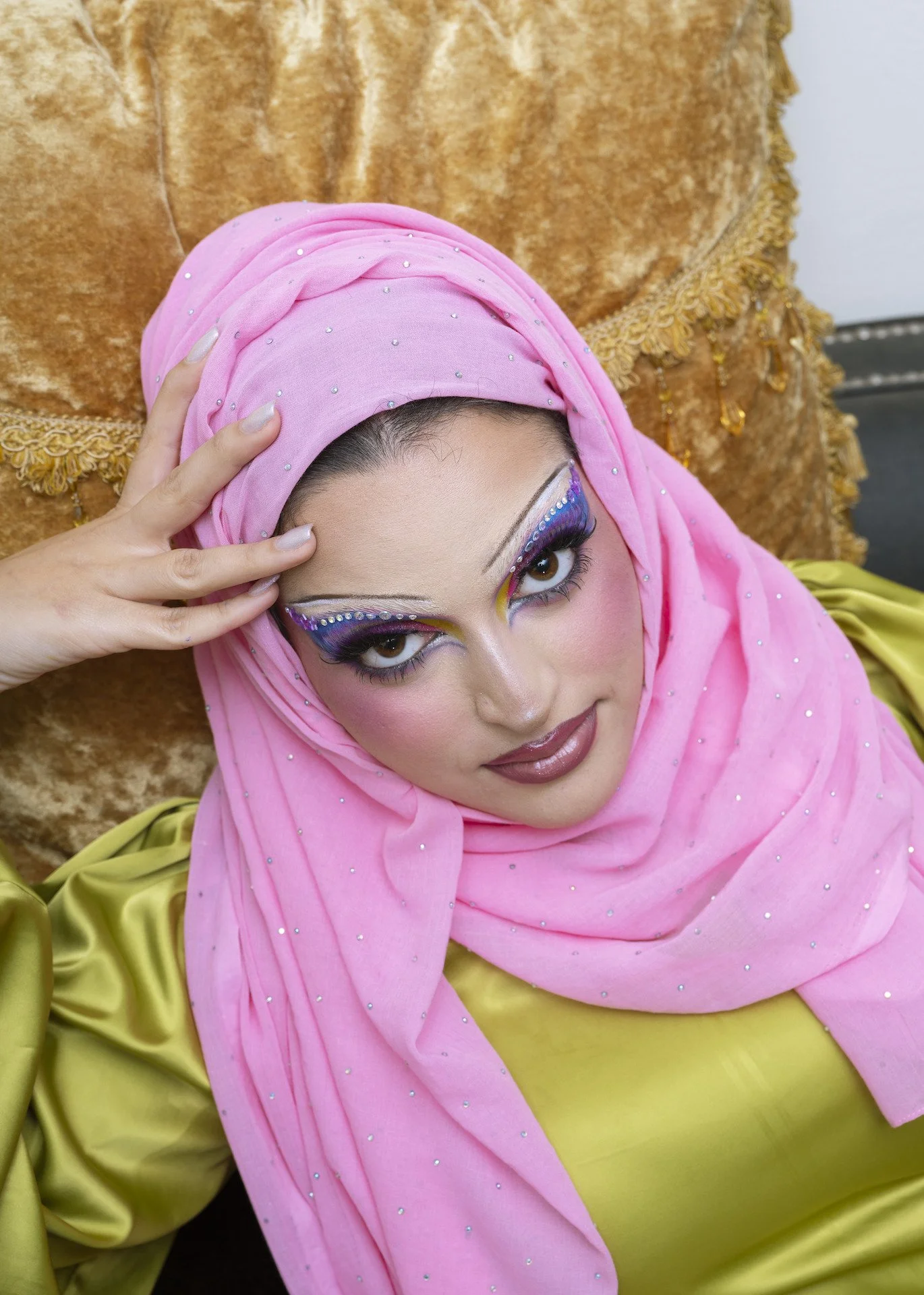
Rooted in photography, Middle East Archive is dedicated to amplifying narratives from the MENA region through contemporary expression and mixed-media practices. For the past six years, the platform continues to flourish and explore different perspectives and subject matters. Founded by Romaisa Baddar, Middle East Archive’s newest book release, Al-Nisa النساء (translated as “Women”), was created from a simple but important intention, to represent and celebrate women through photography, without being framed into a fixed narrative.
The book is not trying to define womanhood, but rather offer different perspectives. Women/ النساء features the works of 72 photographers spanning archival and contemporary collections. Including works by Myriam Boulos, Farah Al Qasimi, Rania Matar, Tanya Habjouqa, Isabelle Eshraghi, Ed Kashi, Farah Nosh, Nariman El-Mofty, Newsha Tavakolian, Nadia Bseiso, Haneen Hadiy, Yumna Al Arashi, and many more.
Farah Al Qasimi | United Arab Emirates
In conversation with Romaisa, she explained “Middle East Archive’s practice centers on photography and collaborating with contemporary photographers as well as some previously published works, but overall it transcends traditional forms of archiving . Our practice doesn’t center around preserving and documenting as much as it tries to focus on publishing and collaborating and contributing to the current representation." At its core, the work is grounded in questions of visibility: who is seen, who is represented, and how those images are shaped within the present moment.
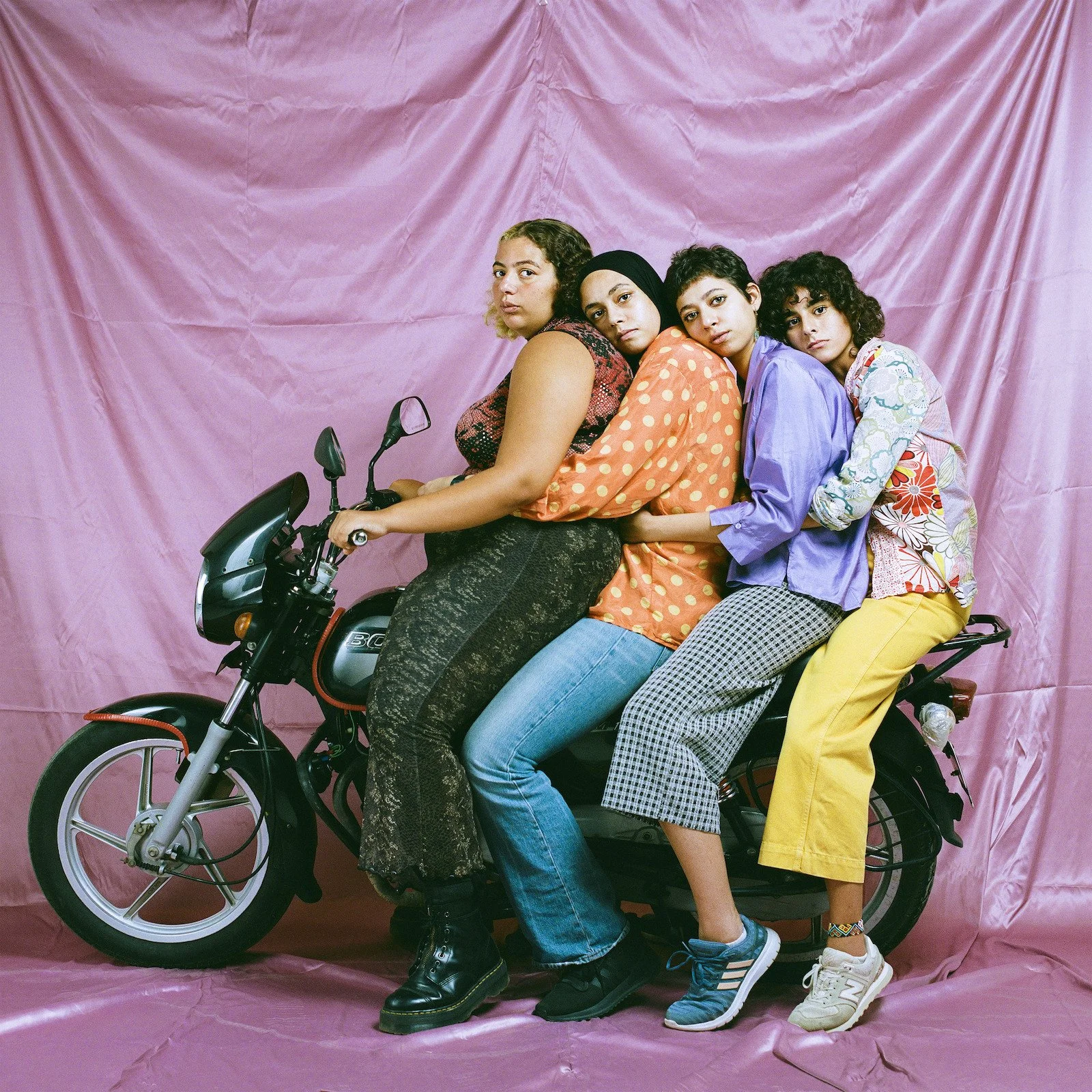
Najla Said | Egypt
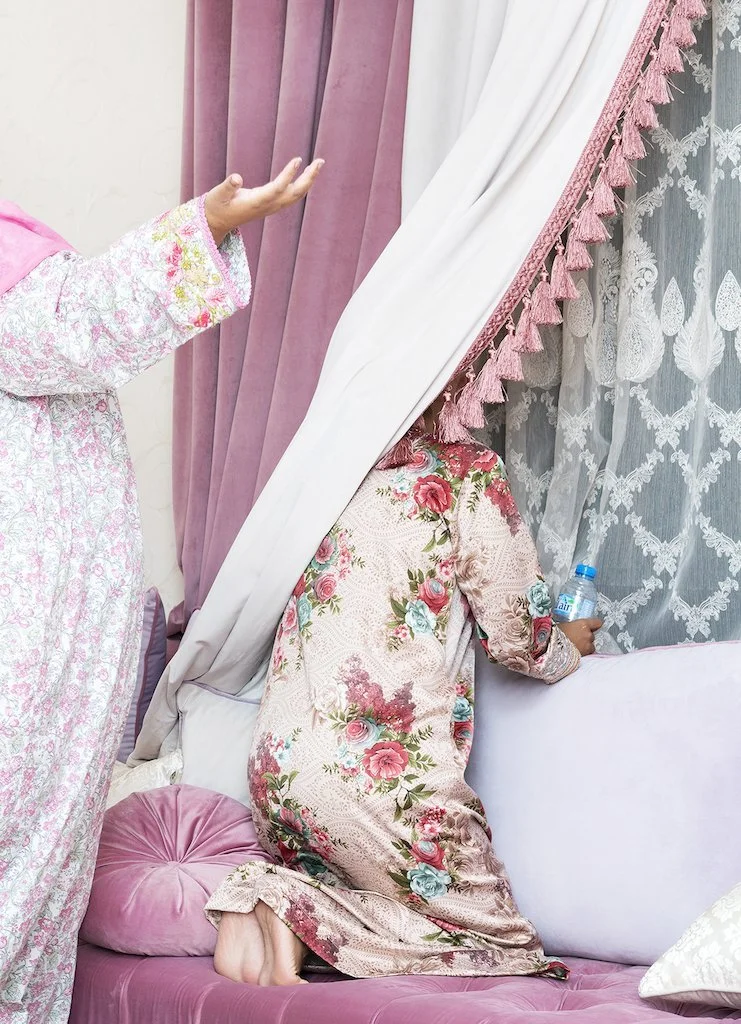
Farah Al Qasimi | United Arab Emirates
The archive brings together many photographers. How do you maintain a cohesive vision without flattening those different perspectives?
The cohesion comes more from rhythm and pacing rather than from forcing visual similarity. I wasn’t looking for one aesthetic. I think for this specific book and subject it was actually really interesting to work with such a large number of photographers to really combine so many different representations of Women. With Women, we tried to create a flow where differences feel intentional rather than disconnected.
Not only does the book explore a wide range of photographic perspectives, but it also presents women in different contexts and areas of life — whose collective presence gives the work a deeply resonant strength. When asked about the importance of portraying motherhood within the project, the response was clear: it was significant, but not as a central theme around which everything revolves. Instead, it exists as one reality among many. The intention was to allow motherhood to sit alongside other lived experiences, rather than define or contain them.
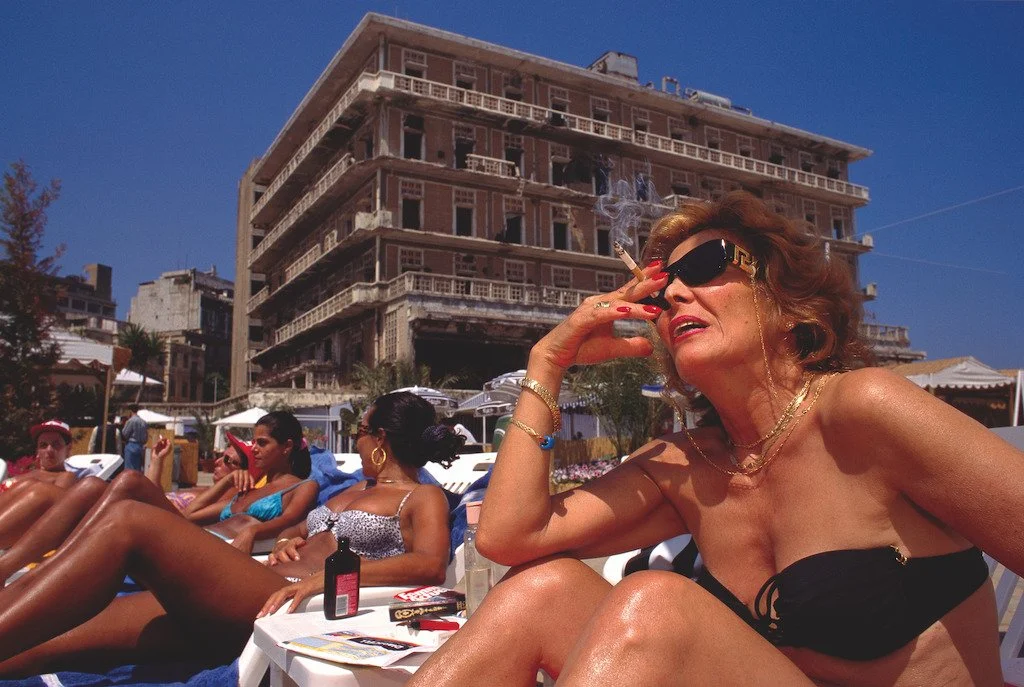
Ed Kashi | Lebanon
How was curating this project different from previous ones? Was there something particularly special about it to you personally?
This project felt more personal than others. It touches on something that is both very close to me, and at the same time, very broad. That meant the process was in constant dialogue. We were continuously asking: did we represent her in the right way? What is missing? What is taking up too much space? Because of that, the focus shifted. It became less about the aesthetic and more about listening, editing, and really understanding the subject.
With other books, we also try to bring together different perspectives, but the level of sensitivity required here was different. The responsibility in how it’s shaped felt more necessary throughout, and that’s what made this project stand apart for me.

Farah Al Qasimi | United Arab Emirates
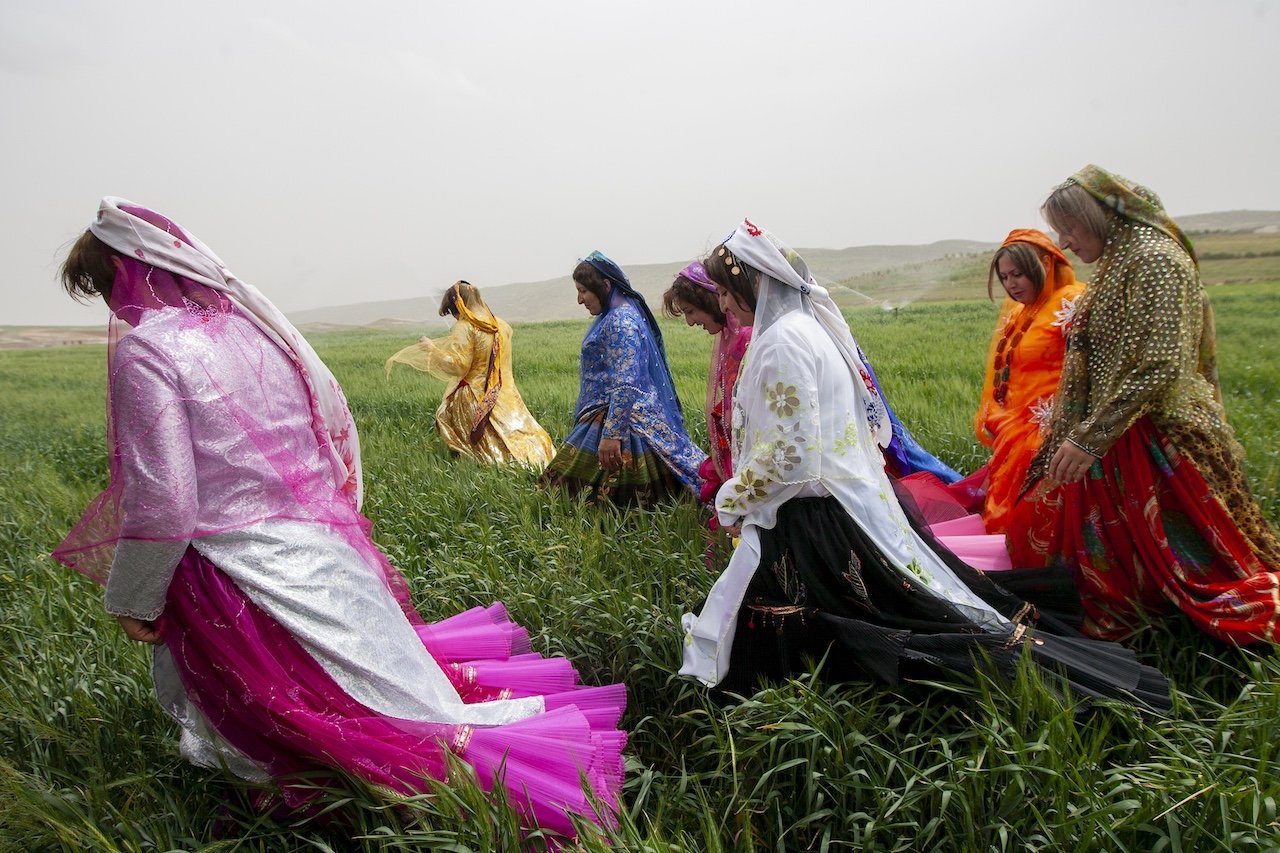
Hossein Fatemi | Iran
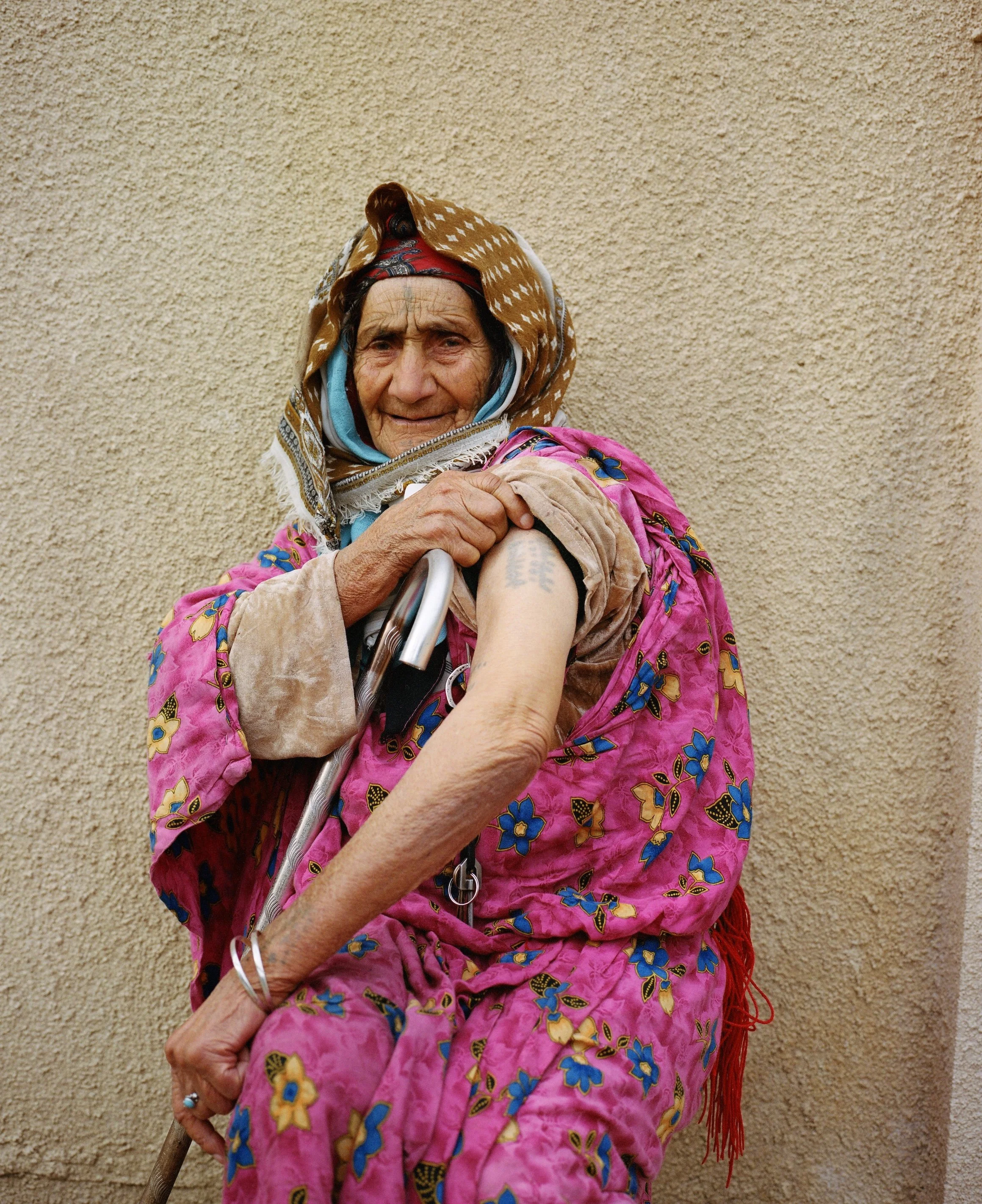
Yumna Al Arashi | Tunisia
How do you hope this book contributes to ongoing conversations about gender, culture, and visibility in the region?
I hope it adds nuance and moves things away from simplified or singular representations.
At an early stage, when we looked at the material together, we realized how easily the work could fall into familiar ways women from the region are already seen. It’s not difficult to find or produce images that confirm those perspectives.
So part of the process was actively questioning that. While some of the photographs may feel recognisable, the intention was to push beyond what is already foregrounded and make space for other layers of representation that are often overlooked.
With a subject like women, this awareness becomes even more important. There is a long history of work shaped by colonial or intrusive perspectives, and that context can’t be ignored. Being conscious of that means making careful decisions about what is included and what is not, and avoiding any alignment with those ways of seeing.
When discussing the timing and sequencing of the book Romaisa ended by saying “There is more visibility now, but often still through limited frameworks. At the same time, there are so many photographers working, building their own visual languages. Bringing these together now felt like a way to mark a moment, but also to support something that is ongoing.” In that process, the book resists the idea of a single narrative, instead simply allowing everyday moments to exist alongside one another. What emerges is not a fixed representation, but one that moves beyond the frames often imposed.
Available for purchase at middleeastarchive.com