Words: Zara Kerfoot
Make it stand out
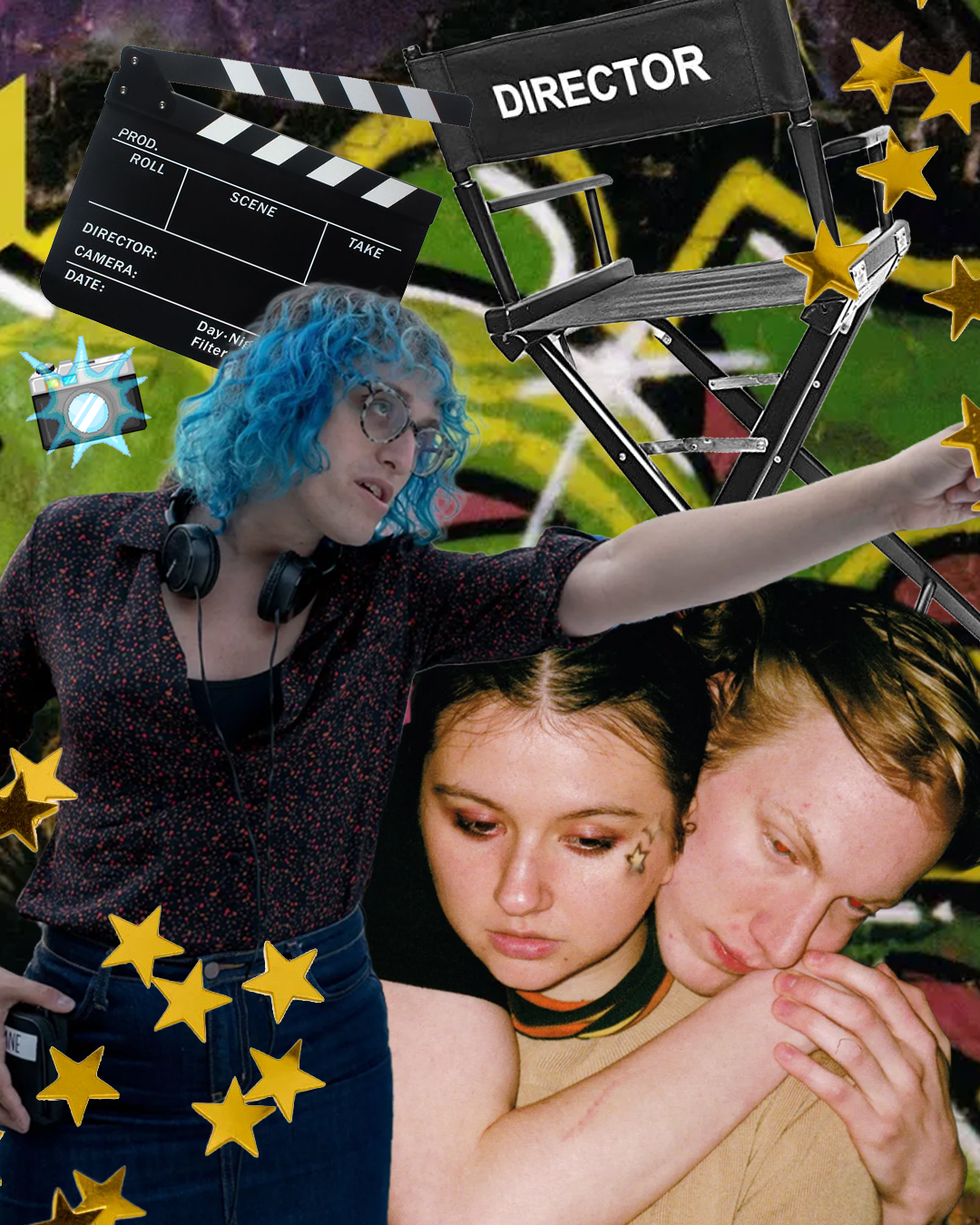
It is a wretched time to be trans. Obviously. Our rights to exist safely in public are in the hands of insipid politicians in tailored suits who by all odds probably think the A stands for ally. In spite of the dread, there is something deeply comforting about the current generation of trans and queer filmmakers. From Jane Schoenbrun, Alice Maio Mackay, Avalon Fast to Louise Weard and Vera Drew, this decade has created ready grounds for a new wave of boundary pushing, daring, inspiring and highly collaborative art.
The liberally optimistic days of the 2010s are done to ash, and so are the large studio releases like The Danish Girl that handheld a straight audience through coming out and transition stories, packaging and explaining our lives in terms of nothing more than “being born in the wrong body.” Many of these films were narratives of devastation that discouraged us from living authentically rather than offering tales of empowerment. Media like this maybe had its time and place for offering a brand of visibility, but oh my God it was not made for us. ___STEADY_PAYWALL___
We are living in the most artistically necessary times and yet it seems the output many viewers are relating to is trash television and trash cinema. Creating the next best satire or social commentary is an impossible task now because, no matter how immediate, shocking or important your satire is, something twice as harrowing will be said or done by those in power just next week. In a 2025 interview with Jen Eastwood, author Torrey Peters noted “You can’t even satirise Trump because no matter what dumb shit you say, he’s already said it dumber. You can’t satirise them because they're already two steps ahead of you doing something dumber and more upsetting than anything that you can do as an artist.”
“They all inspire me. So much. To exist, to create and to love.”
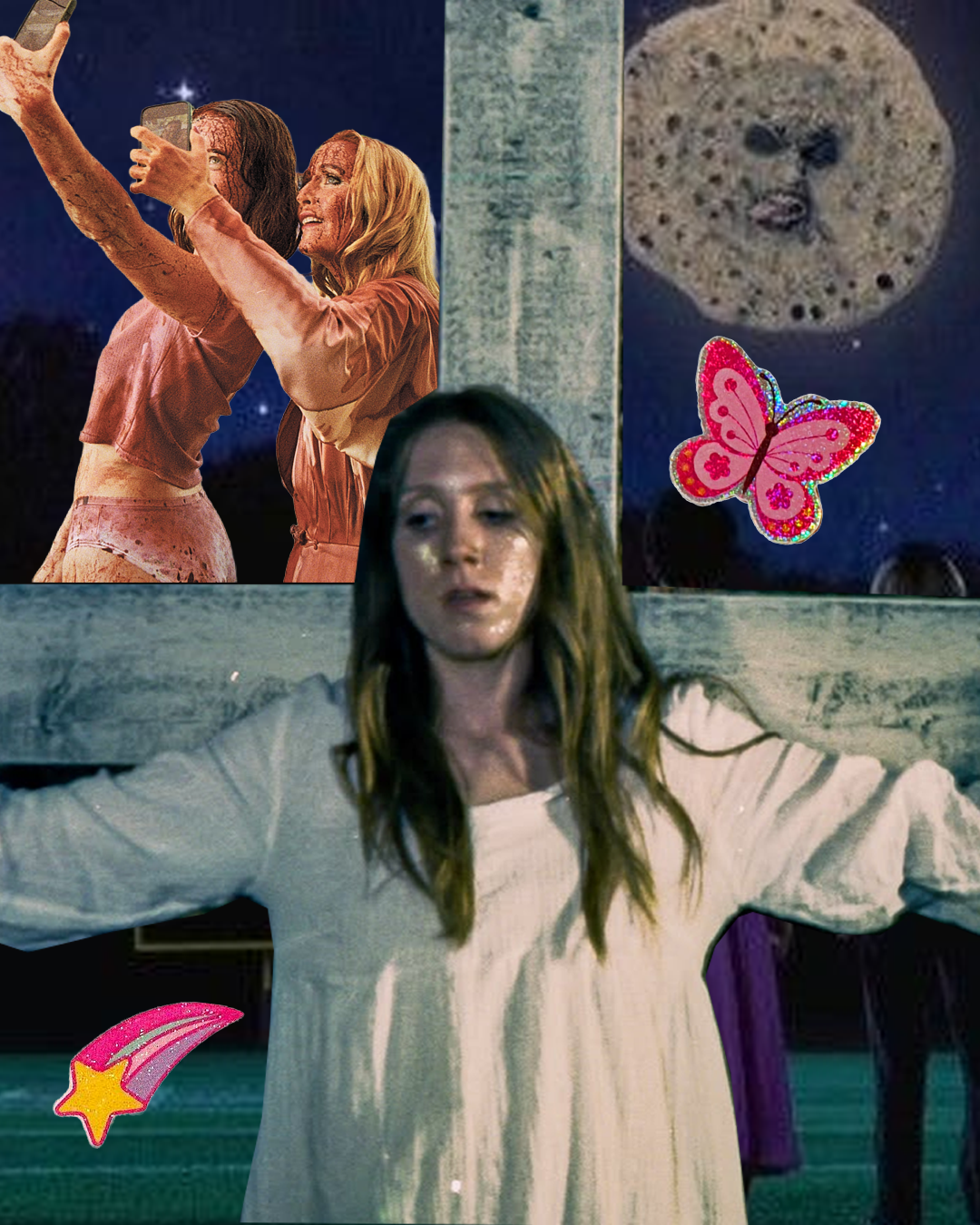
If satire is gone, what we are left with is trash and abjection, or as the Transgender Studies Quarterly phrases it, “[the] vague sense of horror that permeates the boundary between the self and the other,” and how systems of power exclude bodies that are incomprehensible to those in charge. Abjection excludes us, but in its wake we find our individuality and find each other. We create inclusion.
Louise Weard is a director creating haunting, ugly, nauseating, problematic-but-in-the-way-that-makes-you-think-about-why-people-are-the-way-they-are psychological horror anthologies that claim upwards of 4 and 5 hours per installment. They take you in and elicit hideous emotions you didn’t know were buried in you while maintaining deep compassion for the often intolerable and broken characters depicted. The films of Alice Maio Mackay, such as T Blockers and The Serpent’s Skin, are dreamy, colourful and fearless stories about trans and queer friendships and the joy we create together. In T Blockers, friends Sophie (Adeline Ophelia Last) and Spence (Lewi Dawson) fight hordes of zombified and, literally, slimy men who have been radicalised into misogyny and transphobia by parasitic worms. In The Serpent’s Skin, Anna (Alexandra McVicker) escapes her hometown and forms a relationship with Gen (Avalon Fast) after discovering they share supernatural powers and unite to fight a demon released on the town. The movies, while responding to hatred, are at their core about love and specifically the miraculous love and unspeakable bond that we have with each other. The worms will win only if we let them win.
Movies like this, that throw caution to the wind and are by us and for us, hold little regard as to how they are perceived from an audience who would be unwilling to see a shared humanity in the first place. And thank God for this. Thank God we have each other’s backs in this way. When we are cast to the shadows, we shine a neon light and create art that is complex, authentic, raw and disagreeable to the uncurious. There is a passion and a heart to these filmmakers that exists solely in these shadows. They are all making the authentic films they want to make without being watered down by uninspired executives. I see parallels to the new queer cinema movement of the 80s and 90s and the early work of Todd Haynes, Cheryl Dunye, Gregg Araki, Stephen Winter and Derek Jarman, which responded to the disregard of the Reagan and Thatcher era and the stigmatisation, ostracisation and abjection directed toward queer bodies. The movement was not conceived with intentionality more than by shared circumstances and the movies were pure spirit put to film.
It is inspiring to witness artists like you create the art they want to make. They are showing us that our movies do not need to fit squarely into how the political climate mandates we should act. If we want to create art about disagreeable and loathsome characters we should because this is the representation we owe to ourselves. Giving ourselves the messy representation we deserve on screen is a defiant act of self-love and love for each other. This is how we reclaim our own stories: catering only to an audience who will earnestly recognise our shared humanity and not one you need to defend your humanity to.
A part of me hesitates to apply a trans label to these artists or call this a movement. Louise talks about this plenty in her Substacks. Is this reductive and restrictive branding? Distilling these stories to a collective feels like neat compartmentalisation and is in direct opposition to what being trans or queer means to me: complete liberation from the definitions that had binded us in the first place. I have seen titles like the Trans New Weird and Trans New Wave online and while a part of me wants to embrace this, I also feel it will inevitably smother the breadth of movies from trans people that are coming out this decade into a handful of titles that will be said to definitively represent a trans experience.
If I can draw any thread between the mentioned filmmakers (and the myriad unmentioned) it is this: they all inspire me. So much. To exist, to create and to love.